Wanting to look youthful is natural, but many style choices associated with youth are actually rooted in the past. What once signaled energy or modernity can quietly become a timestamp when worn without reconsideration. Fashion doesn’t age people habits do. Trends evolve, and when certain looks are held onto too tightly, they begin to work against the very goal they’re meant to achieve. Younger generations read youthfulness as ease, relevance, and confidence, not trend-chasing or nostalgia. Updating style after 60 isn’t about dressing younger; it’s about dressing now. These seven trends are often mistaken for youthful but tend to date the wearer instead.
Table of Contents
1) Overly Distressed Denim as a Shortcut to Casual Cool
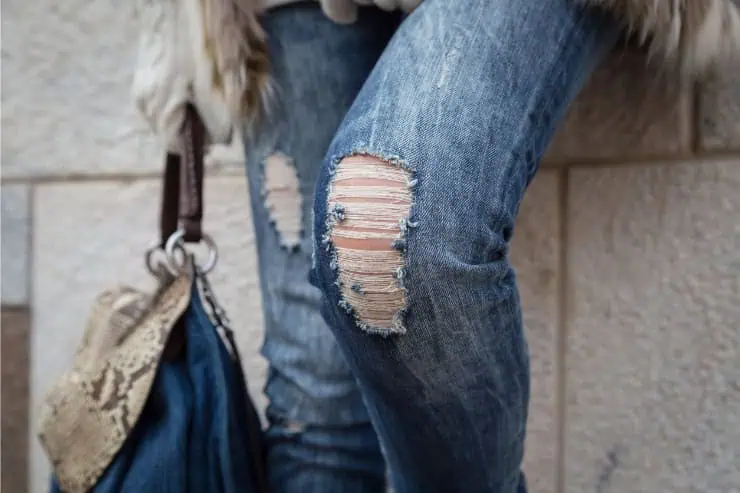
Many women associate ripped or heavily distressed jeans with youthful rebellion and relaxed style. While distressing can work in subtle, intentional ways, excessive rips often feel performative rather than modern. Large tears, frayed knees, and overly manufactured distressing draw attention to effort instead of ease. Younger generations favor denim that looks authentic and lived-in, not aggressively damaged. When distressing becomes the focal point, it feels like trying to signal youth rather than embodying it. Clean cuts, natural fading, and modern silhouettes create a far more current and confident look than extreme distress ever could.
2) Graphic Tees With Loud Slogans or Logos
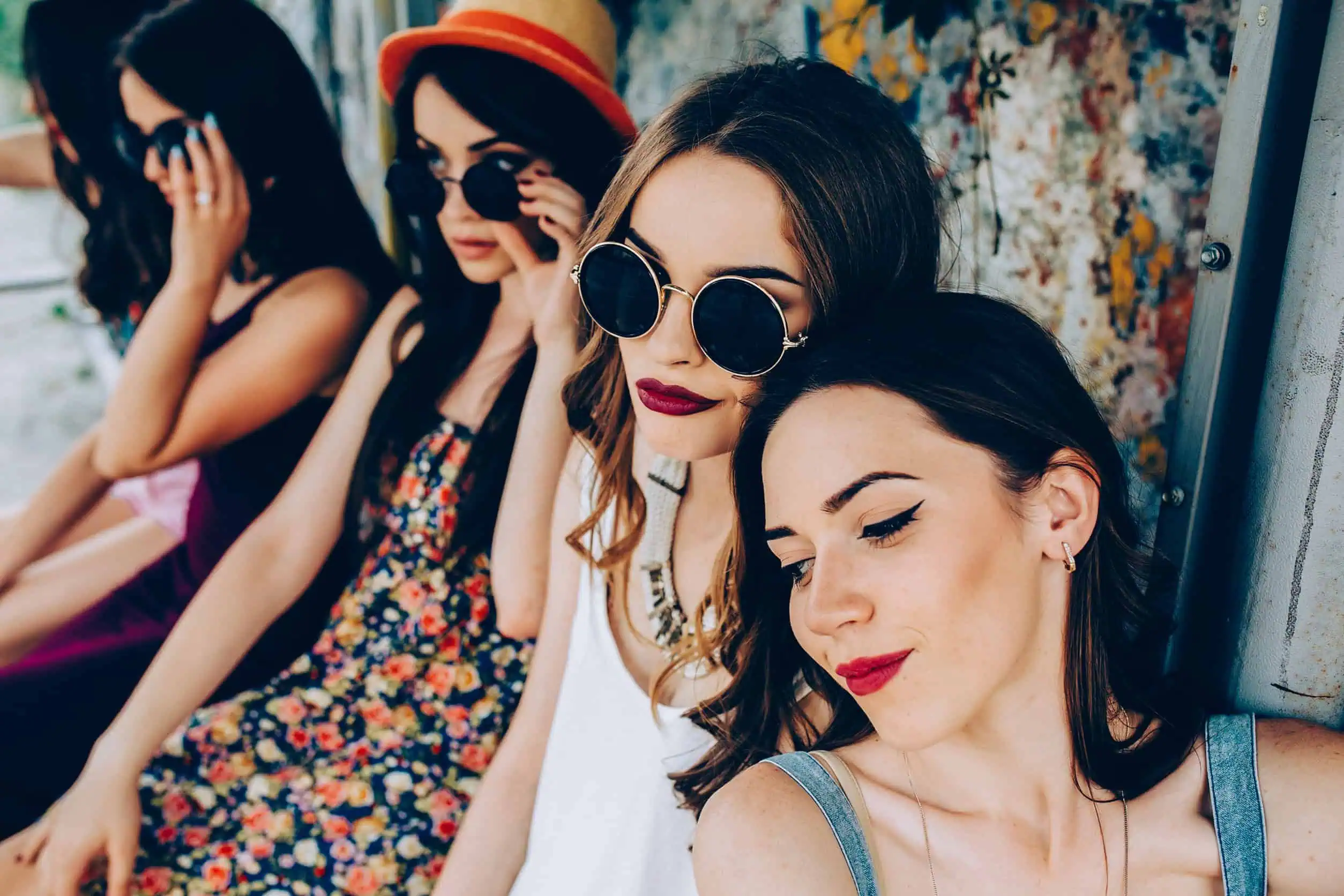
Graphic tees are often worn to project fun, personality, or edge. However, loud slogans, oversized logos, or dated graphics tend to freeze a look in a specific era. These shirts can feel costume-like rather than expressive, especially when paired with otherwise classic pieces. Youthful style today is quieter and more nuanced. Younger generations often choose subtle graphics, vintage-inspired prints, or textural interest instead of obvious statements. When a graphic tee does all the talking, it leaves little room for sophistication. Style that feels current allows personality to come through without shouting.
3) Ultra-Skinny Jeans Meant to Look “Young”
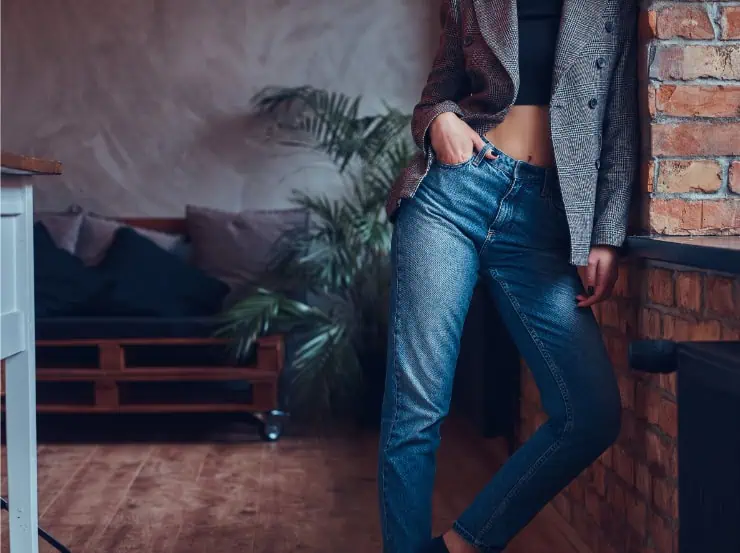
Skinny jeans were once the universal symbol of youthful dressing, but clinging to ultra-tight versions now often has the opposite effect. These jeans emphasize outdated proportions and can feel restrictive both visually and physically. Youthful style today favors balance and comfort straight-leg, relaxed, or softly tailored denim that allows movement. When jeans look sprayed on, they reflect a past definition of youth rather than a current one. Letting go of ultra-skinny fits doesn’t mean sacrificing shape; it means embracing silhouettes that reflect modern ideas of confidence and ease.
4) Trend Heavy Accessories Used All at Once
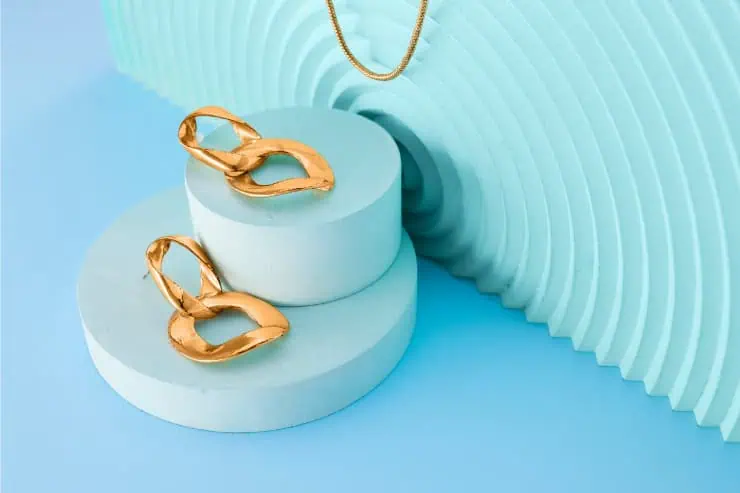
Stacking trendy accessories can feel playful, but overloading an outfit with multiple “youthful” pieces often creates visual clutter. Statement necklaces, bold earrings, oversized sunglasses, and novelty bags worn together overwhelm the look. Youthful style today is selective rather than excessive. Younger women often anchor outfits with one intentional accessory instead of many competing ones. When everything is trying to look fun or current at the same time, the result feels forced. Editing accessories creates clarity, which reads as modern and confident.
5) Short Hemlines Without Modern Proportion
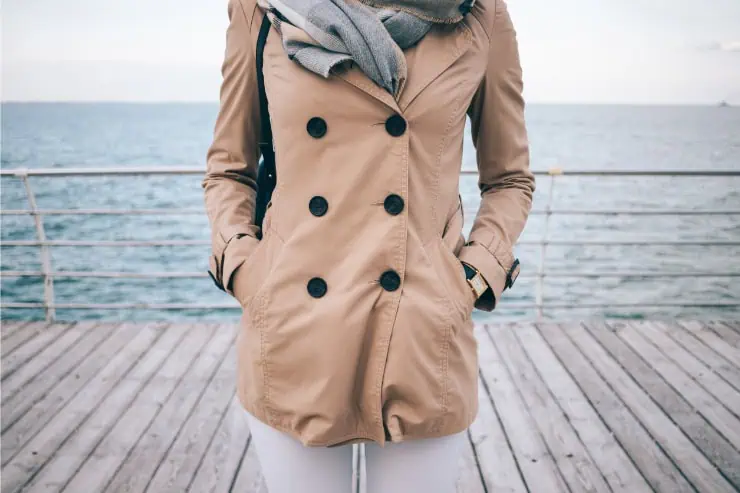
Short skirts and dresses are often associated with youth, but hem length alone doesn’t determine modernity. When proportions aren’t updated, short hemlines can feel dated rather than fresh. Tight minis paired with dated shoes or fabrics recall past decades more than current style. Youthful dressing today focuses on proportion, balance, and context. A shorter hem paired with relaxed tailoring, modern footwear, or elevated fabric feels intentional. Without these updates, short lengths can appear stuck in an older idea of youthfulness.
6) Bright Neon Colors Worn for Attention
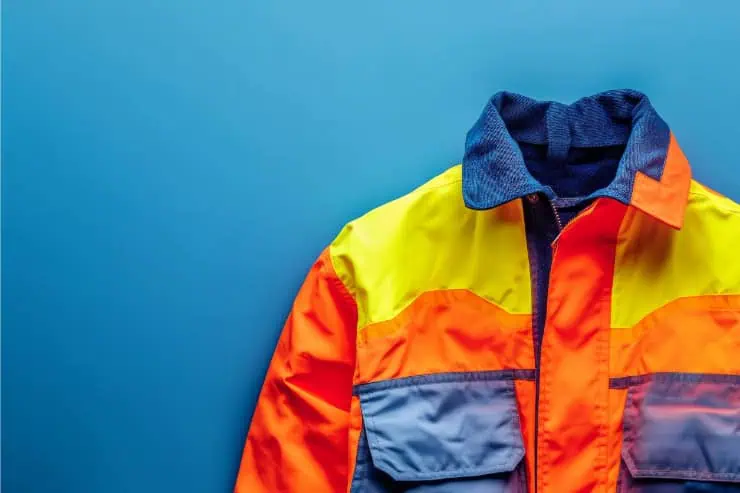
Bright colors are often mistaken for youthful energy, but neon shades in particular can feel harsh and outdated when worn without restraint. These colors were heavily trend-driven in past decades and now often read as attention-seeking rather than expressive. Modern youthful palettes lean toward softened brights, rich tones, and unexpected neutrals. Younger generations favor color that enhances rather than overwhelms. Wearing neon to feel youthful often backfires by highlighting effort instead of confidence. Subtlety now signals relevance.
7) Dressing “Like the Kids” Instead of Dressing Current
Perhaps the most aging habit of all is trying to replicate exactly what much younger people are wearing. Youthful style is not imitation it’s adaptation. Wearing trends without adjusting them to personal style, body, or lifestyle can feel disconnected and inauthentic. Younger generations value individuality and ease, not copying. Dressing current means understanding the direction of style and interpreting it in a way that feels natural. Confidence, relevance, and comfort are far more youthful than any specific trend.