Southern fashion is known for charm, hospitality, and a strong sense of identity. There’s beauty in that tradition, but when style habits remain frozen in time, they can unintentionally signal resistance to change rather than confidence. A modern look doesn’t require abandoning femininity, color, or polish. It requires intention, proportion, and relevance. Many Southern dressing habits developed in eras where rules mattered more than individuality, and those rules still linger. Younger generations and contemporary stylists read these habits not as classic, but as cautious or performative. Updating your style doesn’t mean losing your roots it means letting them evolve. These seven habits are the most common ways traditional Southern style can quietly hold you back.
Table of Contents
1) Overly Matchy Accessories From Head to Toe

Perfectly matching shoes, handbags, belts, and jewelry have long been considered polished in Southern style culture. Today, this level of coordination often reads as dated and overly controlled. Modern outfits rely on cohesion rather than exact matches. When everything aligns too neatly, it removes creativity and makes the look feel rigid. Younger generations interpret this habit as playing it safe rather than expressing personality. Mixing tones, textures, and materials signals confidence and awareness. You can still look refined without looking rehearsed. Letting accessories relate instead of replicate is one of the fastest ways to modernize a traditional wardrobe.
2) Dressing Up for Casual Situations Out of Obligation

Southern culture places high value on being “presentable,” which often translates into overdressing for everyday life. While polish is admirable, dressing up out of obligation rather than intention can feel outdated. Structured outfits, heavy makeup, and formal accessories for casual settings can create visual disconnect. Modern style prioritizes appropriateness and ease. Younger generations favor relaxed polish over formal perfection. When outfits look too done for the context, they feel performative rather than confident. Updating this habit means learning when ease communicates more authority than formality.
3) Clinging to Youthful Details to Appear Feminine

Bows, ruffles, overly sweet prints, and decorative embellishments have long been associated with Southern femininity. Over time, relying on these details can age a look rather than soften it. What once read as charming may now feel costume-like or forced. Modern femininity is expressed through proportion, fabric, and confidence rather than decoration. Younger generations view excessive sweetness as a lack of evolution. Femininity doesn’t need to be announced it can be implied. Replacing decorative elements with clean lines and rich textures keeps femininity intact while updating the message.
4) Rigid Adherence to “Proper” Dressing Rules

Rules around modesty, coordination, and appropriateness are deeply ingrained in Southern style culture. While they once provided clarity, strict adherence now limits creativity. Younger generations dress with fluidity, adapting style to mood, lifestyle, and context rather than fixed rules. When outfits look rule-bound, they feel disconnected from modern expression. Breaking a rule thoughtfully doesn’t signal disrespect it signals self-awareness. Letting go of rigid guidelines allows style to evolve naturally instead of feeling inherited.
5) Overusing Statement Pieces All at Once
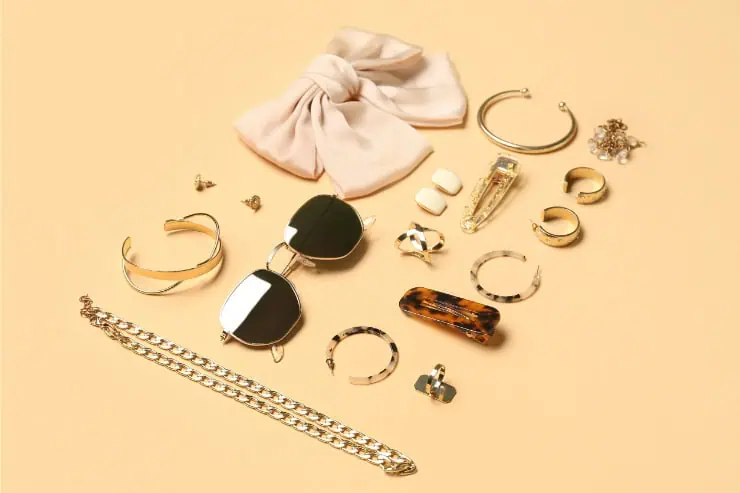
Southern style often celebrates statement fashion, but wearing too many bold elements at once can overwhelm an outfit. Large jewelry, dramatic prints, bright colors, and embellished shoes all competing for attention create visual noise. Modern styling favors restraint and focus. One intentional statement feels confident; several feel insecure. Younger generations interpret excess as trying too hard. Editing is what elevates style. Learning to choose a single focal point allows personality to shine without overpowering the look.
6) Prioritizing Tradition Over Fit and Proportion

Wearing certain silhouettes because they are familiar or traditional often leads to outdated proportions. Long tops paired with slim pants, overly full skirts, or rigid tailoring can freeze a look in a specific era. Modern style emphasizes balance and movement. Fit should support how you live now, not how you dressed decades ago. Younger generations notice proportion immediately. Updating silhouette doesn’t erase tradition it refines it. Fit communicates awareness more than loyalty ever could.
7) Treating Style as Performance Instead of Personal Expression

Southern style often carries an unspoken pressure to look “appropriate” for others. Dressing for approval rather than expression can disconnect clothing from identity. Modern style values authenticity over performance. Younger generations dress to reflect who they are, not who they’re expected to be. When outfits feel performative, they lack ease. Letting style become personal rather than symbolic is the most powerful update of all. Confidence reads modern in any culture.