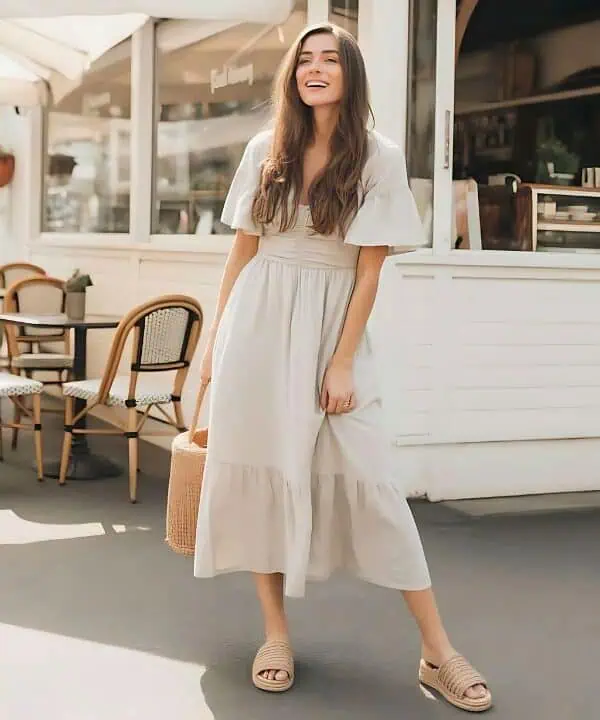
Eyeglasses are one of the most noticeable accessories a person wears, which means their size and shape can strongly influence how the face appears. In recent years, oversized frames have become extremely popular, often promoted as bold and fashionable. However, these larger frames do not flatter every face shape equally. For women with petite facial features, especially around age 60, oversized glasses can sometimes overwhelm the face rather than enhance it. When frames are too large, they may cover the eyebrows, cheeks, and upper part of the face, which hides many of the natural features that give the face expression and balance. Understanding why this happens can help explain why smaller or more proportionate frames often create a more flattering look.
Table of Contents
1. They Cover Too Much of the Face

One of the main issues with oversized frames is the amount of facial space they occupy. On a petite face, large frames can extend beyond the natural boundaries of the eyes and cheeks. Instead of highlighting the eyes, which glasses are meant to frame, the lenses and thick rims can dominate the entire upper half of the face. When so much of the face is covered by the frame, other important features such as the cheekbones and brow line become less visible. The result is that the glasses become the main focus rather than the person wearing them.
2. They Hide the Eyebrows

Eyebrows play a major role in facial expression and balance. When oversized frames sit too high on the face, they often cover or partially hide the brows. This can change how the entire face is perceived because the natural frame of the eyes disappears. At age 60, when facial features may already appear softer, hiding the brows can make the face look less defined. Glasses that allow the eyebrows to remain visible usually create a more balanced and natural look, while frames that cover them can feel heavy and overwhelming.
3. They Emphasize the Wrong Proportions
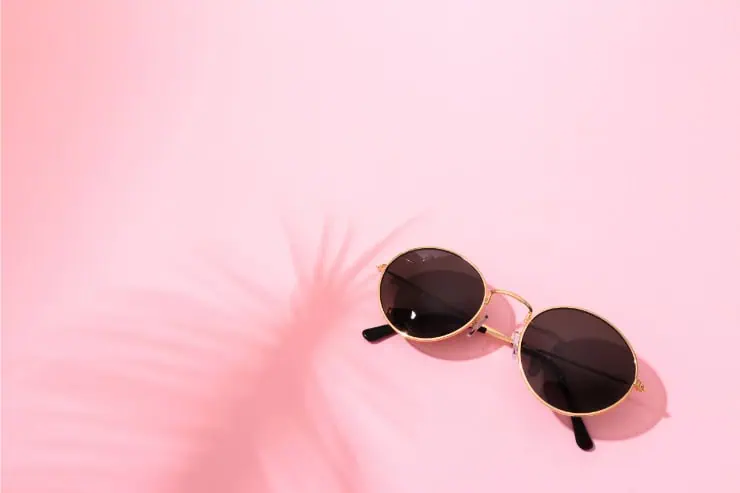
Proportion is one of the most important factors in choosing eyewear. Oversized frames are designed to create a bold statement, but on smaller faces they can exaggerate the difference between the glasses and the rest of the features. When the frame width is much larger than the face itself, the glasses appear disconnected from the natural proportions of the head. This imbalance can make the face appear smaller in comparison, which is why the glasses sometimes look like they are “swallowing” the features rather than complementing them.
4. They Draw Attention Away From the Eyes
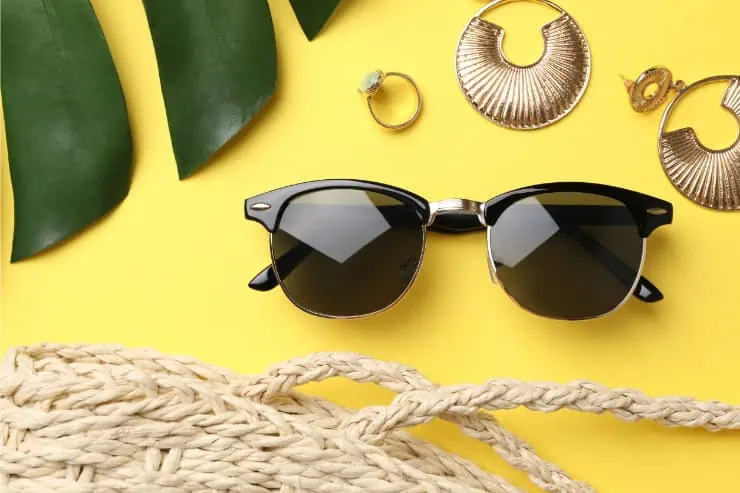
Glasses are usually intended to highlight the eyes, which are often the most expressive part of the face. However, oversized frames can shift attention away from the eyes because the frame itself becomes the focal point. Thick rims, large lenses, and wide shapes may capture all the visual attention before anyone even notices the eyes behind them. When the glasses dominate the visual field, the natural sparkle and expression of the eyes may become secondary, which can make the overall look feel less engaging.
5. They Can Make the Face Look Smaller

Another effect of oversized frames is that they can make the rest of the face appear smaller by comparison. When a large object sits in the center of the face, the surrounding features may seem reduced in scale. On petite faces, this contrast can be especially noticeable. The nose, cheeks, and chin may appear smaller or less defined simply because the glasses occupy such a large area. Instead of enhancing facial structure, the frames compete with it and create an imbalance between the accessory and the face.
6. They Add Visual Weight
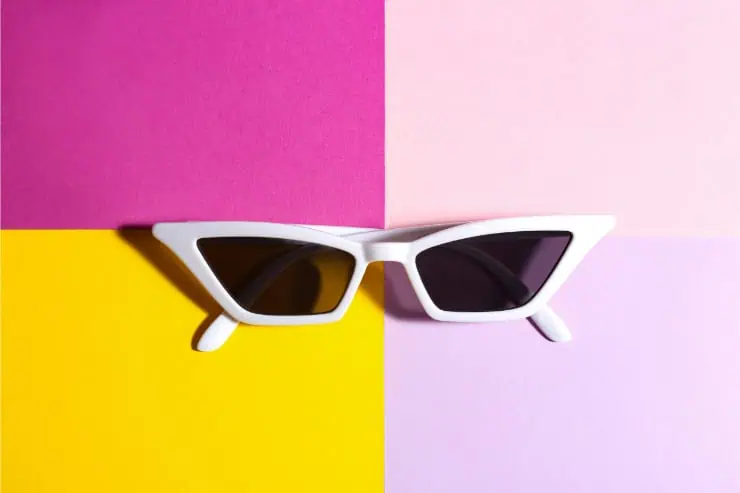
Large frames often come with thicker materials and bold shapes, which add visual weight to the face. On petite facial structures, this weight can feel disproportionate. Heavy frames may pull attention downward or make the upper half of the face appear crowded. As a result, the overall look may feel less light and elegant. Lighter frames or designs that follow the natural contours of the face often create a more harmonious appearance because they enhance features rather than overpower them.
7. They Reduce Facial Definition

As faces mature, maintaining clear visual structure becomes more important in styling choices. Oversized frames can blur the natural lines of the face by covering areas that normally provide definition, such as the temples, cheekbones, and brows. When these features are hidden, the face may appear less structured and more flattened. Glasses that are more proportionate to the face allow these natural contours to remain visible. This balance helps maintain a sense of clarity and elegance that oversized frames sometimes unintentionally obscure.