Statement scarves had their glory era bold florals, chunky knits, giant paisley prints, and silky jewels of color twisted high under the chin. For years, they were the go to finishing touch for women who wanted color, interest, or to “dress up” a simple outfit. But Gen Z isn’t wrong when they say these scarves can feel heavy, busy, and visually aging. It’s not about banning scarves forever it’s about understanding why they look dated now. Modern style leans toward subtlety, relaxed elegance, and effortless drape. A scarf today should add flow, not fuss. Let’s break down why the old “statement scarf” is losing its power and what to wear instead.
Table of Contents
1. They Add Bulk Around the Face (Where Most Women Want Lift, Not Weight)
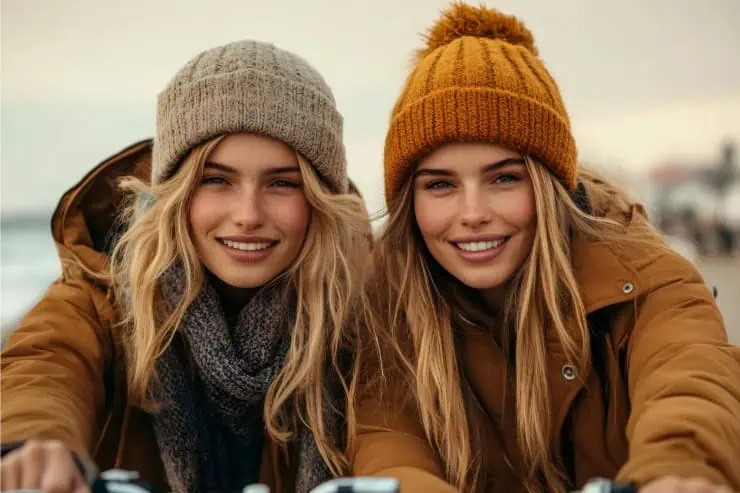
The issue with large scarves isn’t warmth it’s how they sit. Thick fabrics, dense patterns, and voluminous knots add weight directly around the neck and jawline, visually dragging features downward. Gen Z gravitates toward clean necklines, open collars, and simple layers that lift and elongate. A heavy scarf almost always shortens the neck and hides the clavicle (one of the most flattering areas at any age). A modern alternative is a lightweight cashmere wrap draped loosely or a slim scarf worn long instead of tied high.
2. Busy Patterns Clash With Minimal Modern Styling

The classic “statement scarf” is often loud bold prints, vibrant paisleys, multicolor swirls and that level of visual noise competes with everything else you’re wearing. Gen Z style leans into quiet luxury: fewer colors, more texture, clean lines. While pattern will always have a place, exaggerated scarf prints can pull focus in the wrong direction and create a cluttered look. Instead of a centerpiece scarf, today’s fashion uses scarves as texture or tone think monochrome cashmere, ribbed knits, or soft muted stripes. Still interesting, still personal, just more in harmony with the outfit rather than shouting over it.
3. The “Thrown On to Finish the Look” Trick No Longer Works
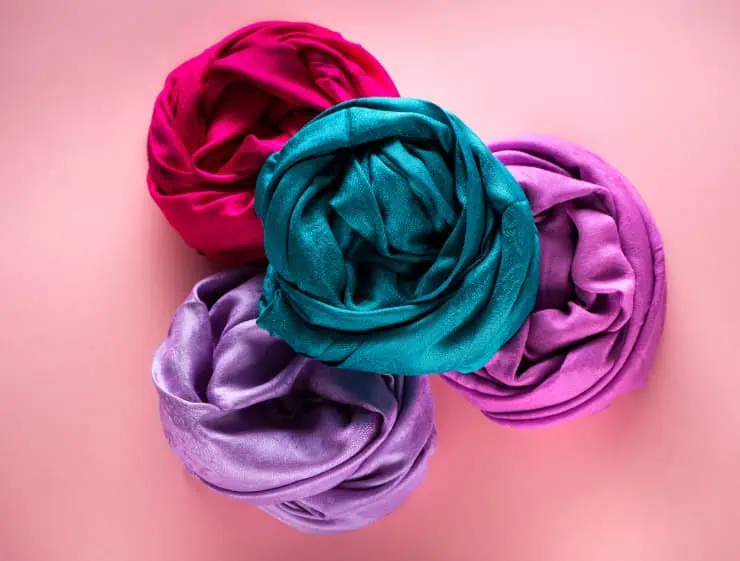
For years, adding a scarf was the trick jeans, sweater, scarf, done. But style has evolved. Millennials and Gen Z finish outfits with jewelry, structure, proportion play, or great shoes instead. A scarf as the automatic “finishing piece” reads predictable. If it’s worn because you felt the outfit needed something, it often means something else is missing: shape, texture, or contrast. Remove the scarf and ask do you need a sharper blazer? A half-tuck? A bolder earring? Suddenly the outfit becomes intentional rather than accessorized by habit. Scarves shouldn’t solve the outfit they should support it.
4. They Can Look Like You’re Hiding Rather Than Styling
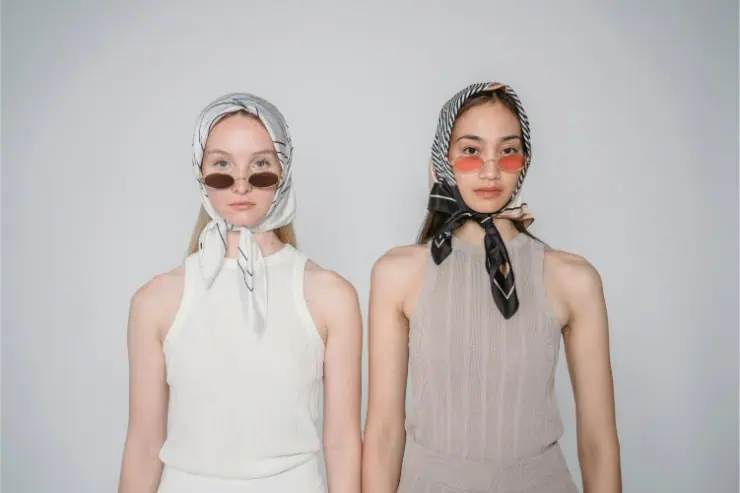
Many women use scarves for coverage: to hide the neck, chest, or upper arms. It’s understandable but modern style celebrates softness, texture, and lived-in beauty rather than concealment. When a scarf feels like armor, it sends the wrong message. Gen Z responds to openness rolled sleeves, visible necklines, relaxed collars. You appear more confident when you’re not hiding. If modesty or warmth is the goal, try high-neck knits, soft turtlenecks, or structured shirts layered under cardigans. These give coverage without signaling insecurity. Confidence is always younger than camouflage.
5. Most People Wear Them the Same Way Every Time
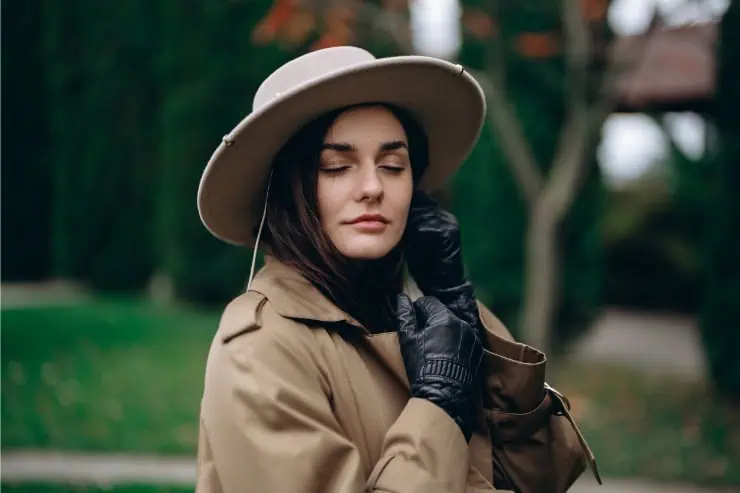
Wrapped, looped, knotted the signature scarf style becomes a uniform. While personal style is wonderful, repetition can become visually stale. Gen Z experiments with silhouettes constantly oversized blazers one day, slouchy knits the next. When scarves become the signature accessory, outfits lose freshness. Even if you love scarves (and don’t want to give them up entirely), variety matters. Try wearing one long and loose, belting a thin scarf under a coat, or tying a silk square on a handbag instead of your neck. The goal isn’t to abandon scarves it’s to break the pattern of predictability.
6. They Date an Outfit Faster Than Almost Anything Else
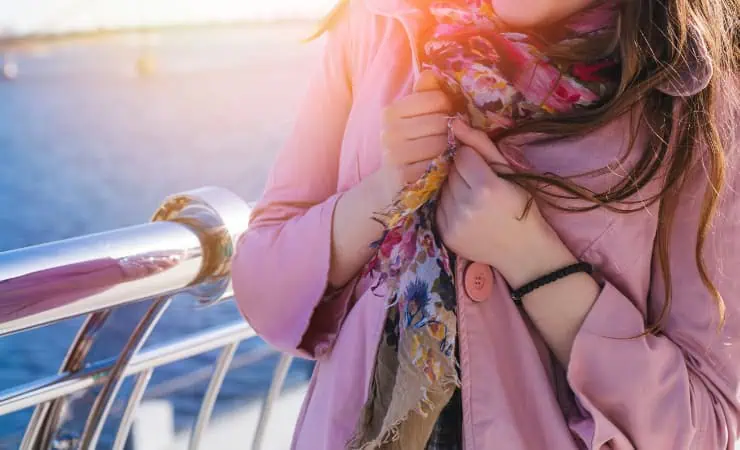
Jeans evolve slowly. Coats evolve seasonally. But scarves? The pattern, size, fabric, even the knot exposes its era instantly. A 2010 infinity scarf looks like 2010. A thick paisley silk screams early 2000s. Meanwhile, modern fashion is all about timeless with a twist. Scarves aren’t banned but statement scarves require intentionality. Keep the ones in classic solids or luxurious fabrics like cashmere and silk crepe. Retire the loud novelty prints and bulky synthetic knits. They aren’t aging because you’re older they’re aging because fashion moved on.
7. A Modern Alternative is Better and Gen Z Sees It Immediately
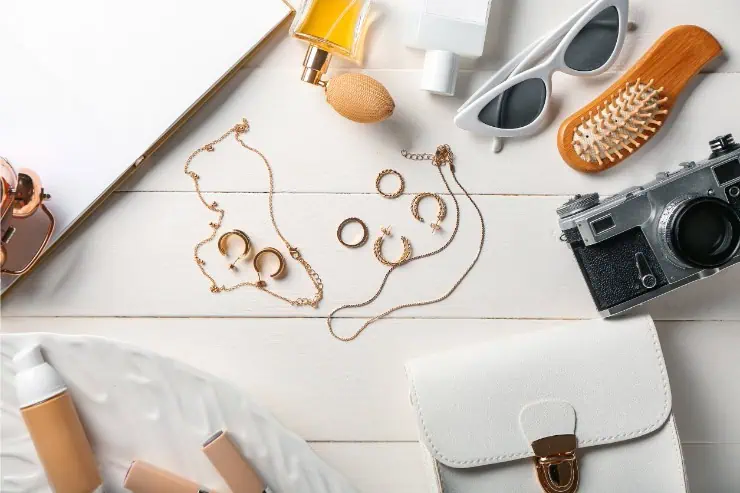
When Gen Z praises style in older women, it’s usually when outfits feel effortless, clean, and elevated. Swap the statement scarf for layered gold necklaces, a crisp collar peeking from knitwear, or a lightweight wool wrap casually draped over the shoulders. These choices feel sophisticated, relaxed, and contemporary. Scarves don’t have to disappear but the loud, thick, look-at-me versions can. Think quiet luxury not decorative distraction. A wardrobe evolves not by losing identity, but by refining it.