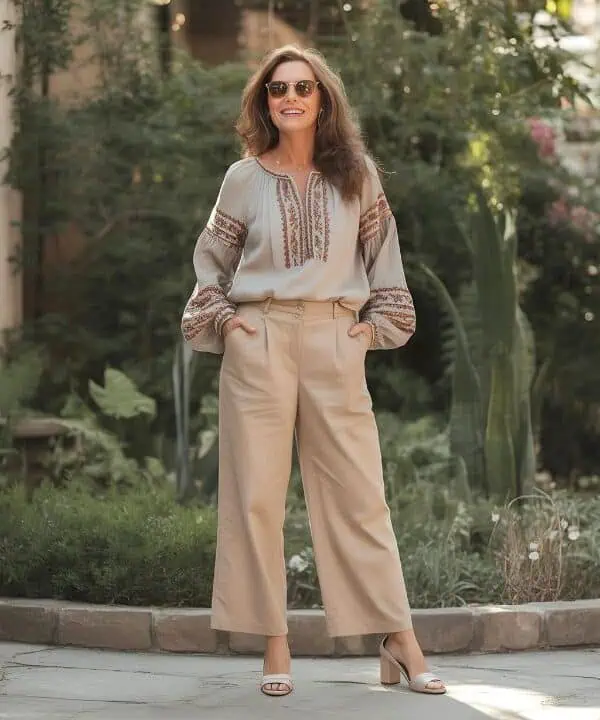
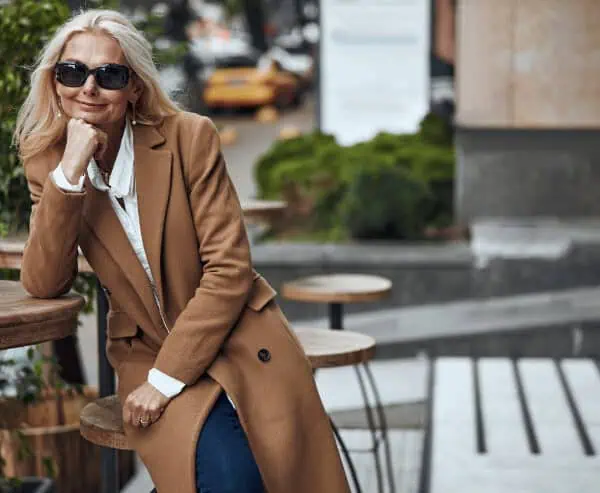
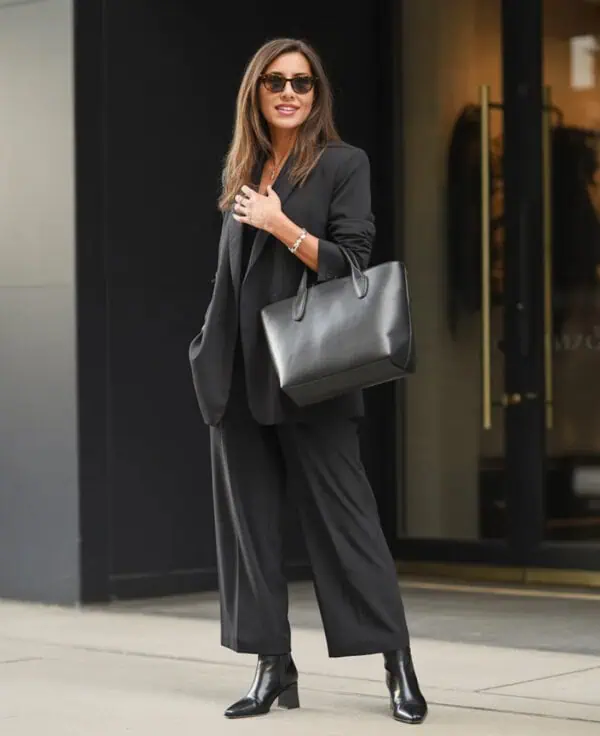
We tend to blame bad hair days when we feel frumpy or older than we are. But more often than not, it’s not your haircut or color that’s aging you it’s the shortcuts you take when getting dressed. These habits develop slowly, usually in the name of convenience, comfort, or efficiency. Over time, they become default choices rather than conscious ones. The problem is that many of these shortcuts signal disengagement rather than ease. Style doesn’t require perfection, but it does require intention. When outfits rely too heavily on autopilot decisions, they begin to read dated, tired, or overly practical.
Table of Contents
1. Wearing the Same Shoe Style with Every Outfit
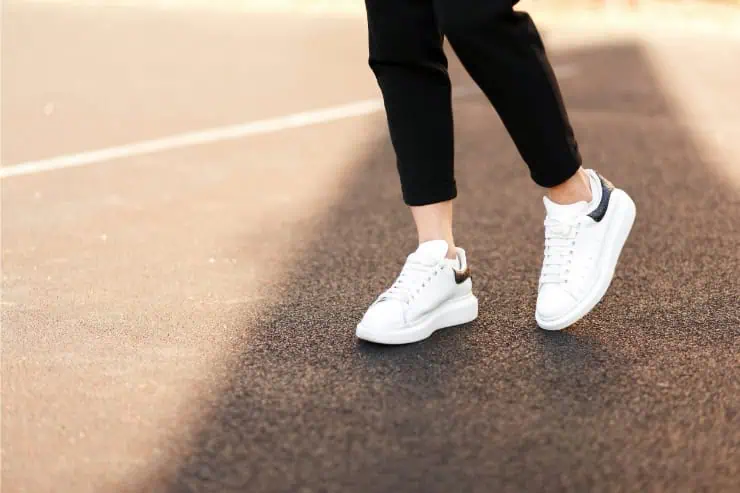
Default shoes are one of the fastest ways to age your look. Whether it’s the same pair of black flats, comfort sneakers, or low wedges, wearing one shoe style with everything flattens your wardrobe and locks your outfits into a visual rut. Shoes dictate the tone of an outfit more than most people realize. When footwear never changes, outfits stop feeling intentional and start feeling habitual. This shortcut often develops because the shoes are comfortable and familiar but comfort without consideration reads as stagnation. Rotating even two or three distinct shoe styles instantly modernizes your look and signals awareness, not effort.
2. Relying on Oversized, Shapeless Layers
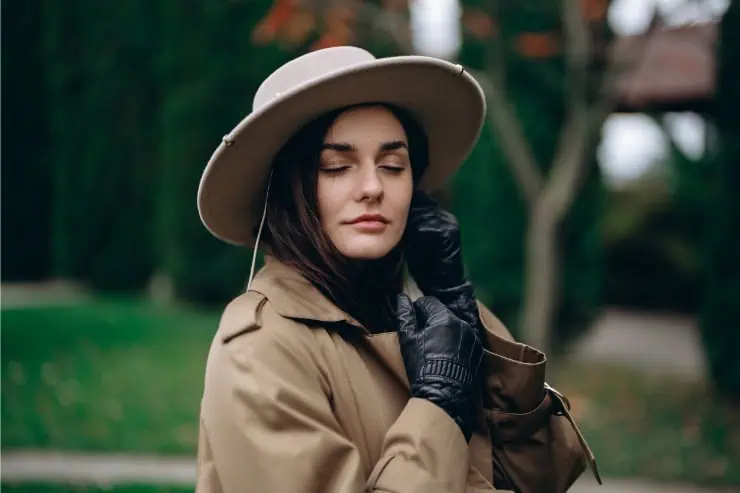
Oversized layers are often used to hide perceived flaws or to feel comfortable, but when they lack structure, they can make you look older and heavier than you are. Shapeless cardigans, longline knits, and droopy jackets remove definition from your silhouette and blur proportions. Over time, this shortcut becomes a uniform one that communicates retreat rather than confidence. The issue isn’t looseness; it’s lack of shape. Without any contrast or structure, outfits lose energy and intention. Clothing that hangs without direction often reads tired, even when it’s new.
3. Choosing “Safe” Neutrals Only
Neutral colors are timeless, but relying on the same safe neutrals exclusively especially black, beige, or grey can quietly age your style. When colors never change, outfits can feel flat and conservative rather than refined. This shortcut usually comes from wanting everything to match easily, but ease without variation can read dated. Modern style uses neutrals with depth: warmer undertones, richer shades, and intentional contrast. Wearing the exact same palette year after year signals habit, not timelessness.
4. Skipping Tailoring Entirely
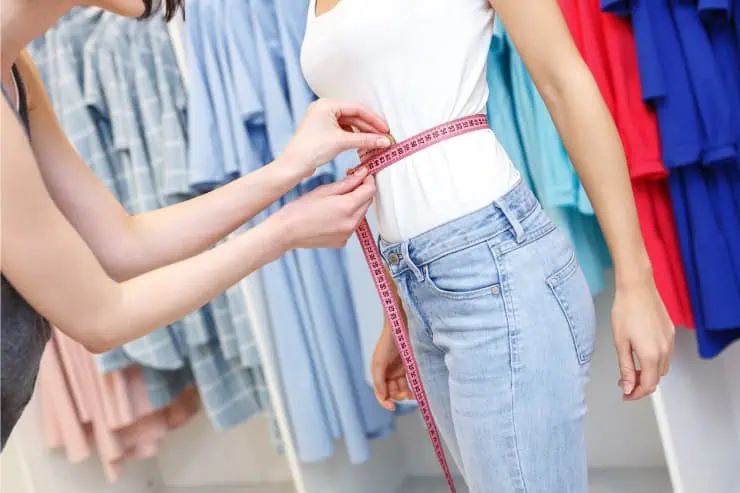
Ill-fitting clothes age faster than any trend ever could. Baggy shoulders, too long hems, sagging waistlines, and sleeves that swallow your hands all signal neglect rather than ease. Skipping tailoring is a common shortcut because it feels unnecessary or intimidating, but the visual impact is enormous. Clothes that don’t fit properly look borrowed, outdated, or tired no matter how expensive they are. Proper fit communicates care and self-awareness, two qualities strongly associated with looking modern and confident.
5. Carrying an Overstuffed, Worn Bag
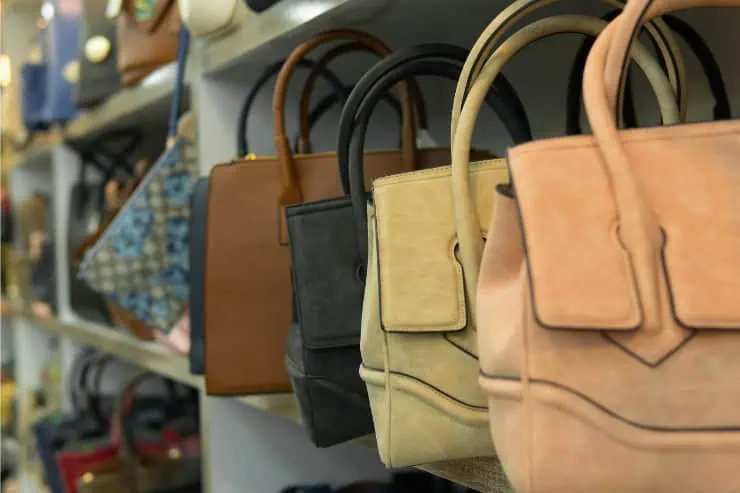
An overfilled, sagging handbag is one of the most aging accessories in a wardrobe. Practical bags often become catchalls, stretching out of shape and showing wear quickly. Even if the rest of your outfit is polished, a tired bag drags everything down. This shortcut is rooted in convenience carrying everything “just in case” but it visually reads as disorganization. Bags are highly visible style signals. When they look worn or overloaded, they suggest you’re prioritizing function at the expense of intention.
6. Defaulting to the Same Outfit Formula
Outfit formulas are helpful, but when they’re never questioned, they become aging shortcuts. The same jeans, same top shape, same layer, same shoes worn repeatedly create visual sameness. Over time, this sameness reads as being stuck. Style evolves not through constant shopping, but through small shifts in proportion, texture, or silhouette. When your outfits never change, they stop reflecting who you are now. Familiarity can be comforting, but visually, it often looks dated.
7. Dressing for Comfort Without Finishing the Look
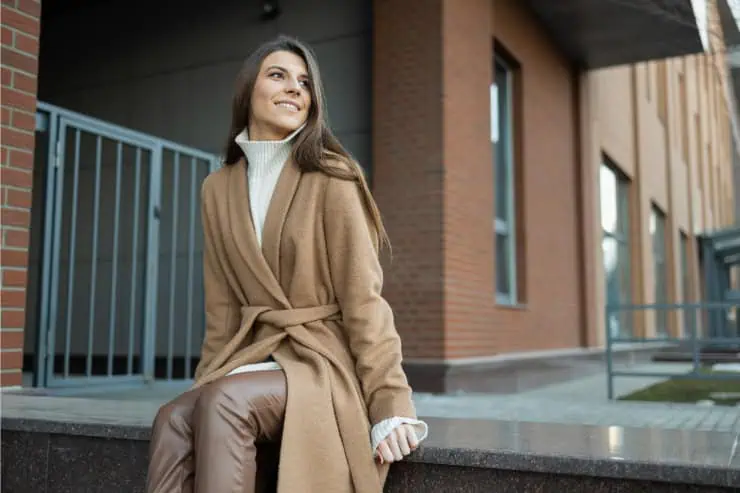
Comfort first dressing isn’t the problem unfinished dressing is. Elastic waistbands, soft knits, and relaxed silhouettes can look chic when styled intentionally. But when comfort pieces are worn without polish no structure, no contrast, no finishing details they resemble loungewear rather than style. This shortcut often appears on busy days and slowly becomes the norm. The absence of finishing touches is what ages the look. Even comfortable outfits need one element that signals intention.