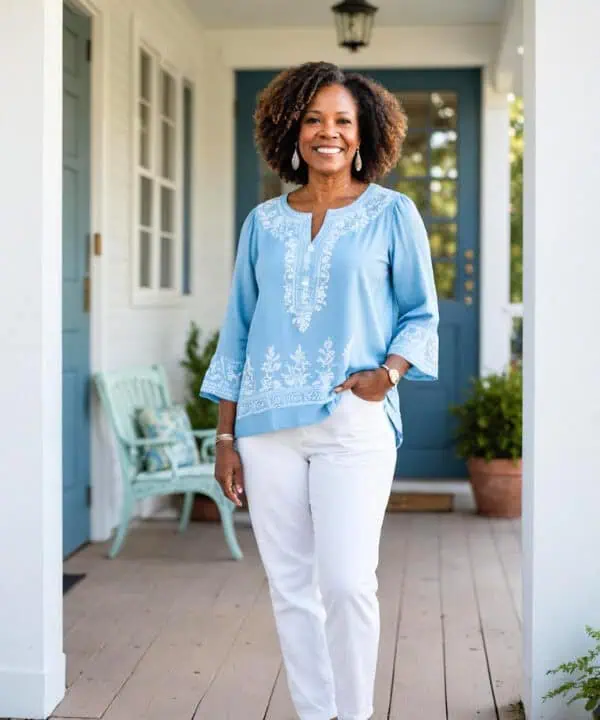
There’s a fine line between an outfit that feels styled and one that feels strained. In 2026, the distinction matters more than ever. As fashion shifts toward restraint and personal clarity, try-hard dressing stands out immediately. It often comes from stacking too many ideas, trends, or statements into one look. Thought-out outfits, by contrast, feel calm. They give the impression that the wearer knows exactly what they’re doing even when the outfit itself is simple. The difference isn’t effort, but editing. These seven fashion choices are subtle, practical, and repeatable. They’re not about chasing trends or perfection, but about making decisions that communicate intention without noise.
Table of Contents
1. Limiting the Outfit to One Clear Idea
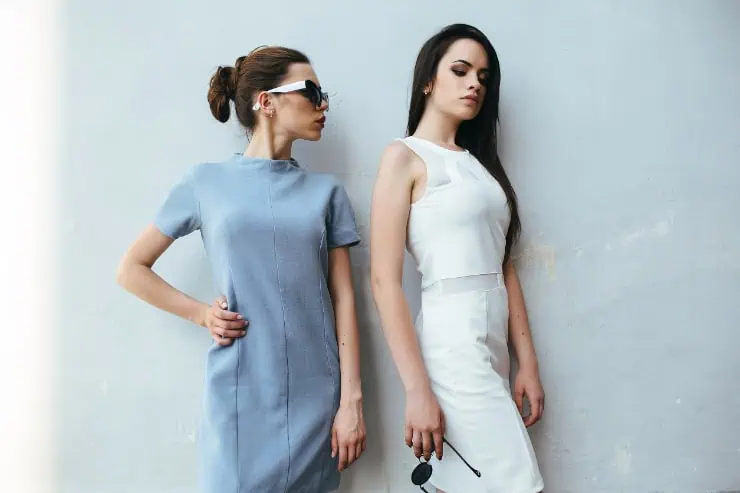
Thought-out outfits almost always revolve around a single concept. This could be a color story, a silhouette, or a focal piece. Try-hard outfits often stack multiple ideas at once, creating visual confusion. Choosing one direction and committing to it creates clarity. Everything else in the outfit plays a supporting role. This restraint signals confidence. It shows the wearer isn’t trying to impress with volume, but with coherence. In 2026, simplicity paired with focus reads as far more stylish than excess.
2. Choosing Fit Over Flash
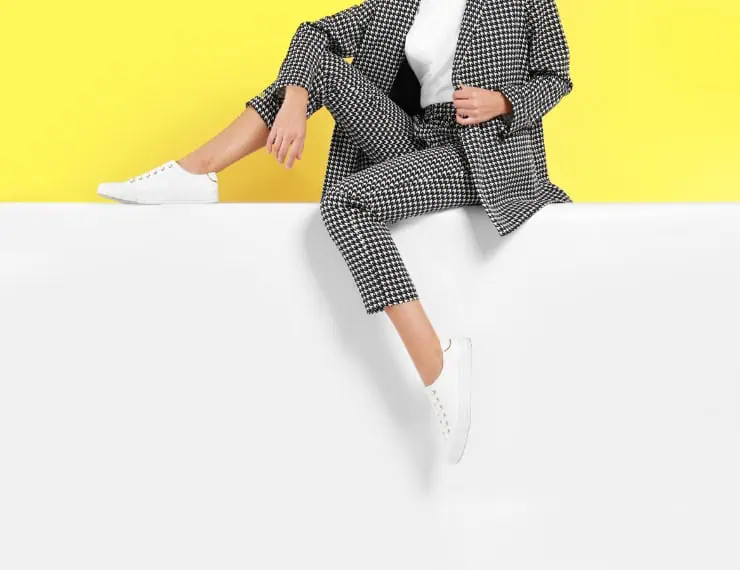
A perfectly fitting garment will always look more intentional than a trendy piece that doesn’t sit right. Stylists notice fit immediately. Try-hard outfits often rely on statement pieces to distract from fit issues. Thought-out outfits do the opposite. They let fit lead. Clothes that move naturally with the body look calm and assured. They don’t need explanation. In an era where fashion is quieter, fit becomes the loudest signal of quality and intention.
3. Editing Accessories Ruthlessly
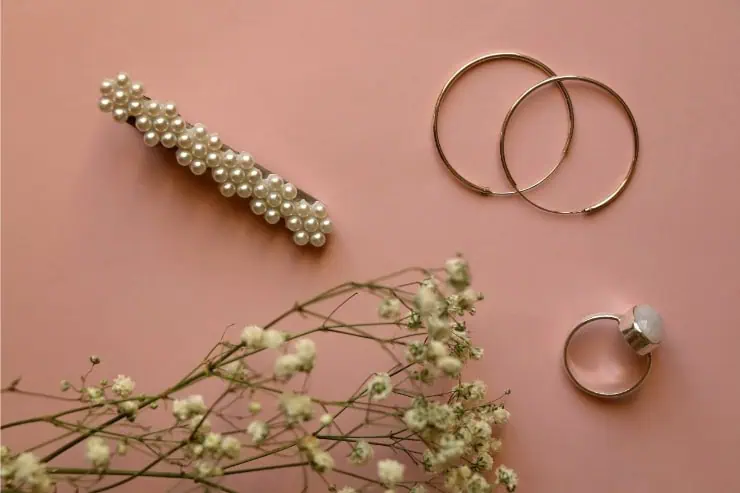
Accessories can elevate or overwhelm. Thought-out outfits use accessories sparingly and purposefully. Try-hard outfits often over-accessorize, layering pieces until none of them stand out. In 2026, one strong accessory is usually enough. This might be a distinctive shoe, a sculptural bag, or a bold piece of jewelry. Editing accessories shows confidence. It suggests the wearer understands when to stop. Restraint is what allows accessories to feel meaningful rather than performative.
4. Repeating Elements Intentionally
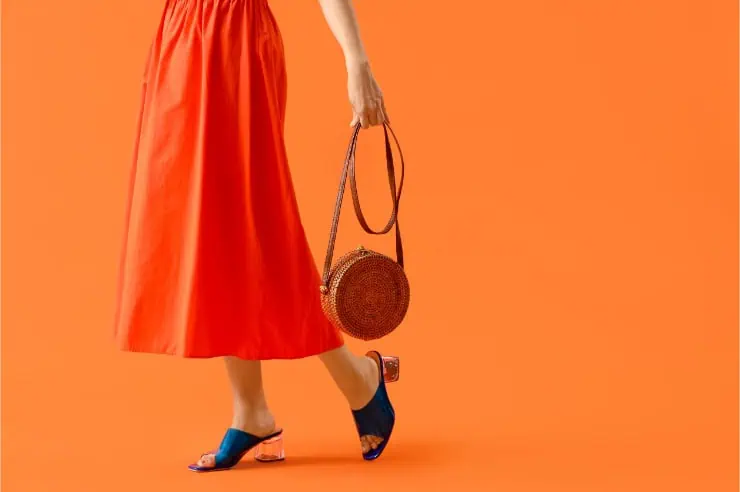
Repetition is a quiet styling tool that signals thoughtfulness. This could mean echoing a color from top to shoe, repeating a texture, or aligning metal tones. These small echoes create cohesion. Try-hard outfits often introduce too many unrelated elements, breaking visual flow. Thought-out outfits feel connected from head to toe. The repetition doesn’t need to be obvious it just needs to exist. This subtle consistency is often felt before it’s consciously noticed.
5. Prioritizing Proportion Over Trends
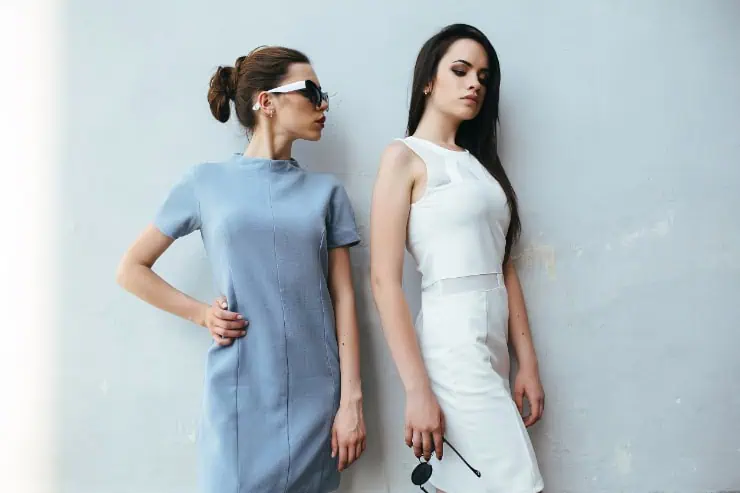
Trends come and go, but proportion is timeless. Thought-out outfits pay attention to balance volume on top versus bottom, length relationships, and where the eye rests. Try-hard outfits often chase silhouettes without considering how they interact with the wearer’s body. In 2026, modern style favors proportion that feels intentional rather than extreme. Adjusting lengths or volume slightly can transform an outfit’s impact. This choice signals awareness rather than imitation.
6. Wearing Familiar Pieces in Fresh Ways
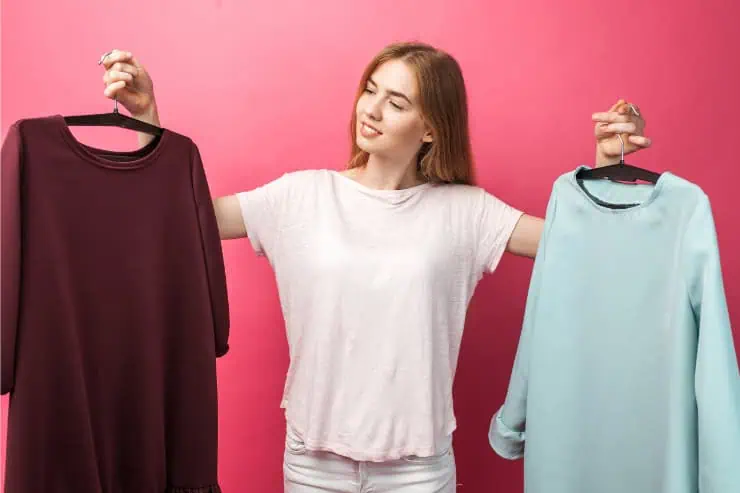
Thought-out outfits often rely on familiar wardrobe staples, styled with subtle variation. This might mean changing the shoe, altering the tuck, or adjusting layering. Try-hard outfits often depend on novelty. In contrast, repetition with intention reads as confidence. Wearing known pieces differently shows understanding of personal style. It suggests the wearer isn’t dressing for approval, but for alignment. This approach feels modern and grounded.
7. Stopping Before the Outfit Feels Complete

One of the most overlooked fashion choices is knowing when to stop. Thought-out outfits often feel finished slightly before the wearer expects them to. Try-hard outfits push past that point, adding just one more element. In 2026, restraint is read as sophistication. Leaving space visually and stylistically allows an outfit to breathe. That pause is what makes a look feel effortless. Knowing when to stop is often the clearest sign of style maturity.