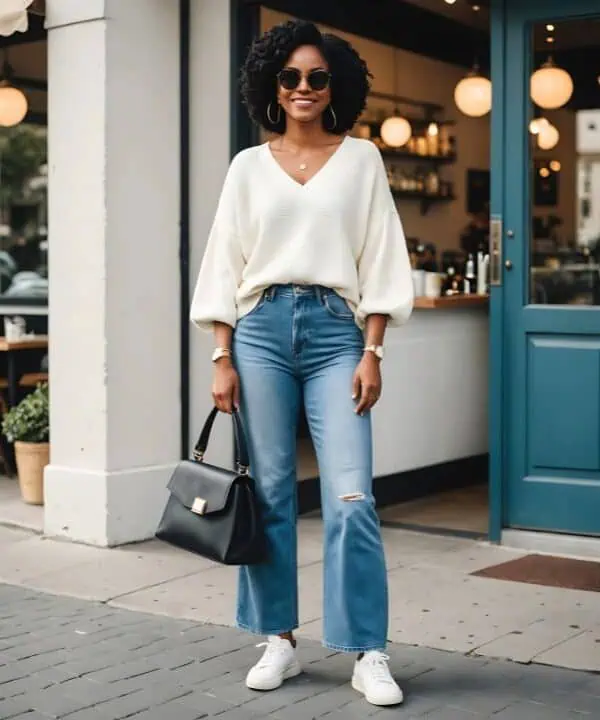
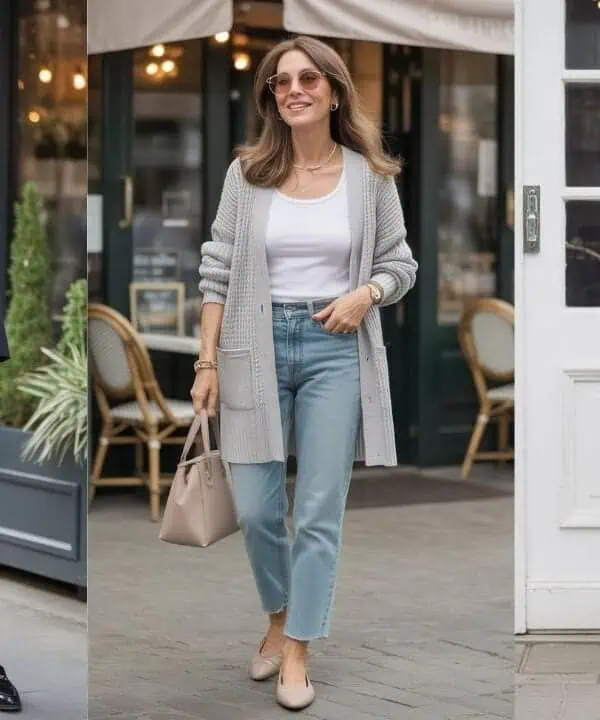
Winter fashion can easily slip into a sea of gray, black, and navy, leaving outfits feeling heavy or uninspired. While neutrals are timeless, too much of them without contrast or warmth can drain color from your complexion and dull your overall style. The trick isn’t abandoning neutrals altogether it’s learning how to mix tones, textures, and accents so your look feels alive and polished. For women over 50, the right color balance brings instant brightness to the skin and elevates even the simplest pieces. Here are seven color mistakes that can make winter outfits look flat and how to fix them beautifully.
Table of Contents
1. Relying Too Much on Black

Black is elegant, slimming, and easy but when overused, it can look harsh in winter light and emphasize dullness in the complexion. Many women default to black because it feels safe, yet without contrast, it can flatten your look. Instead, try mixing in charcoal, espresso, or navy for depth and variety. Layering softer tones or adding a textured scarf in ivory or blush can bring warmth back to your face. The goal is to soften black’s severity while keeping its sophistication balance, not banishment, is the secret to modern winter dressing.
2. Ignoring Undertones
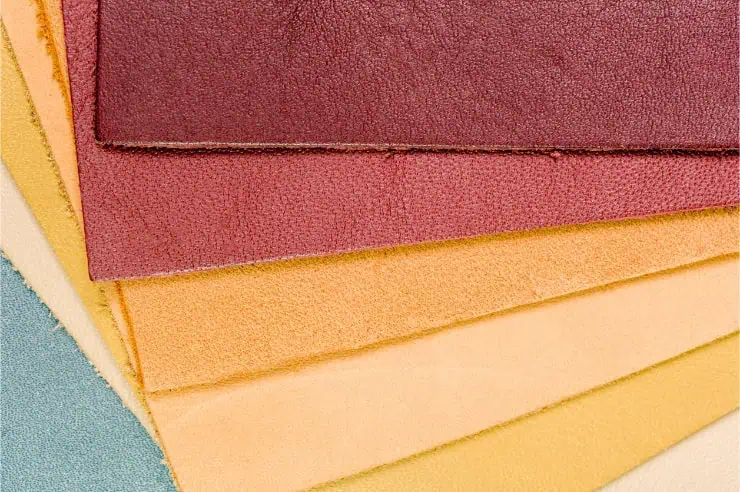
Not every winter shade flatters every undertone. Cool-toned complexions glow in icy blues and jewel purples, while warmer skin tones thrive in camel, rust, or olive. Wearing the wrong undertone like a cool gray when you’re warm-toned can make your skin appear tired or washed out. When in doubt, hold the color near your face in natural light; if it brightens your skin and eyes, it’s right. Building your winter palette around undertones ensures every outfit harmonizes naturally with your complexion, creating radiance rather than dullness.
3. Avoiding Color Altogether

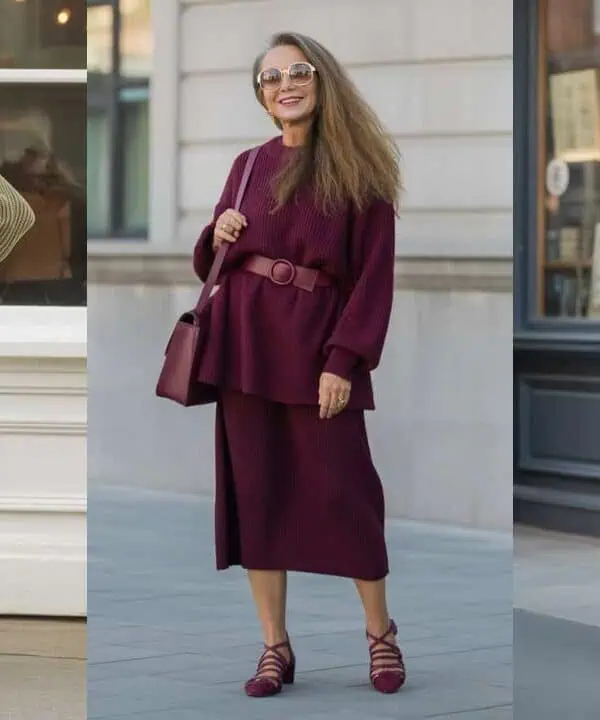
Many women retreat into monochrome wardrobes in colder months, believing color feels out of season. Yet introducing subtle shades like burgundy, deep teal, or forest green can instantly lift your mood and outfit. Color doesn’t have to be loud; even a muted accent scarf, belt, or bag can transform neutrals into something striking. The key is choosing tones that complement winter fabrics like wool or cashmere. These deeper hues add richness and personality, breaking up monotony without feeling forced or flashy. Color, used thoughtfully, brings warmth to the coldest days.
4. Mixing Too Many Cool Shades

Layering multiple cool tones think gray, navy, and icy blue can sometimes make an outfit appear flat and cold. Without warmth to anchor the look, the overall effect lacks contrast. The solution? Introduce one warm accent, like a camel coat, tan boots, or a gold-toned accessory, to rebalance the palette. Even a touch of warmth like a chestnut leather belt can make cool colors pop and feel more dimensional. Contrast is key to keeping winter looks vibrant rather than muted.
5. Forgetting About Texture Contrast
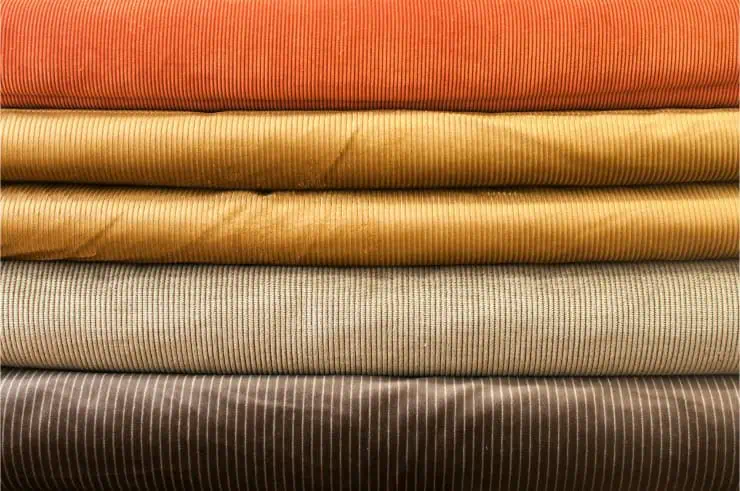
Color isn’t just about hue it’s about how materials interact with light. Wearing only matte fabrics in similar tones can make an outfit appear lifeless. Adding texture variation like pairing wool with silk, or suede with metallic threading creates visual depth. Even a soft sheen in a scarf or a leather finish on a handbag can make neutrals feel more dynamic. Texture acts as a substitute for color in the winter months, catching light and creating interest when palettes lean muted. It’s the silent stylist’s trick for vibrancy without boldness.
6. Wearing the Wrong Shade of White
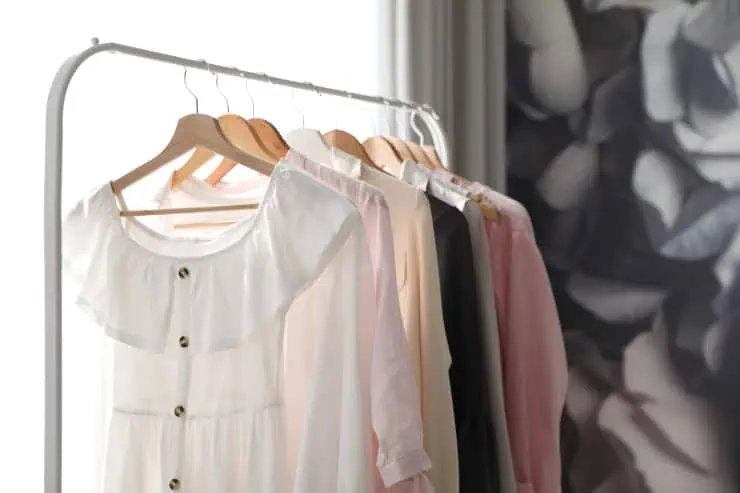
White in winter can be beautiful but choosing the wrong shade can clash with your natural tones. Bright, stark white can appear too clinical or harsh, while creamy ivory or soft winter white adds warmth and sophistication. The right white brightens your face rather than washing it out. Pair ivory with camel or gray for timeless combinations, or layer multiple off-whites for a tonal, polished effect. It’s a subtle shift that makes a noticeable difference, especially under soft winter lighting.
7. Overlooking Accessories for Color Balance

Accessories are often where color harmony falls apart or where it can shine. A great bag, hat, or glove can make an outfit cohesive, but mismatched tones can quickly disrupt the flow. Stick to a palette of three complementary shades in your wardrobe so your accessories always tie in. Try a pop of color through jewelry or scarves that enhance your undertones. These small choices elevate simple outfits and make them feel curated. Thoughtful color placement creates balance and ensures your winter look never fades into the background.