Many women over 60 find themselves navigating a maze of style advice that emphasizes “age-appropriate” dressing, often at the expense of personal expression. The truth is, fashion doesn’t have an expiration date clothes should highlight personality, lifestyle, and confidence rather than a number. Over decades, countless myths have emerged, from “no bright colors” to “stick to conservative silhouettes,” which can leave wardrobes feeling dull or restrictive. By challenging these assumptions, women can embrace pieces that make them feel powerful, joyful, and stylish while maintaining comfort and elegance. Understanding which rules truly matter and which are outdated empowers a more thoughtful, modern approach to dressing after 60.
Table of Contents
1. Bright Colors Are Off Limits

One of the most persistent myths is that women over 60 should avoid bright colors, assuming they appear youthful or “gimmicky.” In reality, vibrant shades when balanced with neutrals can energize an outfit and highlight features like skin tone or hair color. A bold cobalt blouse, emerald green jacket, or bright accessory can create striking contrast without overwhelming. The key is proportion and pairing: one statement piece paired with neutrals avoids excess. Bright colors communicate confidence and modernity, demonstrating that wardrobe choices aren’t about age restriction but self-expression. Women over 60 can and should embrace color thoughtfully to refresh style effortlessly.
2. Skinny Jeans Are Too Youthful

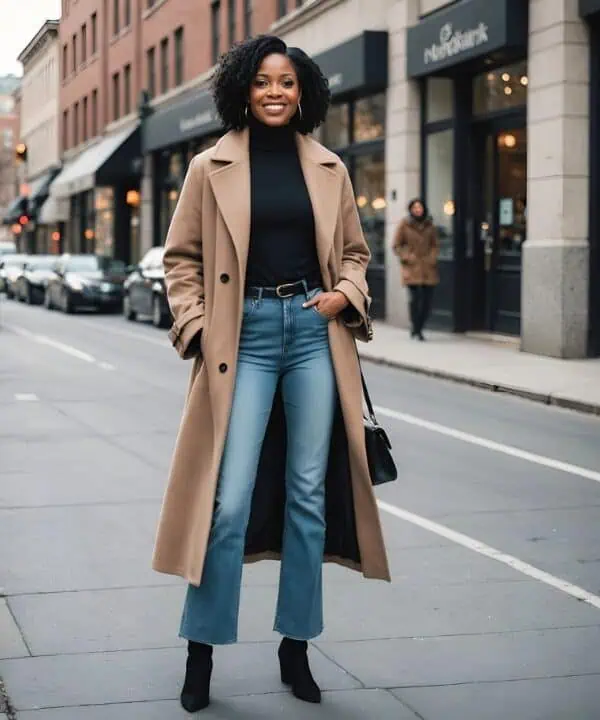
Another myth claims that skinny jeans are only for younger women. The truth is, fit matters more than age. High-rise, dark-wash skinnies with a structured waistband can flatter curves, elongate legs, and pair beautifully with tunics, blazers, or knits. The trick lies in balance: combine slimmer silhouettes with longer or looser tops for proportion. Well-constructed skinny jeans are versatile for casual outings or polished looks alike, proving that age shouldn’t limit denim options. Choosing supportive, high-quality fabrics ensures comfort and a refined look, making “skinny” a style choice rather than a youthful prescription.
3. Avoid Patterns and Prints
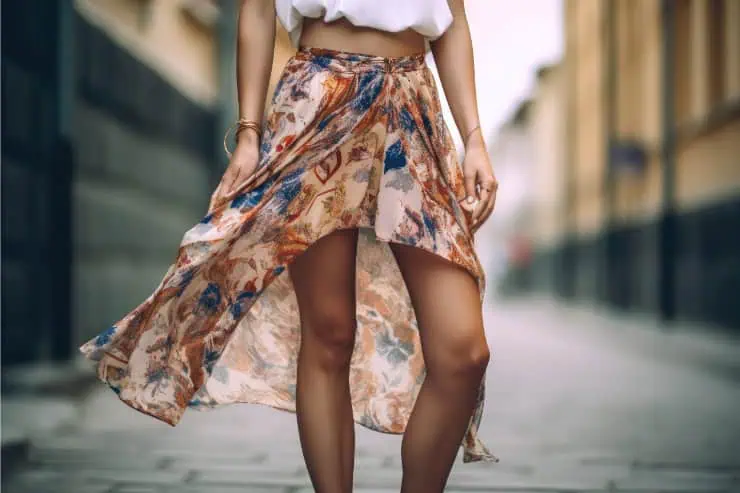
Many older women are told to stick to solids to maintain sophistication. However, well-chosen prints and patterns can add personality and dimension without feeling juvenile. Vertical stripes, muted florals, and geometric motifs can elongate the body or highlight favorite features. Pair patterns with neutrals to maintain elegance, or use smaller prints for subtlety. Avoiding prints altogether can make outfits look flat and uninspired. Thoughtful selection ensures that patterns convey intentionality and style, proving that prints are a timeless tool for wardrobe versatility rather than an age-limiting risk.
4. Comfort Means Baggy Clothing
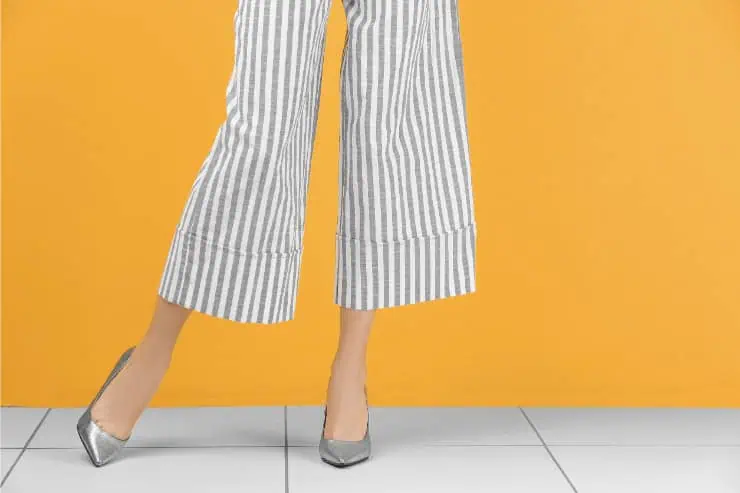
The idea that comfort equals oversized or shapeless garments is misleading. Comfortable fabrics and cuts can still provide structure and elegance. Stretch blend knits, tailored trousers, and fluid dresses can move with the body without sacrificing shape. Baggy clothing often adds visual weight and hides flattering lines, while well-fitting, breathable pieces enhance posture and confidence. Comfort is about ease, not volume. Women over 60 can prioritize fabrics and fit simultaneously, achieving a polished look that feels effortless rather than hidden. Proper tailoring ensures clothing supports the body gracefully, balancing comfort and refinement.
5. Age Requires Neutral Only Wardrobes
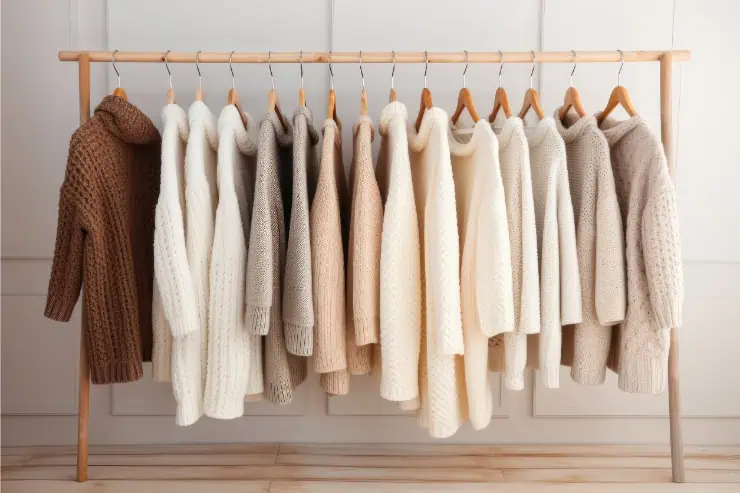
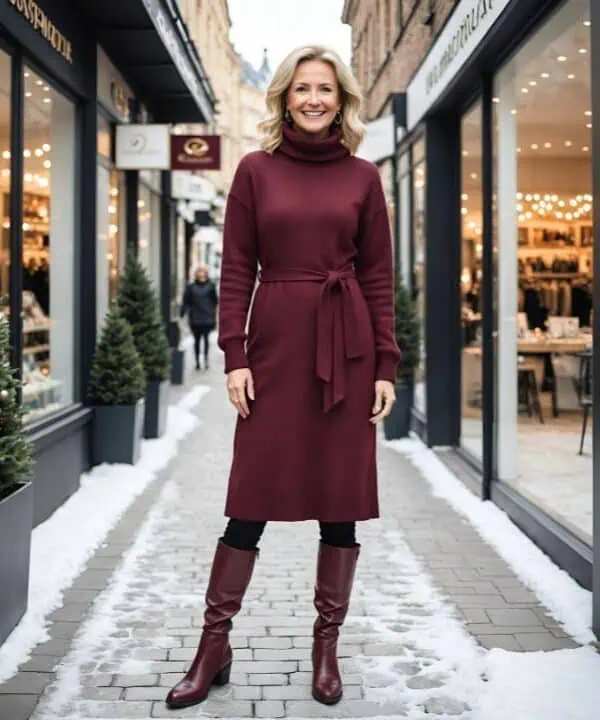
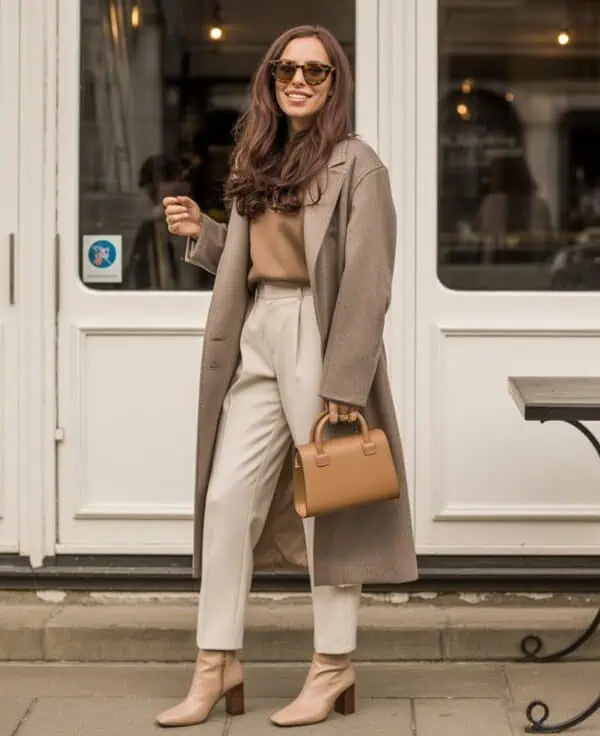
Finally, many women believe their closet must consist solely of muted, neutral colors. While neutrals provide versatility, incorporating accent colors, metallics, or jewel tones keeps a wardrobe lively and modern. Strategic pops of color in accessories, shoes, or blouses create interest without overwhelming the silhouette. Restricting the palette unnecessarily limits outfit combinations and self expression. Women over 60 who experiment with controlled color can enjoy a dynamic, engaging wardrobe that feels contemporary and personal. The lesson: age does not dictate a color palette style choices should reflect individuality, not arbitrary rules.