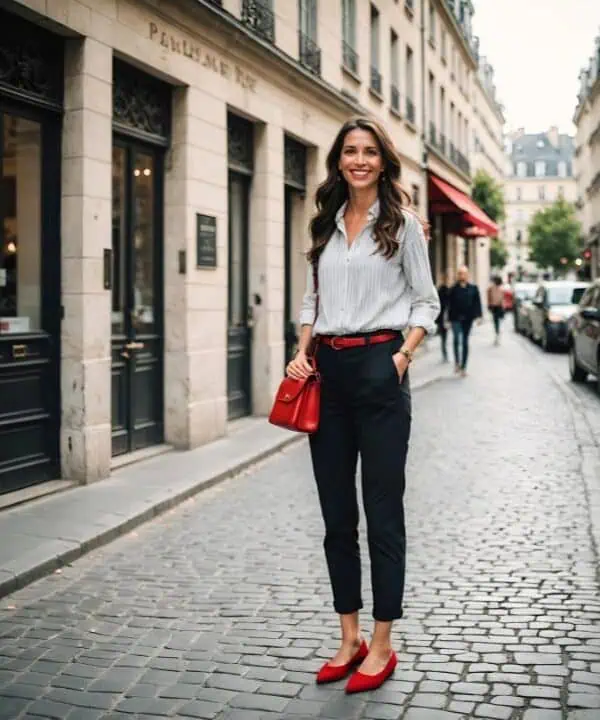
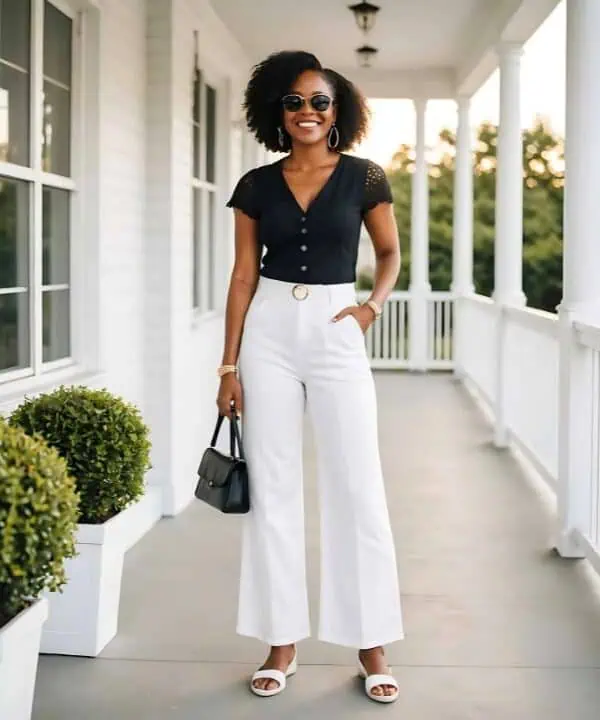
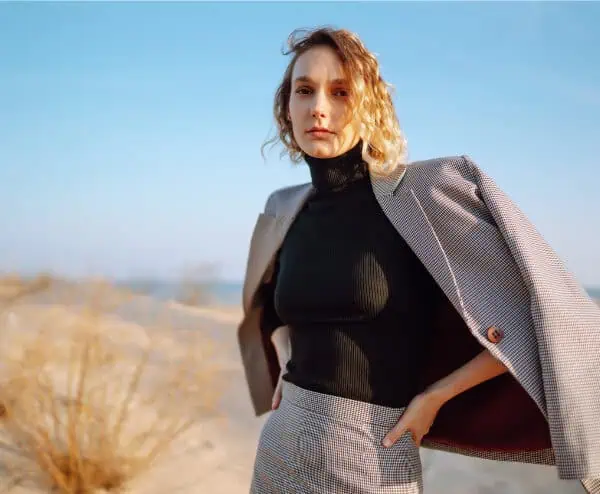
Stylists don’t look at outfits the way most people do. While trends, labels, or standout pieces might catch the public eye, professionals are trained to notice quieter signals first. These details rarely get discussed because they’re not flashy, easy to explain, or trend-based. Yet they often determine whether an outfit feels polished, current, and intentional or slightly off. In 2026, as fashion grows more restrained and personal style takes precedence, these details carry even more weight. They’re the difference between wearing clothes and styling them.
Table of Contents
1. Where the Outfit Breaks the Body
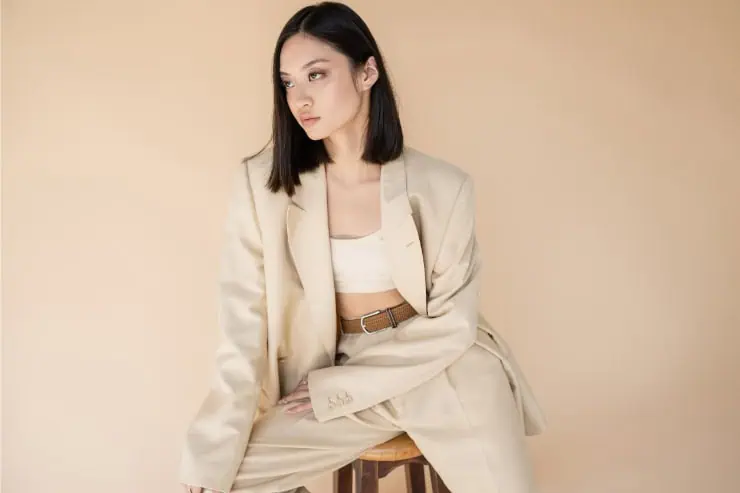
One of the first things stylists notice is where an outfit visually divides the body. Hemlines, waist placement, sleeve length, and pant breaks all create visual pauses. If these breaks fall in awkward places, the outfit feels off no matter how good the pieces are individually. Stylists pay attention to whether the eye moves smoothly or gets interrupted. An outfit that cuts the body at unintentional points can shorten the silhouette or create imbalance. This detail often goes unnoticed by the wearer, but it’s immediately visible to a trained eye. Adjusting where garments end can completely recalibrate an outfit without changing any pieces.
2. The Relationship Between Shoes and Pants
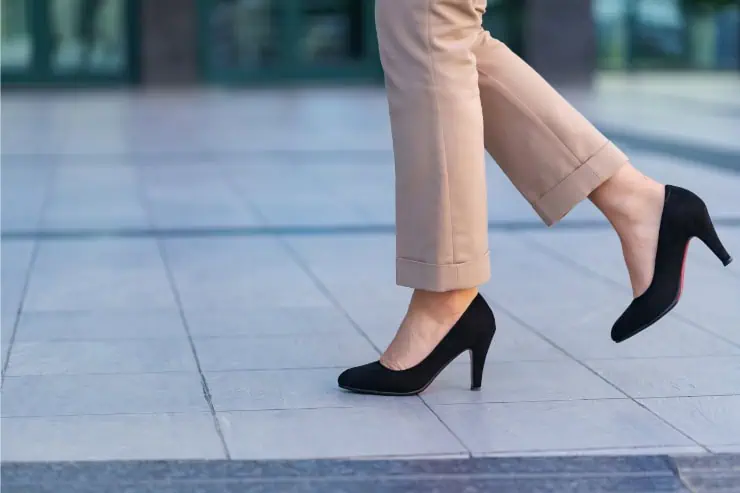
Stylists always look at the shoe pant relationship. This includes length, width, and how the fabric meets the shoe. Pants that bunch awkwardly, hit too high, or fight the shoe shape instantly signal a styling issue. In 2026, this relationship matters more than ever because silhouettes are cleaner and more intentional. The wrong shoe can make even modern trousers feel dated. Stylists notice whether the shoe supports the overall proportion or disrupts it. This is one of the fastest ways they assess whether an outfit is thoughtfully styled or simply assembled.
3. Fabric Tension and Pulling
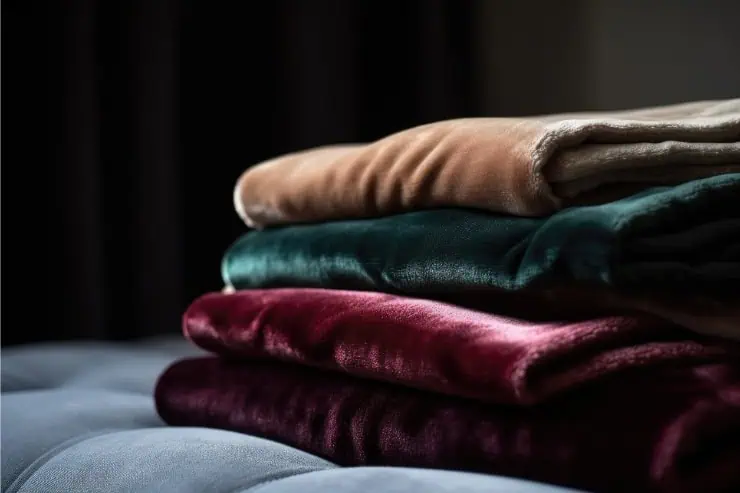
Before noticing color or trend relevance, stylists notice fabric behavior. Pulling at buttons, strain across hips, twisting seams, or collapsing shoulders all communicate fit issues. Even subtle tension changes how an outfit reads. Stylists are trained to see where fabric is working against the body rather than with it. This detail often explains why an outfit feels uncomfortable or looks less polished than expected. In simple outfits especially, fabric tension is impossible to hide. Proper fit and fabric choice matter far more than most people realize.
4. Whether the Outfit Looks Chosen or Default
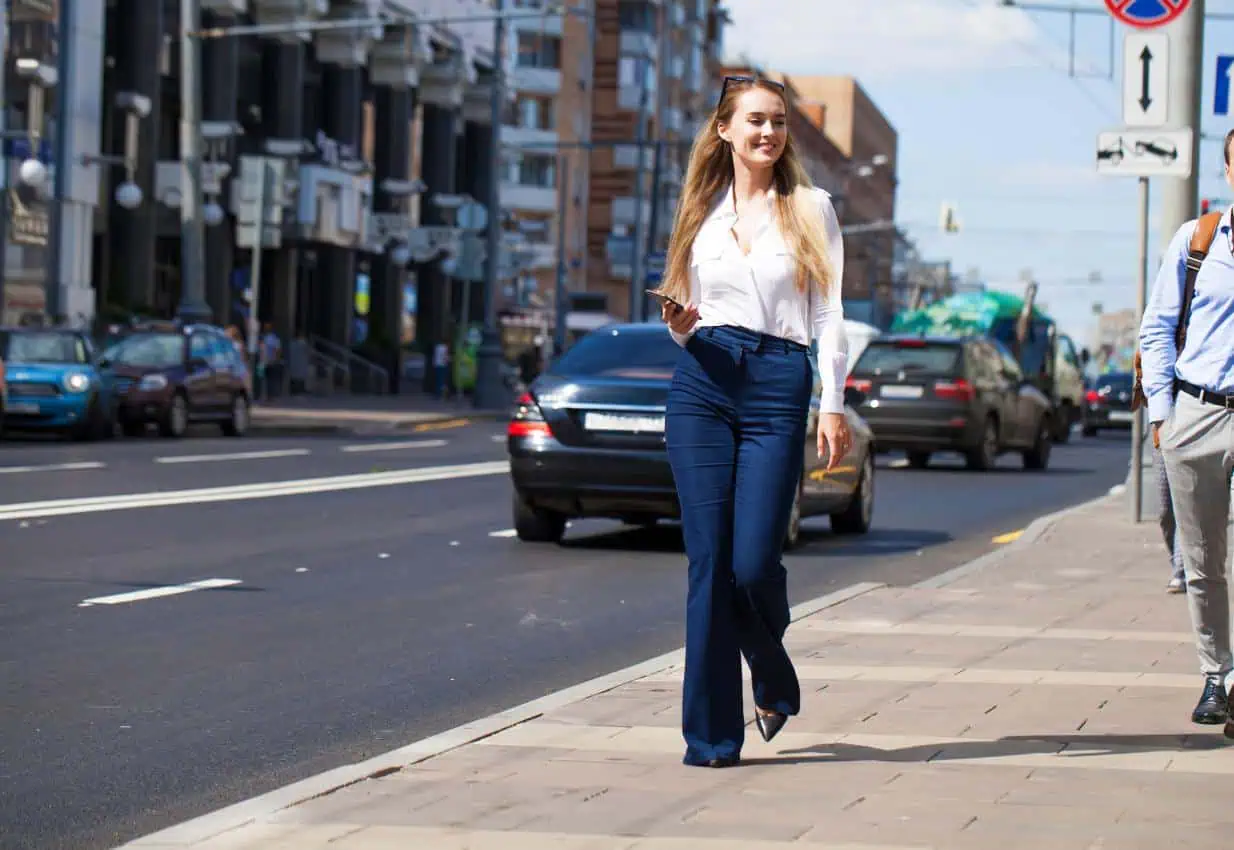
Stylists can immediately tell when an outfit was chosen intentionally versus worn out of habit. Default outfits often rely on familiar formulas without adjustment same shapes, same colors, same combinations. Chosen outfits show signs of decision-making, even when they’re simple. This might be a deliberate proportion, a specific shoe choice, or a restrained accessory. Stylists notice intention more than effort. An outfit doesn’t need to be bold to look chosen it just needs clarity. This distinction is subtle, but it’s one of the strongest indicators of personal style.
5. Grooming in Relation to the Outfit
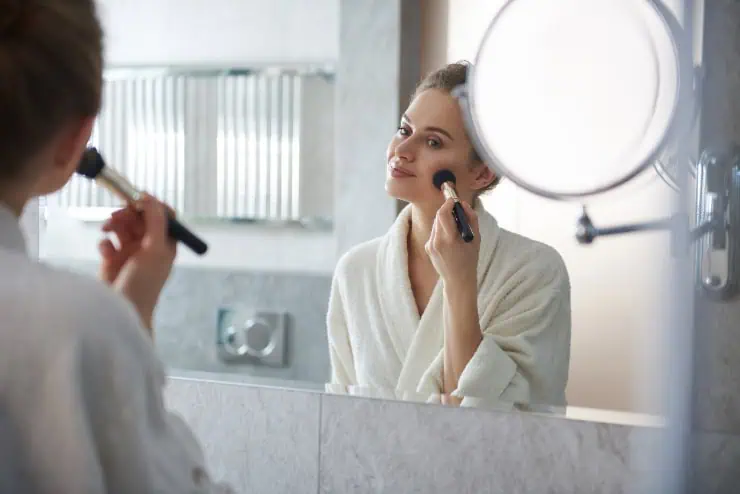
Stylists don’t look at clothes in isolation. Hair, makeup, and overall grooming are read in direct relation to the outfit. A polished outfit paired with rushed grooming or vice versa creates imbalance. Stylists immediately register whether these elements are aligned. In 2026, grooming doesn’t need to be elaborate, but it does need to be intentional. Clean, considered grooming supports even the simplest outfit. When grooming feels disconnected, the entire look suffers. This is one of the most overlooked aspects of styling, yet it’s one of the most visible.
6. The Absence (or Excess) of Editing
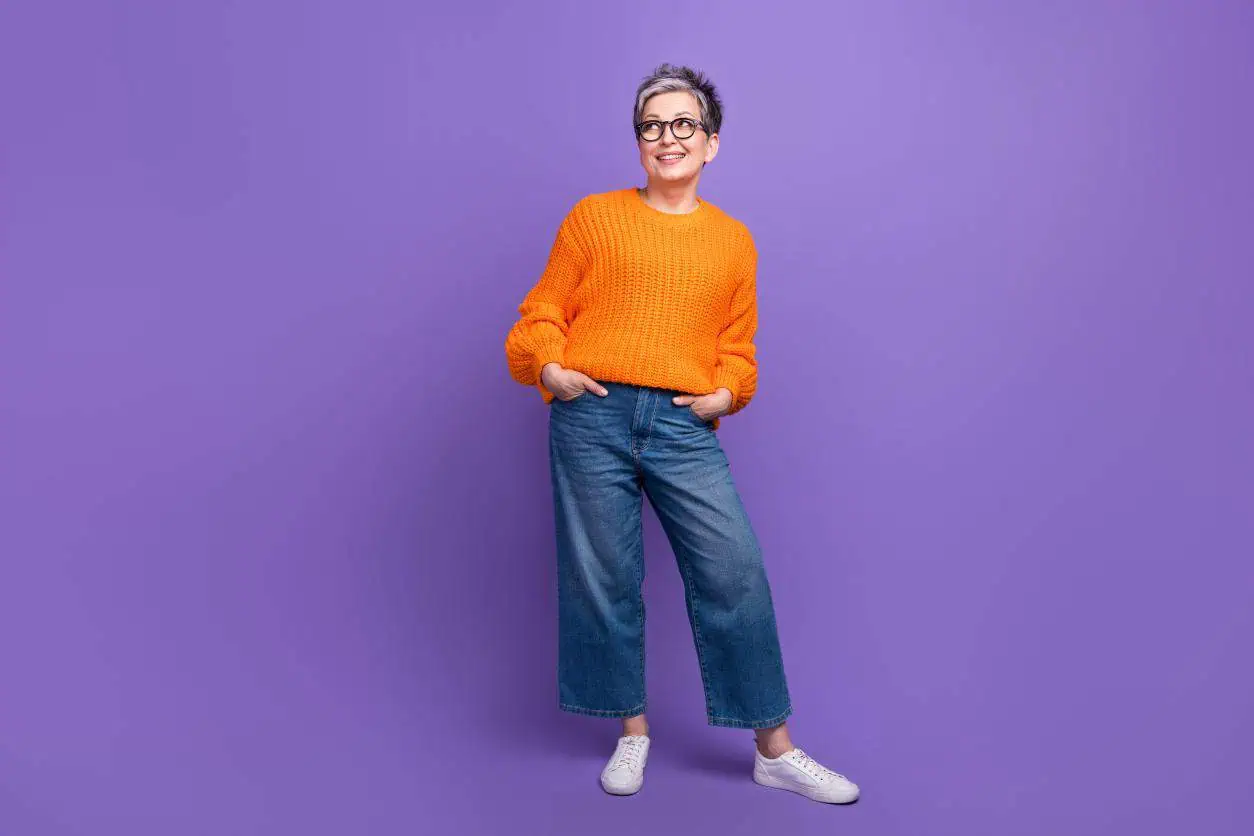
Finally, stylists notice what’s missing or what didn’t need to be there. Over accessorizing, unnecessary layers, or competing focal points dilute an outfit’s impact. Conversely, an outfit missing a finishing element can feel incomplete. Editing is what separates styling from dressing. Stylists are trained to remove before they add. They notice restraint immediately. In today’s quieter fashion landscape, editing is often the strongest signal of confidence. An outfit that feels resolved without excess stands out precisely because nothing is fighting for attention.