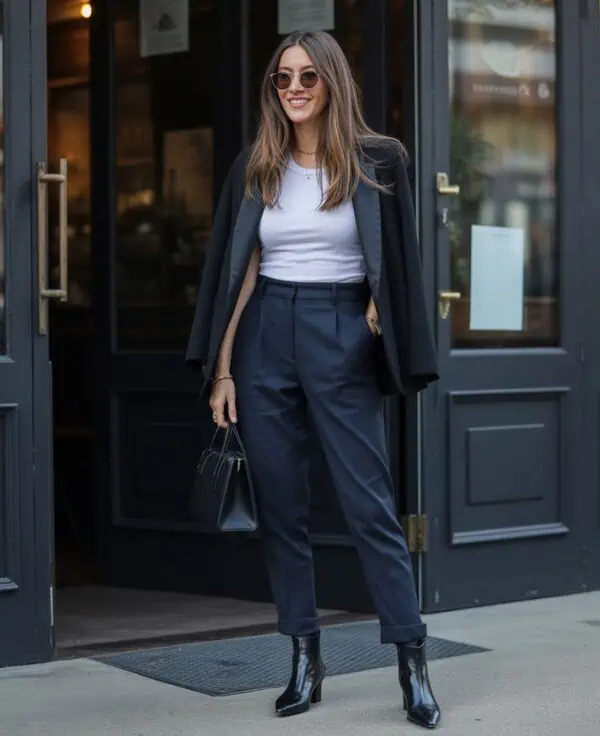
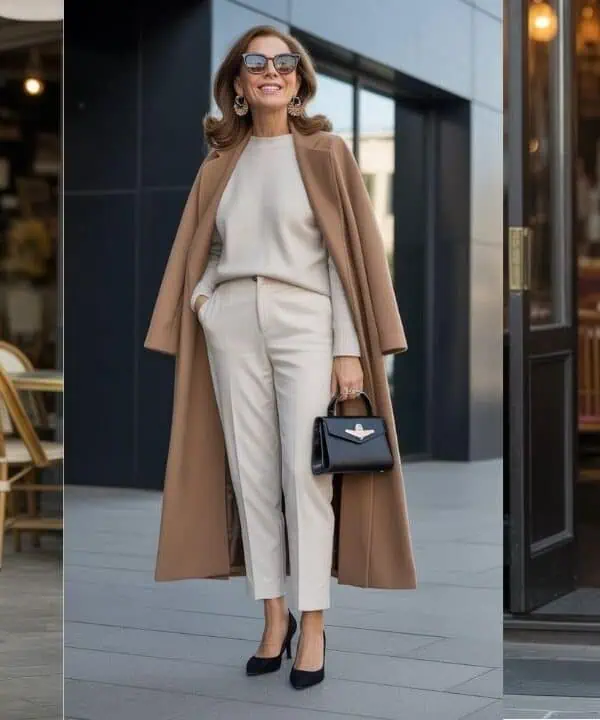
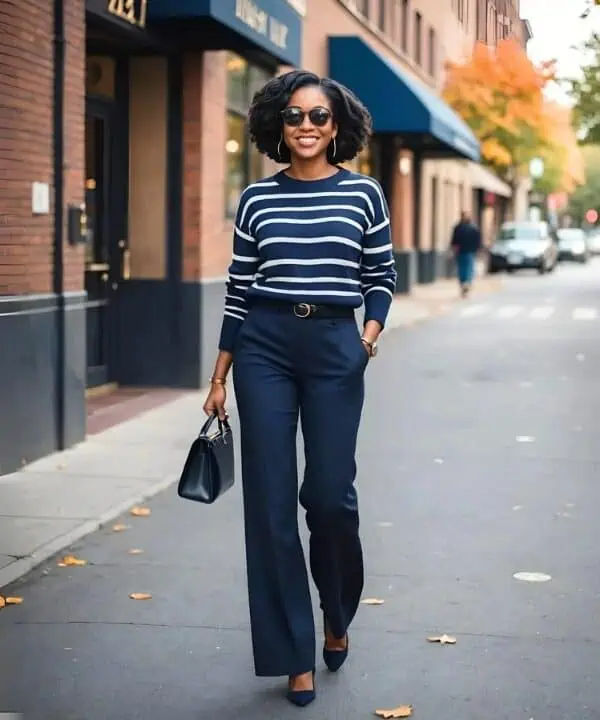
Coats are often the most visible piece in an outfit, especially during cooler seasons, which means their length can dramatically affect how tall or short the body appears. While many people focus on color or fabric when choosing outerwear, the exact hemline of a coat plays an equally important role in shaping proportions. Certain coat lengths can interrupt the natural vertical line of the body, causing the legs to appear shorter and the torso heavier. When the eye encounters these awkward stopping points, the silhouette becomes visually divided instead of elongated. Understanding which coat lengths tend to create this effect can help explain why some styles unintentionally make the body look smaller or less balanced.
Table of Contents
1. The Upper Thigh Cut Off

Coats that end at the upper thigh often seem practical, but this length can disrupt the natural balance of the body. The hemline lands at a wide part of the leg, which creates a strong horizontal line that visually divides the body. Because the coat stops before reaching the narrower knee area, it emphasizes the width of the upper leg rather than elongating the lower half. This can make the legs appear shorter and the torso appear longer than it actually is. For many people, especially those with petite proportions, the upper-thigh coat length interrupts the flow of the outfit and prevents the body from looking streamlined.
2. The Mid Thigh “Halfway” Length
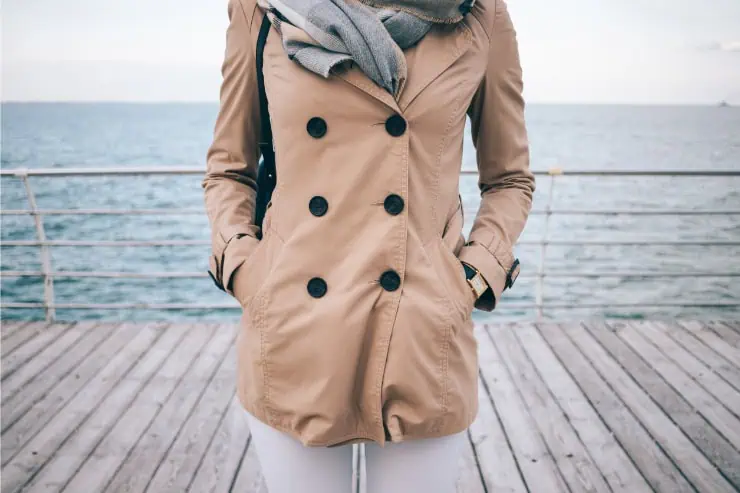
Another length that can shorten the silhouette is the mid-thigh coat. This length sits in an awkward middle position between a cropped jacket and a longer coat. Because it stops exactly between the hip and knee, it creates a strong visual break that divides the leg line in half. The eye tends to pause at this horizontal point, which interrupts the vertical flow of the outfit. Instead of extending the body downward, the coat cuts the leg visually, making the lower half appear shorter. This effect is especially noticeable when the coat is worn over skirts or dresses, where the hemline may clash with other layers.
3. The Knee Cap Interruption
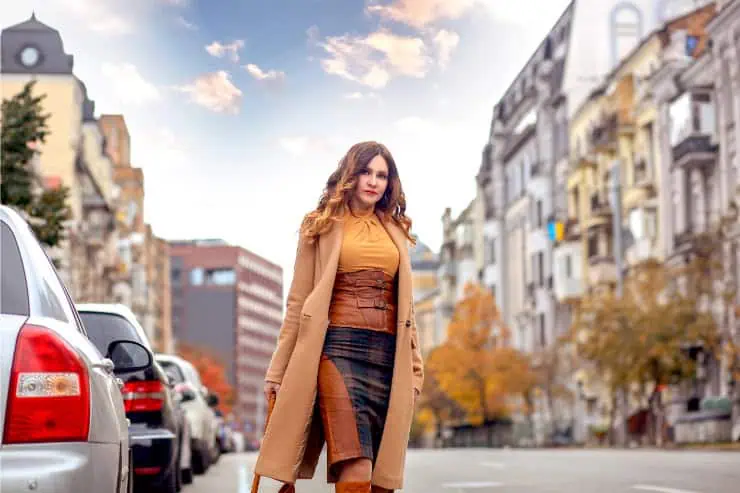
A coat that ends exactly at the kneecap can also interfere with the natural proportions of the body. The knee is a joint that naturally divides the upper and lower leg, so placing a hemline directly at this point draws attention to that division. When the coat ends at the knee, the eye focuses on that stopping point rather than continuing downward toward the calf and ankle. This can make the legs appear shorter and the body appear slightly compressed. While knee-length coats are common, the exact placement of the hemline can make a difference in how balanced the overall silhouette appears.
4. The Mid Calf Bulk Zone
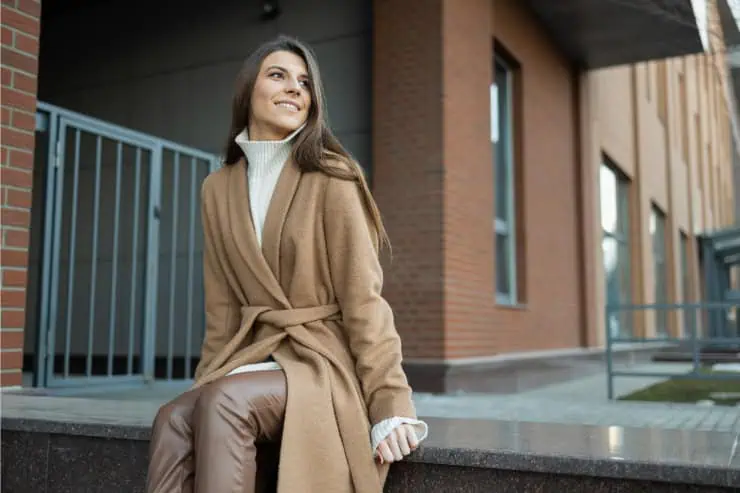
Mid-calf coats can sometimes overwhelm the body, particularly when the fabric is thick or structured. This length covers most of the leg while stopping before the ankle, which can create a heavy block of fabric through the lower half of the body. When the coat occupies so much vertical space, the legs underneath may appear shorter or hidden. The eye reads the coat as the dominant element of the silhouette, which can make the body itself look smaller in comparison. Without careful balance in the rest of the outfit, this length may give the impression that the coat is wearing the person rather than the other way around.
5. The Just Above Ankle Stop

Coats that end just above the ankle can also shorten the body visually if the proportions are not balanced. This length almost reaches the floor but stops slightly short, which creates a subtle but noticeable break in the vertical line. Instead of flowing smoothly to the ankle, the coat halts just before the narrowest part of the leg. This can make the lower portion of the body appear cut off or compressed. When the coat is heavy or wide, the effect becomes even more pronounced because the fabric dominates the silhouette. The eye sees the large block of material first rather than the full length of the legs.