For many women, personal style becomes more confusing not clearer as time goes on. Changing bodies, lifestyles, and priorities can make once reliable fashion choices feel outdated or disconnected. At the same time, the pressure to “dress age-appropriately” often creates unnecessary limitations that stifle self expression. Finding a signature style later in life is not about starting over, but about editing, refining, and reconnecting with what truly resonates. This period offers a unique advantage: lived experience. You know what you like, what you dislike, and what no longer serves you.
Table of Contents
1. Identify What You Actually Wear and Why

One of the simplest ways to uncover your signature style is to look honestly at what you already wear most often. Instead of focusing on aspirational pieces or special-occasion outfits, pay attention to the clothing you consistently reach for. These items usually reflect what feels most comfortable, flattering, and authentic to your daily life. Ask yourself why you choose them: Is it the silhouette, the fabric, the color, or the ease of movement? Recognizing these patterns helps clarify what truly works for you now. Over time, this awareness allows you to build a wardrobe that aligns with your real lifestyle rather than an imagined version of it, forming the foundation of a signature style rooted in reality.
2. Define a Small, Reliable Style Formula

A signature style doesn’t require endless outfit options it thrives on repetition and consistency. Creating a simple style formula, such as a favorite silhouette or combination of pieces, can dramatically simplify daily dressing. This might be tailored trousers with knit tops, dresses with structured layers, or jeans paired with elegant outerwear. The goal is to find a formula that feels polished yet effortless. Over time, repeating these combinations builds visual cohesion and confidence. Rather than feeling boring, repetition reinforces personal style and makes it recognizable. A reliable formula removes decision fatigue and ensures that your clothing choices consistently reflect who you are.
3. Edit Your Wardrobe Without Guilt

Finding your signature style often requires letting go of clothing that no longer fits your body, lifestyle, or identity. Holding onto items out of nostalgia, guilt, or “just in case” thinking can obscure your true style. Editing your wardrobe creates physical and mental space to see what actually represents you now. This process isn’t about minimalism for its own sake, but about alignment. When your closet reflects your current self, dressing becomes easier and more enjoyable. Removing distractions allows your signature style to emerge naturally, guided by clarity rather than clutter.
4. Choose a Consistent Color Palette
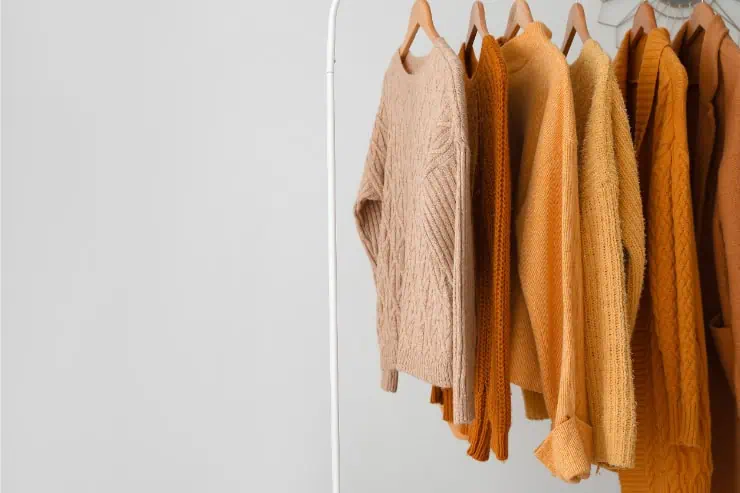
Color plays a powerful role in defining signature style. Selecting a cohesive palette of colors that flatter your skin tone and feel emotionally resonant can instantly unify your wardrobe. This doesn’t mean limiting yourself to neutrals, but rather choosing a core group of shades that mix effortlessly. A consistent palette simplifies outfit creation and creates a polished, intentional appearance. Over time, people begin to associate certain colors with you, reinforcing your visual identity. Color consistency also reduces impulse purchases, helping you build a wardrobe that feels harmonious rather than scattered.
5. Dress for How You Want to Feel, Not How You “Should” Look

Late in life, signature style becomes less about external approval and more about internal alignment. Instead of asking whether an outfit looks “appropriate,” ask how it makes you feel. Confident, comfortable, powerful, relaxed these emotions should guide your choices. Clothing has a direct impact on mood and posture, influencing how you move through the world. When you dress with intention and self-respect, style becomes an extension of identity rather than a performance. Trusting your instincts and honoring your preferences allows your signature style to feel natural, expressive, and deeply personal.