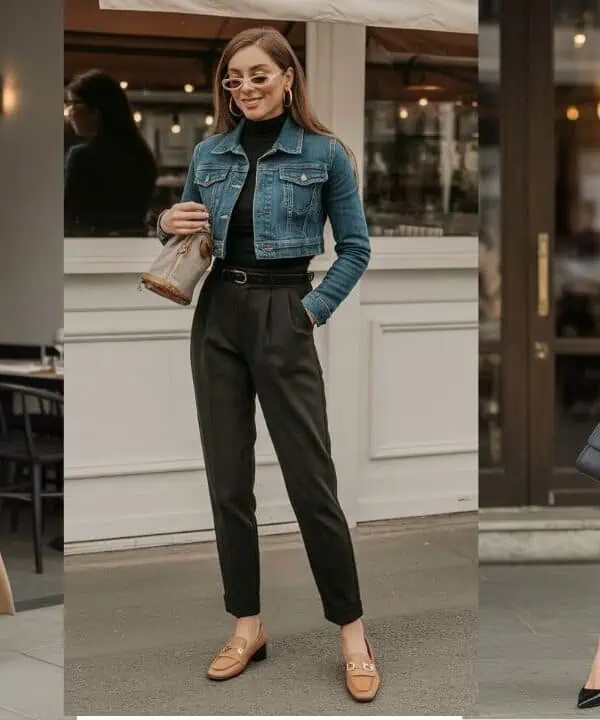
A great wardrobe isn’t about overflowing closets or the latest trends—it’s about smart shopping. Building a timeless, stylish wardrobe comes down to your buying habits. The pieces you choose, how often you buy them, and even where you shop can all shape how polished and practical your style feels. Whether you’re rebuilding your wardrobe in your 40s, refining it in your 50s, or refreshing it after 60, small tweaks in your shopping habits can make a big impact. Here are 15 smart shopping strategies to elevate your wardrobe—without overspending.
1. Shop With a Wardrobe Plan, Not Just a Wishlist

Impulse shopping leads to a closet full of “nothing to wear.” Instead, assess your current wardrobe and identify the gaps. Are you missing a great white blouse? Need versatile layering pieces? Build a seasonal wardrobe plan, including a few statement pieces and basics, and shop accordingly. This habit helps you create a cohesive, usable wardrobe rather than random items that don’t work together. It also helps you resist trends that aren’t your style and ensures every purchase has a purpose. Think of it as building a wardrobe like a puzzle, not a pile.
2. Don’t Shop When You’re Bored, Emotional, or Tired
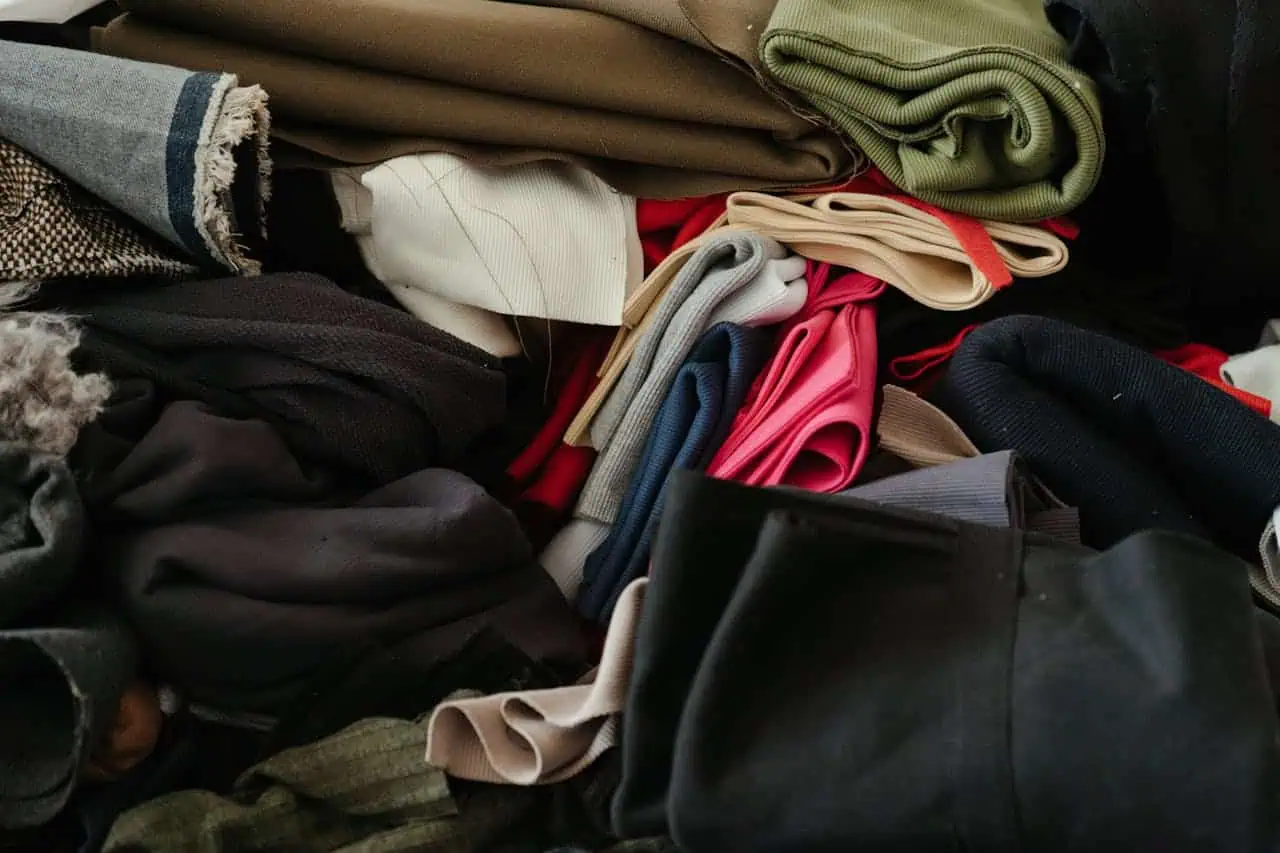
Retail therapy might feel good in the moment, but emotional purchases often end up unworn. Shopping when you’re bored or tired leads to rushed decisions and regret buys. Before adding anything to your cart, ask yourself: “Would I still want this if I saw it in the morning with fresh eyes?” Instead, shop when you’re clear-headed, energized, and with intention. Leave a potential buy in your cart for 24 hours—it’s a simple trick to filter wants from needs. Your wardrobe—and wallet—will thank you.
3. Choose Quality Over Quantity Every Time
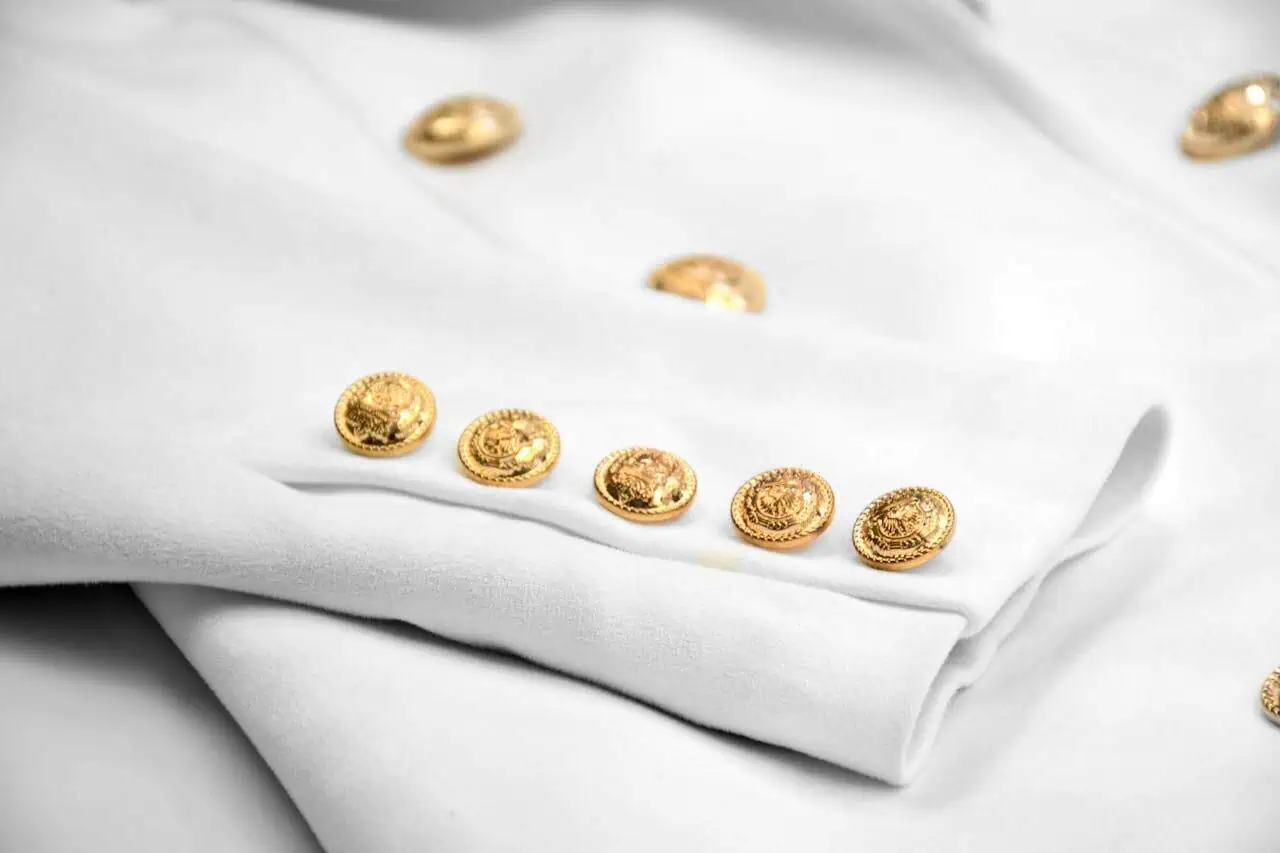
It’s tempting to grab five trendy tops for the price of one well-made blouse—but those fast-fashion buys rarely last. Investing in better fabrics, stitching, and timeless design gives you a wardrobe that looks polished and lasts longer. A good-quality blazer or pair of jeans can elevate everything in your closet. You don’t need to spend a fortune—just pay attention to fabric content, reviews, and construction. Over time, a few quality pieces you love wearing are worth far more than a closet full of cheap, short-lived fashion.
4. Know Your Style Formula and Stick to It

The most stylish women often have a clear “uniform”—whether that’s jeans and a blazer or midi dresses and ankle boots. Once you figure out what silhouettes, colors, and styles flatter you most, shopping becomes easier and more focused. Stop chasing every trend and stick to your personal style formula. That doesn’t mean you can’t experiment—it means you build on a foundation that consistently works. Knowing your fashion blueprint prevents you from buying things that look great on others but don’t suit your lifestyle or body.
5. Shop With Versatility in Mind
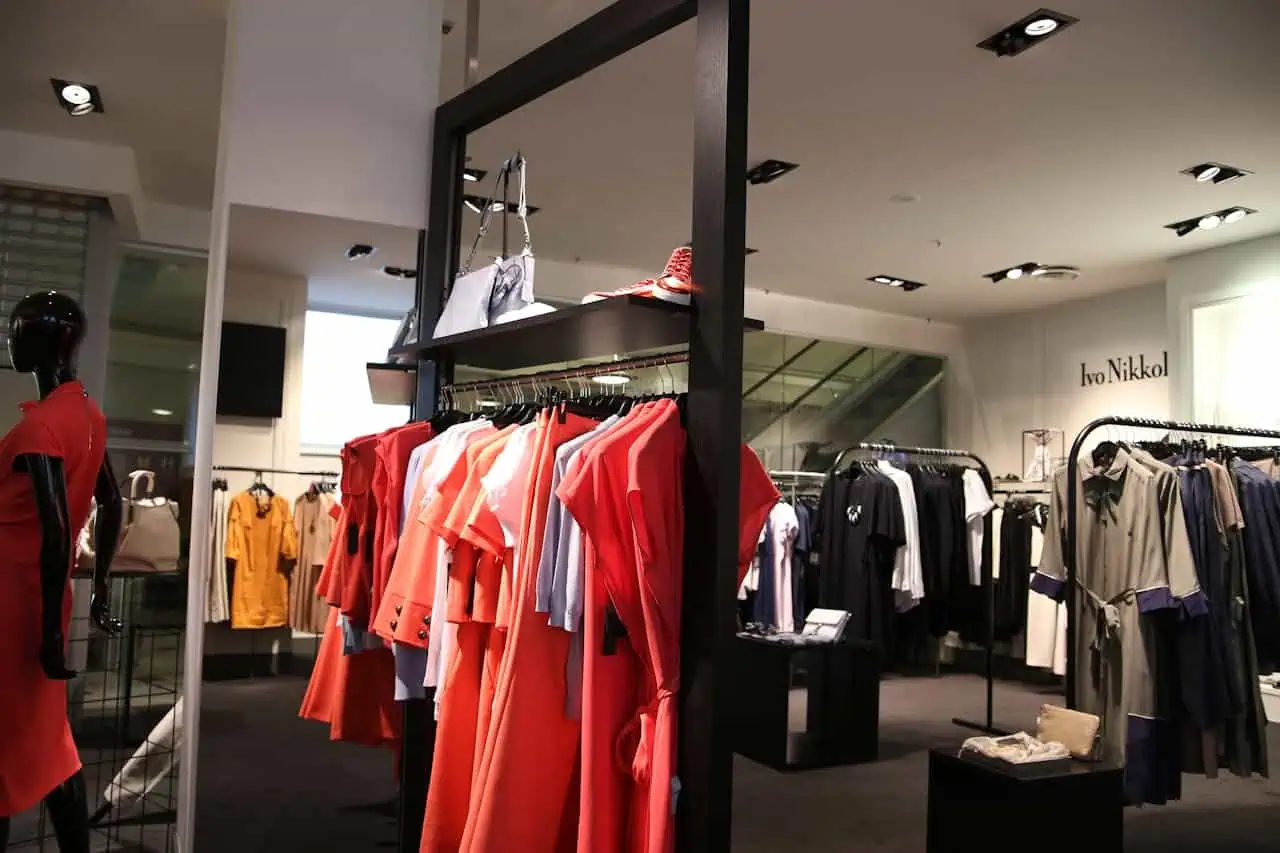
Before buying a new item, think of at least three outfits you can create with it using what you already own. If you can’t, it’s probably not a great buy. Prioritize pieces that can transition from casual to dressy, from summer to fall, or from work to weekend. A versatile wardrobe not only saves you money but simplifies getting dressed. Look for neutral colors, clean silhouettes, and styles that mix and match easily. Versatile doesn’t mean boring—it means functional and fabulous.
6. Be Picky About Fit—Tailoring Is Your Best Friend
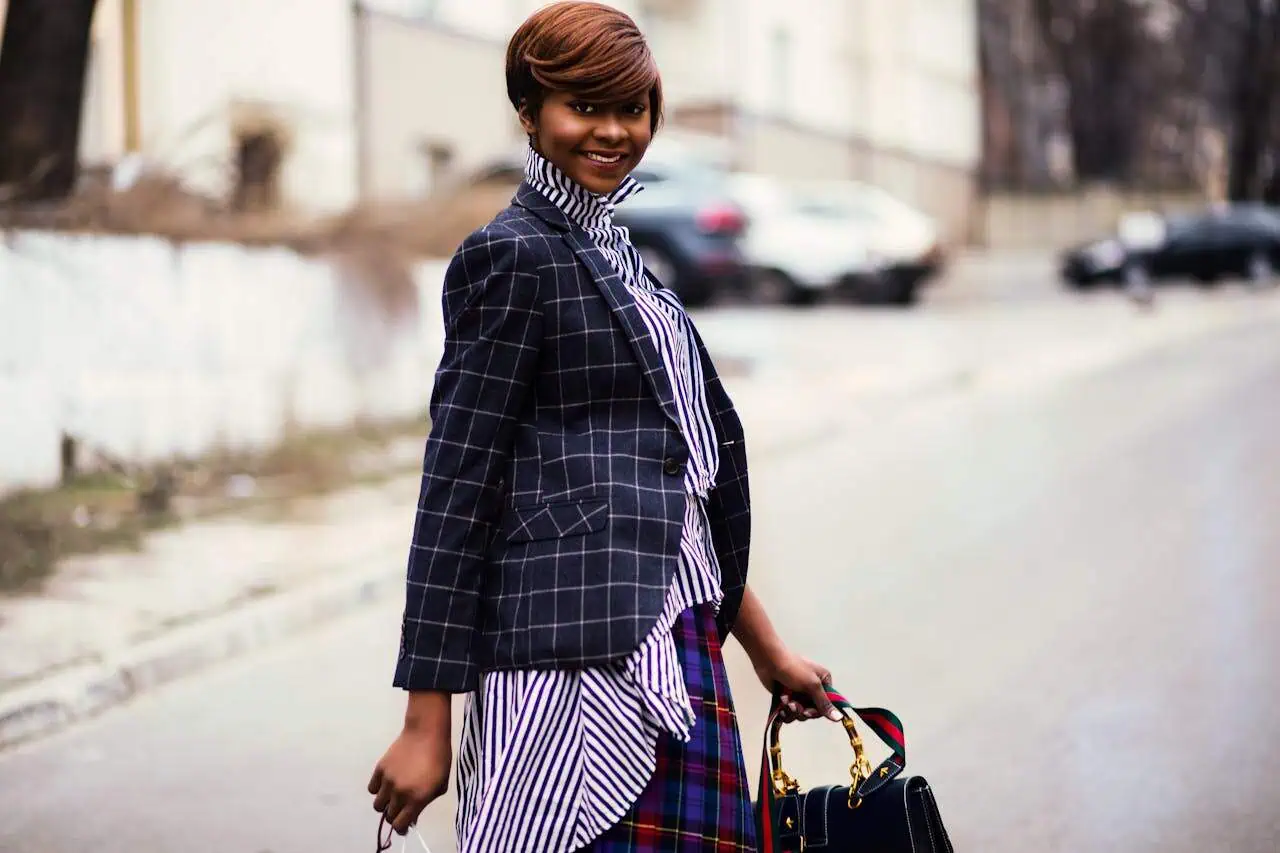
Even the most beautiful clothing can look off if the fit isn’t right. Instead of settling for “almost fits,” focus on pieces that flatter your proportions or can be easily tailored. When shopping, don’t just check the size tag—check how it fits you. Does it pull at the shoulders, gape at the bust, or bunch at the waist? A small investment in tailoring can make affordable pieces look designer-level. A well-fitted jacket, pant, or dress instantly makes you look more put together—no extra effort required.
7. Always Try It On (Even If It’s Your “Size”)

Sizing can be wildly inconsistent across brands, so relying solely on the label can lead to disappointment. Always try clothes on—even if it’s a size you’ve worn for years. Fit can change depending on cut, fabric, and brand. When shopping online, check the size guide and customer reviews. Also, don’t get too attached to the number on the tag—it’s how the item looks and feels on you that matters. Trying things on helps avoid returns, saves closet space, and makes sure you love what you’re bringing home.
8. Don’t Shop Just for Events

Shopping last-minute for weddings, vacations, or parties often leads to rushed, expensive, or one-time-only outfits. Instead, build a wardrobe that includes a few timeless occasion-ready pieces: a chic black dress, flattering trousers, or a versatile blouse that can be dressed up or down. When you shop ahead of time and add pieces gradually, you’re less likely to panic buy—and more likely to wear the item again. Think beyond the occasion. Ask: “Can I wear this again in a different way?” If yes, it’s a smart buy.
9. Know What You Already Own

How many times have you bought something, only to realize you already own something similar? A cluttered or disorganized closet makes it easy to forget what you have. Before shopping, do a quick inventory. Take photos of your favorite pieces or maintain a simple digital wardrobe log. This not only prevents duplicates but helps you buy pieces that complement what you already love wearing. It also helps you get more creative with your outfit combinations—shopping your closet becomes as exciting as shopping the store.
10. Use a Style Filter Before Checkout

Before clicking “buy” or heading to the counter, ask yourself a few key questions:
- Do I love it, or just like it?
- Can I wear it multiple ways?
- Does it fit well and feel good?
- Will I wear this next year?
This mental filter helps you avoid trendy, poor-fitting, or “meh” purchases that just take up space. If the answer is “no” to most of these, walk away. This simple habit builds a wardrobe full of winners—pieces that reflect your style and stand the test of time.
11. Stop Buying Clothes That Need “Future You”

We often buy clothes for a future version of ourselves—like when we lose weight, get more toned, or finally attend that imaginary event. But those pieces tend to gather dust and add guilt to your closet. Shop for the body and lifestyle you have right now. Embrace your current shape, stage, and routine. When your wardrobe fits who you are today, you’ll feel more confident, wear more of what you own, and stop chasing unrealistic standards. The best wardrobe is the one that works for the present you.
12. Invest in Wardrobe Staples First

Before buying trend pieces or statement looks, make sure your closet has a strong foundation. That means great jeans, a neutral blazer, a quality white shirt, a classic trench, and a few layering tees. These pieces are the glue of your wardrobe—you can build endless outfits around them. If you’re constantly reaching for trendy items but missing basics, you’ll always feel like something is “off.” Investing in staples first helps every outfit feel polished and prevents decision fatigue when getting dressed.
13. Follow Stylists and Fashion Blogs That Reflect Your Style

Instead of following every influencer or stylist, find a few who match your vibe, age group, or style preferences. This helps you get more targeted inspiration and prevents “compare and despair.” Bookmark looks you love and notice patterns—are you drawn to flowy skirts, neutral palettes, or tailored pieces? This visual clarity keeps you focused while shopping and saves you from buying things just because they’re popular. Curating your feed around your fashion goals will lead to smarter, more consistent purchases.
14. Return What Doesn’t Work—Immediately

We’ve all done it: kept an item because we missed the return window, might wear it someday, or felt guilty about the money. But if something doesn’t feel good or fit right, return it—quickly. Set a reminder to try on online orders the day they arrive. If it’s a no, send it back the next morning. Keeping items out of obligation only creates clutter and confusion. A strong return habit helps you stay intentional and only surround yourself with clothing you’re excited to wear.
15. Shop Less, Style More
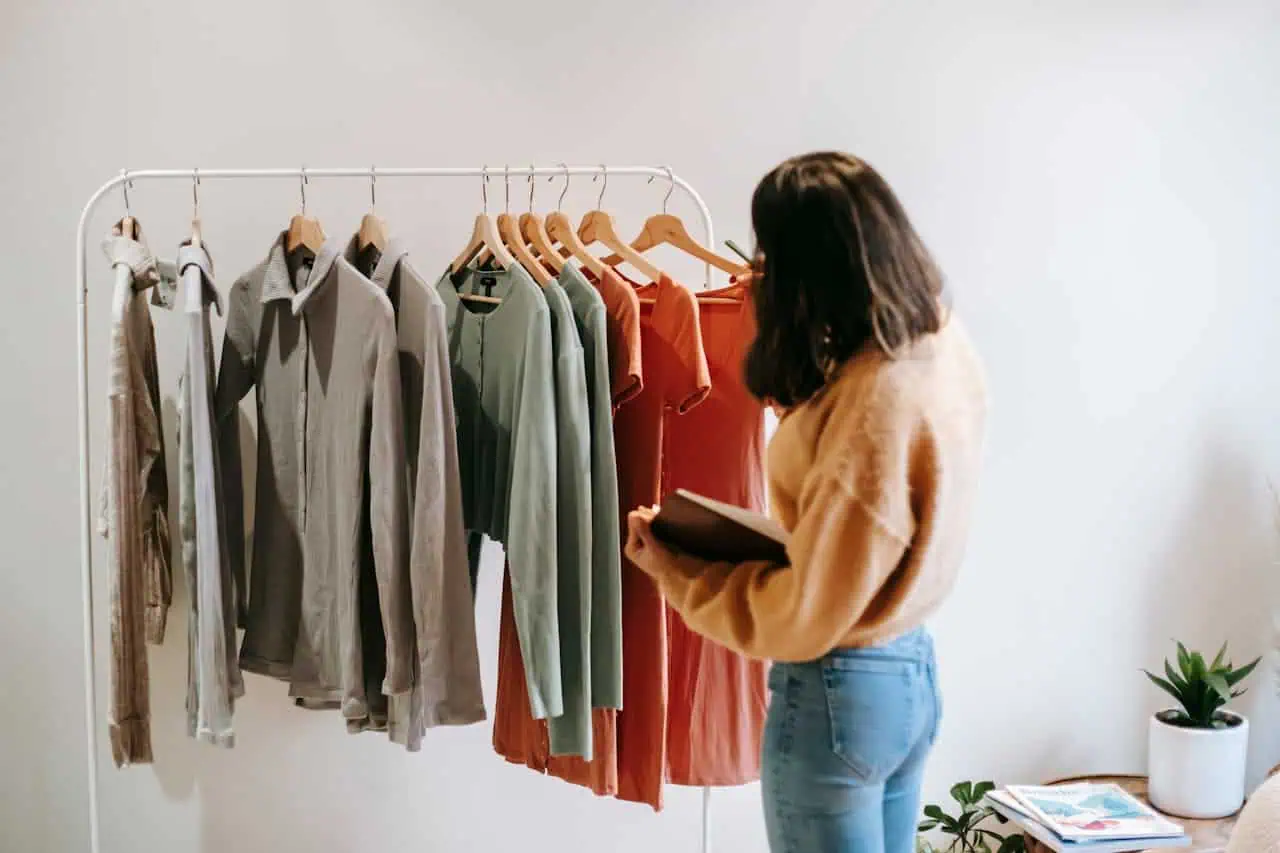
Sometimes, the key to a better wardrobe isn’t buying more—it’s getting creative with what you already own. Challenge yourself to remix outfits, try new layering techniques, or switch up accessories. Make the most of what you have before shopping for more. Styling is a skill—and the more you practice, the more polished you’ll look without buying anything new. Shopping less also saves money, reduces waste, and builds a deeper connection to your personal style. A better wardrobe starts in your closet, not at the checkout.