Even the most thoughtfully curated outfits can fall flat because of small, often-overlooked fashion mistakes. These aren’t the dramatic kind that make headlines, they’re subtle errors that quietly undermine your look. From mismatched tones to neglected grooming details, these issues can turn a potentially stylish ensemble into something that feels slightly “off.” The devil is in the details when it comes to fashion, and fixing these common missteps can elevate your outfit from average to effortlessly chic.
Table of Contents
1. Mismatched Undertones
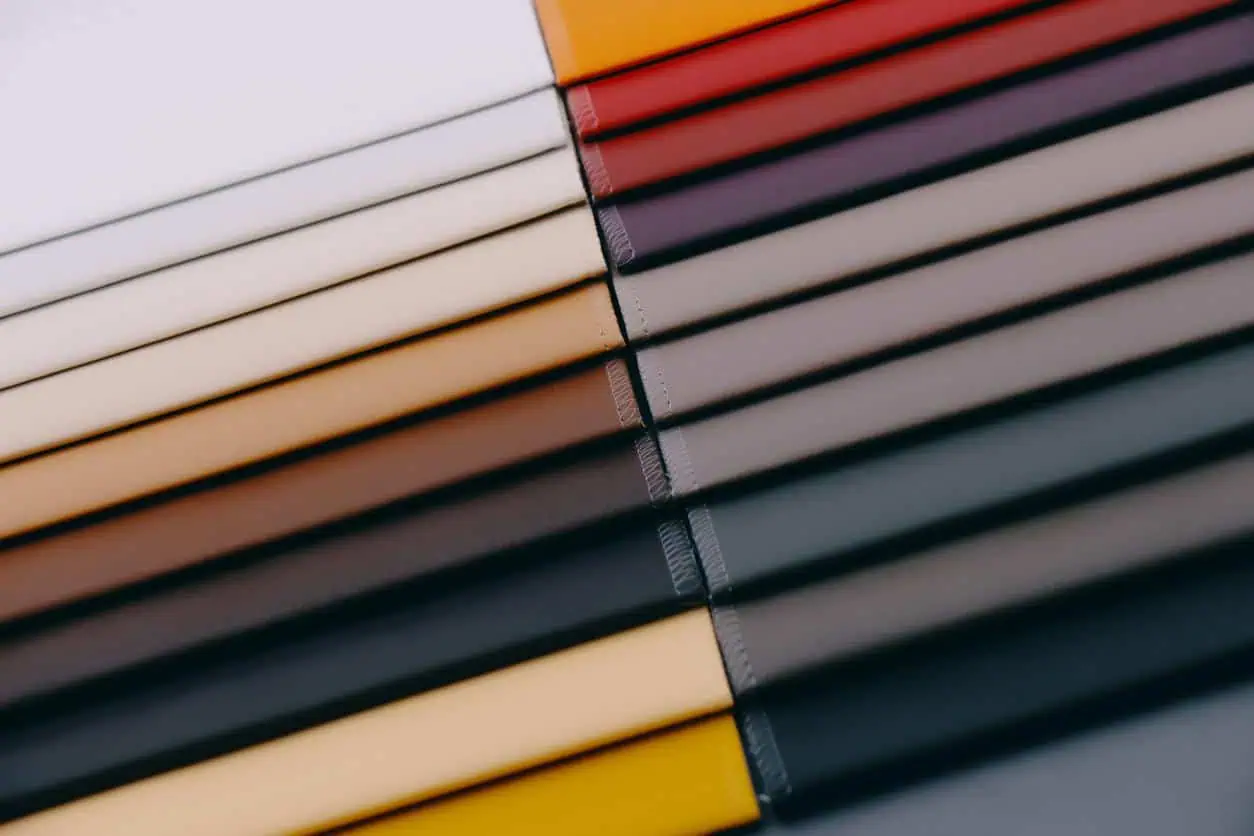
One of the most underrated outfit killers is clashing color undertones. Even if your outfit’s colors technically go together, cool undertones mixed with warm ones can create visual dissonance. For instance, pairing a cool-toned gray blazer with warm beige pants often looks slightly off. This issue is especially noticeable in neutrals, cream vs. stark white, or camel vs. taupe. The fix? Learn your own undertone first (cool, warm, or neutral), and make sure your outfit pieces belong to the same tone family.
2. Wearing Clothes That Don’t Fit Perfectly

No matter how expensive or stylish your clothes are, poor fit can ruin everything. Baggy shoulders, saggy jeans, or sleeves that are too long distract from the intended style. Fit issues also make you look less confident, as if you’re wearing someone else’s clothes. Tailoring is your best friend, even small adjustments can dramatically improve your appearance. Prioritize a great fit in key areas like shoulders, waist, and hem length. Clothes that skim your body correctly automatically elevate your overall look and make it appear intentional.
3. Over-accessorizing
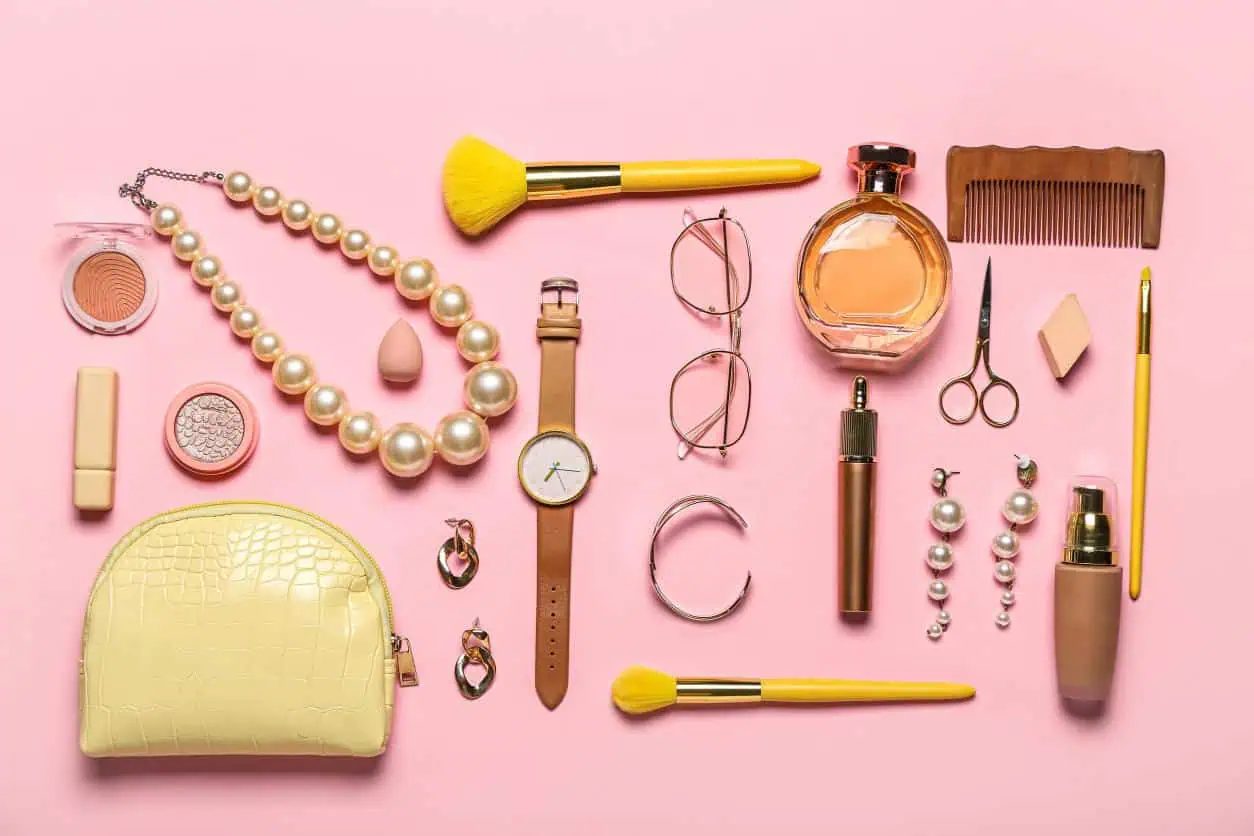
Accessories are meant to enhance an outfit, not compete with it. Layering too many bold pieces, chunky earrings, layered necklaces, stacks of bracelets, can quickly overwhelm your look. Instead of adding interest, it creates a sense of chaos. Stick to one or two statement accessories at a time and keep the rest simple. A clean, focused use of accessories looks far more sophisticated than an overloaded ensemble. Coco Chanel’s rule of removing one accessory before leaving the house remains relevant for good reason.
4. Neglecting Wrinkles and Creases
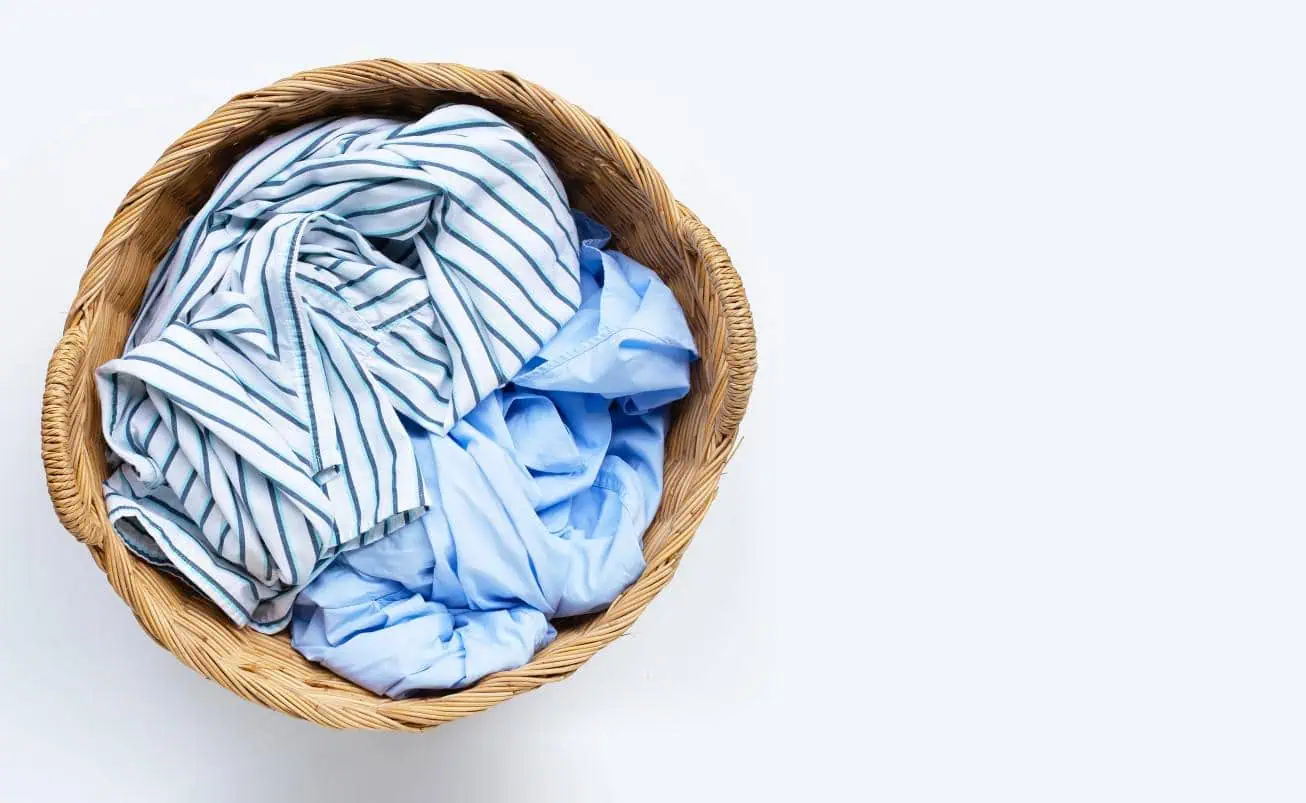
Even a luxury outfit loses its appeal when it looks rumpled. Wrinkled clothing gives off an unkempt, careless vibe that instantly downgrades your appearance. Many people forget to steam or iron their clothes, especially items like cotton dresses or linen shirts that wrinkle easily. Invest in a handheld steamer or set aside time to prep your clothes properly. Wearing crisp, smooth fabrics not only improves the look but also signals attention to detail. A wrinkle-free outfit makes any fabric, whether it’s $20 or $200, look more expensive.
5. Wearing the Wrong Undergarments
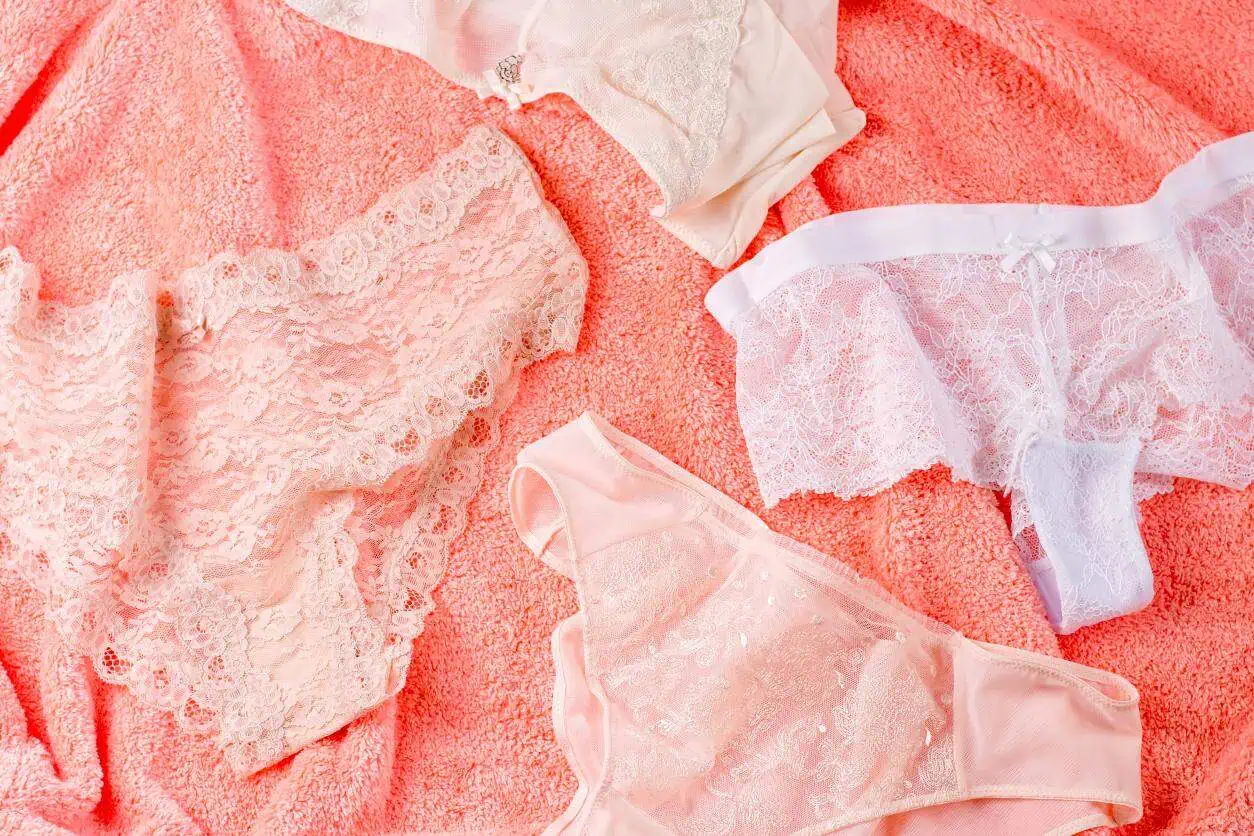
Visible panty lines, a bra strap peeking out, or ill-fitting shapewear can ruin an otherwise flawless look. The wrong undergarments disrupt the smooth silhouette of your outfit and can draw attention to areas you didn’t intend to highlight. Choosing seamless underwear, strapless or convertible bras, and properly fitted shapewear ensures your clothes lay correctly on your body. Always try on your outfit with the undergarments you plan to wear, especially if it’s form-fitting or made from thin fabrics.
6. Ignoring Fabric Quality
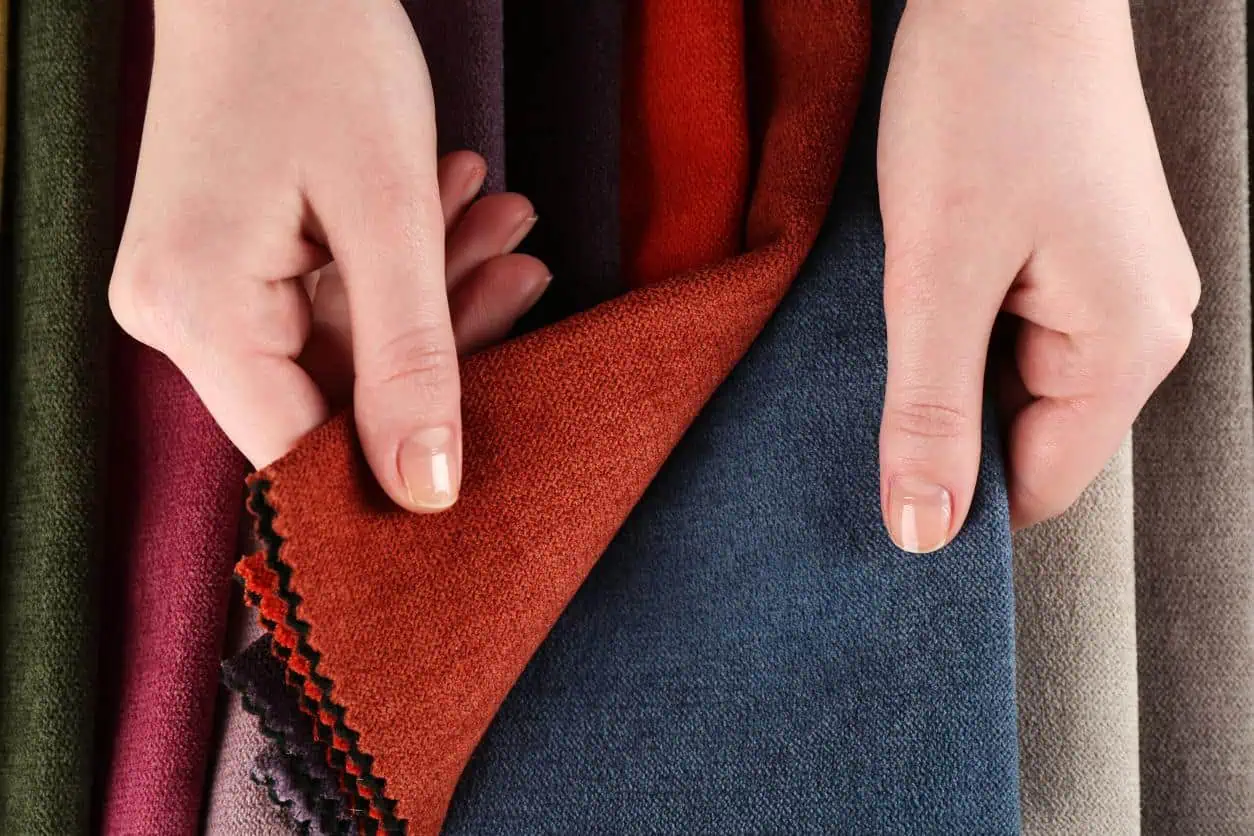
Even if the design is on-trend, cheap-looking fabrics can tank your entire look. Shiny polyester, see-through knits, or pilling cotton make an outfit appear low-quality. Fabric texture plays a huge role in perceived value, matte finishes, natural fibers like cotton, linen, or wool, and tightly woven knits usually look more refined. It’s not about price, it’s about choosing fabrics that drape well, feel substantial, and age gracefully. Being mindful of fabric quality instantly makes any outfit feel more polished and thoughtful.
7. Overdoing Logos or Brand Labels
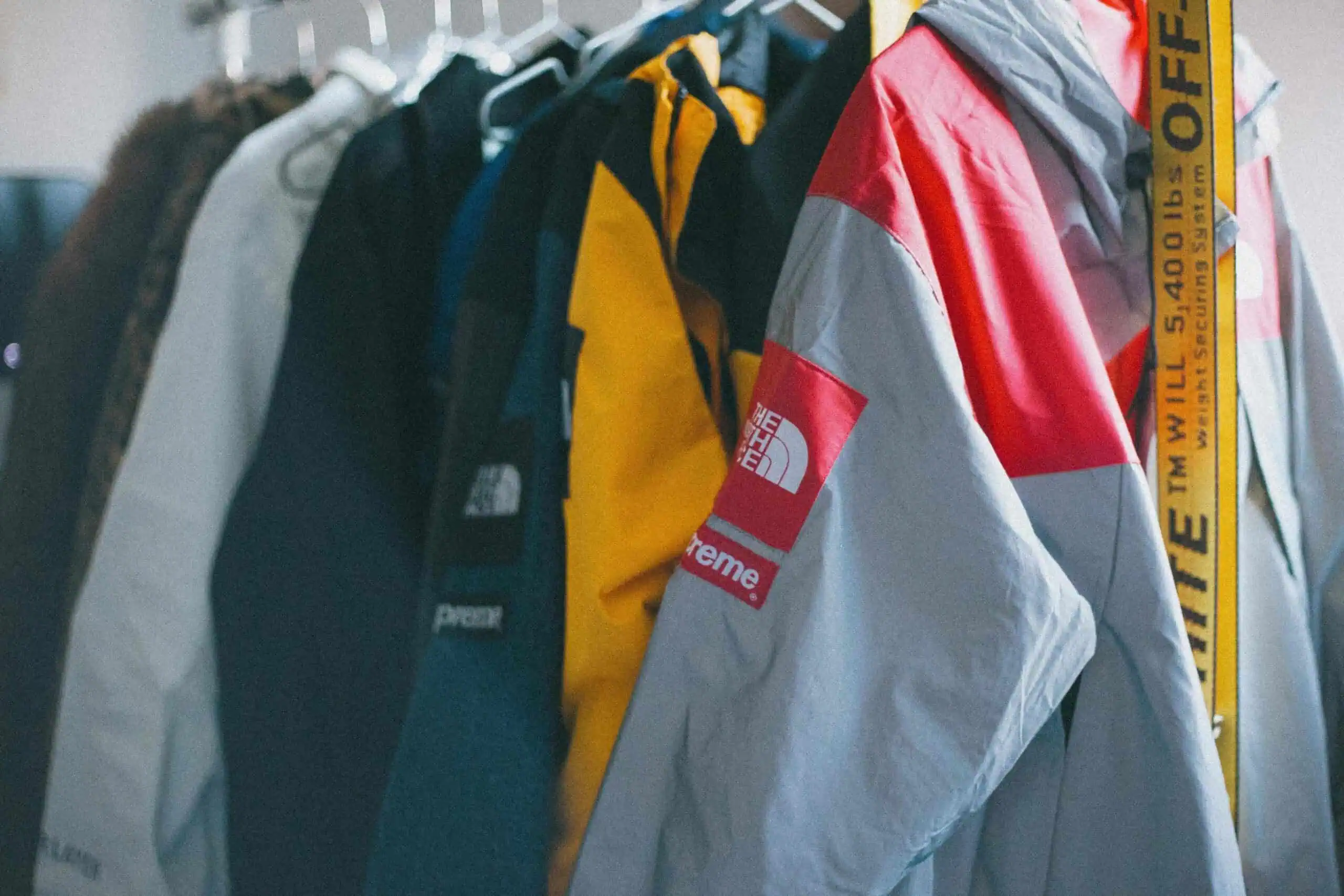
While designer logos can be fun, wearing multiple visible labels at once can feel flashy and overdone. It distracts from your personal style and makes the outfit more about status than taste. A subtle logo, perhaps on a belt or bag, is fine, but avoid turning your outfit into a walking advertisement. Mixing high and low pieces without flaunting labels often creates a more effortless, confident style. Let your outfit speak through its design, not the logo on the chest.
8. Shoes That Don’t Match the Occasion
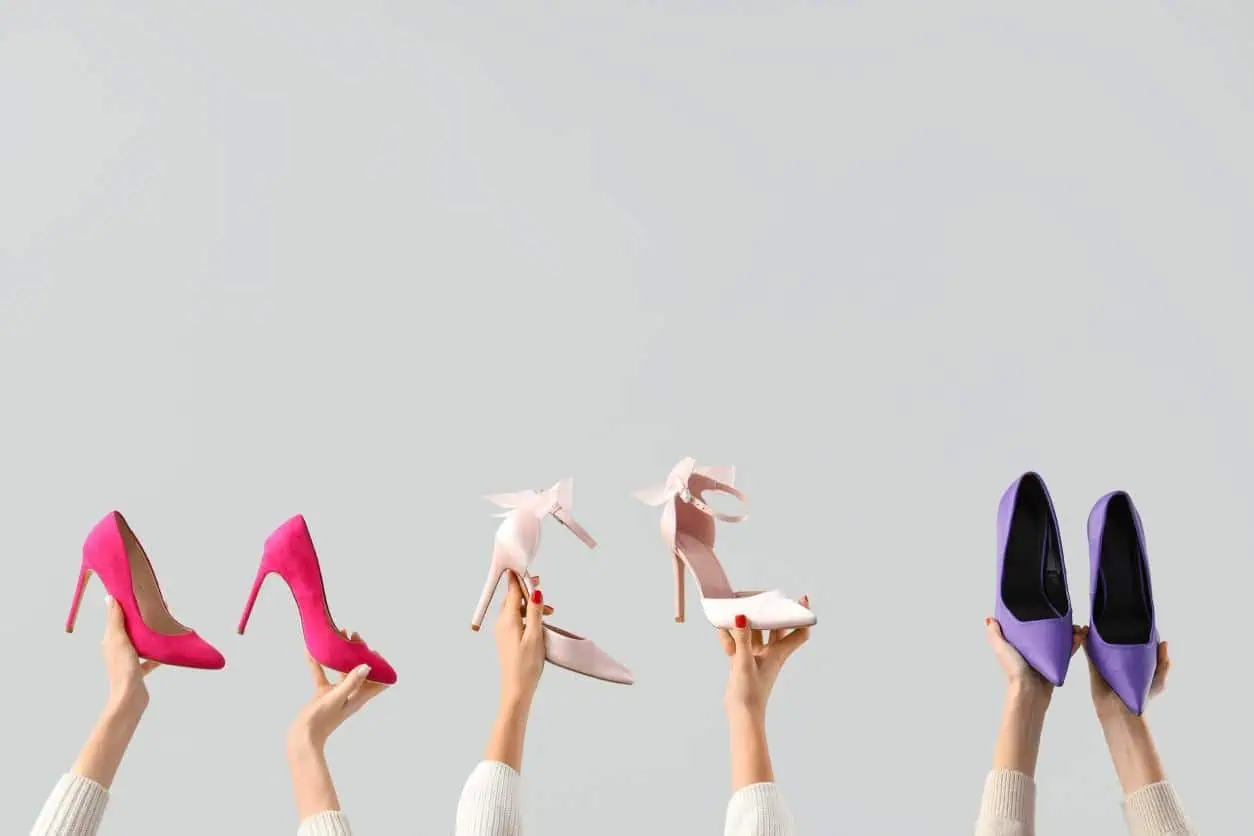
Shoes are often the finishing touch that makes or breaks an outfit. Wearing shoes that are too formal or too casual throws off your whole aesthetic. For example, pairing sneakers with a cocktail dress might feel too jarring unless it’s a deliberate high-low mix. Likewise, overly worn shoes, even if stylish, can drag down the most polished look. Choose footwear that complements the setting, outfit vibe, and your comfort needs. And always ensure they’re clean and in good condition.
9. Outdated Silhouettes
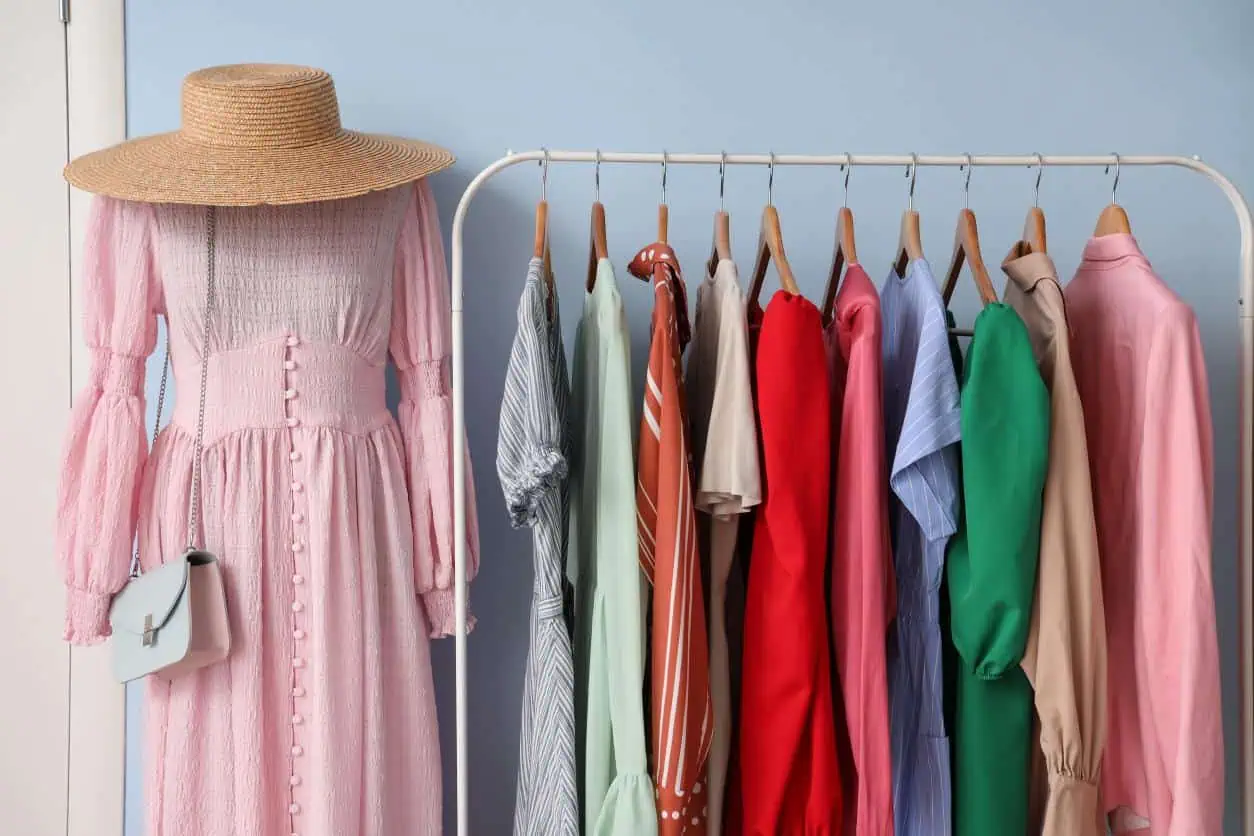
Even classic pieces can start to look stale when the silhouette no longer aligns with current proportions. Think overly tight skinny jeans or boxy blazers from the early 2010s. Fashion evolves, and while timelessness is key, it’s also important to periodically update your closet with fresh shapes. Today’s modern fits, like wide-leg trousers, cropped blazers, or midi skirts, can make your whole outfit feel more current. You don’t have to follow trends, but keeping silhouettes modern helps avoid looking dated.
10. Forgetting to Check for Sheerness
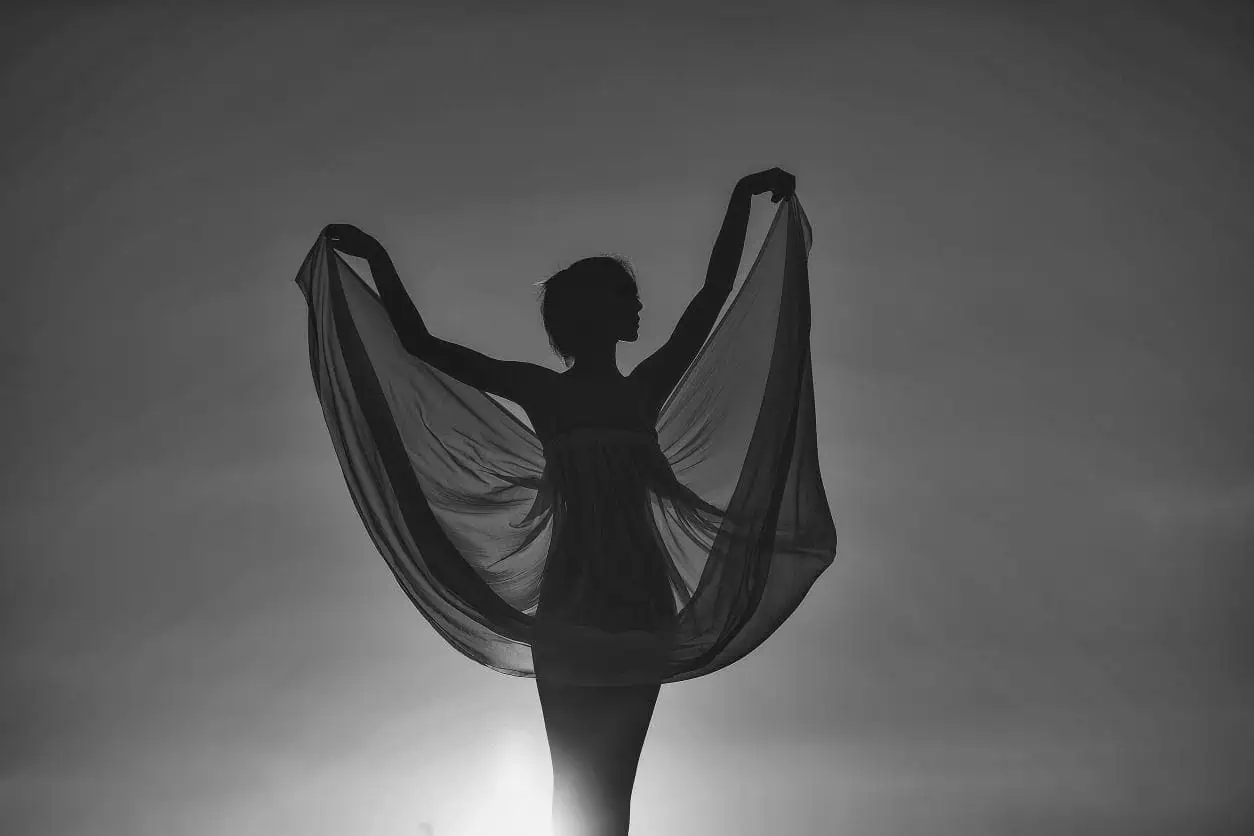
Sheer clothing can be chic when intentional, but accidental transparency is a major faux pas. Light-colored dresses, white jeans, or thin blouses often appear more see-through under bright light than you’d expect. Always do a mirror or flashlight test before leaving the house. Layer with slips, nude-toned bras, or camisoles to avoid visible lines or skin. Sheer mishaps can be embarrassing and distracting, drawing attention away from the style you intended to show.
11. Mixing Too Many Statement Pieces
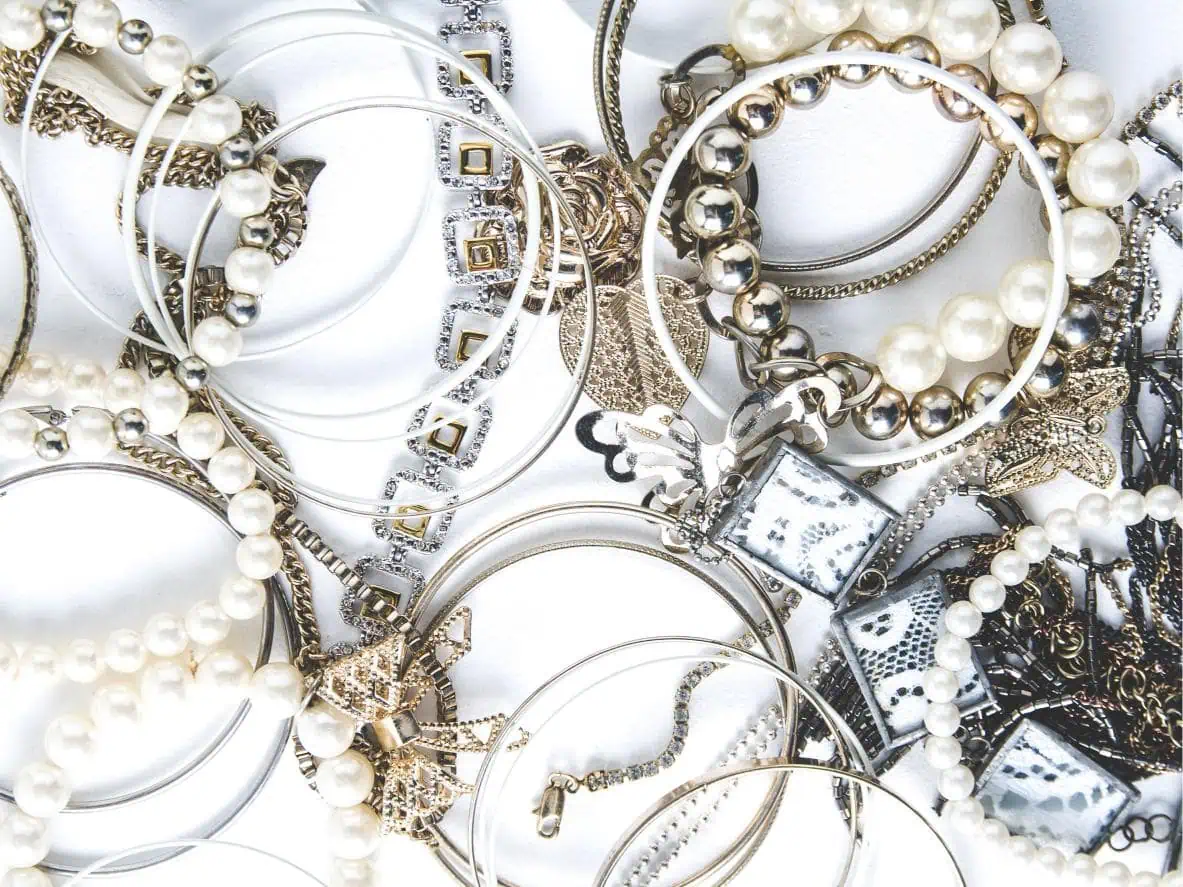
Wearing more than one bold item, such as a bright printed dress with statement earrings and embellished shoes, can make your outfit feel chaotic. It’s like trying to have too many conversations at once. The key to effective styling is balance: let one piece do the talking while the rest supports. If your outfit includes a statement blouse, keep your bottoms and accessories muted. The most stylish looks often feel effortless because they’re well-edited.
12. Clashing Metals in Jewelry
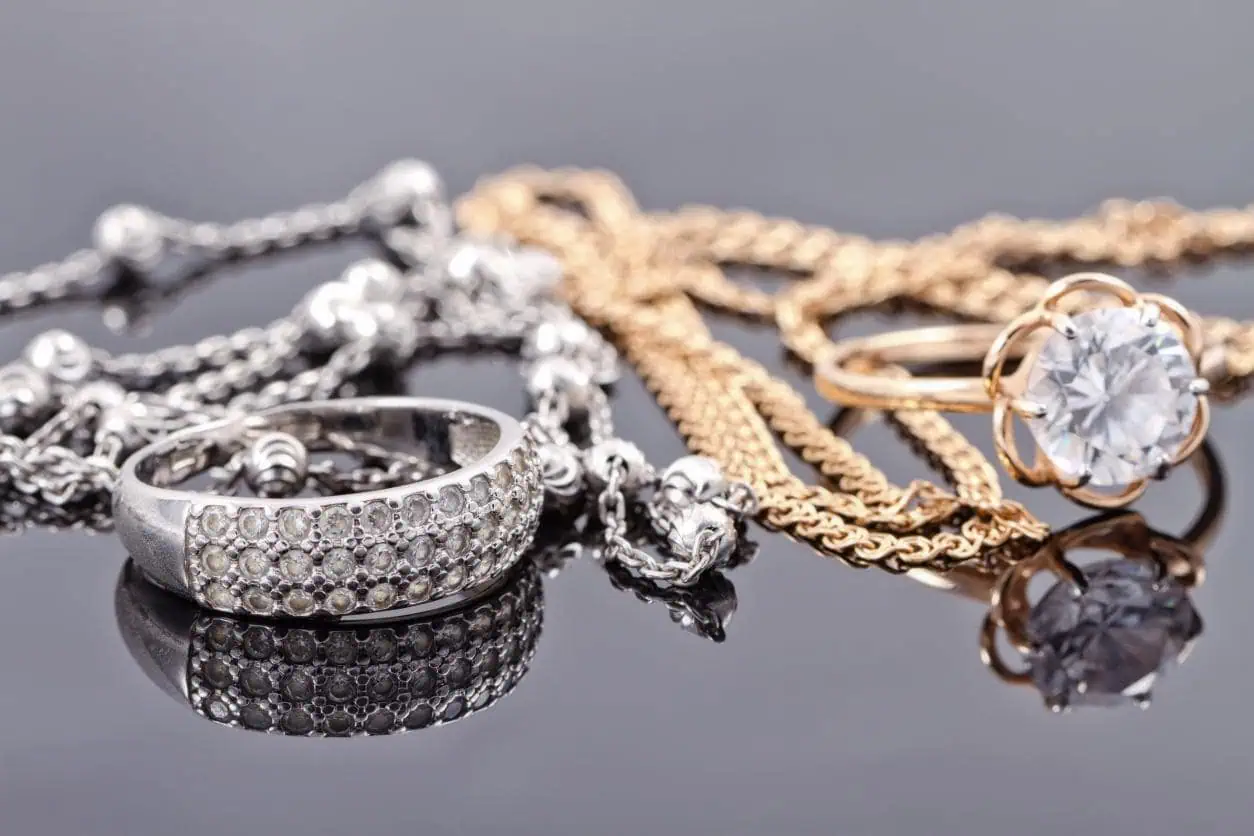
While mixing metals is more accepted today, doing it haphazardly can still disrupt an otherwise harmonious outfit. Gold, silver, and rose gold can coexist, but it works best when it’s intentional and balanced. If you’re wearing mostly gold-toned accessories and suddenly add a silver watch, it can look disjointed. One trick is to wear a mixed-metal piece that bridges the two. Keeping metal tones in the same family helps maintain cohesion and polish throughout your look.
13. Skipping Hair and Grooming
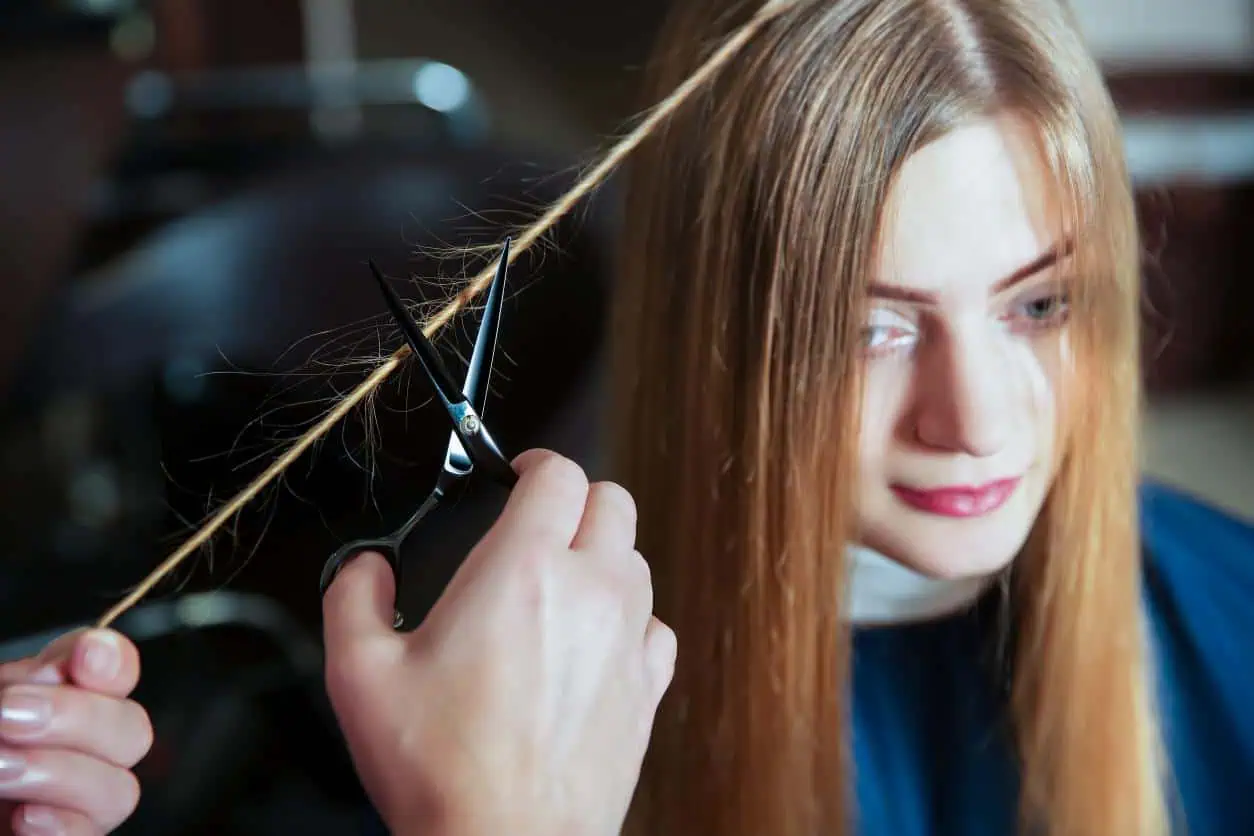
Even if your outfit is perfect, messy or neglected grooming can throw off the entire impression. Oily hair, chipped nails, or overly casual hairstyles can clash with a dressy outfit and make you look underprepared. You don’t need a full blowout or manicure every time, but neat, intentional grooming adds the final layer of polish. A sleek bun, fresh face, and tidy nails show you’ve taken the time to present yourself well, amplifying the impact of your outfit.
14. Wearing All Basics Without Any Styling

Basic wardrobe pieces, like plain tees, jeans, and sneakers, are great building blocks, but without styling, they can feel unfinished. An all-basic outfit needs a touch of intent to avoid looking lazy. That could mean a half-tucked shirt, a structured bag, a bold lip, or a stylish pair of sunglasses. Even small styling tweaks like cuffing your jeans or adding a belt can transform your look from boring to chic. It’s about showing you’ve made thoughtful choices, even with simple items.