Layering is a timeless style technique that adds depth and versatility to any outfit—but it’s also where things can quickly go wrong, especially after 50. The goal is to enhance your look, not overwhelm it. As our bodies change and our style evolves, layering should feel effortless and flattering—not heavy or shapeless. Whether it’s about choosing the wrong fabrics or piling on pieces that clash, these common layering mistakes can actually age your outfit. Let’s explore what to avoid and how to fix it.
1. Wearing Too Many Thick Fabrics Together
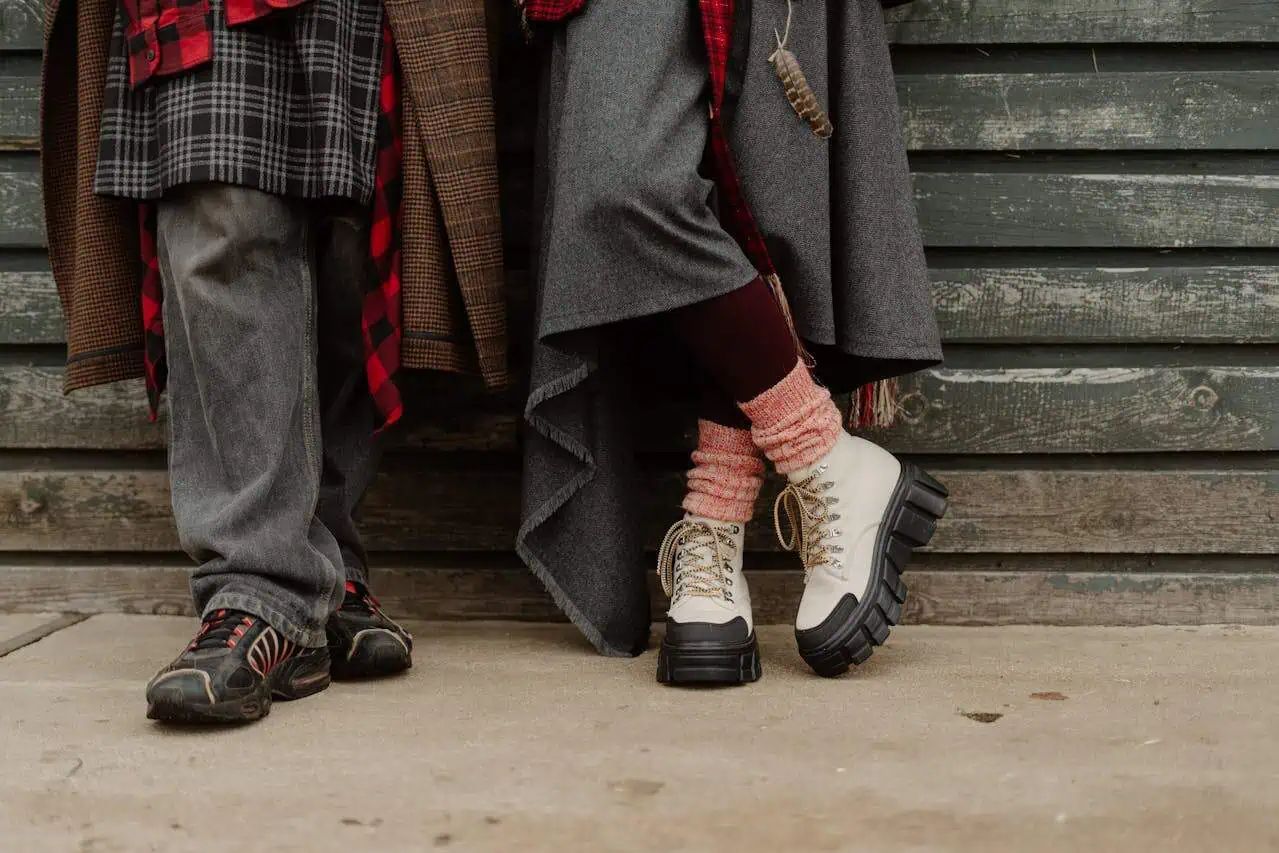
Layering wool over fleece over denim might sound cozy, but it adds volume that can overwhelm your frame. When all your pieces are thick or heavy, the outfit loses structure and shape. Instead, balance your look with mixed textures—pair a cotton turtleneck with a lightweight wool cardigan and a structured jacket. Opt for thermal linings rather than thick outerwear if warmth is the goal. The key is layering for shape, not just for warmth.
2. Ignoring Proportion Between Layers
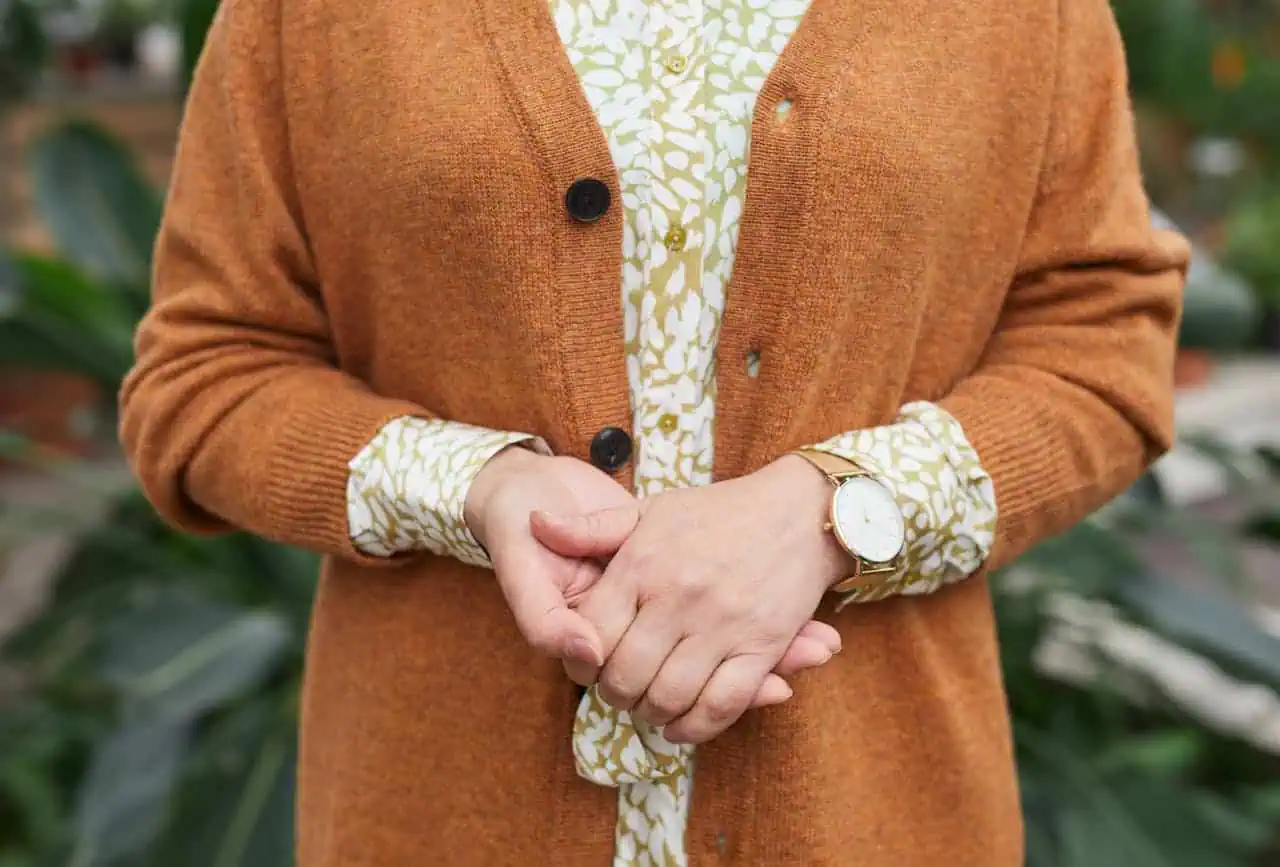
One of the most common mistakes is wearing layers that all end at the same length. When each piece cuts across your body at the same point—like the hips or thighs—it creates visual bulk. A longer layer underneath a cropped jacket, for instance, adds dimension and flatters your silhouette. High-low layering also visually elongates your figure, helping you appear taller and leaner. Think flowy blouse under a structured blazer, or tunic under a short cardigan.
3. Forgetting to Define the Waist
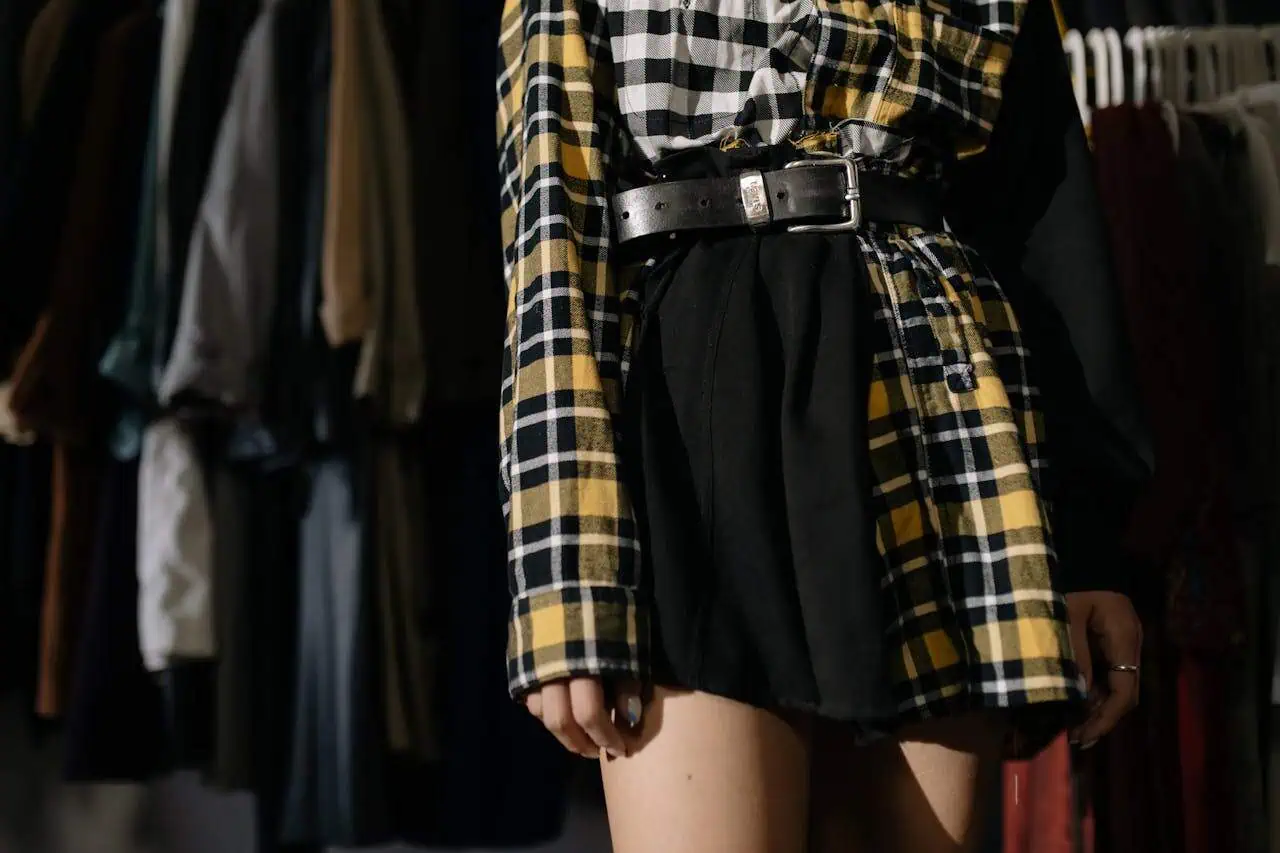
Layering can easily disguise your natural waist, especially when you’re wearing loose-fitting pieces. But defining your waist—even subtly—makes a big difference in avoiding a boxy or bulky look. Use a thin belt over cardigans, choose jackets that nip in at the waist, or tuck in your base layer and leave outer layers open. Even the illusion of a waist, like princess seams or peplum cuts, can help maintain a flattering shape under layers.
4. Using Oversized Outerwear as Your Go-To Layer
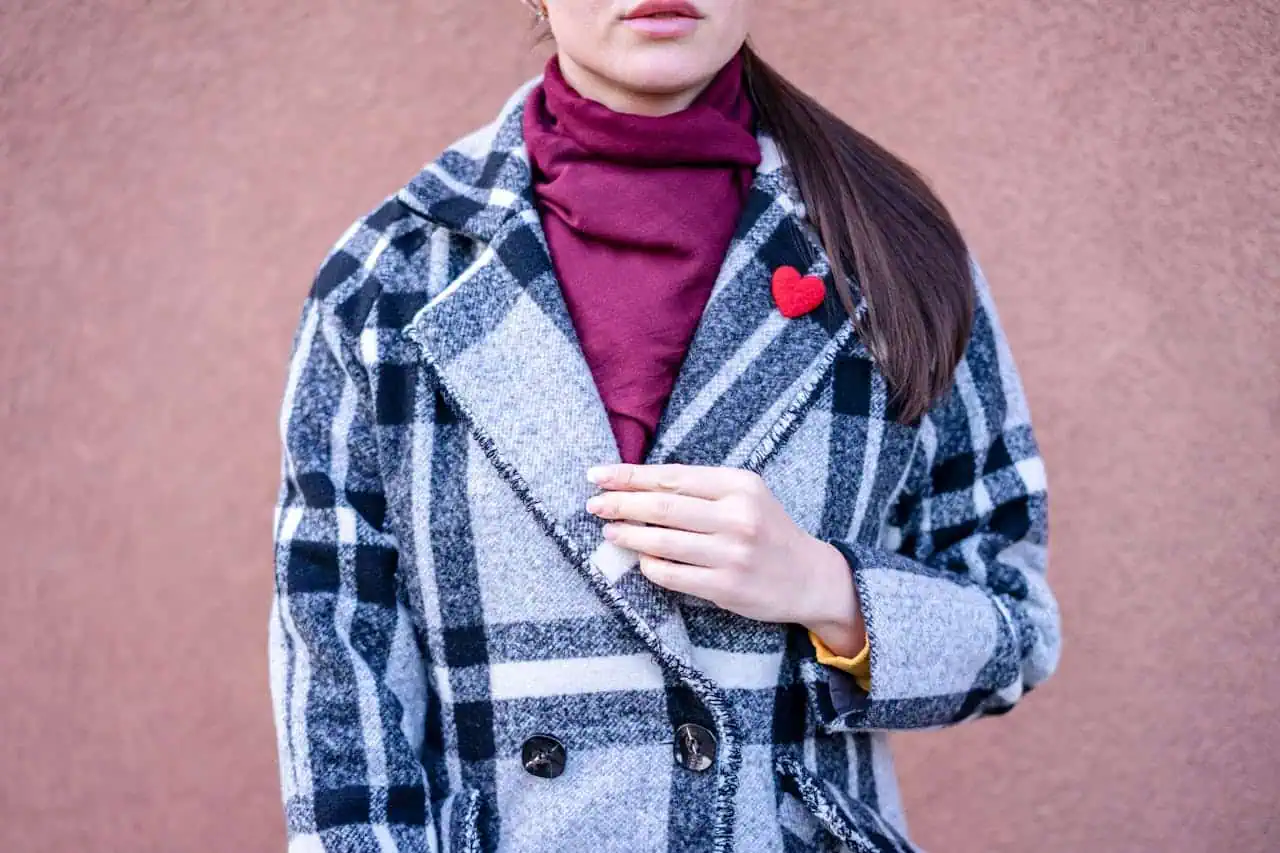
While oversized coats and jackets are trendy, they can swallow your frame—particularly after 50 when body definition becomes even more essential. Instead of defaulting to a roomy coat, try semi-fitted outerwear that gently skims your body. Trench coats with belts, longline blazers, or quilted jackets with shaping are better layering pieces that keep your outfit sleek. Oversized can work, but it needs structure and thoughtful pairing underneath.
5. Not Varying Textures
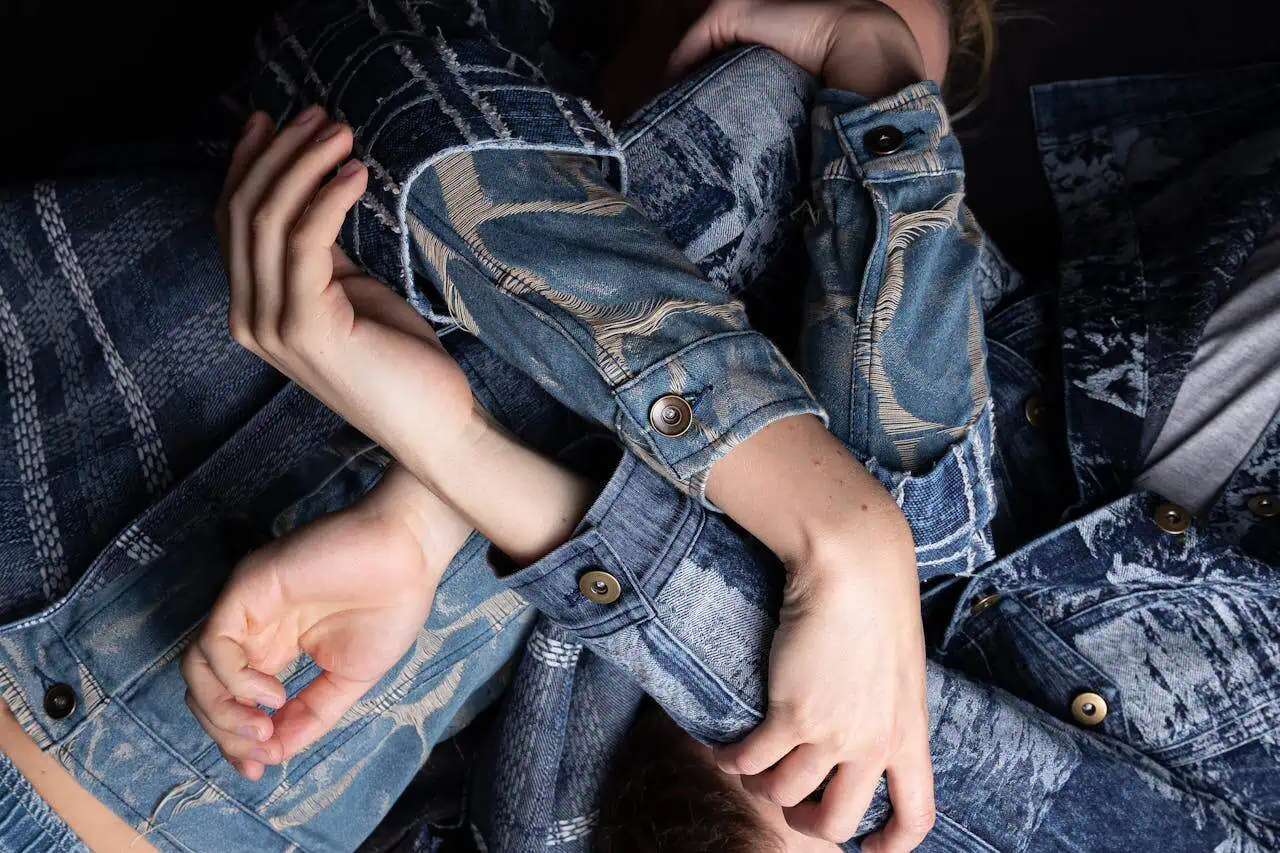
Layering multiple pieces of the same texture—like jersey on jersey or knit on knit—can create a visually flat, shapeless effect. Mixing textures gives your outfit dimension and prevents it from looking bulky. Try pairing a silk blouse with a cable knit sweater or a chambray shirt with a tweed jacket. The contrast draws the eye vertically and creates more interest while also avoiding the “stuffed” appearance that often comes from wearing similar-weight materials.
6. Forgetting About Necklines

A bulky turtleneck under a collared shirt or multiple layers creeping up your neck can look overly crowded and heavy. Instead, think about necklines that elongate—like V-necks or scoop necks—especially for your base layer. Add scarves strategically rather than piling on high-neck items. If you love a turtleneck, keep outer layers more open or structured to balance the look. A flattering neckline helps your face and frame shine, even with layers.
7. Layering Without Planning Color Flow
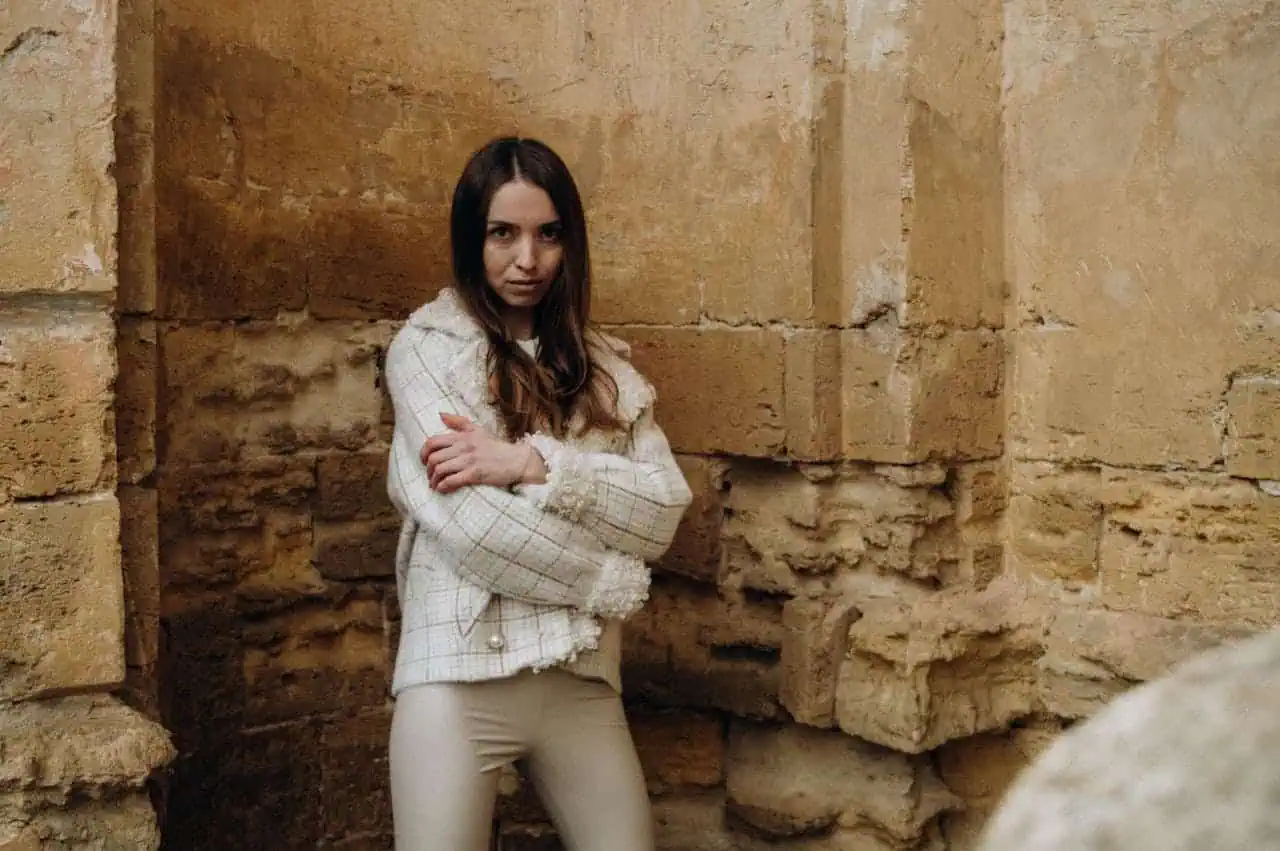
Layering with clashing or starkly contrasting colors can make an outfit look disjointed—and sometimes larger. Use tonal dressing or complementary shades to streamline your appearance. Monochrome or tonal layers (like soft greys, blues, or earth tones) create a cohesive silhouette. You can still add a pop of color with an accessory, but your layers should feel like a single intentional outfit rather than mismatched pieces thrown together.
8. Letting Your Layers Compete in Volume
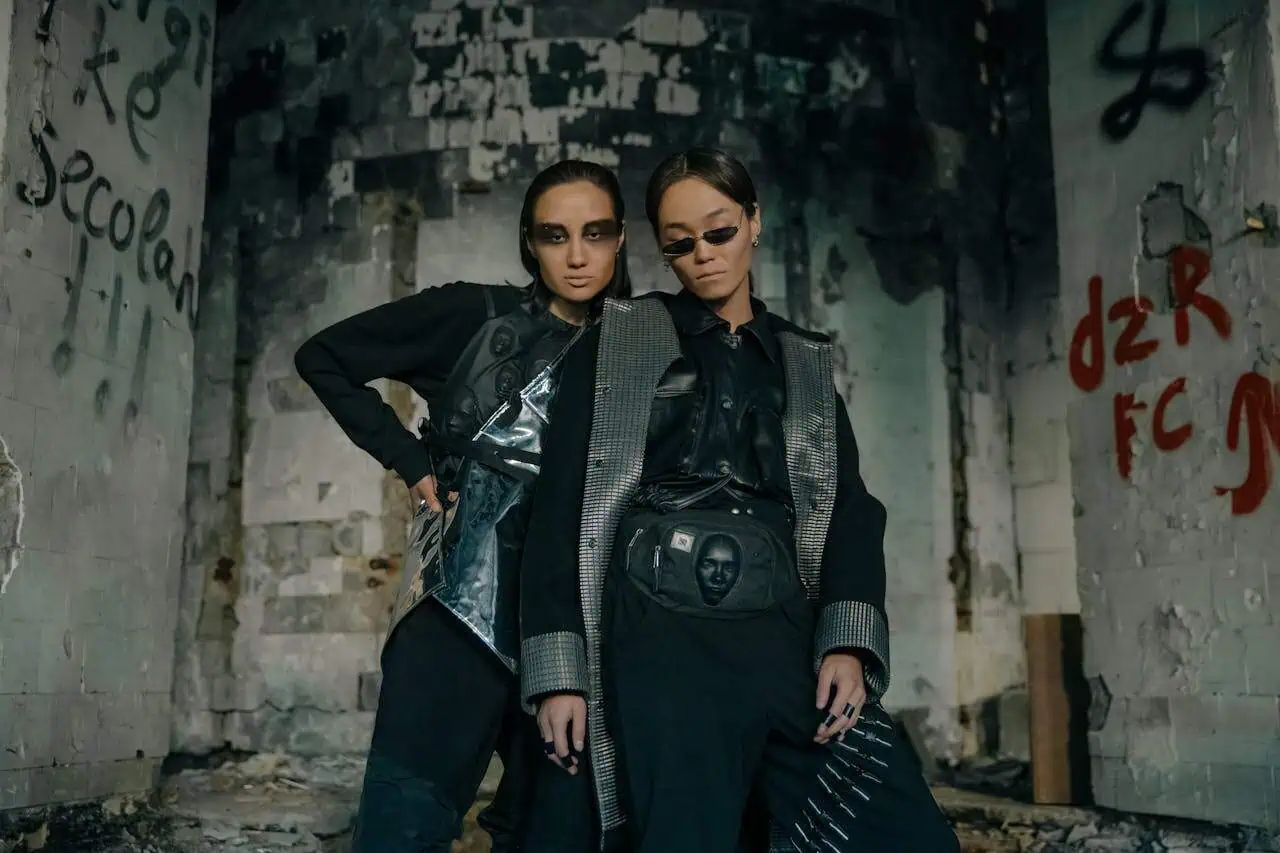
Volume-on-volume outfits can turn shapeless fast. If your top layer is roomy, like a cape or poncho, keep the underlayers close to the body. Slim-fitting pants, tapered tops, or belted waistlines prevent the entire outfit from ballooning. The same goes in reverse—if your top is fitted, you can play with a fuller skirt or wide-leg pant. Always think “balance”: only one voluminous piece at a time.
9. Wearing Too Many Visible Layers
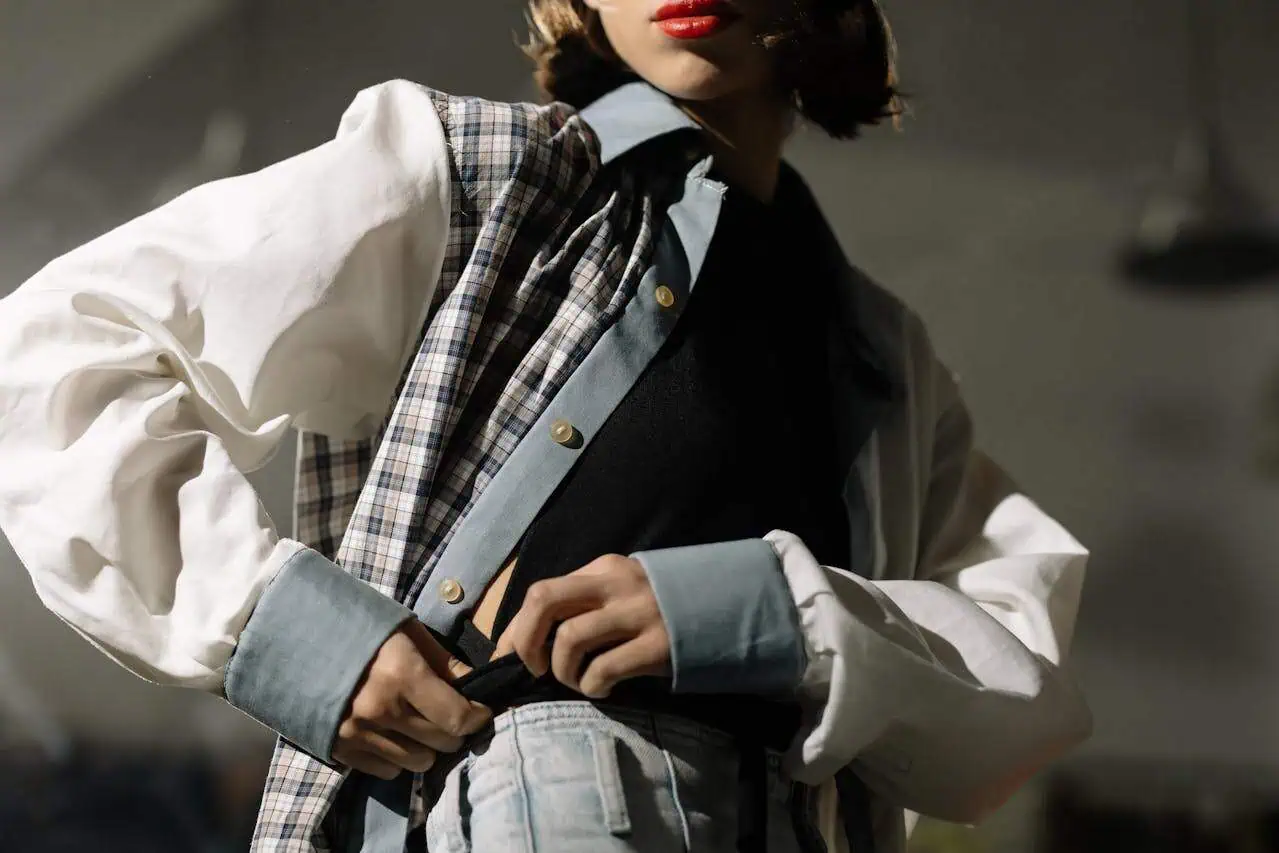
When you can see three or more layers clearly in one look—like shirt, sweater, and jacket all peeking out—it can overwhelm your frame. Layering should feel seamless, not obvious. Keep one or two layers visible and let others serve as subtle support underneath. Think of layering as an invisible structure that helps your outfit look great, not something that needs to be showcased in every detail.
10. Overlooking the Power of Undergarments

Bulky undergarments, like thick camisoles or poorly-fitted bras, can ruin even the best layering game. Smooth, well-fitting base layers lay the groundwork for everything else. Opt for thermal but thin materials if warmth is needed. Choose undergarments that contour rather than compress. When the base is seamless, your layers glide over the body naturally, and your outfit appears polished and light.
11. Neglecting Layer Length Variation
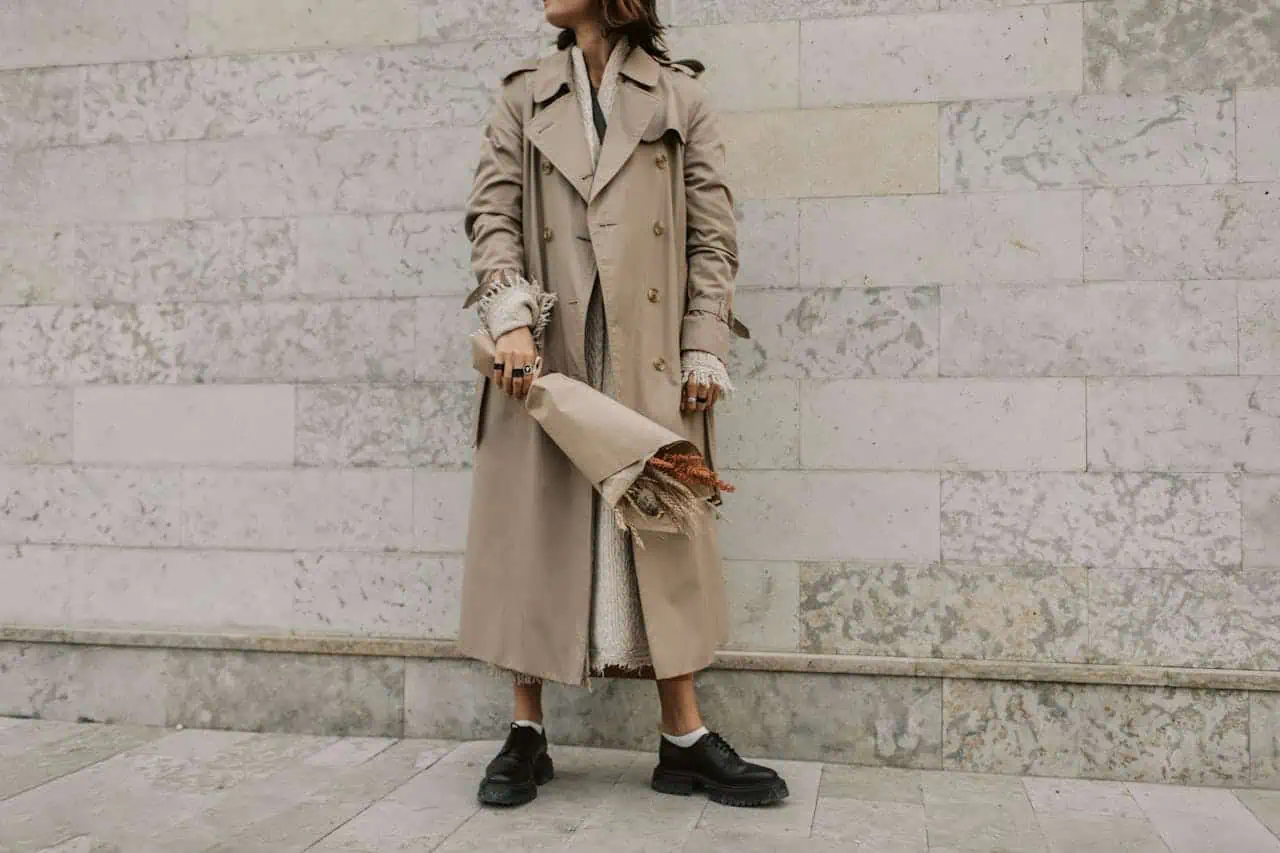
Wearing all layers the same length makes your outfit appear blocky. Play with different lengths to create movement. A long shirt peeking under a cropped sweater, or a duster over a midi dress, brings more dimension. These visual breaks help elongate your figure and prevent your layers from visually stacking on top of each other. This trick also helps when layering with dresses or skirts instead of just pants.
12. Adding Too Many Accessories on Top of Layers
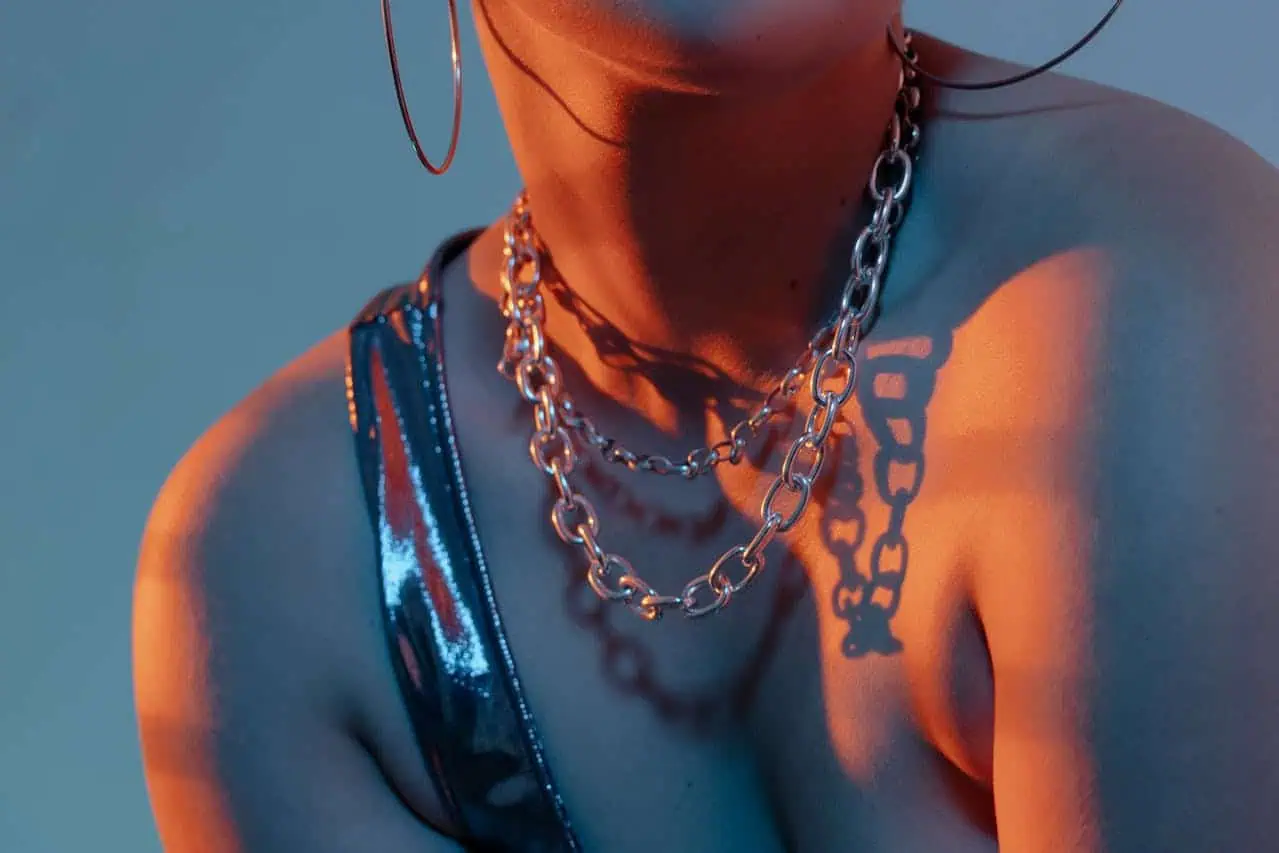
When you’re already layering clothes, piling on scarves, necklaces, hats, or bulky bags can make the whole look too busy. Instead, pick one or two statement accessories and keep the rest minimal. If your scarf is chunky, skip the statement necklace. If you’re layering interesting collars or cuffs, let those shine without extra adornment. Layering should elevate—not clutter—your outfit.
13. Not Considering Fabric Drape
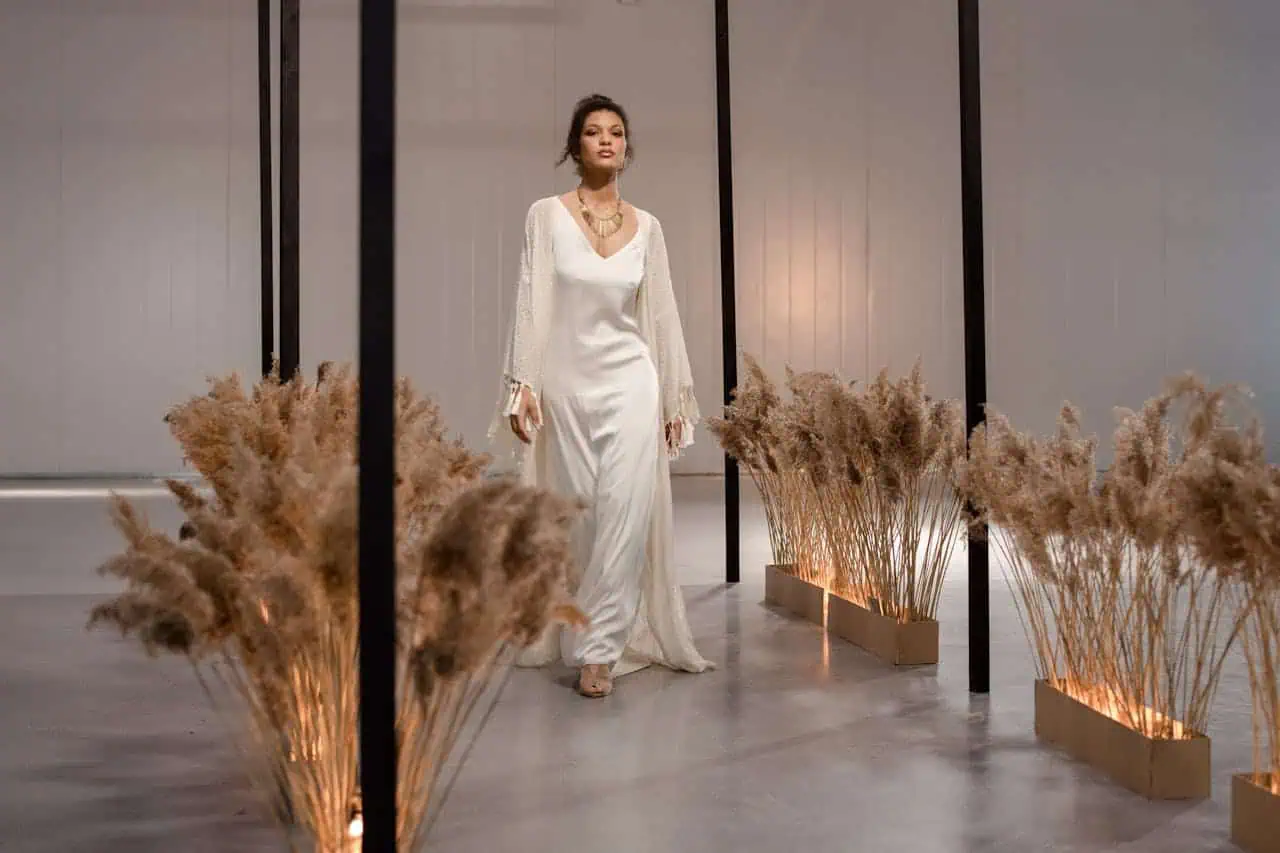
Stiff or rigid fabrics like canvas or denim on top of each other can make you feel stiff too. Focus on how each layer moves. A flowing blouse under a tailored vest or a soft cardigan under a structured coat gives you flexibility and grace. Drape adds elegance and reduces visual stiffness. Always test how your layers behave together when you move—sit, walk, lift your arms—to ensure a flattering fit and feel.
14. Ignoring Weather-Appropriate Layering
Sometimes we layer too much or too little simply because we didn’t check the weather. Over-bundling can lead to sweat and discomfort, while under-layering can leave you cold and rigid. Invest in breathable yet insulating pieces like merino wool or moisture-wicking synthetics that let you layer without bulk. Modern performance fabrics now allow better insulation with less volume—perfect for stylish, functional layering.