Fashion history tends to spotlight a handful of legendary names, but behind the biggest movements and style revolutions lie designers whose brilliance often escaped mainstream recognition. These unsung heroes helped shape silhouettes, break cultural barriers, redefine norms, and bring innovation to the forefront, yet their names remain lesser-known. Whether working behind the scenes, influencing luxury fashion, or challenging conventions, these designers made lasting marks that deserve celebration.
Table of Contents
1. Ann Lowe
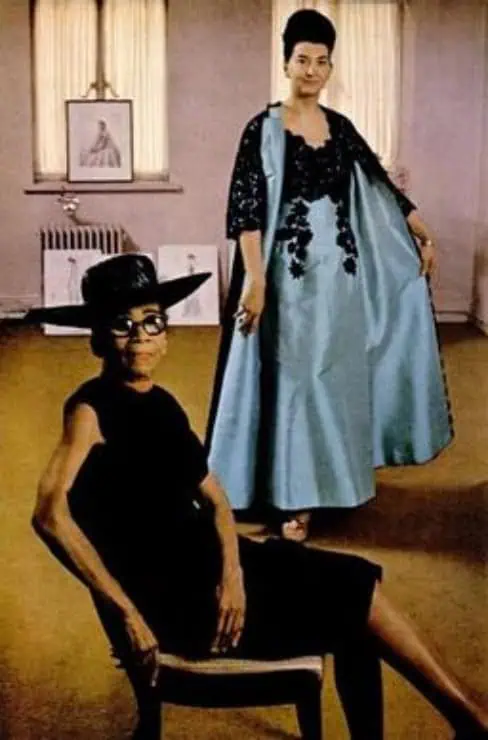
Ann Lowe was a trailblazing African American designer who created couture gowns for America’s elite, most famously, Jacqueline Kennedy’s wedding dress. Despite her immense skill and signature handwork, Lowe rarely received credit during her lifetime due to racial barriers in the industry. Her designs combined elegance with meticulous craftsmanship, and she often used floral motifs and fine fabrics that rivaled European couture houses. Lowe’s legacy remains a testament to perseverance, talent, and the unrecognized Black excellence that powered much of American fashion.
2. Claire McCardell
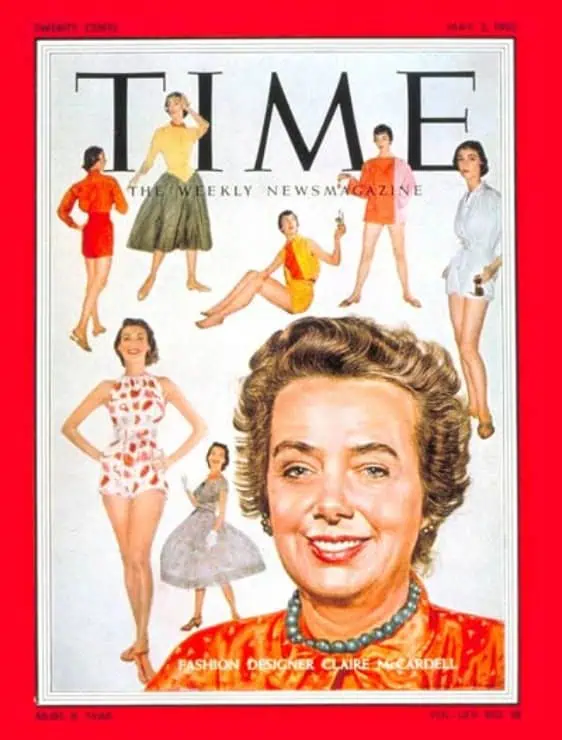
Known as the mother of American sportswear, Claire McCardell revolutionized how women dressed in the 1940s by creating clothing that was both functional and fashionable. Her use of practical fabrics, simple silhouettes, and ready-to-wear designs redefined women’s day-to-day wardrobes. She introduced innovations like ballet flats and wrap dresses well before they became trends. McCardell’s democratic approach to style made fashion more accessible and wearable, without sacrificing elegance or freedom.
3. Patrick Kelly
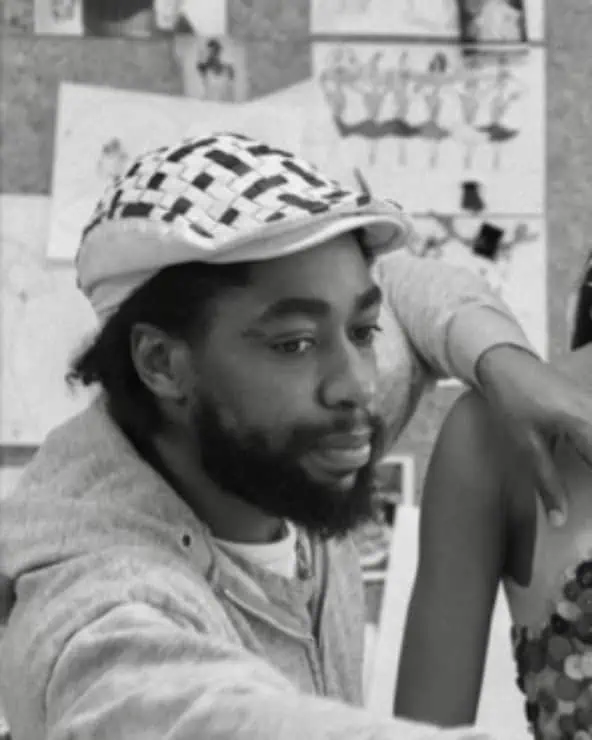
A groundbreaking African American designer in 1980s Paris, Patrick Kelly brought a bold, playful, and unapologetically joyful energy to fashion. His designs mixed pop culture references, Southern Black heritage, and avant-garde silhouettes. Known for his signature use of buttons and hearts, Kelly was also the first American designer to be admitted to France’s prestigious Chambre Syndicale. His work broke racial boundaries and challenged Eurocentric norms in haute couture.
4. Rudi Gernreich

Rudi Gernreich was a fearless designer who merged fashion with political and social statements in the 1960s. He introduced the monokini, unisex clothing, and body-conscious garments that challenged conventions around modesty, gender, and freedom. Often ahead of his time, Gernreich viewed clothing as a tool for cultural revolution. Though not a household name today, his futuristic ideas laid the groundwork for modern fashion’s boundary-pushing spirit.
5. Zelda Wynn Valdes
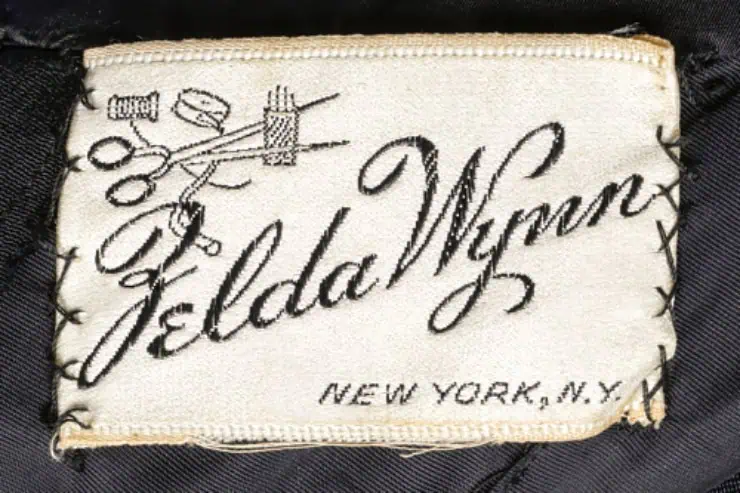
Zelda Wynn Valdes was a master designer best known for creating glamorous gowns for stars like Ella Fitzgerald, Eartha Kitt, and Josephine Baker and for designing the original Playboy Bunny costume. Her designs celebrated the curves of Black women at a time when mainstream fashion ignored them. As the first Black designer to open a shop on Broadway in New York City, Valdes used her success to mentor others through her work with the National Association of Fashion and Accessory Designers.
6. Nina Ricci (Maria Nielli)

While the fashion house Nina Ricci is well-known today, the woman behind it, Maria Nielli, who adopted her mother’s name professionally, is rarely discussed in depth. She established the label in 1932 and became known for her ultra-feminine, graceful silhouettes during the post-war era. Ricci’s work celebrated romance and refinement, often incorporating soft fabrics, floral details, and elegant tailoring. Though overshadowed by her brand’s perfume division, Ricci’s design influence helped define mid-century femininity.
7. Stephen Burrows
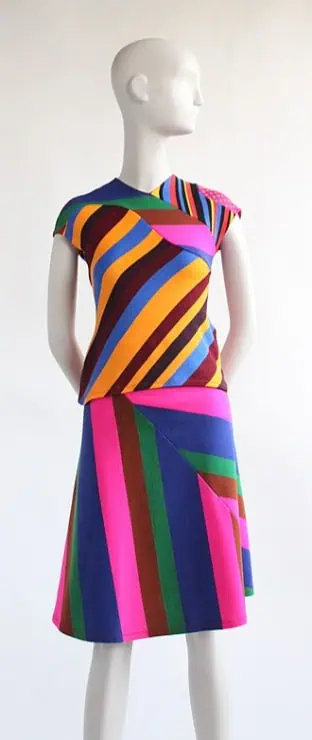
Stephen Burrows was a key figure in 1970s New York fashion, famous for his use of color-blocking, jersey fabrics, and fluid silhouettes that embodied disco-era glamour. As one of the first African American designers to gain international acclaim, Burrows also participated in the legendary 1973 Battle of Versailles Fashion Show. His lively, movement-friendly designs captured the spirit of freedom and nightlife, influencing generations of designers who followed.
8. Norma Kamali
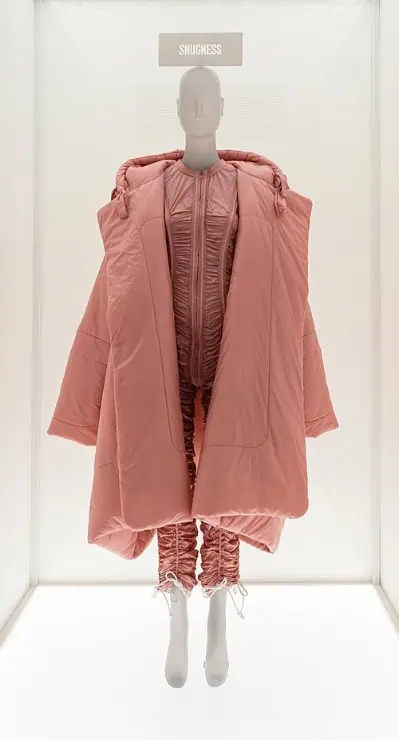
Norma Kamali brought innovative fabrics and hybrid designs into everyday wardrobes, helping to popularize parachute dresses, sleeping bag coats, and activewear-inspired fashion. Her approach blurred the lines between comfort and couture, especially during the 1980s. She’s also known for her wellness-forward thinking and body-positive designs. Though she never achieved the household recognition of some contemporaries, Kamali’s influence on athleisure and practical glamour remains strong in today’s fashion culture.
9. Sally Victor
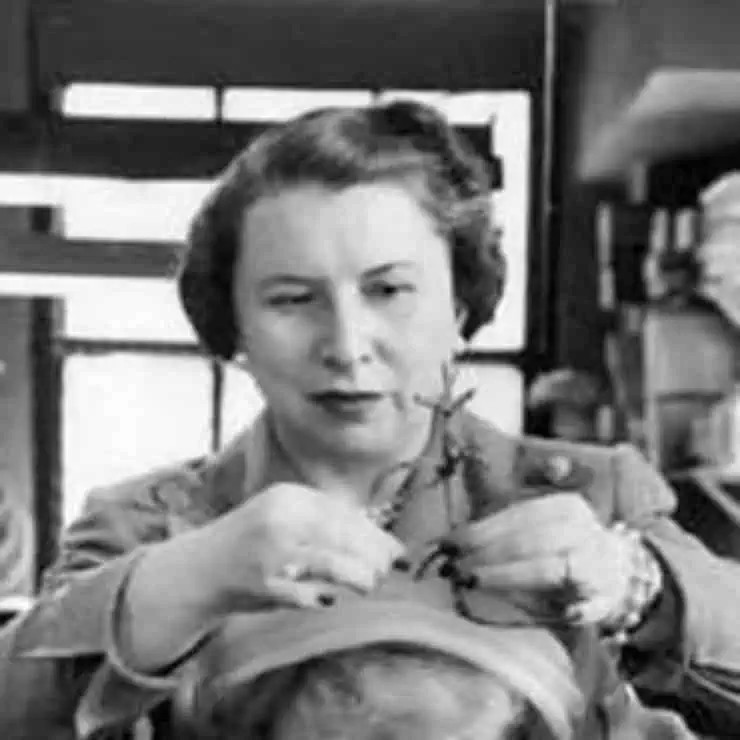
A forgotten genius of millinery, Sally Victor designed hats that became iconic from the 1930s through the 1950s. Her clients included First Ladies like Mamie Eisenhower and celebrities like Marilyn Monroe. Victor’s hats combined architectural brilliance with wearability, elevating headwear into a form of functional sculpture. Though hats have faded from everyday fashion, her imaginative work left a legacy of creativity and craftsmanship in American accessories.
10. Barbara Hulanicki
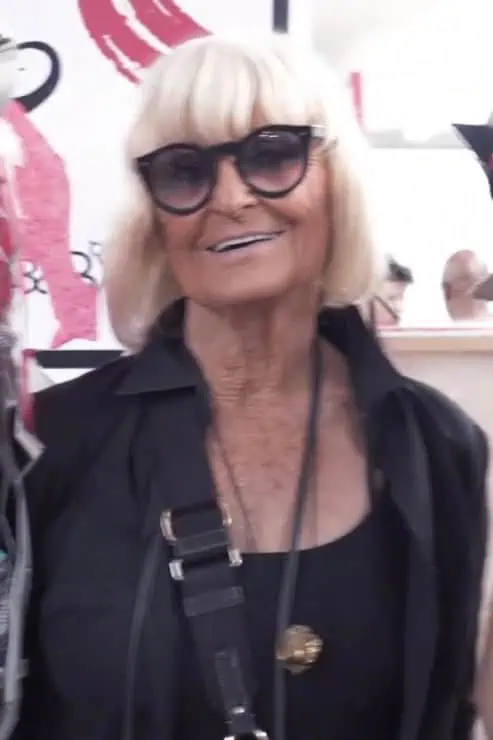
Barbara Hulanicki, founder of the iconic 1960s fashion label Biba, revolutionized youth fashion with her dreamy, affordable, and rebellious designs. Based in London, Biba became a cultural phenomenon, offering velvet mini dresses, feather boas, and Art Deco-inspired prints that contrasted sharply with mainstream fashion. Hulanicki’s genius lay in making high-style accessible to the younger generation, helping democratize fashion long before fast fashion existed. Despite her massive influence on the Swinging London look, she’s rarely credited alongside other 20th-century visionaries.
11. Pauline Trigère
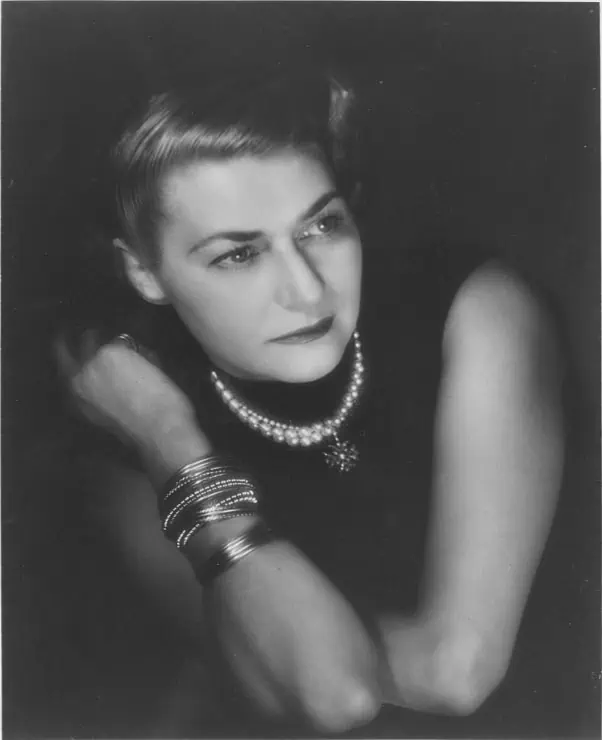
A French-American designer who defied convention, Pauline Trigère was celebrated for her impeccable tailoring, architectural draping, and refusal to conform to fleeting trends. She was one of the first designers to feature Black models on the runway and ran her business independently at a time when male-dominated fashion houses ruled. Her bold approach and enduring style continue to inspire designers today, though her name remains less known than it deserves.
12. Madeline Vionnet
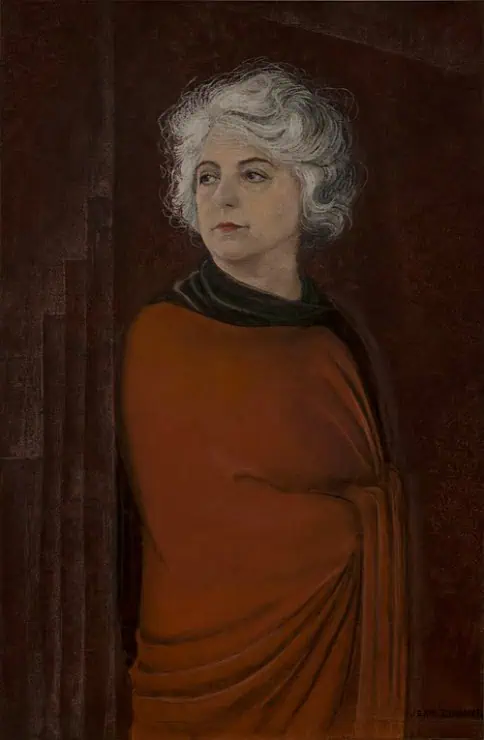
Madeline Vionnet was a genius of garment construction and the originator of the bias cut, one of the most revolutionary techniques in fashion history. Her fluid, draped gowns in the 1920s and ’30s celebrated natural movement and femininity without corsets. While designers like Galliano and McQueen have referenced her work, Vionnet herself remains under-credited by the general public. Her innovations laid the groundwork for modern couture’s emphasis on fabric as sculpture.