The 1970s were one of the most adventurous decades in fashion, with fearless colors, daring cuts, and styles that defined an entire cultural moment. While some of those trends have circled back into modern wardrobes like flared jeans or bohemian blouses others are better left in the past. These looks may have been celebrated then, but today they can feel impractical, unflattering, or simply out of step with modern style sensibilities. Let’s take a trip down memory lane and revisit 12 pieces women wore in the ’70s that wouldn’t quite work in today’s fashion landscape.
Table of Contents
1. Polyester Jumpsuits
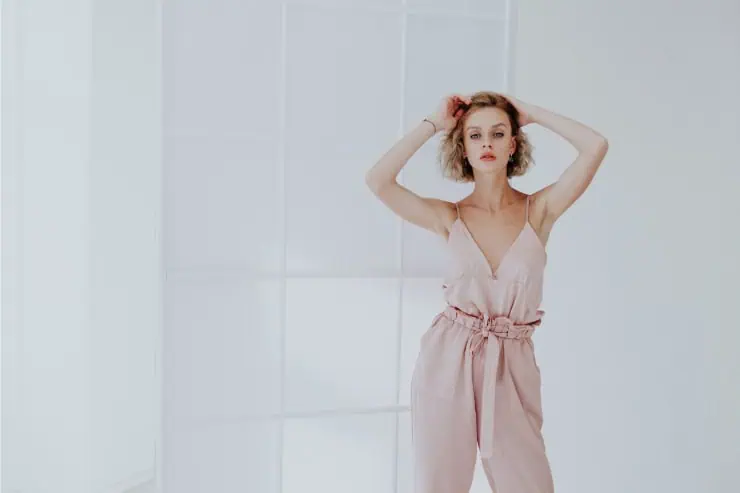
Polyester jumpsuits were a ’70s staple, celebrated for their bold colors and disco-ready vibe. But today, polyester in its original form feels dated, cheap, and uncomfortable. Modern fashion favors natural or high-tech fabrics that breathe, drape well, and offer flexibility. While jumpsuits themselves have made a big comeback, the overly shiny polyester versions of the past cling in unflattering ways and lack the sophistication of today’s tailoring. A wide-legged jumpsuit in quality fabric can look chic in 2025 but the sweaty polyester versions of the ’70s are better remembered as costume party relics.
2. Leisure Suits
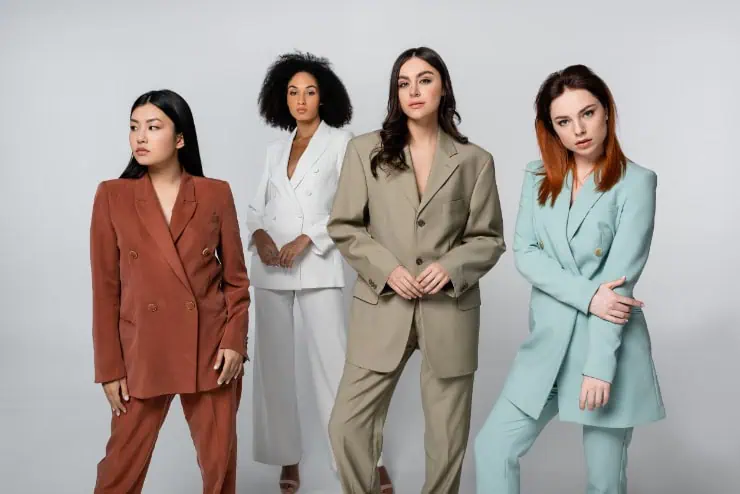
Leisure suits matching polyester jackets and pants in bold colors were a hit for both men and women. In the ’70s, they symbolized relaxed glamour and casual sophistication. Fast-forward to today, and they feel more like caricatures of that era than wearable fashion. Their synthetic fabric, boxy cuts, and garish hues look costume-like instead of chic. While coordinated sets are very popular now, the modern take uses softer tailoring and elevated fabrics like wool blends, silk, or linen. The polyester leisure suit remains a retro cliché, remembered fondly but not suitable for everyday wear.
3. Patchwork Denim
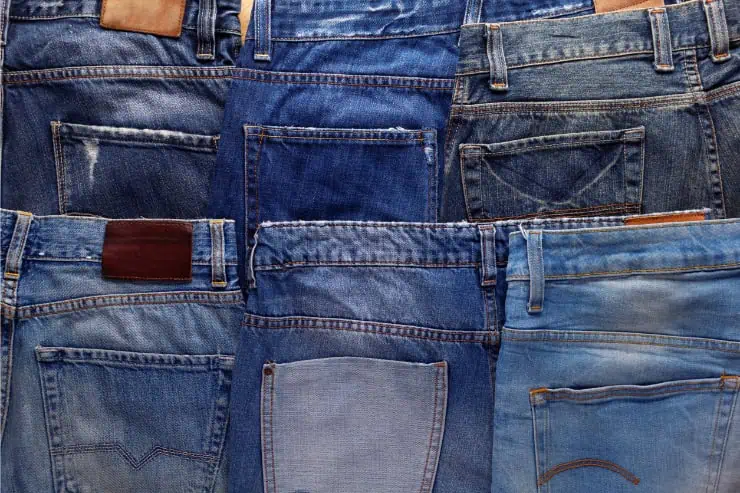
Patchwork denim was everywhere in the ’70s, from jeans to jackets to skirts. Women often stitched together scraps of denim in different washes, creating a handcrafted, bohemian look. While charming in its day, head-to-toe patchwork now feels too busy and contrived. Today’s denim trends lean toward clean lines, minimal distressing, and sleek tailoring. A small patch or subtle repair might feel modern and artsy, but a fully patchwork maxi skirt or jeans look more like a costume than an intentional style choice. The modern wardrobe favors simplicity and polish over chaotic textures.
4. Tube Tops

The tube top, a strapless elastic band of fabric, was a ’70s sensation for casual summer style. At the time, it was bold, youthful, and carefree. Today, however, tube tops often feel impractical, unsupportive, and unflattering on most body types. Modern alternatives like off-the-shoulder tops or fitted camisoles provide the same summery vibe with better fit and coverage. While tube tops occasionally pop up on runways, they don’t translate into everyday wear for most women. The ’70s made them fun and flirty, but in today’s fashion landscape, they’re rarely seen outside beachwear.
5. Prairie Dresses
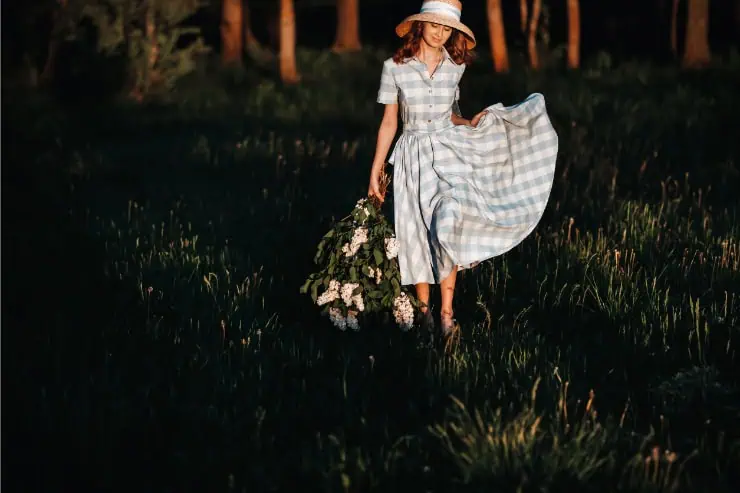
Prairie dresses long, ruffled, high-necked dresses with busy floral prints were hugely popular in the ’70s, inspired by nostalgia for frontier fashion. While romantic at the time, these dresses can overwhelm the modern silhouette, especially with their voluminous sleeves and ankle-grazing hems. Today’s fashion prefers sleeker versions of bohemian style, with flowy dresses that balance structure and ease. A maxi dress in lightweight fabric with subtle prints feels modern, but the frilly, high-neck prairie dress looks more like a costume from Little House on the Prairie than a chic everyday option.
6. Platform Shoes (Extreme Heights)
Platforms were iconic in the ’70s towering shoes with chunky soles that often reached impractical heights. While platforms are still trendy today, the extreme versions of the ’70s sometimes adding six inches or more feel unsafe and outdated. Modern platforms focus on balance and comfort, blending height with stability in sneakers, sandals, and ankle boots. The ’70s versions, with glitter, plastic, or sky-high cork soles, belong more to disco nostalgia than current wardrobes. Today’s women want shoes that combine style and practicality, something extreme ’70s platforms simply don’t deliver.
7. Hot Pants
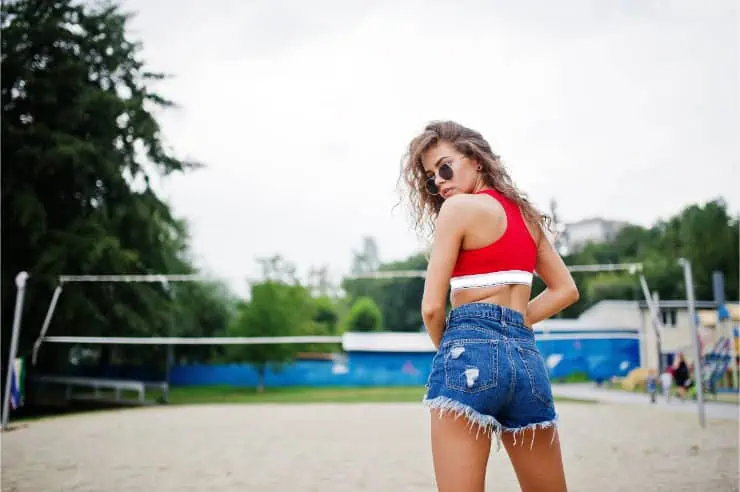
Hot pants ultra-short shorts made from shiny fabrics like lamé or velvet were one of the boldest ’70s trends. They symbolized liberation and confidence but left little to the imagination. In modern fashion, hot pants feel impractical and over-the-top, especially outside of performance wear. While short shorts still exist, they’re styled in more wearable fabrics like denim or cotton, with looser fits that balance proportion. The tiny, body-hugging hot pants of the ’70s are remembered as a daring experiment, but they don’t align with today’s emphasis on versatility and comfort.
8. Head-to-Toe Fringe
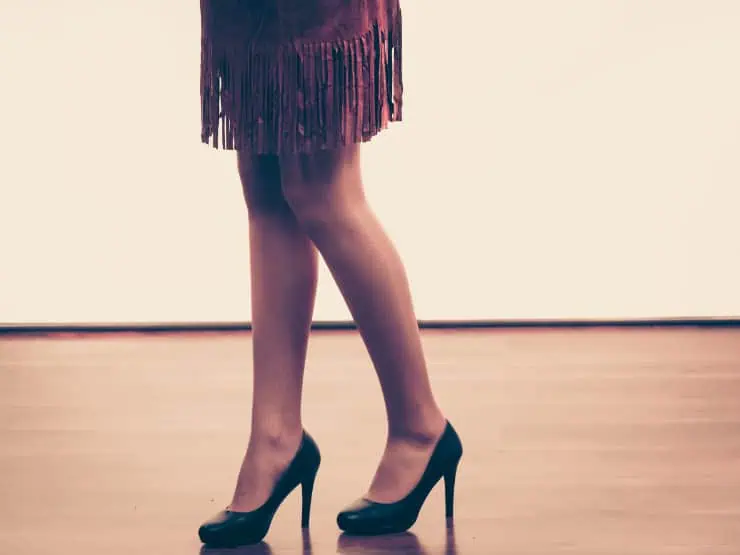
Fringe was everywhere in the ’70s jackets, vests, skirts, even handbags reflecting the bohemian and Western influences of the era. While fringe can be stylish in moderation today, the head-to-toe fringe outfits of the past look overwhelming and costumey. Modern fashion uses fringe as an accent, perhaps on a handbag or the hem of a jacket, not as the main event. Too much fringe can weigh down an outfit and feel dated. In the ’70s, it was a sign of counterculture chic, but in 2025, restraint is what makes fringe fashionable.
9. Wraparound Skirts with Ties
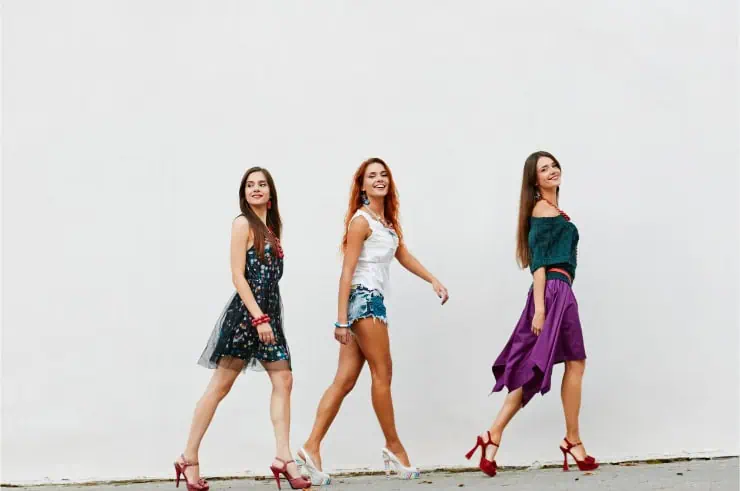
Wraparound skirts were a casual favorite in the ’70s, often made of cotton with simple tie closures. While comfortable, they were prone to wardrobe malfunctions and lacked structure. In today’s fashion, skirts with clean tailoring, elastic waists, or hidden closures feel more secure and flattering. A wrap skirt can work in 2025 if it’s thoughtfully designed with proper draping, but the flimsy tie-at-the-hip versions of the ’70s don’t translate well. They feel unfinished and impractical by modern standards, where women prioritize both style and functionality in their clothing choices.
10. Crochet Everything
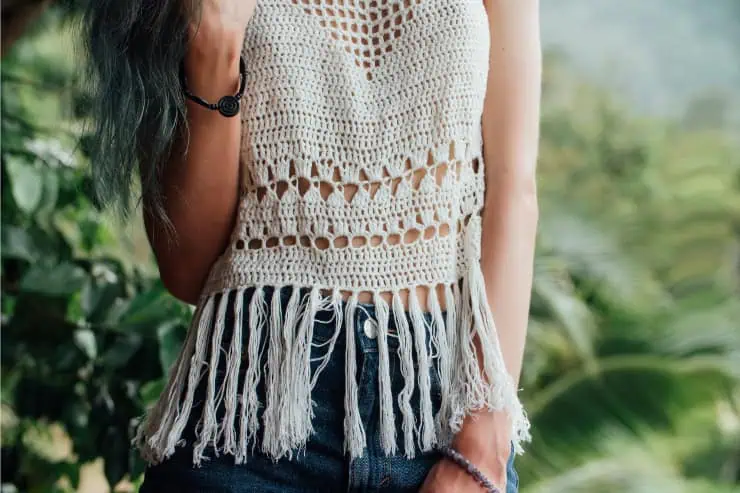
Crochet vests, dresses, bikinis, and tops were wildly popular in the ’70s, celebrated for their handcrafted feel. While crochet pieces still have a place in modern wardrobes, the overuse of it especially in full outfits feels dated. A crochet bag or light top can look chic today, but head-to-toe crochet often comes across as costume-like or impractical. The loose, see-through weave also creates layering challenges. In 2025, women want versatility, and crochet in excess lacks the polish and adaptability of other fabrics. The ’70s aesthetic lives on, but in smaller doses.
11. Kaftans for Everyday Wear

Kaftans were beloved in the ’70s as glamorous loungewear and casual daywear. Flowing, colorful, and dramatic, they were a symbol of easy elegance. While kaftans still have a place at the beach or as resort wear, wearing them as everyday fashion doesn’t quite work today. Modern style leans toward structured silhouettes that balance comfort with polish. Kaftans can overwhelm petite frames and lack the versatility needed for most women’s wardrobes. They remain beautiful for special occasions, but the everyday kaftan look of the ’70s doesn’t seamlessly fit into 2025’s lifestyle.
12. Wide Collars and Lapels
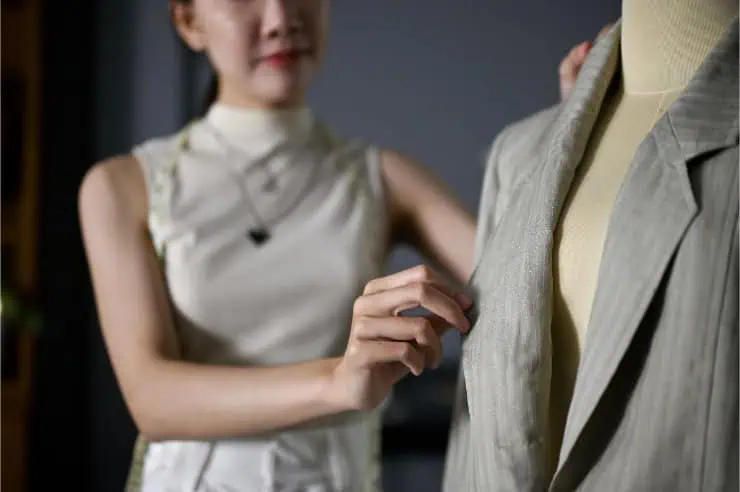
One of the most recognizable fashion details of the ’70s was the oversized collar or lapel often paired with blazers, dresses, or jumpsuits. While dramatic at the time, these exaggerated proportions look dated today. Modern tailoring favors subtle lapels and sleek necklines that frame the face without overwhelming it. Large collars also compete with jewelry and accessories, making them harder to style. Today’s updated blazers and shirts use cleaner lines, ensuring timeless appeal. The bold collars of the ’70s remain iconic in photos, but they don’t translate as chic staples in a modern wardrobe.