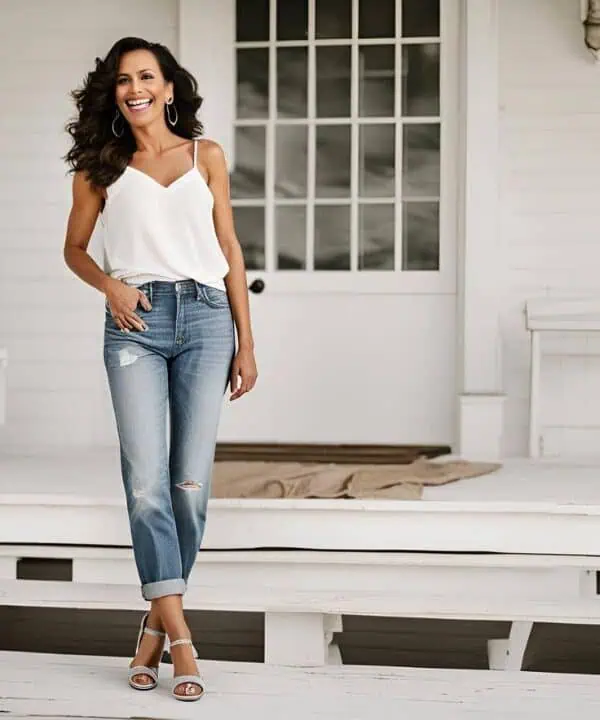
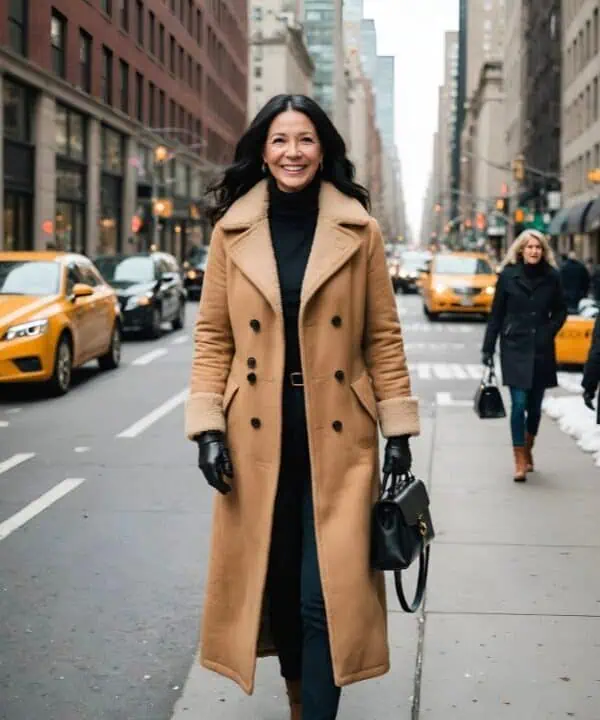
The 1960s were a pivotal decade for women’s rights, yet fashion was still tightly regulated by societal norms and outdated rules. Back then, women were told what they could and couldn’t wear based on their gender, marital status, or workplace role. Some clothing choices were even banned in schools or workplaces for being “unladylike.” Fast forward to today, and many of those once-forbidden fashion items are now staples in every woman’s wardrobe. Here are 12 surprising things women couldn’t wear freely in the 1960s but can proudly rock today.
Table of Contents
1. Pants in Public Places
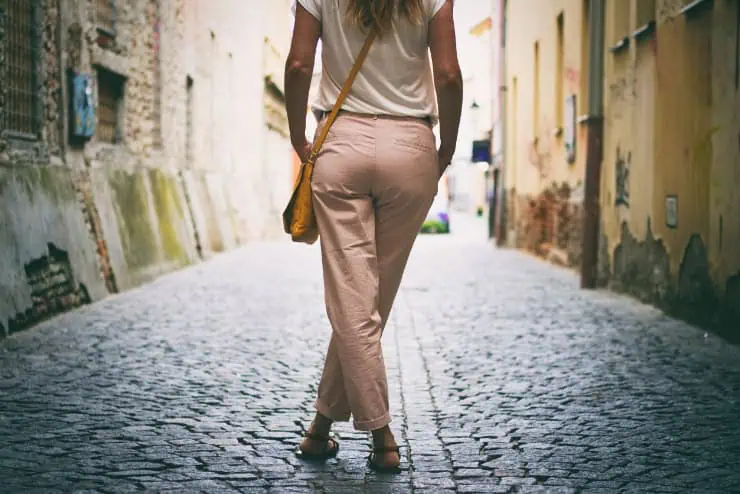
In the early 1960s, women wearing pants especially in professional or formal settings was considered improper and even rebellious. Many schools, restaurants, and offices banned women from wearing slacks altogether. It wasn’t until later in the decade that style icons like Katharine Hepburn and Audrey Hepburn began normalizing tailored trousers for women. Today, pants are a core wardrobe essential, worn for business, leisure, and everything in between, no longer a symbol of defiance, but of freedom and function.
2. Mini Skirts
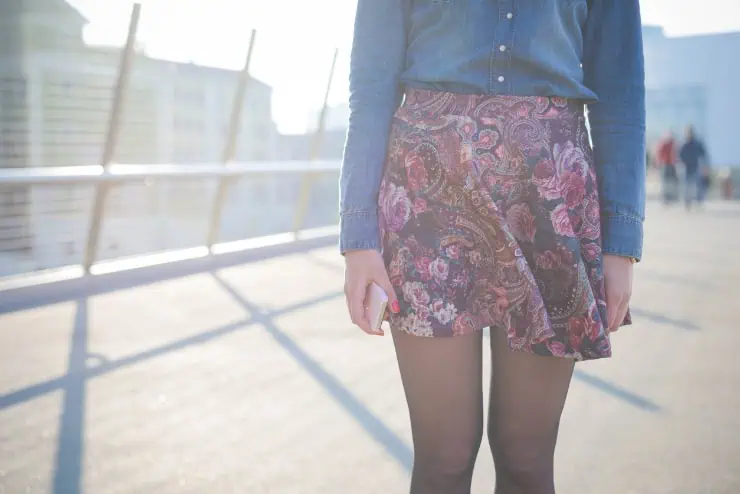
When mini skirts hit the scene in the mid-60s, they sparked moral outrage and controversy. Many viewed them as scandalous and inappropriate, especially if the hem rose more than a few inches above the knee. Some schools and public venues even refused to allow women wearing them inside. Today, the mini skirt is a fun, youthful fashion choice embraced by all ages, worn with everything from sneakers to boots, and seen as just another silhouette in fashion’s vast vocabulary.
3. Bikinis
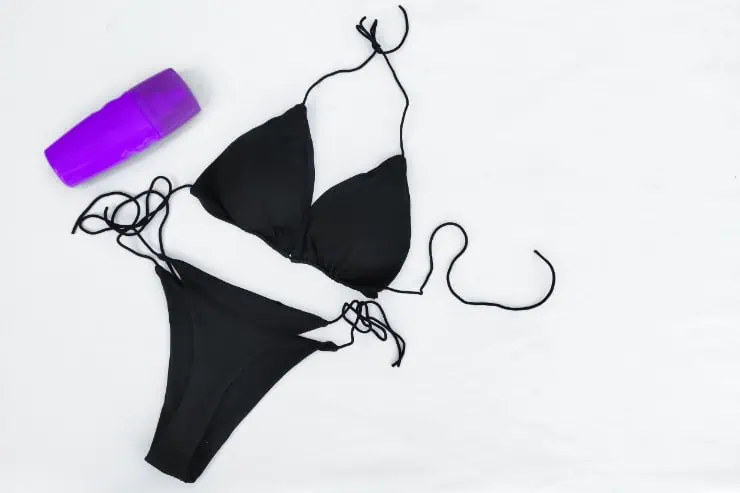
Bikinis were still taboo in many parts of the world in the early ’60s. Women who wore them on public beaches were often shamed, and in some places, even fined or asked to leave. The style was considered far too revealing for “respectable” women. By the end of the decade, thanks to figures like Brigitte Bardot and Ursula Andress, bikinis gained popularity, but controversy lingered. Today, bikinis are a swimwear staple, available in endless variations, and widely accepted without scandal.
4. Visible Bras or Bra Straps
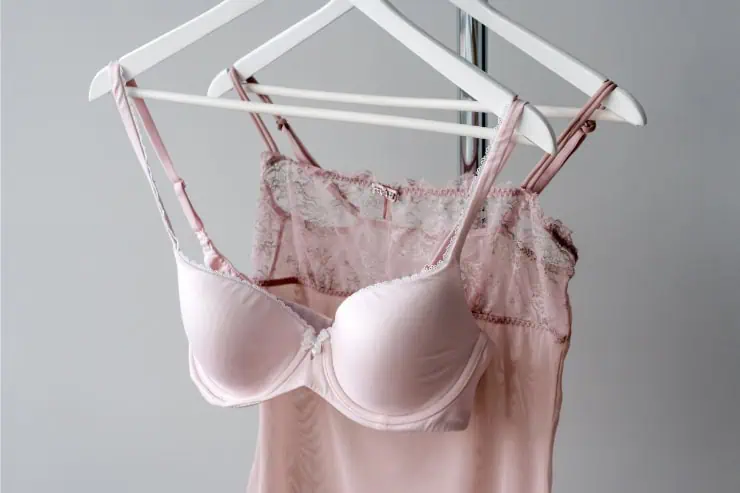
The idea of a bra strap peeking out in the 1960s was considered indecent. Undergarments were meant to remain completely hidden, and women often layered carefully to ensure nothing showed through. Fast forward to today, and visible bra straps, bralettes, and even lingerie-inspired tops are fashion-forward statements. Whether styled under a blazer or worn with intention, these pieces celebrate body confidence and personal expression, far from the shame-based rules of the past.
5. Bold Makeup Looks
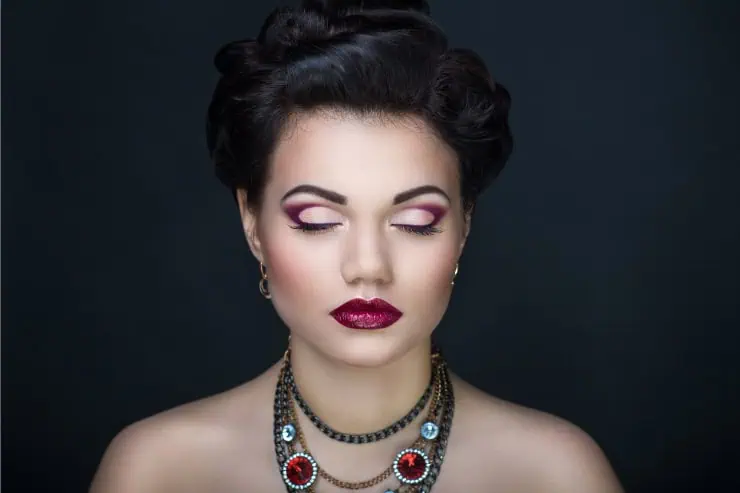
In the early ’60s, makeup was expected to be minimal and natural. Women who wore dark eyeliner, bright lips, or dramatic lashes were often labeled as inappropriate or trying too hard. While mod icons like Twiggy helped shift this in the mid-60s, society was still slow to accept experimental beauty. Today, bold makeup is celebrated across ages and cultures, with glitter eyeshadow, graphic liner, and colorful lipstick considered creative tools, not character flaws.
6. Sleeveless Dresses in Professional Settings
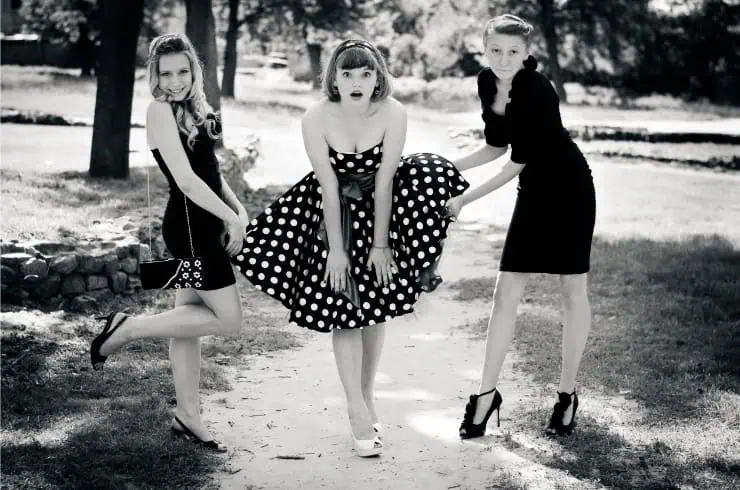
In many workplaces, sleeveless dresses or tops were considered too casual or revealing for women. Covering the arms was part of appearing “respectable” or “proper.” Even Jackie Kennedy, known for her style, was occasionally criticized for showing bare arms. Today, sleeveless styles are common in both corporate and casual settings. Whether in sheath dresses, tank tops, or sleeveless blouses, bare arms no longer equate to a lack of professionalism or decorum.
7. Jeans
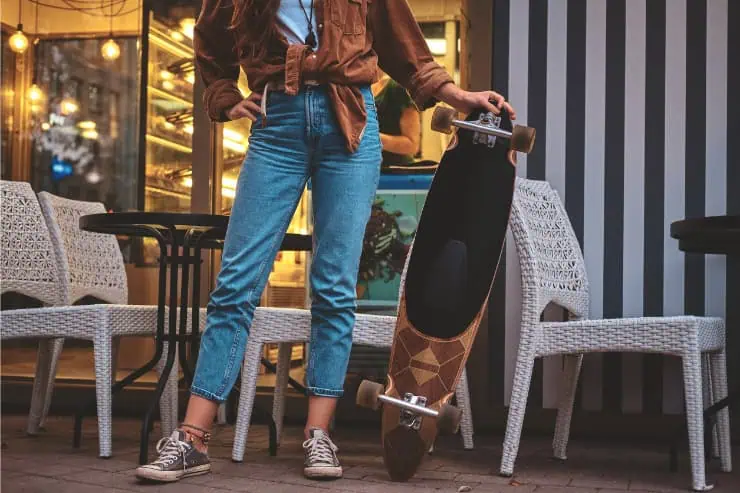
Denim was once seen as strictly male attire, or worse, “rebellious” wear associated with beatniks and greasers. Women in the ’60s risked social judgment just for wearing jeans in public, especially if the style was tight or low-slung. Gradually, designers like Levi’s introduced cuts tailored for women, and style icons began to embrace denim openly. Today, jeans are as essential for women as they are for men, embraced in all cuts, washes, and styles for every occasion.
8. Leather Jackets
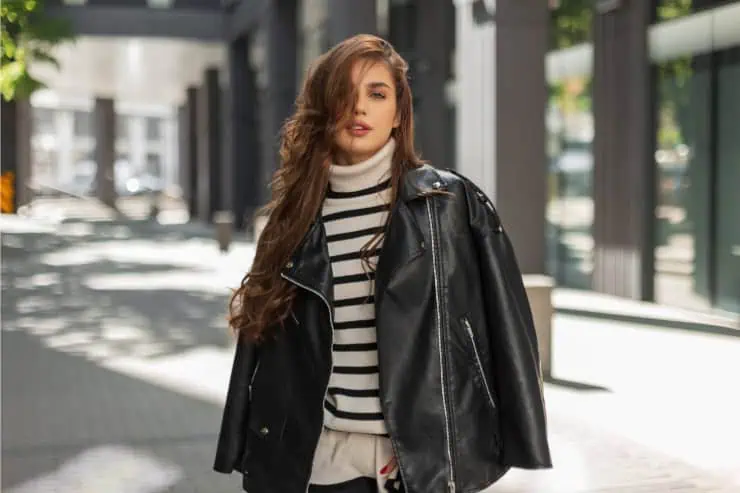
Leather jackets in the ’60s were associated with motorcycle gangs or rebellious men, not something a “respectable” woman would wear. When women did adopt the style, it was often as a direct challenge to traditional femininity. The image of the “bad girl” in a leather jacket was provocative and often frowned upon. Now, leather jackets are timeless staples worn by everyone. They symbolize strength, style, and individuality, no longer rebellion, just confidence.
9. Flat Shoes in Formal Settings

Heels were once seen as a non-negotiable part of being dressed up, especially in the 1960s. Wearing flats to formal events was considered unfeminine or underdressed. Women who chose comfort over height were often judged. Today, flats ballet styles, loafers, mules, are not only acceptable but often preferred. They’ve become fashion-forward choices, proving you can look elegant without enduring discomfort.
10. Jumpsuits
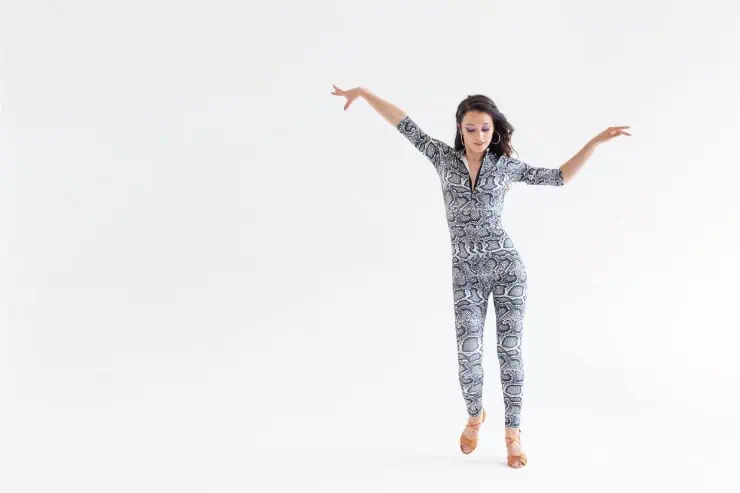
In the 1960s, jumpsuits were primarily utilitarian, worn by mechanics or skydivers, not a legitimate fashion choice for women. When designers began introducing them into high fashion, the response was mixed, with some praising the boldness and others criticizing the masculinity. Today, jumpsuits are widely embraced for their style, ease, and versatility. From wide-leg silhouettes to tailored fits, they’re worn for everything from brunch to black-tie events.
11. Menswear-Inspired Outfits

Blazers, trousers, and oxford shoes on women were once viewed as radical. If a woman dressed in menswear-inspired fashion in the ’60s, it was often seen as a political statement or an act of rebellion. Icons like Marlene Dietrich and later, Diane Keaton, helped normalize the look. Now, menswear influences are celebrated in women’s fashion, from oversized blazers to wide-legged trousers, symbolizing empowerment, not rebellion.
12. Graphic Tees or Protest Clothing

In the ’60s, political or message-bearing clothing was often reserved for activists and seen as controversial or “inappropriate” for women to wear in public. Clothing was expected to remain neutral, feminine, and apolitical. Now, graphic tees, protest slogans, and personal messaging through fashion are powerful tools of self-expression. From feminist slogans to environmental statements, modern women embrace clothes that reflect their voice and they wear them proudly.