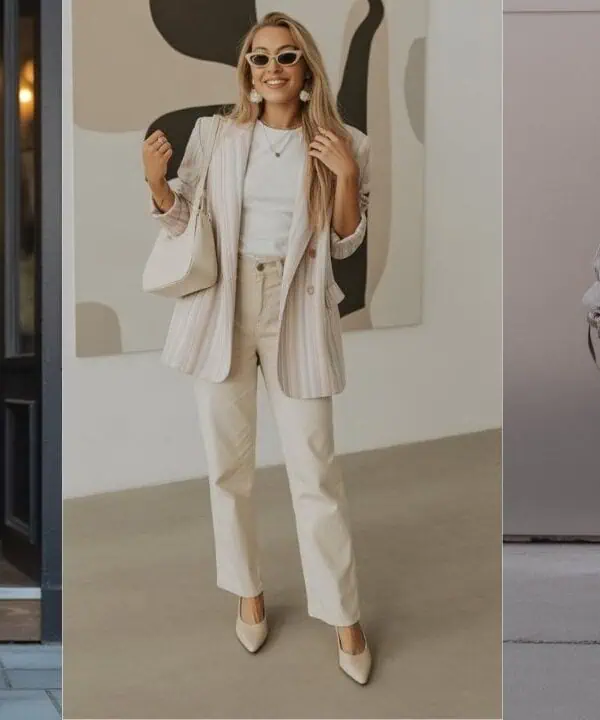
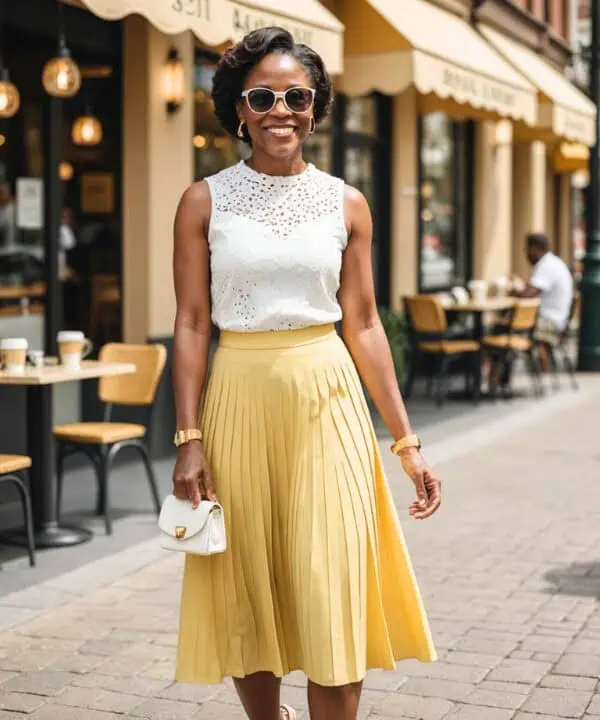
The 1960s were a time of significant cultural change, yet many restrictions on women’s dress were still rigidly enforced. Social norms, school dress codes, and even laws dictated what was “appropriate” for women to wear, often limiting their self-expression and autonomy. Choices that seem mundane today, like wearing pants or showing a bare midriff, could provoke outrage or even punishment back then. But fashion is one of the most visible forms of progress, and what was once forbidden has become everyday. Here are 12 things women couldn’t wear in the 1960s that are completely normal and celebrated now.
Table of Contents
1. Pants in the Workplace

In the 1960s, women were often banned from wearing pants to work, especially in white-collar or office environments. Trousers were considered strictly male attire, and many companies enforced dress codes requiring skirts or dresses. A woman in slacks could be seen as unprofessional or rebellious. It wasn’t until the 1970s that pantsuits and tailored trousers became acceptable businesswear for women, thanks to designers like Yves Saint Laurent and pioneering women pushing the boundaries.
2. Mini Skirts

Wearing a mini skirt in the 1960s could spark controversy, outrage, or even police attention. When Mary Quant popularized the mini, many conservative circles saw it as scandalous and indecent. Women could be denied service, sent home from school, or shamed for showing too much leg. But by the late ’60s, the mini skirt had become a symbol of youthful rebellion and female liberation. Now, mini skirts are a common fashion choice in all seasons, worn without second thought and celebrated as a fun, flirtatious wardrobe piece, proof that a hemline can signal much more than style.
3. Braless Tops

Going braless in public during the 1960s was nearly unthinkable, even under clothing. Bras were seen as necessary undergarments for modesty and femininity. Women who chose not to wear one were often labeled unfeminine, indecent, or rebellious. The braless movement only began gaining traction in the late 1960s as part of broader feminist protests. Today, going braless, or wearing clothing that clearly shows it, is considered a personal comfort choice.
4. Bold, Bright Makeup
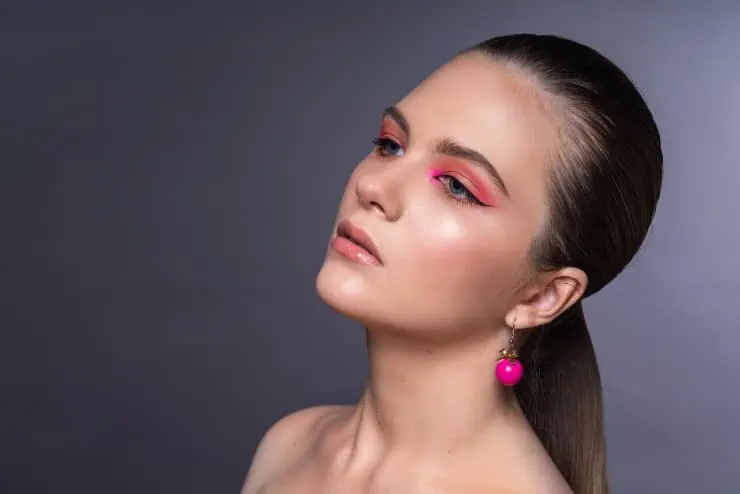
Makeup in the early ’60s was often demurs soft pinks, subtle eyeliner, and a polished, ladylike finish. Anything bolder was associated with rebellion or even “bad behavior.” Bright eyeshadows, exaggerated liner, and colorful lipsticks weren’t widely accepted for everyday wear. It wasn’t until icons like Twiggy and later the punk and glam movements that bold makeup became trendy. Today, bright eyeliner, glitter, and graphic styles are celebrated as artistic expression.
5. Sleeveless Dresses in Formal Settings

In the 1960s, sleeveless dresses especially in formal or religious settings were often frowned upon or considered inappropriate. Many schools and churches enforced strict rules requiring women to cover their shoulders, sometimes even demanding a cardigan be worn over sleeveless styles. This modesty standard was tied to a broader belief in female decorum. Nowadays, sleeveless dresses are worn to weddings, boardrooms, and even places of worship without question.
6. Jeans in Public
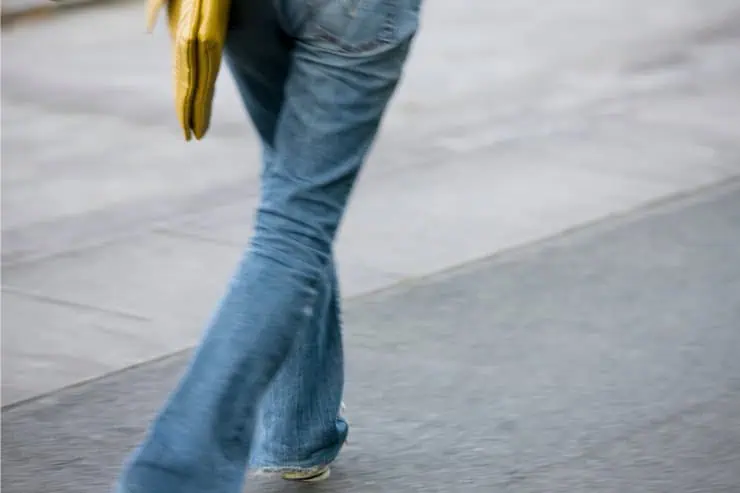
Jeans were once considered strictly men’s or children’s attire and completely inappropriate for grown women, especially in public. In the early ’60s, women wearing denim could be denied entry into restaurants, theaters, or schools. Even when women began wearing jeans casually, it was still considered rebellious. But the rise of youth culture and changing gender roles in the late ’60s helped shift perceptions. Fast forward to today, and jeans are a daily wardrobe staple for women of all ages and styles, ranging from distressed and casual to dark and tailored for the office.
7. Bikinis at the Beach

When the bikini was introduced in the 1940s, it was considered scandalous, and by the 1960s, it still faced backlash in many areas. Some beaches banned the two-piece suit entirely, and women wearing one risked being fined or harassed. While icons like Brigitte Bardot helped normalize bikinis in film and fashion, public acceptance was slow. Today, bikinis are as standard as sunscreen at the beach. With endless variations in cut, coverage, and style, bikinis now symbolize body confidence and self-expression.
8. Leather Jackets and Motorcycle Gear
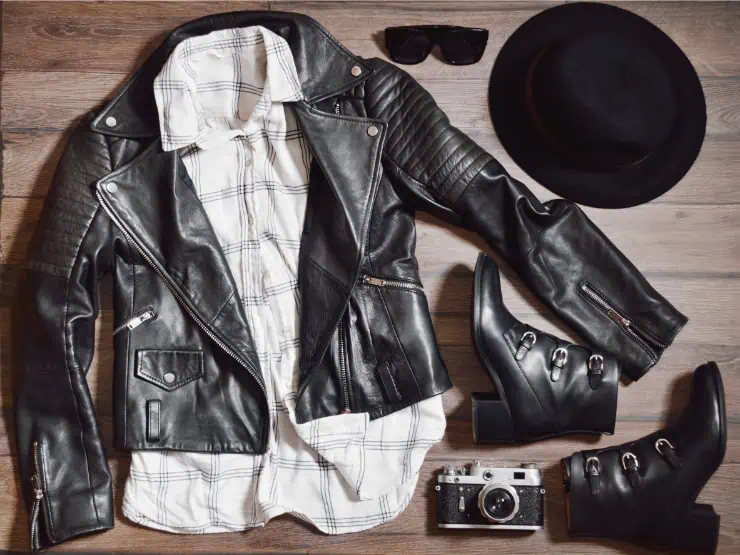
In the 1960s, leather jackets were associated with rebellion, male greasers, or subcultures like motorcycle gangs, not with everyday women. If a woman wore one, she was often seen as unfeminine or trying to emulate a man. The image was rebellious, edgy, and sometimes threatening to traditional femininity. But as music and fashion evolved, leather jackets became icons of cool. Today, women wear moto jackets with everything from dresses to jeans, blending toughness with chic appeal.
9. Menswear-Inspired Fashion

Ties, blazers, and button-down shirts were traditionally reserved for men in the 1960s. Women adopting these styles were seen as challenging gender norms and could face ridicule or exclusion. The rise of androgynous icons and trailblazing designers like Yves Saint Laurent helped break the mold with looks like the iconic Le Smoking tuxedo. Now, menswear-inspired pieces are fashion staples. From oversized blazers to tailored trousers and oxford shoes, these once-taboo items are embraced across the gender spectrum.
10. Bodycon and Tight-Fitting Clothing

Form-fitting clothing was often viewed as inappropriate or too provocative for women in the 1960s. Dresses and skirts were expected to follow modest silhouettes, skimming the figure rather than hugging it. Body-hugging clothes were linked to nightlife or “loose morals,” and rarely worn during the day. The rise of disco, fitness fashion, and celebrity culture in later decades helped shift attitudes. Today, bodycon styles are celebrated for showcasing curves and confidence.
11. Visible Tattoos or Piercings Beyond the Ears

In the 1960s, tattoos and nontraditional piercings were seen as radical and inappropriate, especially for women. Visible ink or a nose ring could instantly brand a woman as “wild,” countercultural, or unemployable. Conservative social expectations kept body modifications hidden or discouraged entirely. Today, visible tattoos and multiple piercings are common and widely accepted in most settings, from offices to red carpets. They’re viewed as personal art, identity markers, or cultural traditions rather than rebellious acts. Women now proudly display their ink, celebrating individuality and breaking free from decades of body image control.
12. Crop Tops and Bare Midriffs

Wearing a crop top in the 1960s, outside of a beach or festival, was considered far too revealing. Midriff-baring styles were associated with pin-up girls and weren’t seen as everyday wear. School dress codes and public norms enforced covered stomachs, even on hot days. It wasn’t until the 1970s and ‘80s that belly-baring fashion crept into the mainstream. Today, crop tops are everywhere, from streetwear to high fashion and worn by women of all sizes, ages, and styles.