Winter dressing already comes with challenges: layers, warmth, weather, and practicality. Yet many women unknowingly make it harder by relying on habits that overcomplicate outfits instead of simplifying them. These habits usually come from good intentions staying warm, feeling comfortable, or sticking with what’s familiar but they often result in bulky silhouettes, awkward proportions, and outfits that never feel quite right. Stylish winter dressing isn’t about more pieces, heavier fabrics, or tighter rules. It’s about smarter choices, cleaner lines, and intentional layering.
Table of Contents
1. Layering Too Many Heavy Pieces at Once
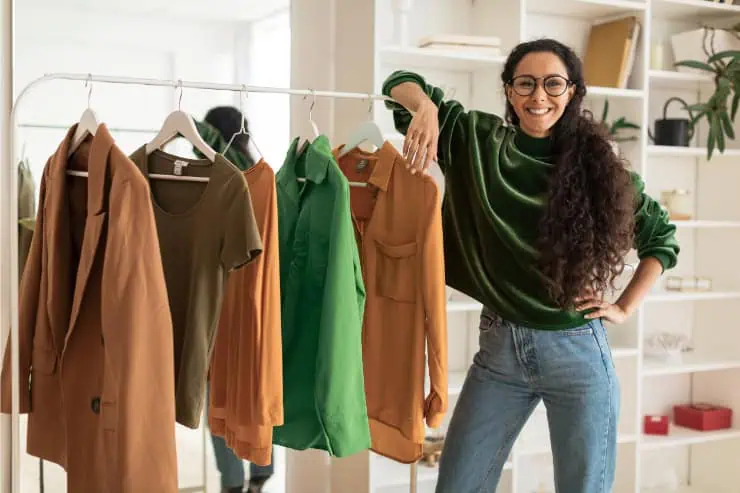
One of the most common winter mistakes is piling on multiple heavy layers thick sweaters, bulky cardigans, and oversized coats thinking more layers equal more warmth. In reality, this creates unnecessary bulk and makes movement uncomfortable. Heavy layers stacked together compress the body visually and disrupt proportion. Instead of adding warmth, they often trap awkward volume around the shoulders and waist. Winter outfits work best when layers vary in weight: a lighter knit under a structured coat is far more effective than doubling thick fabrics. Fewer, smarter layers provide warmth while keeping the silhouette clean and intentional.
2. Choosing Bulk Over Structure for Warmth

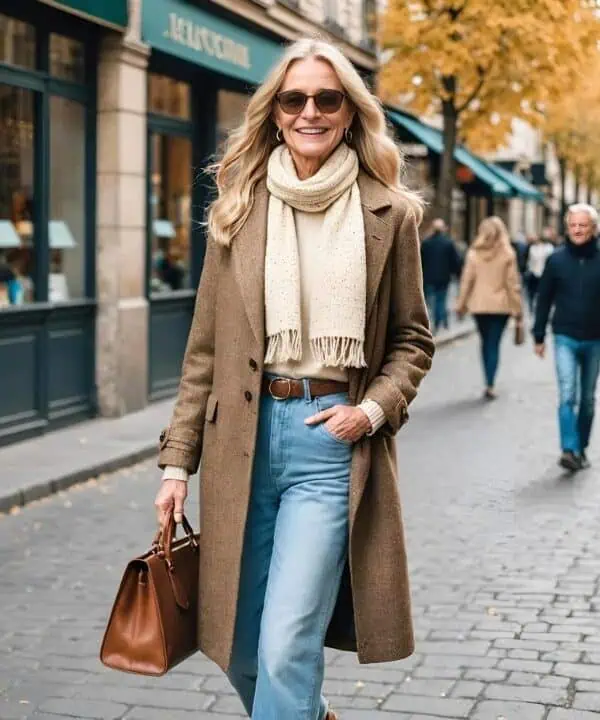
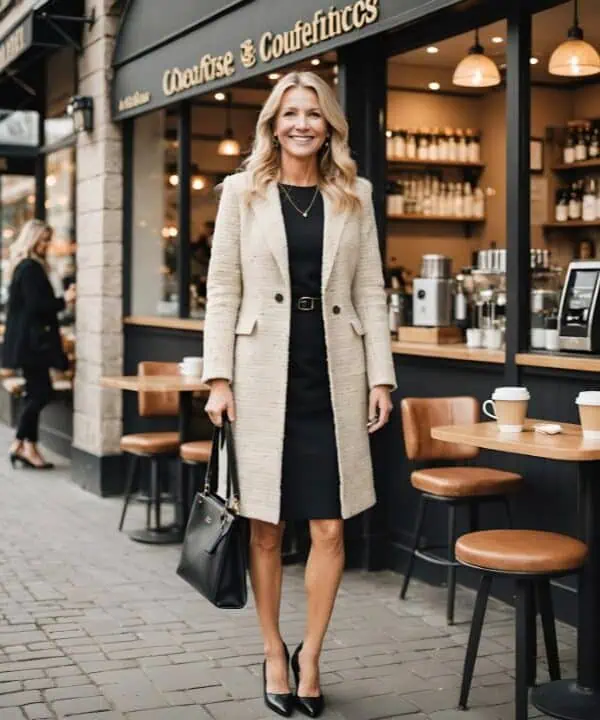
Many women assume that the warmest clothing must also be the bulkiest. This leads to oversized sweaters, shapeless coats, and padded layers that overwhelm the frame. While warmth is essential, structure is what keeps outfits looking polished. Structured wool coats, lined knits, and tailored outerwear retain heat without adding visual weight. When warmth comes from fabric quality rather than volume, outfits instantly feel more refined. Structure also helps clothes sit properly on the body, preventing the slouchy, bundled look that often complicates winter dressing.
3. Wearing All Oversized Pieces Together
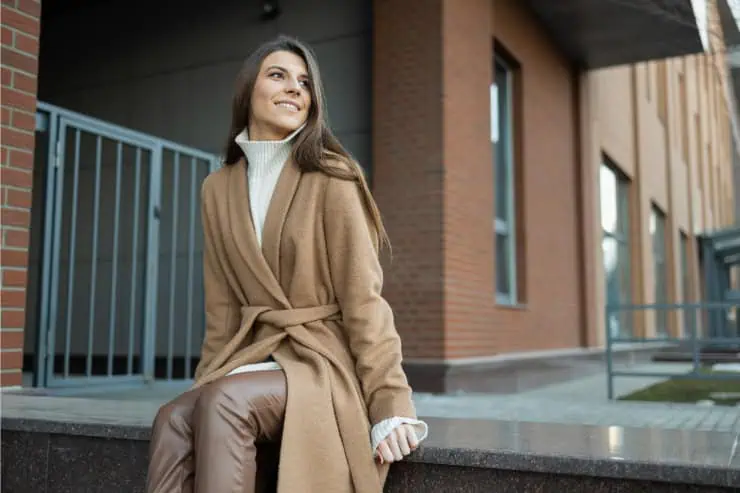
Oversized fashion has its place, but wearing oversized tops, bottoms, and outerwear all at once creates confusion rather than style. The body disappears under fabric, proportions are lost, and outfits start to feel accidental. Winter looks benefit from contrast pairing one relaxed piece with something more fitted. For example, a cozy oversized sweater looks intentional with straight-leg pants, while wide trousers work better with a streamlined top. Balance simplifies outfits and allows each piece to shine without overwhelming the overall look.
4. Ignoring Where Layers Hit the Body

Length matters more in winter because layers stack visually. Long tops under long cardigans under long coats can drag the body downward and create heaviness. When layers all hit at similar points especially the hips or thighs the silhouette becomes cluttered. Stylish winter outfits stagger lengths intentionally: a shorter top under a mid-hip layer, finished with a longer coat. This creates vertical movement and keeps outfits from feeling blocky. Paying attention to where each layer ends simplifies proportions and makes outfits look thoughtfully styled.
5. Over Accessorizing for “Interest”

In winter, accessories often multiply scarves, hats, gloves, statement jewelry until the outfit feels busy and overwhelming. While accessories add personality, too many compete for attention and complicate the look. Heavy scarves layered with chunky necklaces and bold earrings create visual clutter, especially around the face. Winter outfits benefit from restraint. Choosing one or two intentional accessories keeps the look refined and cohesive. Simplicity allows clothing and texture to do the work instead of relying on excess decoration.
6. Wearing Shoes That Fight the Outfit
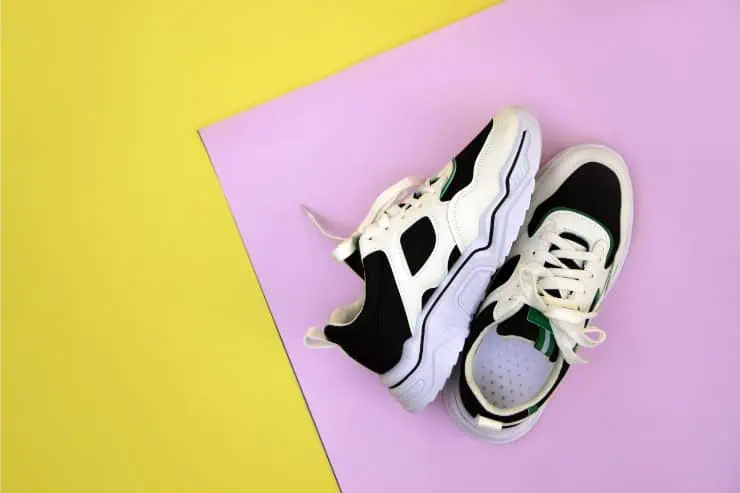
Shoes anchor a winter outfit, but many women choose footwear solely for practicality without considering proportion. Bulky soles, heavy detailing, or overly sporty designs can visually drag an outfit down, especially when paired with tailored clothing. This creates imbalance and makes outfits feel disjointed. Winter shoes should complement the outfit’s silhouette not overpower it. Sleeker boots, refined sneakers, or streamlined loafers support comfort while maintaining cohesion. When shoes align visually with the rest of the outfit, everything feels simpler and more intentional.
7. Relying on the Same Safe Formula Every Day
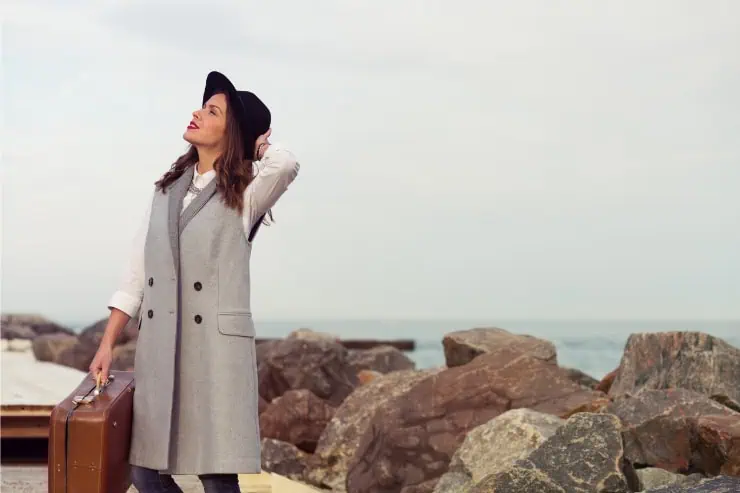
Wearing the same winter formula long sweater, leggings, boots can feel easy, but it often leads to boredom and frustration. When outfits feel stale, women tend to add more layers or accessories to compensate, which complicates the look further. Instead, rotating silhouettes keeps winter dressing fresh without effort. Small changes, like swapping leggings for straight leg pants or adding a structured layer, refresh outfits instantly. Variety reduces the urge to over style and makes getting dressed feel simpler.
8. Choosing Fabrics That Don’t Layer Well

Not all fabrics cooperate in winter. Thick cottons, clingy synthetics, and stiff materials often bunch, wrinkle, or create friction when layered. This leads to constant adjusting and uncomfortable movement. Winter outfits are far easier when fabrics glide over one another think fine knits, wool blends, and smooth linings. These materials layer cleanly and maintain shape throughout the day. When fabrics work together, outfits feel effortless instead of fussy.
9. Dressing Only for Warmth, Not Proportion
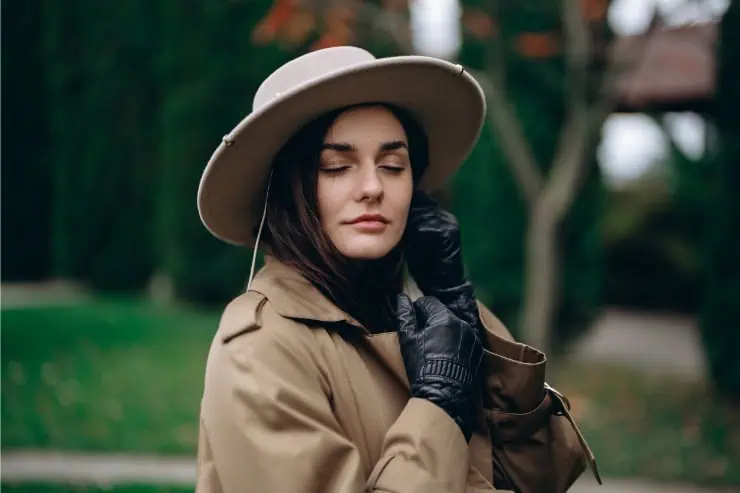
Focusing exclusively on warmth often leads to outfits that feel heavy and unbalanced. Thick layers on top with slim bottoms or vice versa can distort proportions. Winter outfits should distribute visual weight evenly across the body. For example, fuller coats pair best with structured pants, while slimmer coats allow for softer layers underneath. When proportion is ignored, outfits feel awkward no matter how warm they are. Balanced warmth simplifies styling and improves comfort at the same time.
10. Ignoring Fit Because Layers “Hide It”

Many women believe winter layers disguise fit issues, but the opposite is true. Poorly fitting layers amplify bulk and create awkward folds. Oversized shoulders, long sleeves, and dragging hems become more noticeable when layered. Proper fit especially at the shoulders, sleeves, and waist keeps winter outfits streamlined. Even minor tailoring makes layering easier and more flattering. When clothes fit well, fewer layers are needed to feel polished.
11. Overusing Dark, Heavy Colors

Dark colors dominate winter wardrobes, but wearing them head to toe especially in heavy fabrics can make outfits feel flat and severe. This often leads women to add unnecessary accessories or layers for interest. Introducing softer neutrals, texture, or subtle contrast simplifies outfits naturally. Camel, gray, navy, and winter white add dimension without complication. Thoughtful color choices reduce the need for extra styling tricks.
12. Trying to Follow Too Many “Winter Rules”
Strict fashion rules no white after fall, no flats in winter, no mixing textures overcomplicate dressing unnecessarily. These outdated guidelines limit creativity and lead to frustration. Modern winter style is flexible, practical, and personal. When women let go of rigid rules, outfits become easier to assemble and more enjoyable to wear. Trusting proportion, comfort, and intention simplifies winter dressing far more than following outdated advice.