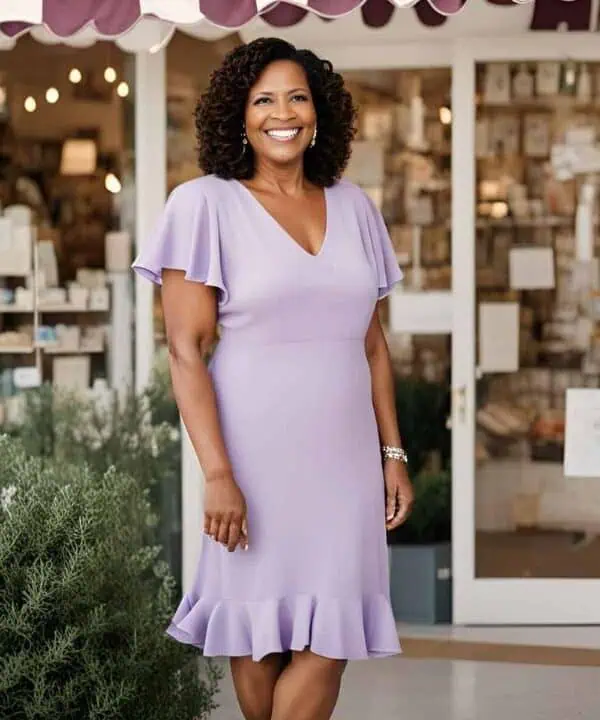
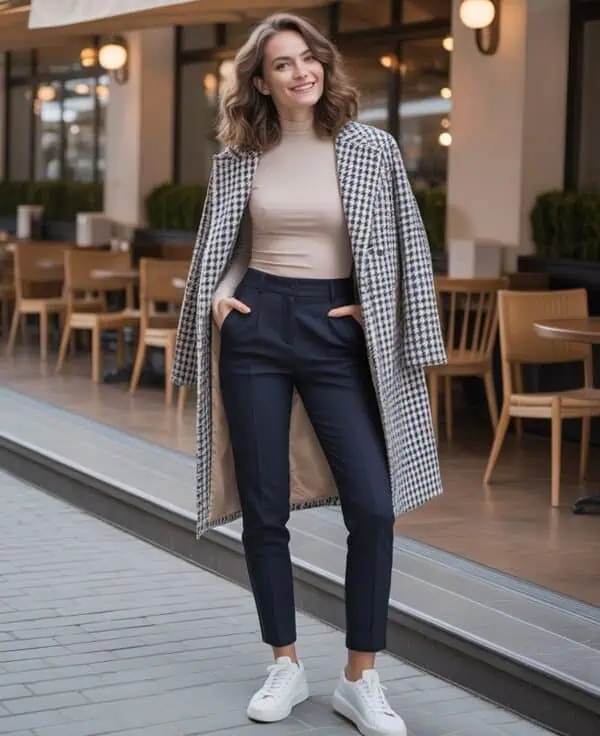
Younger generations are far more accepting of age diversity in fashion than many people realize. What they react negatively to isn’t aging it’s resignation. Gen Z and Millennials tend to read style as a form of communication, not a competition. When outfits look overly cautious, overly rigid, or completely disconnected from the present, they don’t read as “classic.” They read as someone opting out. In 2026, effort doesn’t mean trends or expense. It means intention, curiosity, and relevance. These twelve outfit habits aren’t about body type, budget, or age they’re about signals. And once you recognize them, they’re surprisingly easy to change.
Table of Contents
1) Wearing Head to Toe Black Out of Habit, Not Style

Black is powerful, timeless, and versatile but when it becomes the default rather than a choice, it sends a different message. Younger generations often read constant head-to-toe black as emotional withdrawal rather than sophistication. Without variation in texture, silhouette, or proportion, all-black outfits can feel flat and closed off. In daylight especially, they can drain warmth from the face and erase dimension. Gen Z uses black intentionally, pairing it with denim, unexpected cuts, or soft contrast. When black is worn out of fear of color or visibility, it stops communicating confidence. It begins to suggest hiding, which younger generations associate with giving up rather than refinement.
2) Refusing to Update Silhouettes at All
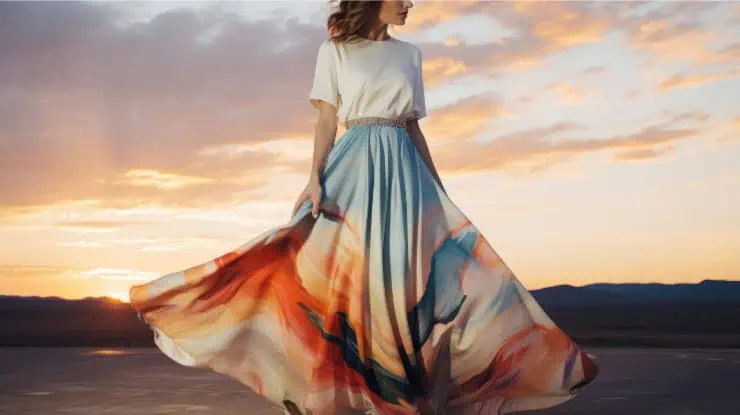
Keeping the exact same silhouettes year after year is one of the clearest signals of disengagement. Younger generations immediately notice when proportions feel locked in another decade whether it’s ultra-skinny pants, overly long tunics, or rigid, dated tailoring. Even classic pieces evolve subtly over time. Ignoring those shifts doesn’t preserve timelessness; it creates visual disconnect. Updating silhouettes doesn’t require abandoning comfort or identity. It might be as simple as adjusting pant width, jacket length, or overall balance. When silhouettes never change, outfits stop feeling intentional and start feeling frozen.
3) Dressing Only to Hide or Minimize the Body

Many people were taught that clothing should disguise the body at all costs. Younger generations see this approach as joyless and outdated. When outfits are built entirely around camouflage, they often lack personality, movement, and confidence. Gen Z doesn’t believe clothes need to erase the body to be stylish. In fact, overly strategic “flattering” outfits can look stiff and defensive. Dressing exclusively to hide sends the message that the body is a problem rather than a neutral fact. That mindset reads as resignation, not maturity, and younger generations notice it immediately.
4) Over Matching Everything Perfectly
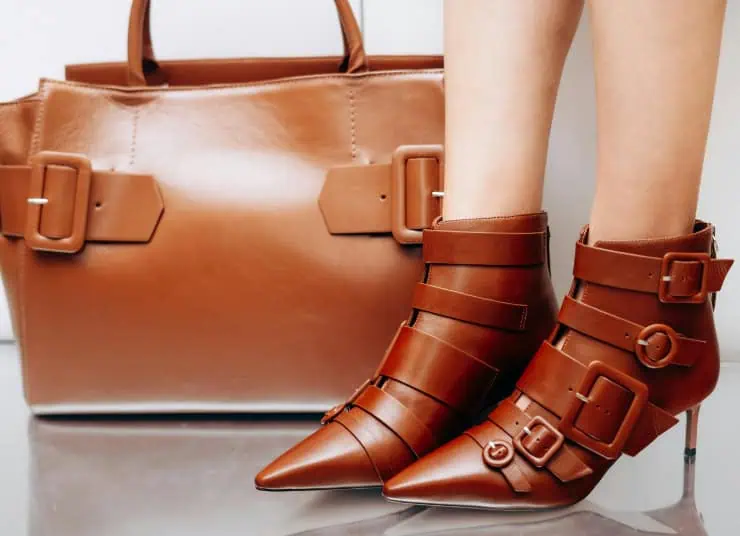
Perfectly matched shoes, bags, belts, and jewelry used to signal polish. Today, younger generations often read this as over-controlled and dated. When everything matches exactly, the outfit can feel lifeless and overly cautious. Modern style values cohesion over coordination pieces that relate, not replicate. Mixing textures, tones, and styles shows comfort with uncertainty and creativity. Over-matching suggests fear of making a mistake rather than enjoyment of dressing. Letting go of this habit instantly modernizes an outfit without requiring new purchases or dramatic changes.
5) Wearing Clothes for a Life You No Longer Live
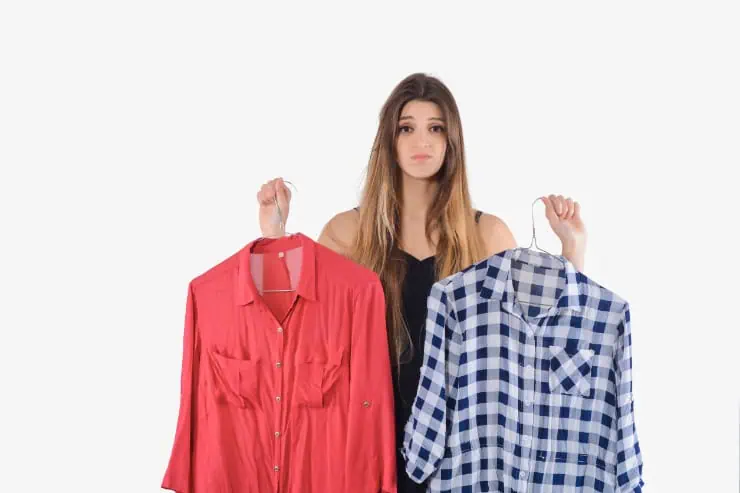
Younger generations are highly attuned to authenticity. When someone wears clothes that no longer match their daily life overly formal outfits with nowhere to go, old work uniforms after retirement, or “special occasion” pieces worn defensively it reads as disconnected. Clothing should reflect how you actually move through the world now, not who you used to be. Dressing for a past version of life can feel like clinging rather than evolving. Gen Z values honesty in style, and mismatched lifestyle dressing signals emotional stagnation more than elegance.
6) Treating Shoes as Purely Functional
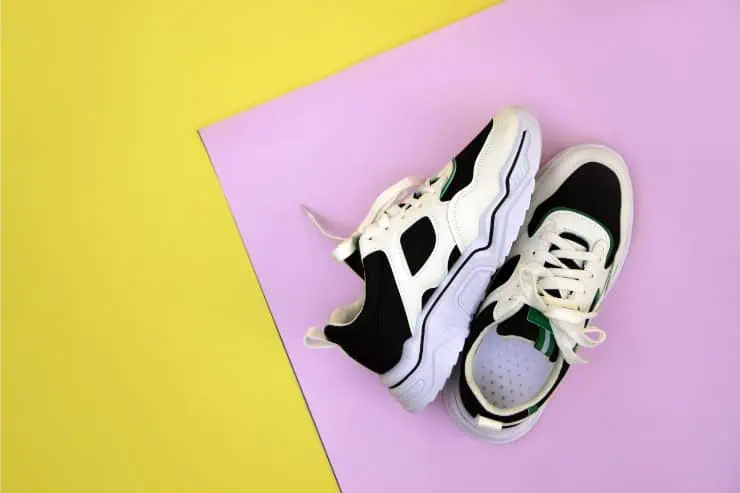
Shoes are one of the first things younger generations notice, and outdated or purely practical footwear can undermine an entire outfit. Gen Z treats shoes as a key styling element, not an afterthought. Shoes that are visibly worn out, overly orthopedic, or stylistically frozen signal disengagement immediately. Comfort is expected but aesthetics still matter. Updating shoes is one of the fastest ways to modernize a look without touching the rest of the wardrobe. When shoes look ignored, the entire outfit feels unfinished.
7) Wearing the Same Outfit Formula Over and Over

Having go-to outfits is normal, but repeating the exact same formula endlessly reads as giving up. Younger generations expect variation, even within a consistent personal style. When outfits feel copy pasted day after day, it suggests lack of curiosity rather than confidence. This doesn’t require bold experimentation small changes in layering, proportion, or texture are enough. Rotation signals awareness. Repetition without variation signals retreat. Gen Z associates style with engagement, not uniforms worn on autopilot.
8) Avoiding Color Completely Out of Fear
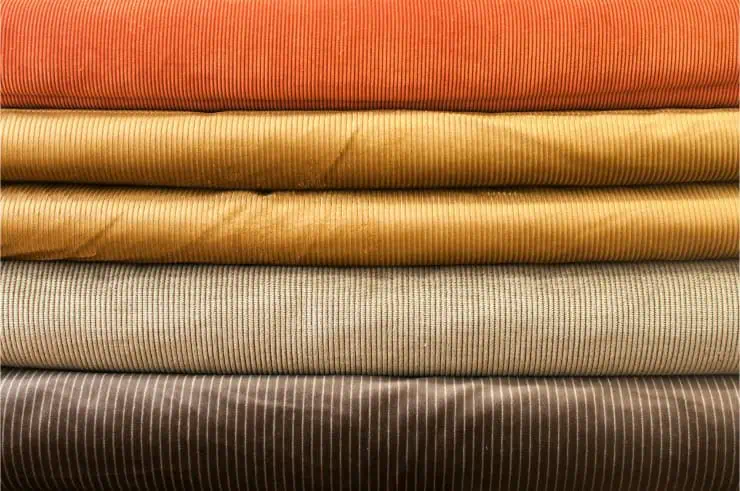
Avoiding color is often mistaken for sophistication, but younger generations see it as unnecessary self-limitation. Color doesn’t have to be loud or trendy to be intentional. Muted tones, tonal dressing, and soft contrasts all count. When outfits avoid color entirely, they lose emotional warmth. Gen Z uses color to communicate mood and individuality, even subtly. Fear-based color avoidance reads as emotional withdrawal rather than refinement. Introducing even one thoughtful color element can shift how an outfit is perceived instantly.
9) Holding Onto Clothes Solely Because They Were Expensive

Younger generations are far less sentimental about sunk costs. Wearing something just because it was once expensive doesn’t make it stylish or relevant. If a piece no longer fits your body, your life, or your taste, it drags the entire outfit down. Gen Z prioritizes function, relevance, and authenticity over price history. Letting go of outdated investment pieces signals confidence and clarity, not wastefulness. Clinging to them signals fear of change.
10) Overly Polished Hair Paired With Outdated Clothes

This imbalance stands out immediately. Perfectly styled hair combined with dated or overly casual outfits creates visual confusion. Younger generations value coherence. When grooming and clothing send opposing messages, the look feels disconnected. Modern style favors balance polished with relaxed, or casual with intention. Extreme contrasts often reflect outdated beauty rules rather than modern self-awareness. When hair and clothes don’t speak the same language, the outfit feels stuck in the past.
11) Dressing to Disappear at All Costs

Trying to blend in completely is one of the clearest “gave up” signals. Younger generations respect individuality far more than conformity. Outfits designed to offend no one often excite no one. This doesn’t mean dressing loudly or provocatively it means standing for something visually. A clear personal style, even a quiet one, communicates presence. Dressing to disappear reads as opting out of self-expression, and that absence is noticed immediately.
12) Treating Style as Something That’s Over
The strongest signal of all is treating style as something that had its moment and ended. Younger generations see style as lifelong and evolving. When someone stops engaging entirely, it doesn’t read as maturity it reads as resignation. Style doesn’t require daily effort, but it does require interest. Curiosity is what keeps outfits alive. Once that curiosity disappears, the message younger generations receive is unmistakable.