The workplace of the 1960s was a far cry from today’s more flexible dress codes. Back then, image was everything, and dressing outside the norm could cost you your job. Office attire, especially for women, was expected to be modest, formal, and conformist. Anything too bold, revealing, or unconventional was seen as a threat to professionalism or even morality. What we now consider fashion-forward or everyday wear was once scandalous. Here are 12 outfits that could have gotten you shown the door in the ’60s, proving just how far workplace fashion and societal norms have come.
Table of Contents
1. Mini Skirts

When mini skirts exploded in popularity in the mid-1960s thanks to icons like Mary Quant and Twiggy, they were seen as daring and rebellious. In a corporate setting, however, they were considered highly inappropriate. Hemlines above the knee were deemed provocative and unprofessional. Women who wore mini skirts to the office risked serious reprimands or termination for defying company dress codes and social norms. Employers viewed them as a distraction and a threat to the company’s conservative image. Today, short skirts may be common in some work environments, but in the ’60s, showing too much leg could end your career.
2. Pantsuits on Women

Though pantsuits are now a symbol of female empowerment, they were once viewed as masculine and improper. In the ’60s, women wearing trousers especially tailored suits challenged traditional gender roles. Most offices required women to wear skirts or dresses. When women like Katharine Hepburn or Marlene Dietrich wore pants, it was shocking, even outside the workplace. A woman showing up in a pantsuit risked being seen as rebellious, unfeminine, or even insubordinate. In many cases, it was a fireable offense for simply rejecting traditional feminine attire. It wasn’t until the late ’70s that pantsuits became widely accepted at work.
3. Open-Toed Shoes or Sandals

Today, sandals are common in business casual settings, but in the 1960s, they were off-limits in most professional environments. Open-toed shoes were considered too casual and even suggestive, especially for women. Conservative workplaces viewed exposed toes and heels as unprofessional and potentially “distracting” to male colleagues. Wearing sandals or strappy heels could be interpreted as a lack of respect for workplace decorum. In stricter office settings, women were expected to wear closed-toe pumps and nylons at all times. Stepping into the office in sandals may have cost you your job or at the very least, sparked office gossip.
4. Bright or Loud Patterns

The psychedelic prints and bold florals of the late ’60s were iconic in pop culture but inappropriate in corporate offices. Most workplaces expected muted tones grays, blacks, navies. Loud patterns were seen as flashy and attention-seeking. Wearing paisley, tie-dye, or bold geometric prints could give the impression that you were unprofessional or too “bohemian” for the workplace. Many companies had unspoken rules that anything too colorful or artistic was a threat to their conservative image. If you dared to wear a loud pattern to work, you were at risk of being sent home or worse, being dismissed entirely.
5. Denim of Any Kind

Denim wasn’t just frowned upon it was strictly forbidden in most professional environments of the 1960s. Jeans were seen as workwear for farmers, mechanics, or rebellious youth not office employees. Even structured denim skirts or jackets were considered inappropriate. Wearing denim could be interpreted as a sign of laziness or nonconformity. Companies expected polished, pressed slacks or skirts never anything resembling blue jeans. Today, denim is a staple of casual Fridays and creative workplaces, but back then, showing up in denim even stylishly would have quickly earned you a pink slip.
6. Bare Legs Without Hosiery

Going bare-legged in the ’60s workplace was considered inappropriate and unrefined. Hosiery, typically in nude or black, was an expected part of a woman’s professional outfit. Without it, the look was seen as incomplete and, in some circles, even immodest. Forgetting your stockings or opting out altogether might signal a lack of respect for office standards. While modern fashion allows for bare legs in most climates and casual settings, a woman in the ’60s who showed up with uncovered legs might have been reprimanded or even told to go home and change.
7. T-Shirts or Graphic Tees

The modern graphic tee is often used to express personality, but in the ’60s, even a plain T-shirt was considered too casual for most office settings. T-shirts were linked to blue-collar labor, sportswear, or leisure not professionalism. Graphic tees, especially those with slogans or pop culture references, would have been viewed as rebellious or juvenile. Offices expected button-down shirts, blouses, or knit tops not jersey cotton. Wearing a T-shirt to work, especially one with a logo or message, could easily be interpreted as a lack of seriousness and result in disciplinary action or dismissal.
8. Sleeveless Tops or Dresses

Exposed arms were a surprisingly big deal in the 1960s office. Many companies viewed sleeveless blouses or dresses as too informal or revealing. While sleeveless styles were fashionable at the time, they were generally reserved for casual or social settings not for professional environments. Some women were even required to wear cardigans or jackets indoors to maintain a “proper” appearance. Showing up to the office in a sleeveless sheath dress could result in a stern warning or worse, a conversation with HR about inappropriate attire. Even in summer months, modesty and coverage were prioritized above comfort.
9. Leather Jackets

While leather jackets are now considered stylish and edgy, in the ’60s, they were associated with rebellion and counterculture. Think James Dean, the Beatles, or biker gangs not respectable office workers. Wearing a leather jacket to work would have clashed with conservative dress codes and sparked concern from management. Even if the jacket was tailored and sleek, the material alone was enough to raise eyebrows. Companies didn’t want their employees channeling rock-and-roll or anti-establishment vibes. Wearing leather in the office risked sending the wrong message and getting you escorted out for not fitting the corporate mold.
10. Excessive Accessories or Jewelry
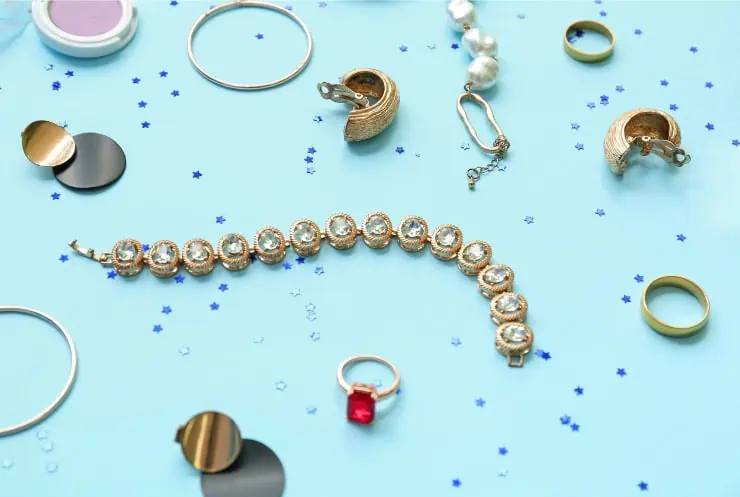
While jewelry is a common part of workwear today, in the ’60s, anything deemed too flashy or “costume-like” was frowned upon. Oversized earrings, chunky bangles, or colorful statement pieces could be seen as gaudy or distracting. Subtle pearls or delicate chains were acceptable, but bold fashion statements were not. The workplace prioritized uniformity and simplicity, especially for women, whose appearance was often judged more harshly. Wearing too much jewelry could signal vanity or a desire to stand out neither of which sat well with conservative bosses. Over-accessorizing might not just get you scolded it could cost you your job.
11. Sheer Fabrics

Sheer blouses, mesh panels, or semi-transparent dresses were viewed as entirely inappropriate for the office. Even if worn with a camisole underneath, sheer materials risked being interpreted as seductive or unprofessional. In the ’60s, women were expected to dress modestly and avoid anything that could be considered provocative. Wearing sheer clothing even fashionably styled could lead to accusations of impropriety or violating company dress codes. While sheer panels are now common in fashion-forward workplaces, they were taboo back then. It wasn’t just about the clothing it was about upholding a particular moral image tied to your job security.
12. Go-Go Boots
A symbol of ’60s fashion rebellion, go-go boots were sleek, stylish and totally forbidden in the professional world. These knee-high, often shiny boots were associated with youth culture, mod fashion, and nightclubs not offices. Even if paired with a conservative dress, go-go boots sent a message that clashed with workplace expectations. They were seen as overly trendy, attention-seeking, and not serious enough for a job environment. Many offices had written or unwritten rules that explicitly banned such footwear. Wearing them could easily result in a warning or a fast track to the unemployment line.