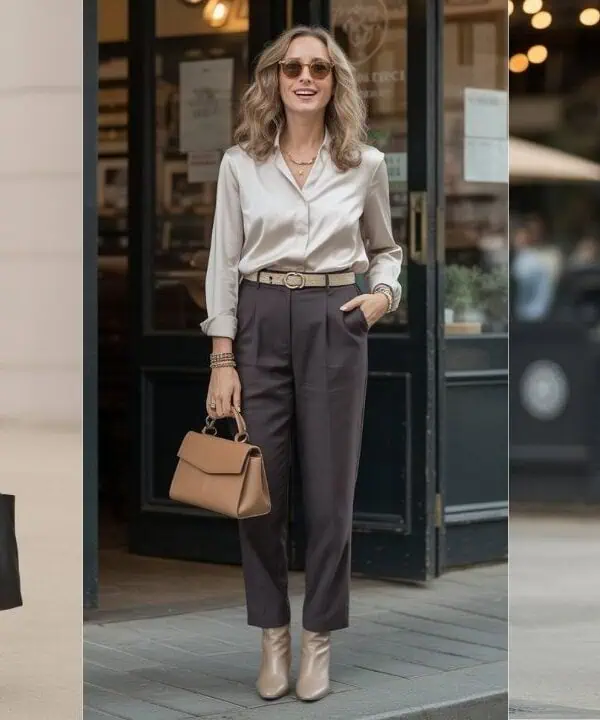
Fashion in the 1960s was filled with rigid rules and unspoken expectations that shaped how women dressed, often with more restriction than expression. From mandatory hats and girdles to outdated color codes and age-based limitations, many of these so-called “rules” dictated conformity rather than encouraging individuality. Thankfully, times have changed. Modern style embraces comfort, confidence, and creativity, allowing women to define their own fashion paths.
Table of Contents
1. You Must Match Your Purse and Shoes
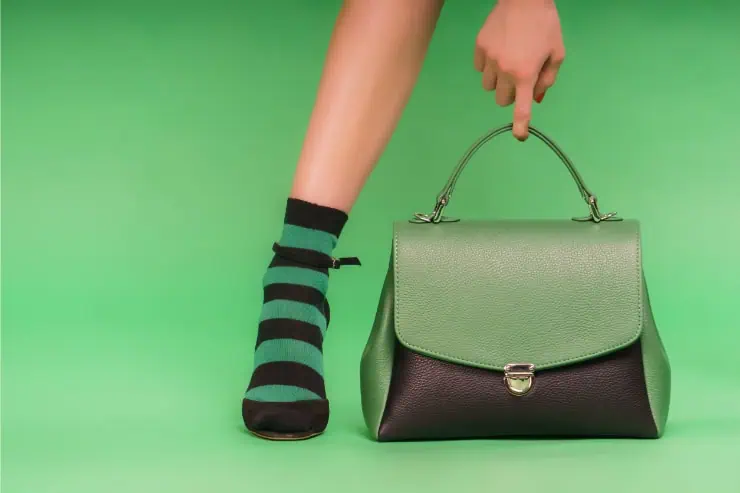
In the 1960s, coordinating your handbag and shoes was practically a law. Women were expected to match leather textures, colors, and finishes, making outfit planning a tedious affair. Today, fashion embraces eclecticism. Mixing tan loafers with a bold tote or white sneakers with a colorful crossbody is not only accepted, it’s encouraged. The old matchy-matchy rule has been replaced with personal expression and versatility, freeing modern women to dress based on mood, convenience, or creativity rather than restrictive codes of color coordination.
2. Never Wear White After Labor Day

This long-held seasonal rule dictated that white clothing had to be packed away after Labor Day and not worn again until Memorial Day. The restriction had little logic but was deeply ingrained in mid-century fashion etiquette. Today’s fashionistas wear winter whites with pride, cream coats, ivory boots, and snowy knits are now considered chic cold-weather staples. The outdated notion that white belongs only to summer has been tossed, making room for year-round brightness in wardrobes everywhere.
3. Women Must Always Wear Girdles
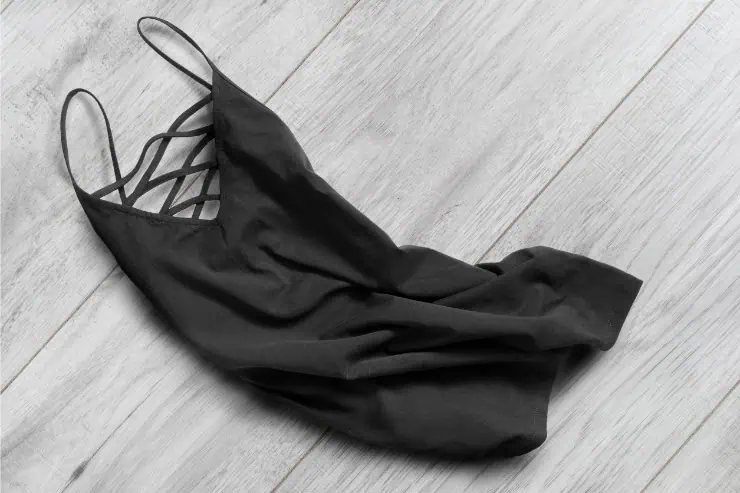
In the ’60s, many women wore girdles daily, often under dresses or skirts, to achieve a smooth, hourglass shape. These tight, uncomfortable garments were a symbol of conformity and discomfort masked as “proper” femininity. Now, shapewear is optional and chosen on a woman’s own terms. Comfort, body positivity, and confidence have replaced the pressure to mold your silhouette. Modern style encourages natural body shapes, and thankfully, no one is expected to suffer in silence just to feel fashionable.
4. Skirts Had to Be a Certain Length
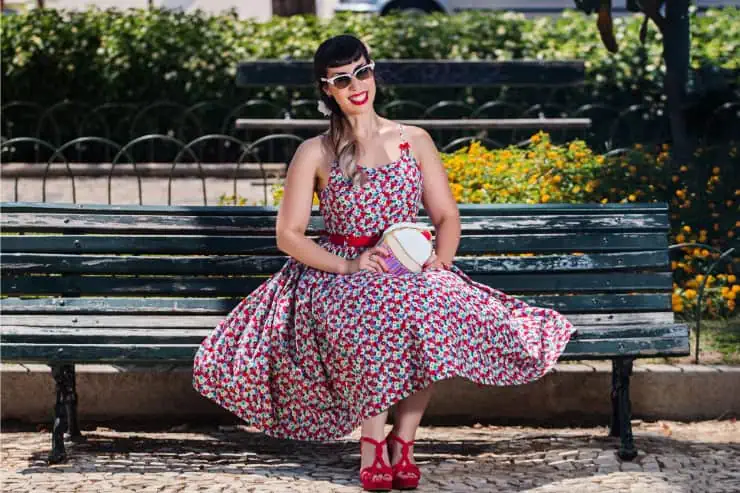
There was a time when skirt lengths were heavily policed. Hemlines that were “too short” or “too long” could be deemed inappropriate, rebellious, or unfashionable. Even mini skirts, which rose in popularity during the decade, sparked debates over decency. Today, women embrace every length mini, midi, maxi based on their preferences and lifestyle. The outdated rule that there’s only one correct hemline has faded, replaced with a more inclusive idea that all skirt lengths can be stylish when worn with confidence.
5. Hats Were a Social Requirement
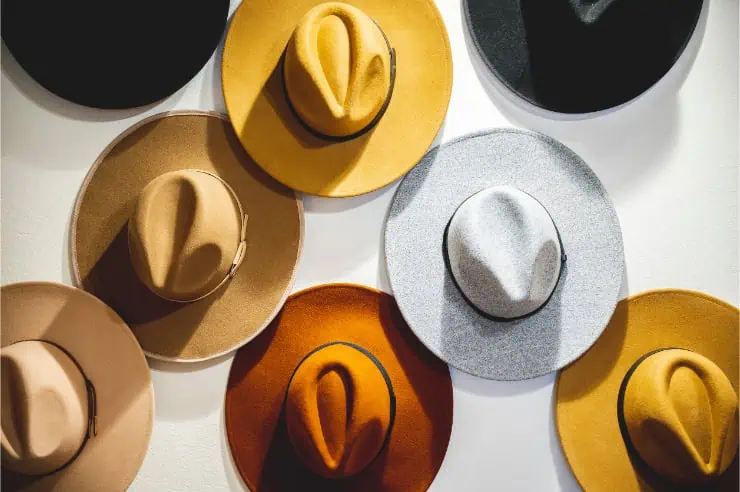
In the early ’60s, women rarely left the house without a hat. Whether heading to church, the grocery store, or a social luncheon, hats were seen as a must-have for polished appearance and modesty. Over time, the rule faded as hairstyles became more expressive and fashion became more casual. Now, hats are an accessory of choice, not obligation. You can wear a wide-brimmed sun hat, a knit beanie, or no hat at all and no one will question your style or manners.
6. Pants Weren’t for Ladies
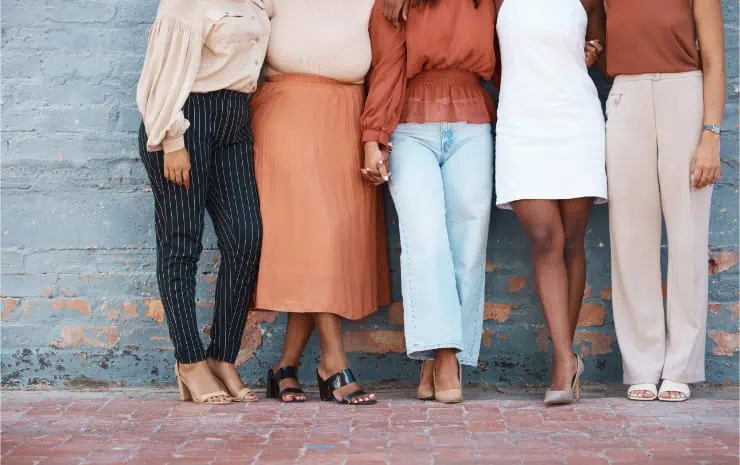
Believe it or not, there was a time when women wearing pants was considered rebellious or even improper. In many settings, trousers were frowned upon, and women were expected to wear skirts or dresses exclusively. Icons like Katharine Hepburn challenged this, but it wasn’t until later decades that pants for women became mainstream. Now, pants are an everyday essential, from tailored slacks to wide-leg jeans and women enjoy the freedom of choice without judgment or stigma.
7. Polished High Heels
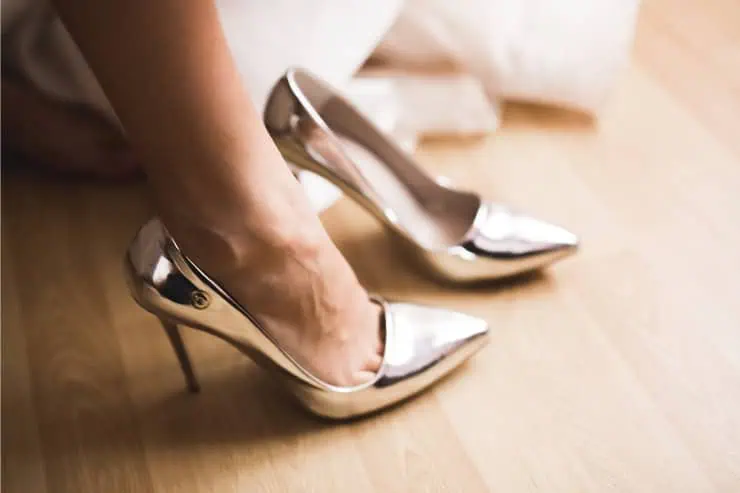
Heels were a near-mandatory symbol of elegance in the 1960s. Women were often expected to wear pumps even for casual occasions, regardless of the discomfort. Flats were viewed as juvenile or too informal. Fast-forward to today, and stylish flats, loafers, sneakers, and sandals prove that you don’t need a stiletto to look put-together. Comfort no longer compromises elegance, and women have embraced a wider, more practical range of footwear options.
8. Always Dress to Please a Man
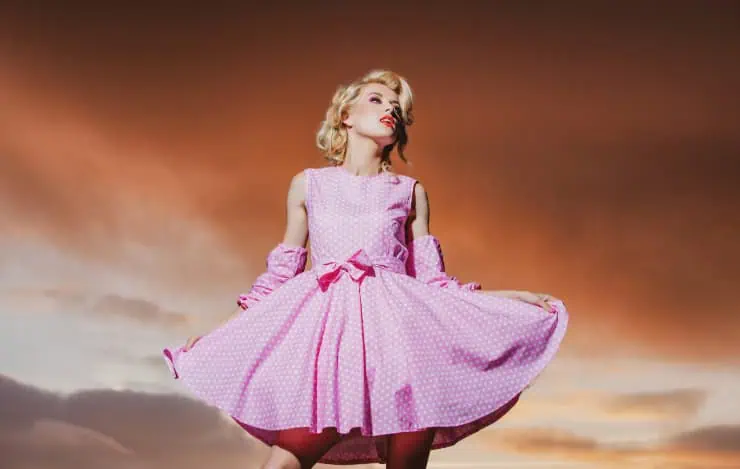
This unspoken but deeply rooted rule guided much of women’s fashion choices in the 1960s. Dressing for the male gaze was considered normal, with magazines and advertisements reinforcing the idea that appearance was tied to pleasing others. That mentality has since been dismantled. Today, fashion is about self-expression, empowerment, and dressing for yourself. The shift away from validation-seeking style has opened up possibilities for personal authenticity and joy in how we dress.
9. No Mixing Prints or Patterns

In the 1960s, wearing clashing prints was deemed a fashion faux pas. Florals had to stay with solids, and stripes never mingled with polka dots. This rule severely limited creative styling. Thankfully, modern fashion thrives on mixing prints, stripes with florals, plaids with animal prints, and unexpected combinations that express personality and flair. The old fear of “clashing” is gone, replaced with confidence and a more experimental approach to dressing.
10. Age Dictated Your Style

The ’60s imposed age-based fashion expectations. Mini skirts were for the young, pearls for older women, and women over a certain age were discouraged from wearing anything trendy. Now, age-inclusive fashion is celebrated. Whether you’re 25 or 75, you can wear what you love, colorful pieces, bold silhouettes, and playful trends are not limited by age. Style is now more about spirit, not number, making this outdated mindset rightfully obsolete.
11. Your Outfit Had to Be Ironed Perfectly

Crisp collars and wrinkle-free skirts were seen as essential signs of refinement. Women spent hours ironing or steaming clothes to maintain the illusion of flawlessness. Today, fashion favors texture and ease, crinkle fabrics, linen, and oversized styles are embraced as effortlessly chic. With the rise of low-maintenance materials and relaxed dress codes, the need for a perfectly pressed outfit has faded, giving way to more comfortable, breathable, and time-saving wardrobes.
12. Jewelry Had to Match Perfectly
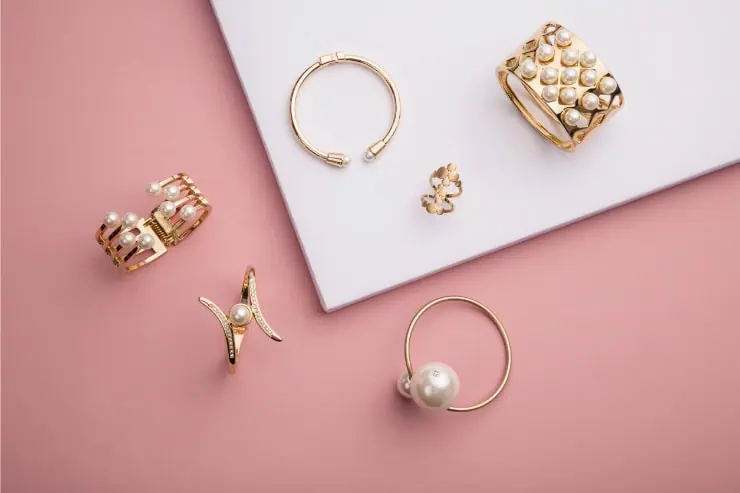
Coordinated jewelry sets, matching earrings, necklaces, and bracelets, were all the rage in the 1960s. Deviating from this uniformity was seen as sloppy or unfashionable. Now, mismatched or layered jewelry is trendy and expressive. Women combine metals, textures, and styles to create unique combinations that tell their story. The idea that every accessory must match has been left behind, making room for creativity, individuality, and freedom in everyday accessorizing.