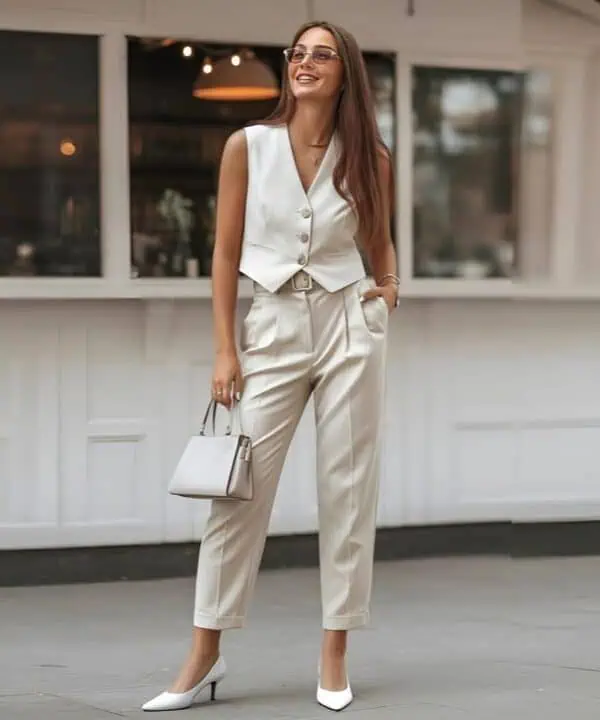
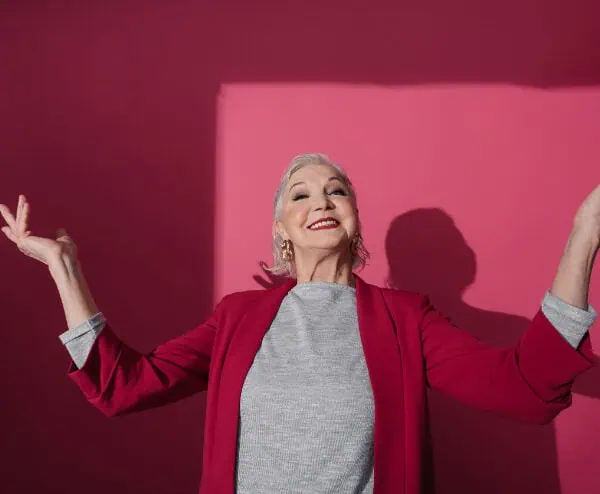
Layering is an art especially as temperatures drop and wardrobes lean toward cozy comfort. But after 50, the wrong combination of fabrics, fits, or proportions can quickly add visual weight instead of warmth. Many women unintentionally create bulk by choosing overly thick materials, awkward lengths, or mismatched silhouettes that drown their natural shape. The key to chic, flattering layering lies in balance, texture, and thoughtful structure. Elegant dressers know how to stay cozy while maintaining clean lines and proportion.
Table of Contents
1. Wearing Too Many Thick Layers

Adding several heavy layers might seem practical, but it often leads to stiffness and bulk. Instead, choose fewer but smarter layers start with a light thermal or silk base, add a midweight sweater, and top with a structured coat. Fabrics like merino wool or cashmere offer warmth without heaviness. By mixing thin insulating materials, you’ll maintain shape and comfort while keeping your look polished. Less truly is more when layering thoughtfully.
2. Ignoring Proportion
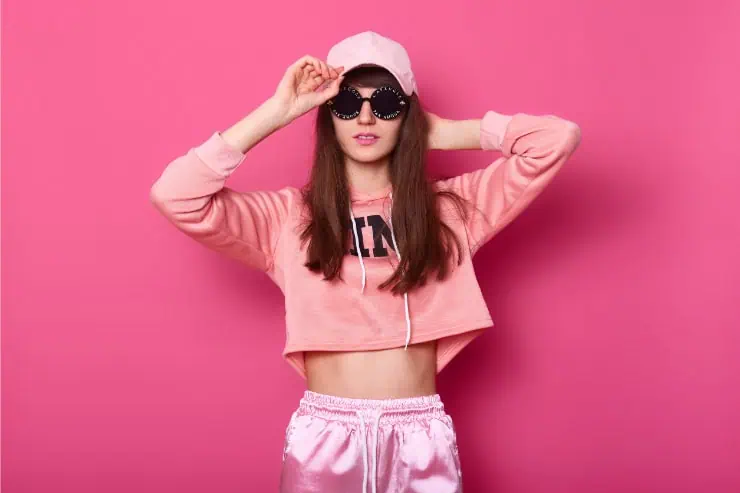
Layering only works when proportions are balanced. Wearing long tops over long coats or pairing oversized sweaters with wide pants can drown your figure. Aim for contrast a fitted base under a loose jacket or cropped outerwear over long trousers. This creates dimension and defines your silhouette. When each layer plays a distinct role in your outfit’s shape, you appear taller and more put-together, not buried in fabric.
3. Using Bulky Base Layers
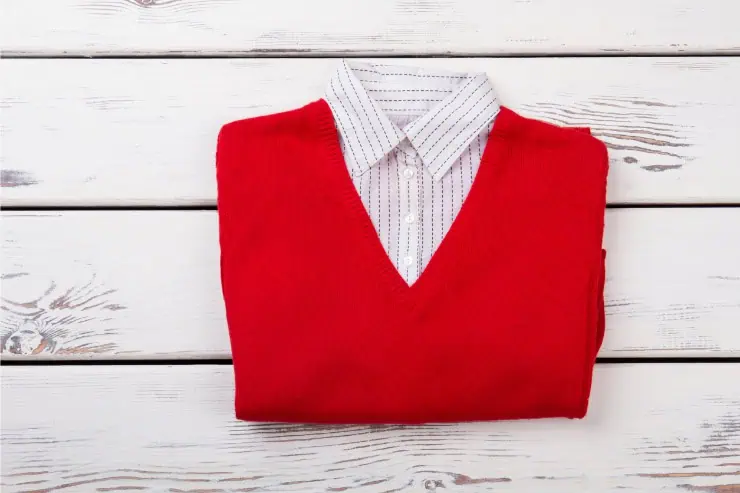
Your base layer sets the foundation for your outfit, so it should be light, smooth, and fitted. Starting with a chunky sweater or thick cotton tee adds unnecessary bulk. Instead, wear thin, breathable fabrics like silk, modal, or thermal blends that trap heat without volume. This allows coats and cardigans to drape beautifully, maintaining a sleek look while keeping you warm. A smooth base equals a smoother silhouette.
4. Skipping Defined Waistlines
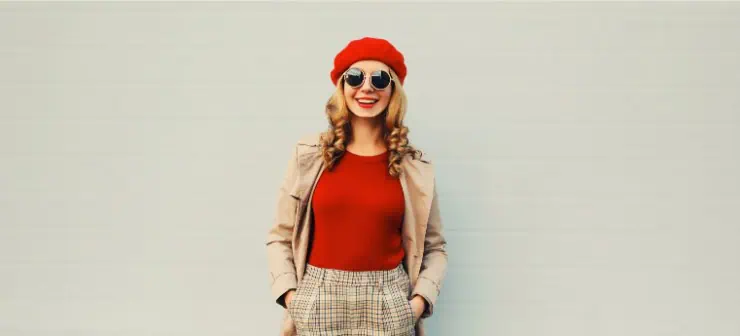
When layers have no shape, the body can appear boxy or heavier. Adding subtle waist definition like a belt, wrap coat, or tucked-in knit creates balance and proportion. Even cinching a cardigan or belting an oversized blazer can transform your silhouette instantly. This simple adjustment draws attention to your natural shape and adds structure to softer fabrics, keeping your outfit elegant rather than shapeless.
5. Layering Similar Textures

Too many chunky or fuzzy textures together can overwhelm your frame. Pairing cable knits with teddy coats or boucle scarves adds volume and distraction. The key is contrast combine smooth with textured, matte with shiny. For instance, wear a soft knit with tailored wool or leather. This mix keeps your look dimensional yet refined, preventing visual heaviness and letting each piece stand out beautifully.
6. Overusing Oversized Pieces
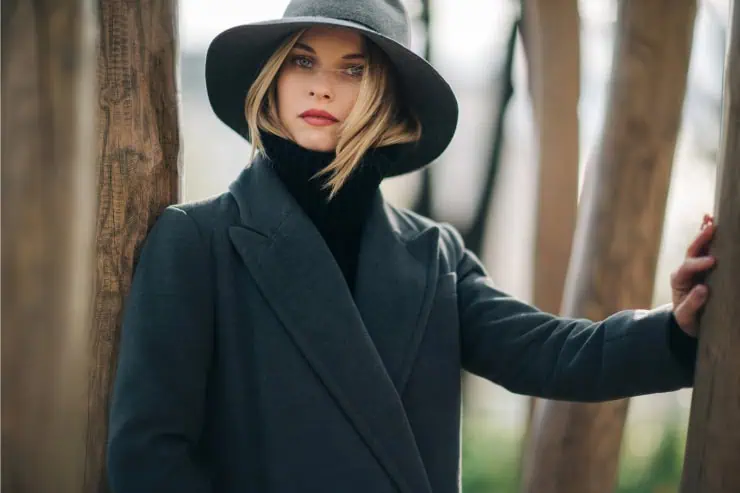
Oversized silhouettes are cozy but can easily overpower the frame, especially when layered. Instead of wearing multiple loose pieces, balance proportions with one relaxed item like an oversized coat paired with fitted layers underneath. Slim sleeves, tapered trousers, and structured shapes underneath will restore harmony. Comfort doesn’t require excess fabric; it’s about thoughtful fits that move gracefully and highlight your best lines.
7. Ignoring Fabric Weight
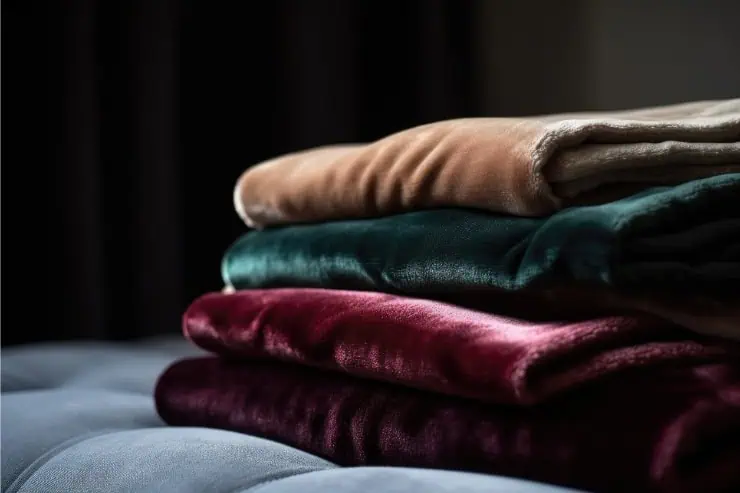
Layering should progress from light to heavy, ensuring each piece falls naturally. Starting with thick inner layers causes outerwear to stretch or bunch. Choose light, insulating fabrics first cotton, silk, or thin wool and finish with tailored coats or jackets. This progression creates smooth transitions, helps garments sit correctly, and keeps your look effortless. Fabric weight matters as much as color or cut.
8. Piling on Scarves and Accessories
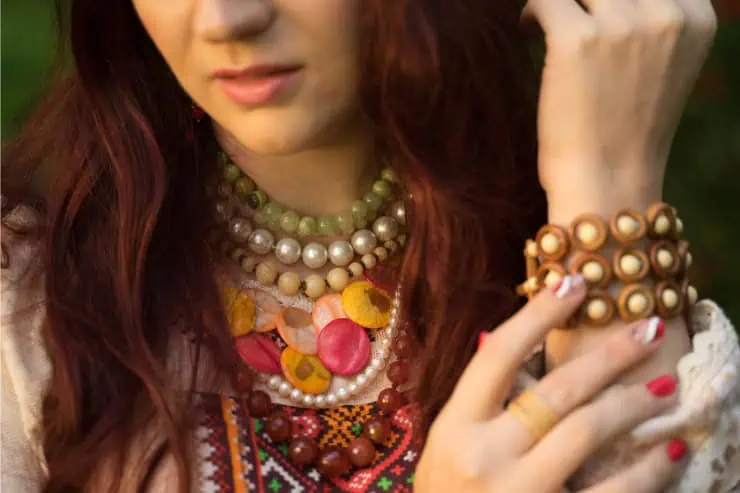
Heavy scarves and multiple accessories can overwhelm your neckline, especially in winter. Instead of bulky wraps, choose one refined scarf silk, cashmere, or lightweight wool and let it drape loosely or tuck neatly under your coat. Limit jewelry near the collar to avoid clutter. A balanced neckline elongates your upper body and keeps your outfit feeling elegant, not crowded.
9. Choosing Bulky Coats Over Everything

Wearing oversized or padded coats on top of thick layers creates a shapeless silhouette. Instead, choose structured outerwear made from quality wool or quilted fabrics that fit well even with thin underlayers. Focus on tailoring around the shoulders and waist it defines your figure and avoids unnecessary volume. Your coat should complement your outfit, not consume it.
10. Overcomplicating Color Palettes

Layering too many colors can visually break up the body, making it look shorter or wider. Stick to tonal dressing different shades of one color family like beige, navy, or gray. Monochrome layers elongate your frame and appear intentional. If you crave contrast, use accessories or subtle texture shifts instead of loud hues. Simplicity reads as sophistication.
11. Forgetting to Taper Sleeves and Hems
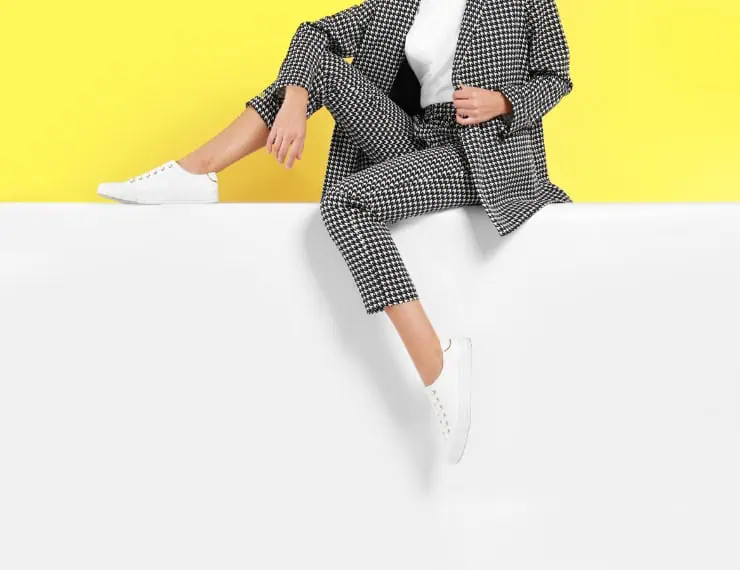
When inner sleeves or hems bunch beneath outerwear, outfits can appear messy and bulky. Ensure inner layers taper neatly at wrists and waist. Rolling cuffs or allowing a hint of an underlayer to peek out creates controlled dimension. It’s a small styling choice that prevents overstuffed shapes and helps every layer sit properly. Precision keeps you polished.
12. Not Considering Movement
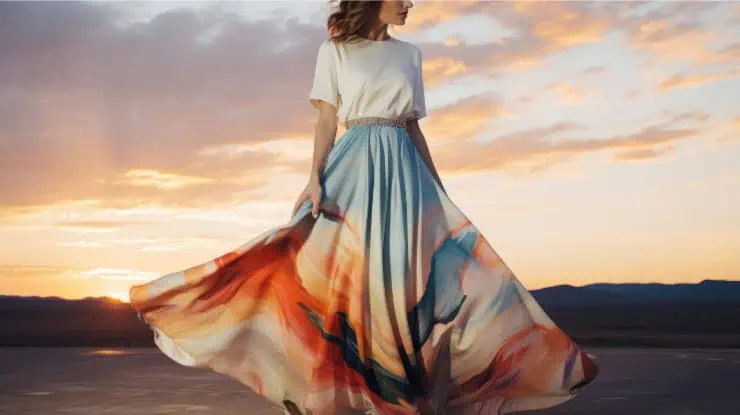
Layers should move with you not fight against your body. Tight sleeves, stiff materials, or snug coats can feel restrictive and make clothes bunch up. Choose flexible fabrics with slight stretch or soft drape so each layer flows easily. When an outfit moves naturally, it looks lighter and more refined. Comfort and elegance always go hand in hand in good layering.