The 1980s wasn’t just the birth of hip-hop music, it was the rise of an entire cultural aesthetic that redefined fashion for generations. Emerging from New York City’s boroughs, hip-hop artists and their communities turned everyday garments into statements of identity, power, and rebellion. From track suits to oversized gold chains, the style wasn’t just about looking good, it was about being seen, heard, and respected. These fashion movements weren’t created by designers in studios, they were forged in the streets, on stage, and in music videos.
Table of Contents
1. The Tracksuit Movement

Adidas, Puma, and Fila tracksuits weren’t just athletic gear—they became the uniform of the streets. Rooted in breakdancing crews and the B-boy culture of the Bronx, this look symbolized unity, agility, and urban pride. It was notably elevated by Run-DMC, who famously wore Adidas head-to-toe, eventually landing a landmark brand deal. The tracksuit became synonymous with performance, status, and self-expression—a far cry from mere sportswear. Today’s obsession with athleisure can be traced directly to this pivotal 1980s style movement that blurred the line between comfort and cool.
2. Sneaker Culture as a Fashion Movement
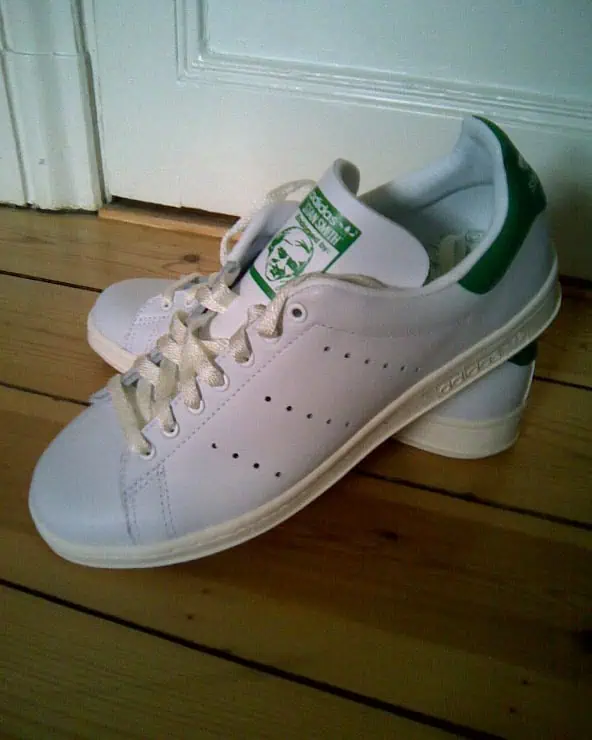
Before the 1980s, sneakers were functional. Hip-hop turned them iconic. From Adidas Superstars to Air Jordans, sneakers became emblems of street status and individuality. Artists like Run-DMC even immortalized them in lyrics (“My Adidas”), sparking the first major endorsement between a hip-hop group and a sneaker brand. Collecting, customizing, and showcasing rare sneakers became a ritual. This era gave rise to modern sneakerhead culture—where footwear is fashion, statement, and identity rolled into one.
3. The Kangol Hat & Headwear Movement
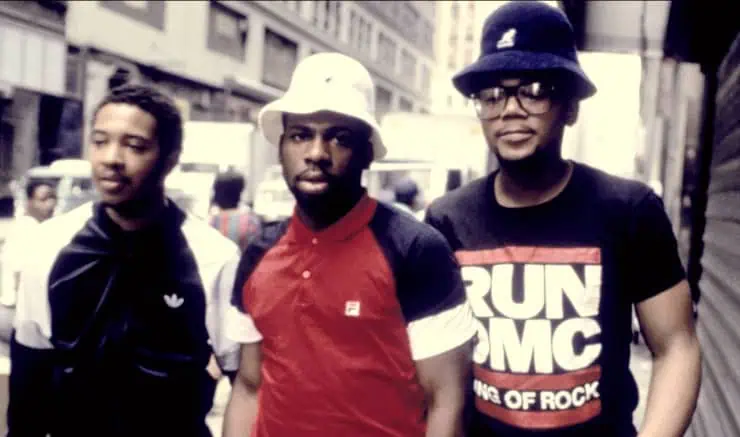
The rise of Kangol bucket hats and Afrocentric headwear (like kufis and crowns) was a direct reaction to reclaiming cultural heritage while defining street-savvy flair. Worn by LL Cool J, Slick Rick, and Salt-N-Pepa, these accessories spoke of sophistication, rebellion, and Afro-diasporic pride. The movement expanded beyond hats to include do-rags and headwraps as part of a broader cultural assertion. Modern headwear trends and even haute couture collections echo this ‘80s assertion of Black identity through fashion.
4. Oversized and Baggy Fashion Movement
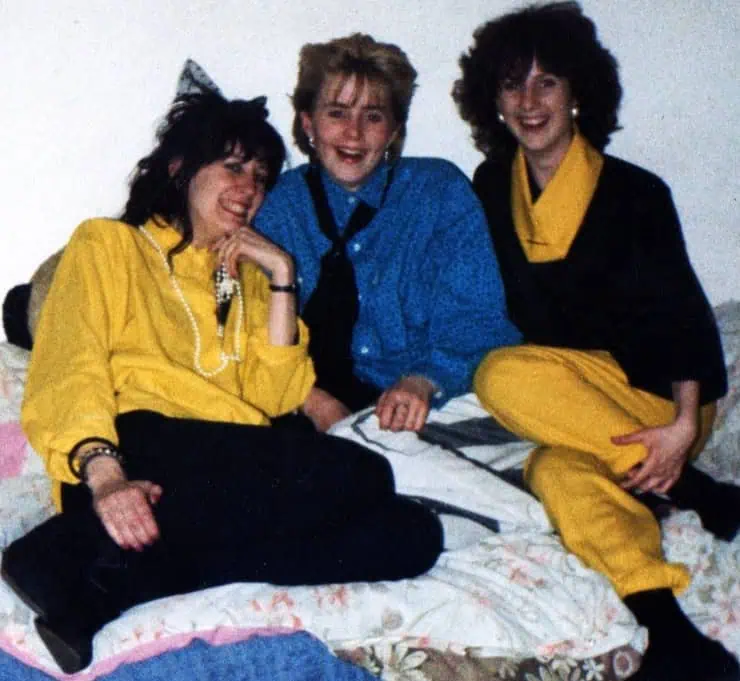
This wasn’t just a look—it was a rebellion. Oversized jackets, shirts, and denim created a silhouette that stood apart from tight-fitting mainstream styles. Inspired by both street dance and prison-issue fits, baggy fashion in the ‘80s made space for freedom of movement and resistance to conformity. Hip-hop artists adopted it as a visual middle finger to the fashion elite. It eventually influenced ‘90s fashion and returned again in 2020s streetwear, proving its timeless cultural grip.
5. Preppy
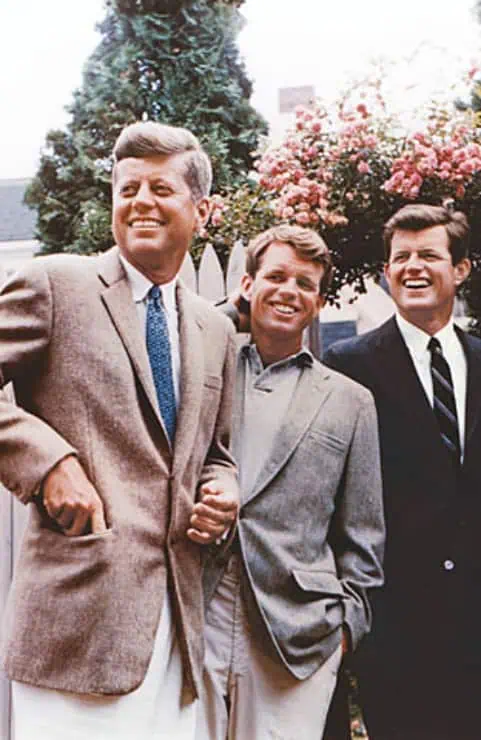
In the 1980s, the first wave of hip-hop influence, preppy fashion also gained popularity among the youth. This group of young, upwardly mobile black individuals, known as “buppies”, embraced 1980s hip-hop music and wore clothing items from brands like Polo, Timberland, and Tommy Hilfiger. They were particularly drawn to the exclusivity and aspirational appeal of Hilfiger, with its all-American, WASP-y, and country club aesthetic. The brand’s immense popularity among the hip-hop subculture community eventually led to its global expansion.
6. Gold Chains as a Cultural Power Statement
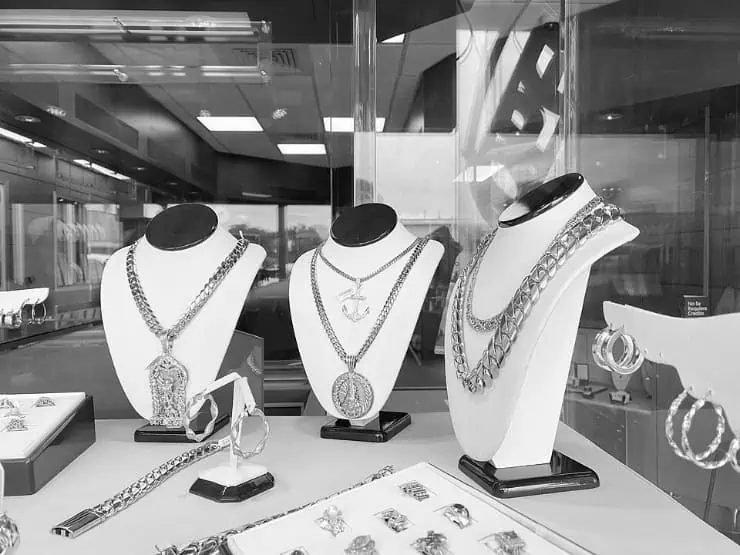
Thick gold rope chains, nameplate necklaces, and massive medallions weren’t just accessories—they were movements. These bold adornments broadcast success, resilience, and pride in the face of systemic disenfranchisement. Icons like Rakim and Slick Rick wore jewelry that told stories of aspiration and survival. This movement turned “bling” into a universal language of power and style, influencing jewelry design and music videos for decades.
7. Gangster Style
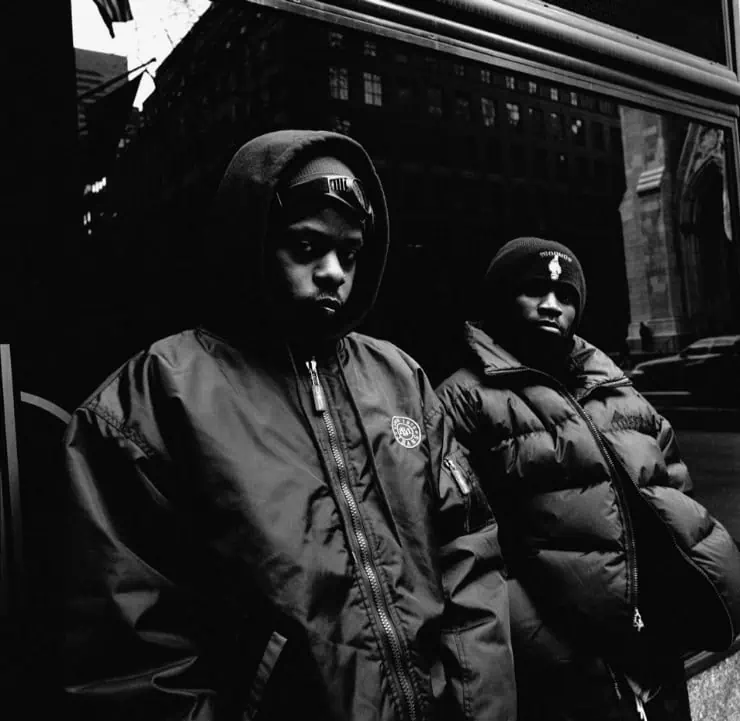
On the East Coast of the United States, members of the hip hop community looked back to the gangsters of the 1930s and 1940s for inspiration. Mafioso influences, especially and primarily inspired by the 1983 remake version of Scarface, became popular in hip hop. Many rappers set aside gang-inspired clothing in favor of classic gangster fashions such as bowler hats, double-breasted suits, silk shirts and alligator-skin shoes
8. Urban Streetwear
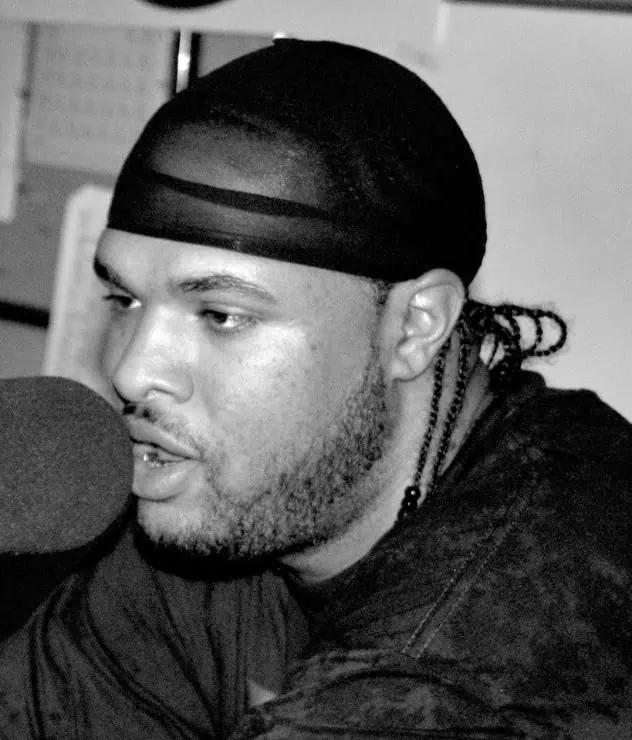
Tommy Hilfiger was one of the most prominent brands in 1990s sportswear, though Polo Ralph Lauren, Calvin Klein, Nautica, and DKNY were also popular. Snoop Dogg wore a striped Hilfiger rugby shirt during an appearance on Saturday Night Live, and it sold out of New York City stores the next day. Furthermore, Tommy Hilfiger tube tops were also a big hit within the hip-hop community. It was considered a “must-have” piece for every girl influenced by this music genre. Artists like TLC, the late Aaliyah and so on were commonly seen in events dressed in it.
9. Bling Bling Jewelry
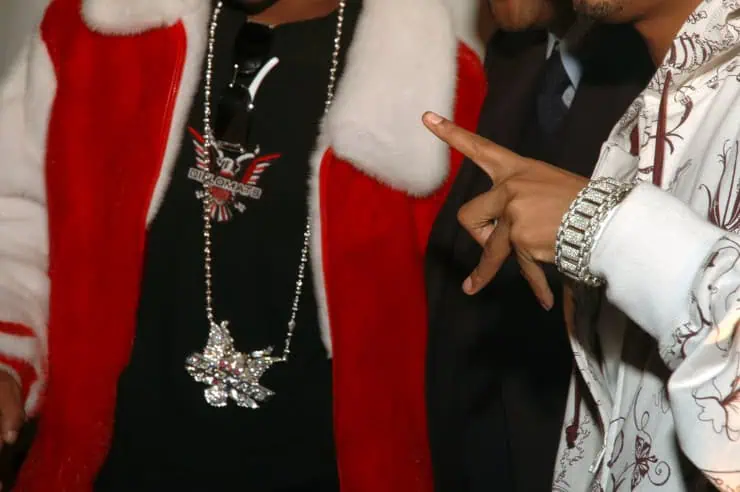
In the mid-to-late 1990s, platinum replaced gold as the metal of choice in hip hop fashion. Artists and fans alike wore platinum (or silver-colored) jewelry, often embedded with diamonds. Juvenile and The Hot Boys were largely responsible for this trend. Platinum fronts also became popular; Cash Money Records executive/rapper Brian “Baby” Williams has an entire mouthful of permanent platinum teeth. Others have fashioned grills, removable metal jeweled teeth coverings.
10. Hi-Top Fades and Iconic Hair as Fashion
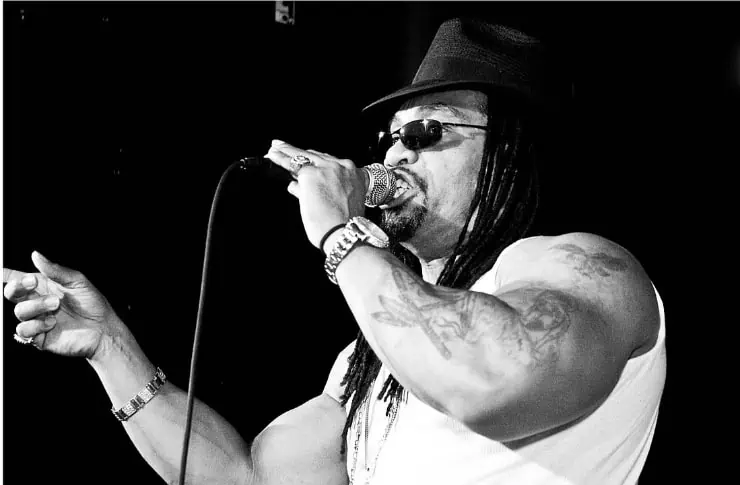
Hair became fashion in motion. The hi-top fade, worn by Kid ‘N Play and Big Daddy Kane, was not just a cut, it was a sculpture of identity. The Jheri curl added a glossy, rebellious edge to street looks. These hairstyles complemented outfits and stood as style statements in their own right. Today’s revival of retro hair trends and attention to hair in fashion shoots owes much to this era.
11. Statement Eyewear & Sunglass Culture
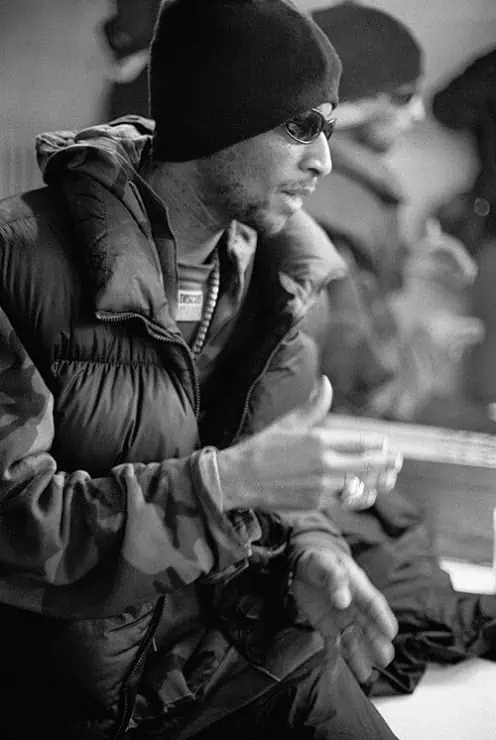
Large, angular sunglasses and tinted lenses, often seen on MC Lyte or Fab 5 Freddy, turned shades into essential performance accessories. Whether worn indoors or at night, statement eyewear exuded mystery and control. This trend created a culture of performance fashion where vision, both literal and metaphorical, was center stage. Oversized frames and colored lenses remain in trend today thanks to this movement.
12. Varsity Jackets and Urban Collegiate Style
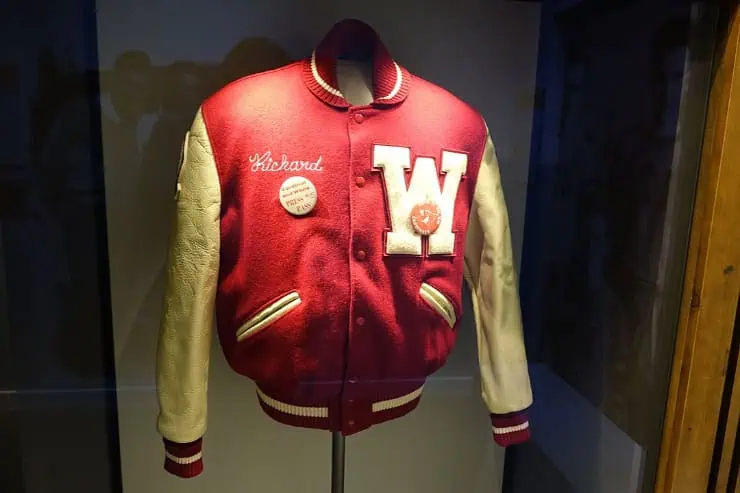
Letterman jackets became street staples when adopted by acts like N.W.A. and EPMD. They were a nod to athletic prestige, but when reappropriated by rappers, they blended academia and aggression, style and swagger. This movement helped reframe youthful rebellion as smart and stylish. Modern bomber jackets and athletic-inspired fashion lines continue this legacy.