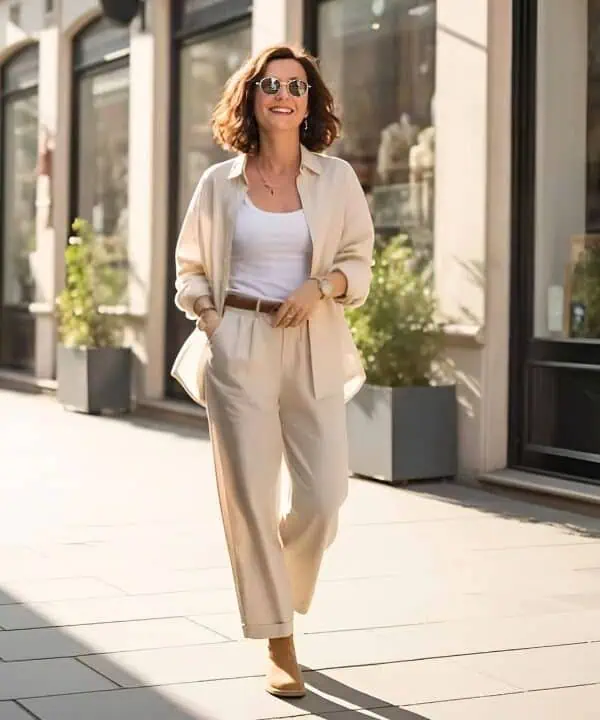
Fading into the background rarely happens because of one bad outfit. More often, it’s the result of quiet, habitual fashion choices that feel safe, familiar, and invisible. Stylists often say that women over 40 don’t need bolder clothes they need clearer intention. When outfits lack contrast, structure, or point of view, they stop communicating confidence and presence. None of the habits below are “mistakes” in the traditional sense. They’re simply choices that no longer serve women who want to look current, expressive, and seen. Awareness not trend-chasing is what brings style back into focus.
Table of Contents
1. Dressing Only in Neutral on Neutral Outfits

Neutrals are elegant, but when worn head to toe without variation, they can quietly erase visual interest. Stylists often see women over 40 default to beige, taupe, grey, or black as a safety net. The issue isn’t the colors themselves it’s the lack of contrast, texture, or dimension. Without a focal point, the eye simply moves past the outfit. Modern style relies on subtle tension: light against dark, matte against sheen, soft against structured. Neutral outfits need intention to feel chic rather than invisible. Otherwise, they blend seamlessly into the background.
2. Prioritizing Comfort Over Shape
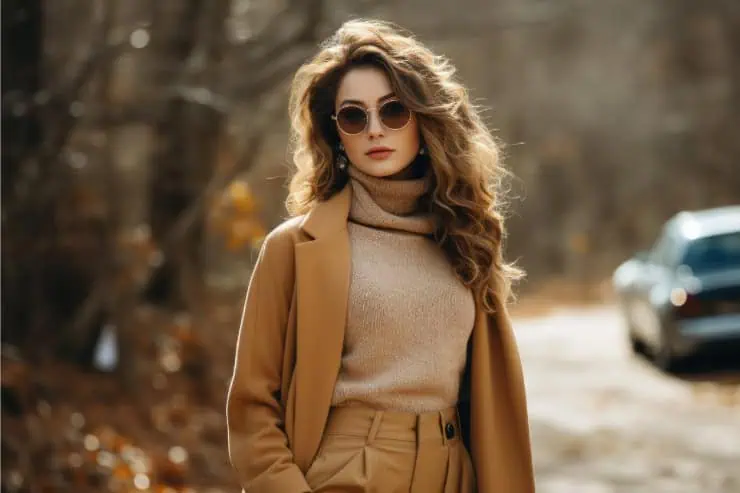
Comfort is essential, but when it becomes the only goal, outfits lose clarity. Stylists note that overly loose, shapeless clothing often reads as withdrawal rather than ease. Modern fashion balances comfort with structure elastic waistbands with tailoring, soft fabrics with defined lines. When clothing floats away from the body without purpose, it removes presence. The wearer isn’t framed; she disappears. Small adjustments like defining the waist, choosing intentional drape, or refining proportions can preserve comfort while restoring visibility and confidence.
3. Wearing the Same Silhouette Every Day
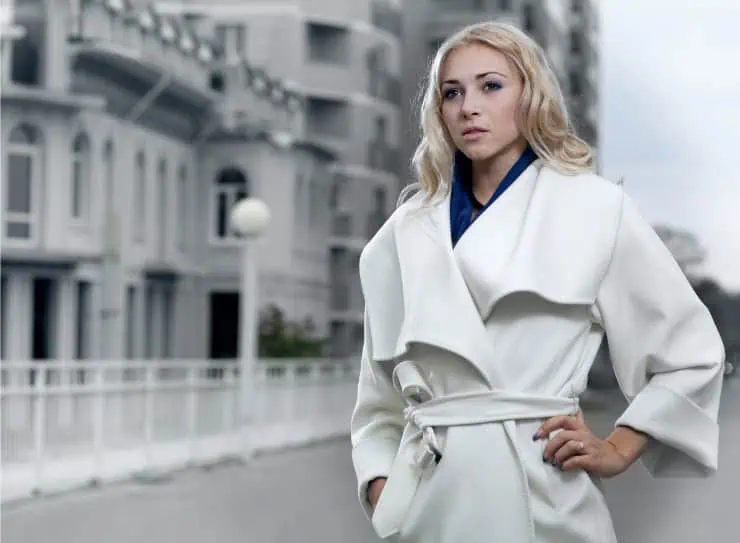
Repeating the same outfit formula same pants shape, same top length, same layering creates predictability. Stylists say predictability is one of the fastest ways to fade visually. Even well-dressed women can become invisible when their silhouette never changes. Modern style thrives on variation: wide one day, slim the next; cropped today, elongated tomorrow. When silhouettes remain static, outfits stop engaging the eye. This doesn’t require a new wardrobe just rotation. Small silhouette shifts refresh your visual presence instantly.
4. Avoiding Color Completely
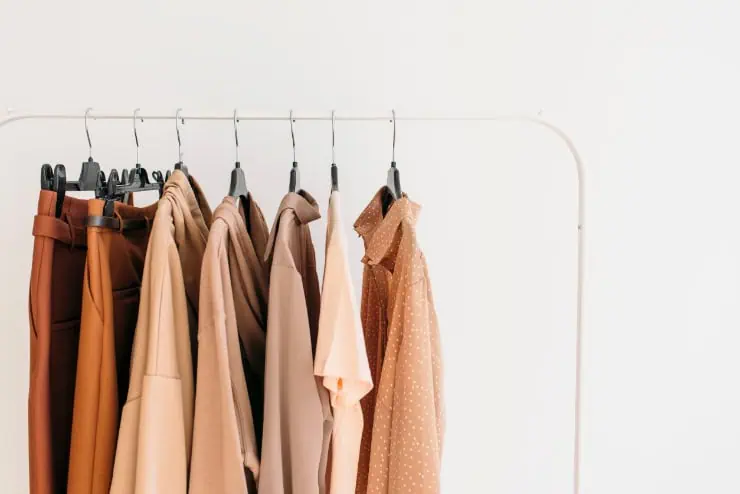
Many women over 40 abandon color out of fear of looking “too much.” Stylists argue this often has the opposite effect. Without any color, outfits lose vitality and emotional expression. Color doesn’t need to be loud a soft blue, olive, burgundy, or warm rust can bring life back into an outfit. When clothing lacks color entirely, it blends into surroundings, especially in urban environments. Strategic color placement signals confidence and awareness. Avoiding it altogether often reads as hesitation, not sophistication.
5. Wearing Clothes That Don’t Fit the Current Body
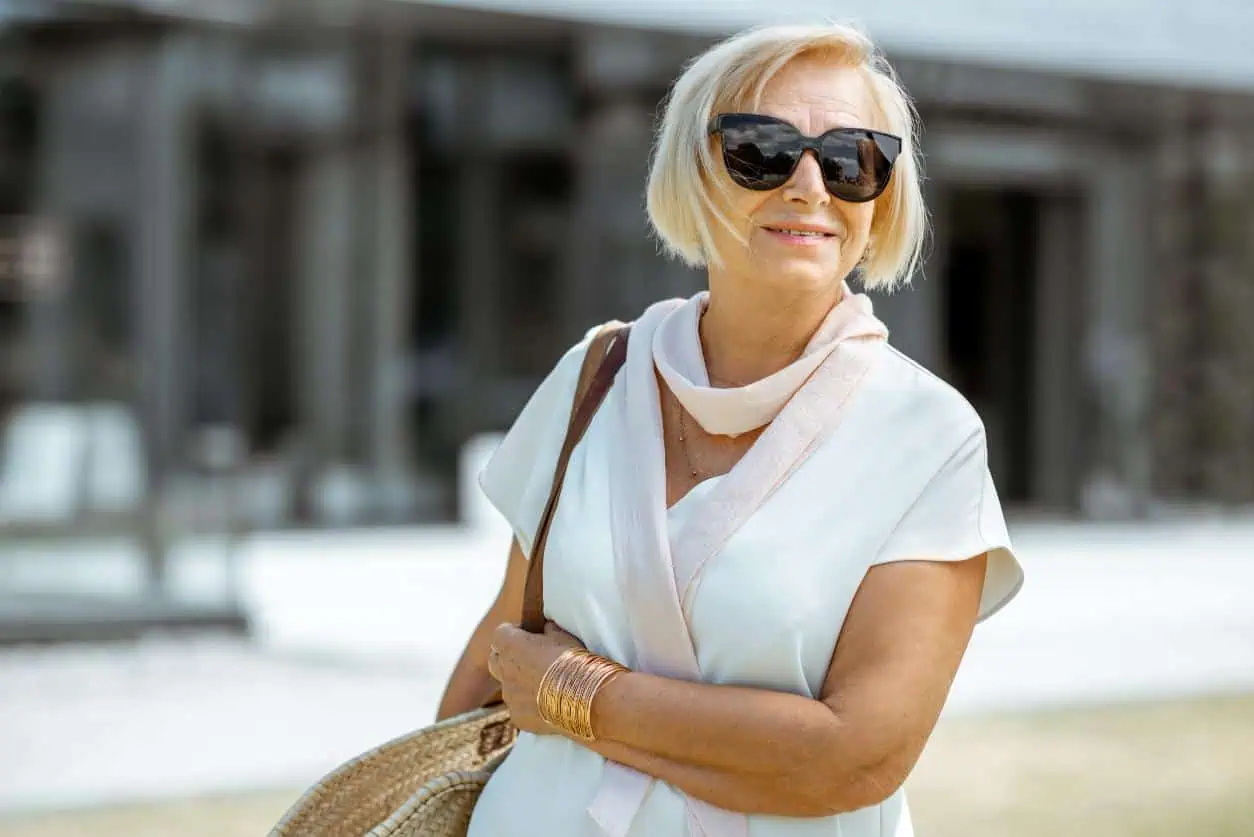
Holding onto old sizes or refusing to adjust fit is one of the most common reasons women fade visually. Stylists emphasize that bodies change and style should adapt, not resist. Clothes that are too tight or too loose communicate discomfort. When fit is off, the eye focuses on the problem rather than the person. Proper tailoring doesn’t shout; it quietly sharpens everything. Clothes that fit the body you have now allow your presence to come forward instead of retreat.
6. Overlooking Accessories Entirely
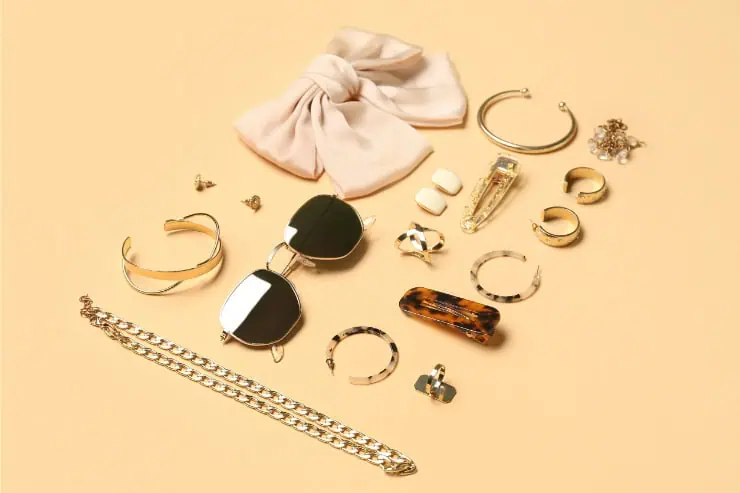
Accessories are not extras they’re punctuation. Stylists often notice that women who fade visually tend to skip accessories altogether. Without them, outfits feel unfinished and forgettable. A belt, scarf, shoe choice, or piece of jewelry creates emphasis and rhythm. Accessories don’t need to be bold, but they must be intentional. When outfits lack finishing touches, they read as background noise rather than a statement. Accessories anchor attention and give outfits identity.
7. Playing It Safe With Shoes

Shoes ground an outfit, yet many women over 40 default to purely practical options with no visual interest. Stylists say this instantly dulls even well-chosen clothing. Shoes don’t need to be trendy or uncomfortable, but they should contribute to the outfit’s story. Shape, texture, or color can elevate the entire look. When shoes are forgettable, the outfit often becomes forgettable too. Footwear is one of the easiest ways to reclaim presence without changing everything else.
8. Dressing for an Old Version of the Workplace
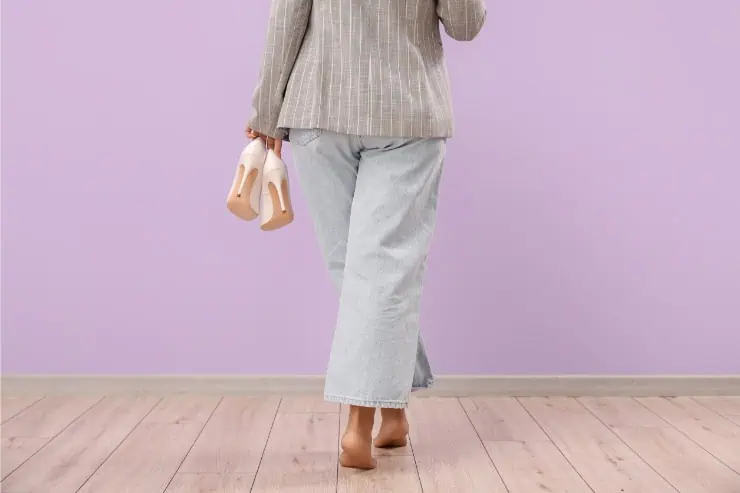
Many women continue dressing for jobs or roles they no longer occupy. Stylists call this “context lag.” Outfits designed for a corporate environment can feel overly rigid or dated in modern life. When clothes don’t match current lifestyle or identity, they create emotional distance. Updating proportions, fabrics, or styling not professionalism keeps outfits relevant. Dressing for who you are now brings visibility and confidence back into your style.
9. Avoiding Trends Entirely
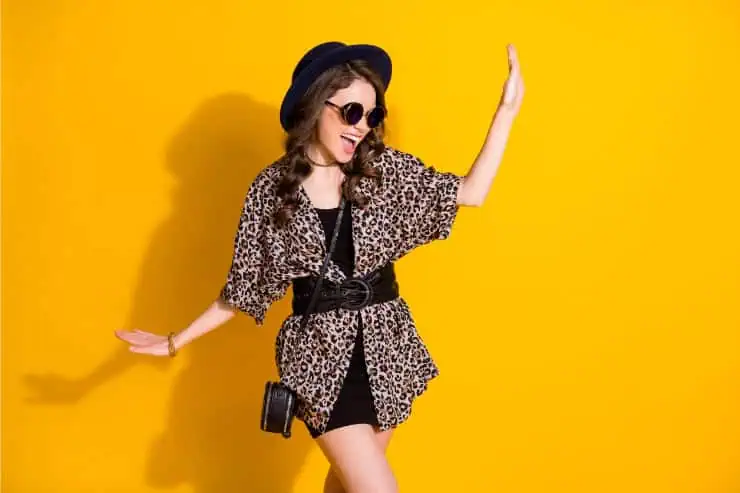
Stylists are clear: avoiding trends completely is just as limiting as chasing them blindly. Trends act as cultural signals they show awareness. Ignoring them altogether freezes style in time. Incorporating trends doesn’t mean overhauling your wardrobe; it can be as simple as a modern cut, fabric, or color. When outfits show no connection to the present moment, they fade into timelessness in the wrong way. Relevance keeps style visible.
10. Dressing Only to Blend In
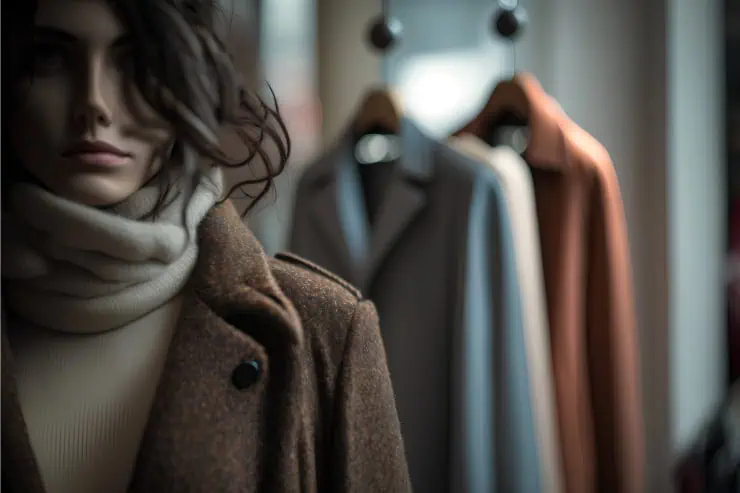
Some women consciously choose clothes that help them “not stand out.” Stylists note that this mindset often leads to invisibility rather than elegance. Style isn’t about demanding attention it’s about allowing presence. Clothes that are chosen to disappear often succeed too well. When outfits lack intention, they remove personality from the equation. Dressing with quiet confidence means allowing yourself to be seen without apology.
11. Ignoring Proportion and Balance

Outfits fail quietly when proportions are off. Long tops with long pants, oversized layers stacked together, or volume without contrast all flatten the look. Stylists say proportion is what separates background dressing from editorial dressing. Balance creates visual tension that draws the eye. When everything is equal, nothing stands out. Adjusting lengths, volume, and scale brings outfits back into focus and restores presence.
12. Refusing to Evolve Altogether
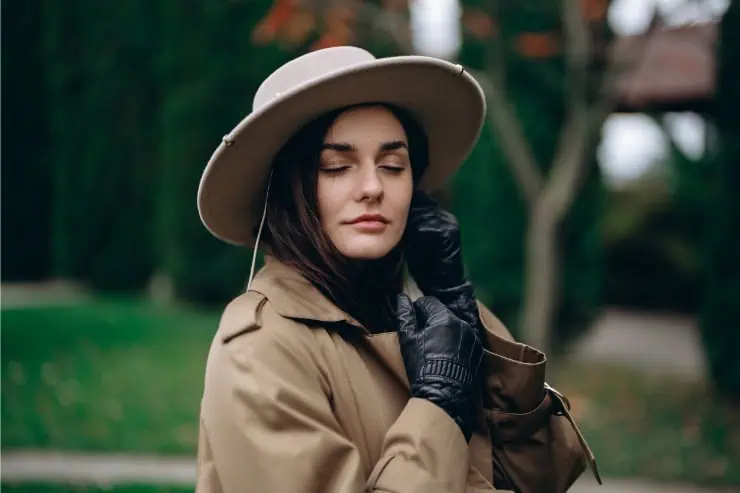
The most powerful habit that causes women over 40 to fade is refusing evolution. Stylists consistently say that the most visible, stylish women remain curious. They adjust, refine, and respond to change. Style is not about perfection or youth it’s about relevance and self-awareness. When clothing choices stop evolving, they stop communicating. Growth keeps style alive. Evolution doesn’t erase identity it sharpens it. And presence follows naturally.