Fashion has always been more than clothing, it’s a reflection of identity, culture, and progress. Throughout history, certain designers have redefined what it means for women to dress with power, elegance, and freedom. These visionaries didn’t just follow trends, they created them, transforming silhouettes, challenging societal norms, and empowering women through style. From haute couture to everyday wear, their influence shaped how women express themselves through clothing.
Table of Contents
1. Coco Chanel
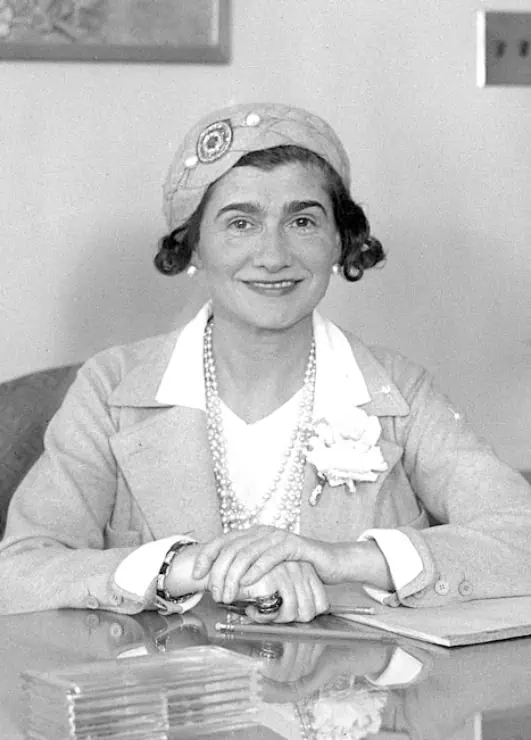
Coco Chanel revolutionized women’s fashion by liberating them from restrictive corsets and introducing elegance in simplicity. Her creation of the little black dress, the tweed jacket, and her pioneering use of jersey fabric made comfort fashionable. Chanel’s vision brought a modern sense of freedom to female wardrobes, mixing masculine tailoring with feminine silhouettes. She believed in functional elegance, clothing that let women move with ease and grace. By reimagining luxury as something wearable and practical, Chanel created a timeless style vocabulary still referenced today.
2. Diane von Fürstenberg
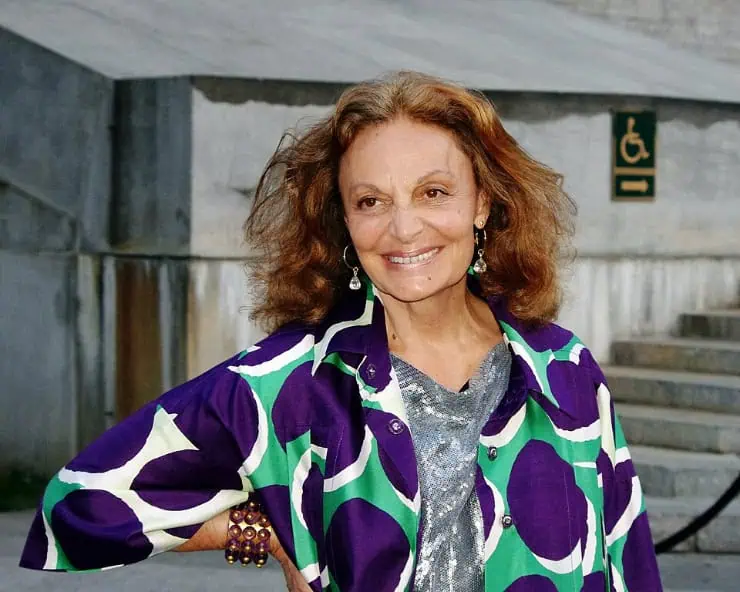
Diane von Fürstenberg made fashion history with one iconic piece: the wrap dress. Launched in the 1970s, the jersey wrap dress became a symbol of female empowerment, combining femininity, ease, and confidence. The dress flattered every body type and required no fuss, making it ideal for modern, working women. Von Fürstenberg understood that fashion should support women, not constrain them. She promoted independence and strength through her designs and public image, encouraging women to be bold and self-assured.
3. Yves Saint Laurent
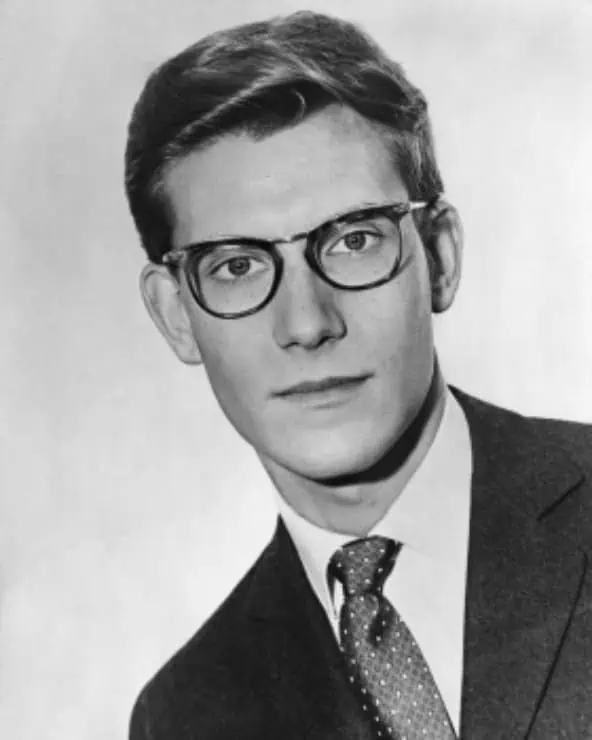
Yves Saint Laurent brought high fashion to the streets and redefined power dressing for women. His introduction of Le Smoking, the first tuxedo suit for women, challenged gender norms and celebrated androgyny with elegance. Saint Laurent believed women should have access to the same tailored confidence as men. He also popularized ready-to-wear, making designer fashion more accessible. From safari jackets to sheer blouses, his creations were daring yet sophisticated.
4. Donna Karan
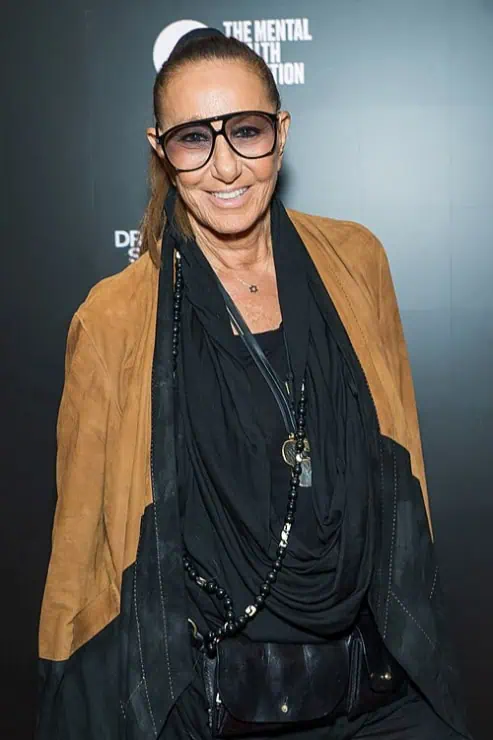
Donna Karan became a defining voice for working women in the 1980s with her concept of “Seven Easy Pieces.” Her approach focused on versatile, mix-and-match garments that transitioned from office to evening. Karan understood the demands on modern women and designed clothes that were both comfortable and chic. Her sleek bodysuits, wrap skirts, and tailored jackets gave women a powerful, polished look that didn’t sacrifice femininity. She introduced stretch fabrics to the business wardrobe and emphasized layering for flexibility.
5. Miuccia Prada

Miuccia Prada took her family’s leather goods company into the realm of intellectual fashion. In the 1990s, she introduced “ugly chic”, combining industrial fabrics, offbeat colors, and unusual silhouettes to challenge traditional beauty. Prada’s minimalist yet subversive designs encouraged women to embrace individuality over obvious sex appeal. She made utilitarian materials like nylon stylish, and her work always carried a sense of irony and depth. Women who wore Prada were perceived as smart, strong, and stylish on their own terms.
6. Christian Dior
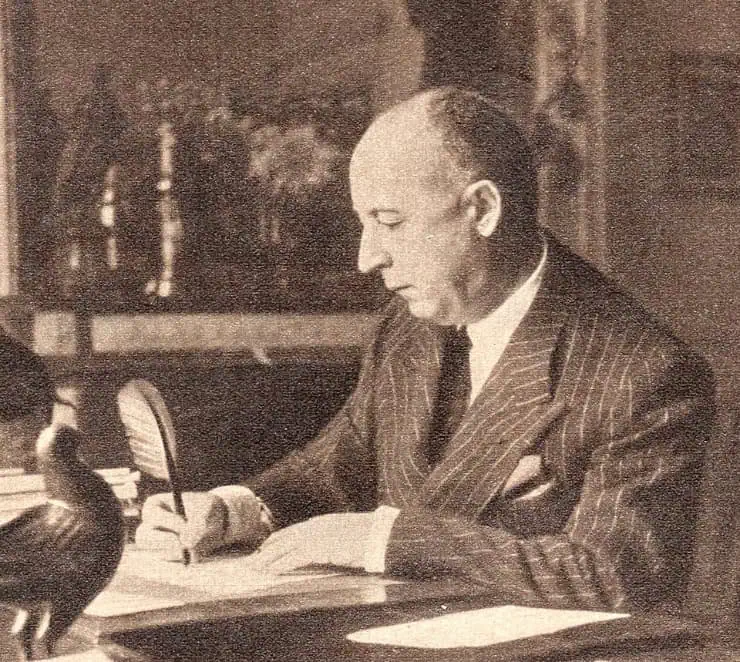
Christian Dior reshaped women’s fashion after World War II with his iconic “New Look.” Featuring cinched waists, voluminous skirts, and an ultra-feminine silhouette, the New Look reintroduced glamour to a world recovering from austerity. Though initially controversial, it became a celebration of womanhood and beauty. Dior’s designs emphasized hourglass curves and elegance, steering fashion away from wartime practicality. He reminded women that fashion could be art, luxury, and escapism. Dior’s romantic, lavish aesthetic left a lasting impression and paved the way for high fashion’s revival.
7. Phoebe Philo

Phoebe Philo made quiet luxury and intelligent minimalism the new status symbols. During her tenure at Céline, she crafted sleek, effortless garments that resonated with modern women seeking beauty without fuss. Her designs favored clean lines, neutral palettes, and impeccable tailoring, clothing that allowed women to move, think, and feel in control. Philo’s work spoke to a generation of women uninterested in flashy trends, focusing instead on substance, function, and understated elegance. Her influence extended beyond fashion into culture, shaping how women perceived power dressing in the 21st century.
8. Rei Kawakubo
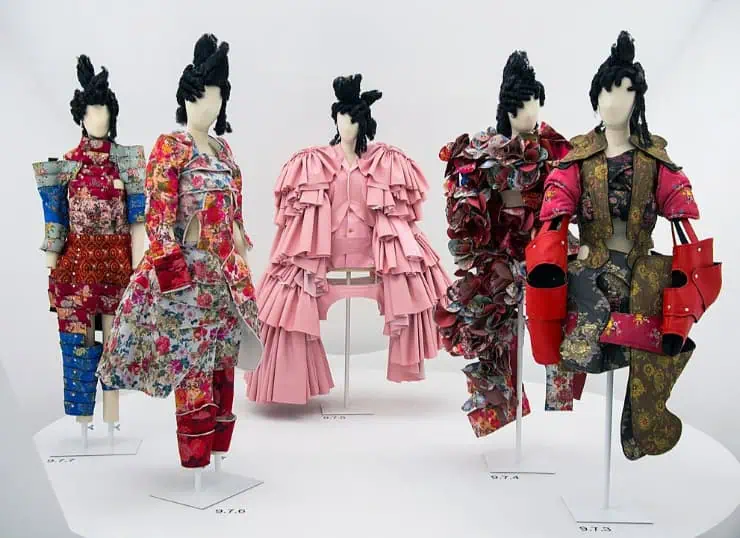
Rei Kawakubo, founder of Comme des Garçons, redefined what fashion could be. Her avant-garde, often abstract designs rejected conventional ideas of beauty, symmetry, and femininity. Kawakubo’s work invited women to express complexity, creativity, and contradiction. Whether through deconstructed tailoring, bold silhouettes, or gender-fluid garments, she opened space for fashion as art and identity exploration. Her “anti-fashion” approach empowered women to dress for themselves, not for the male gaze. Though often seen as radical, her influence has permeated mainstream fashion.
9. Mary Quant
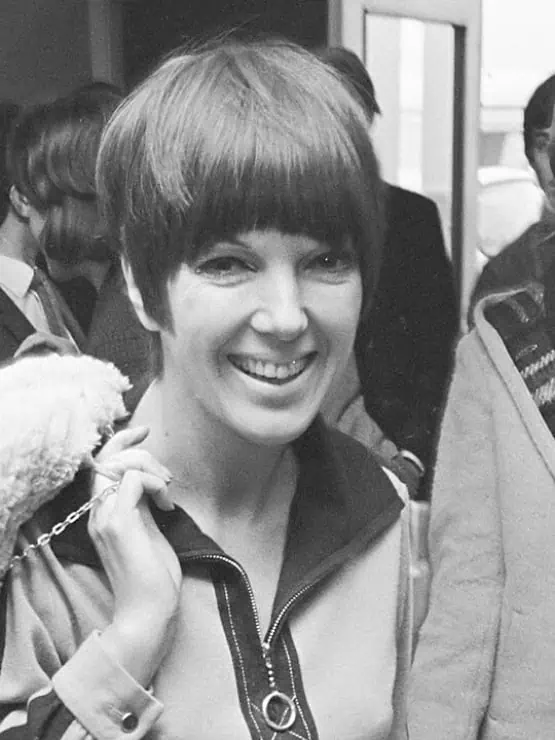
Mary Quant helped define the Swinging Sixties by popularizing the miniskirt, hot pants, and bold mod style. She injected youthful energy and fun into fashion, giving women the freedom to express themselves in daring new ways. Her designs celebrated the female body without apology, making short hemlines a statement of liberation. Quant’s boutique, Bazaar, became a fashion destination, and her influence spread globally. She believed fashion should be accessible and joyful, not dictated by tradition.
10. Claire McCardell
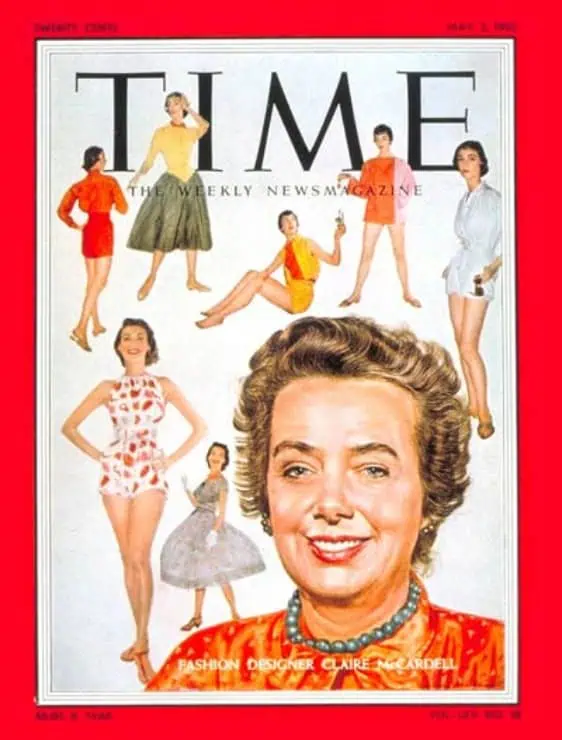
Claire McCardell was a pioneer of American sportswear in the 1940s and 1950s, designing for real women with real lives. She rejected European haute couture in favor of practical, stylish pieces like wrap dresses, ballet flats, and popover dresses. McCardell used humble fabrics like denim and gingham, emphasizing comfort, ease of movement, and understated elegance. Her focus on functionality without sacrificing style helped shape the American fashion identity. She empowered women by offering clothes they could move in, work in, and live in.
11. Ann Lowe
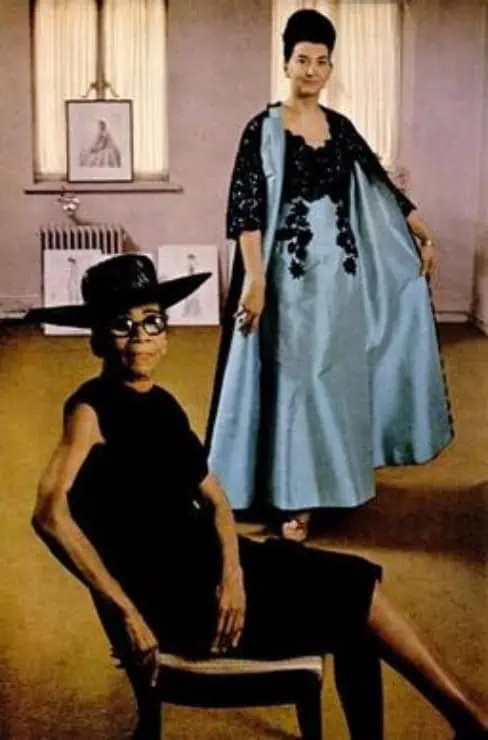
Ann Lowe was a groundbreaking African American designer who made elegant gowns for high society clients long before she received public recognition. Most famously, she designed Jacqueline Kennedy’s 1953 wedding dress, though she was not initially credited for it. Lowe specialized in hand-sewn couture gowns with intricate floral appliqués, fine detailing, and impeccable craftsmanship. Despite facing racial discrimination and financial obstacles, she dressed America’s wealthiest families, including the Rockefellers, Roosevelts, and du Ponts.
12. Stella McCartney

Stella McCartney has been a trailblazer in sustainable, cruelty-free fashion since launching her brand in 2001. She proved that high fashion didn’t require leather, fur, or wasteful practices to be chic. McCartney’s tailoring and sporty-luxe aesthetic appeal to modern women who want fashion aligned with their values. She brought environmental consciousness into the mainstream luxury conversation, long before it was trendy. Her work champions innovation, using alternative materials, eco-friendly fabrics, and transparent sourcing. Stella