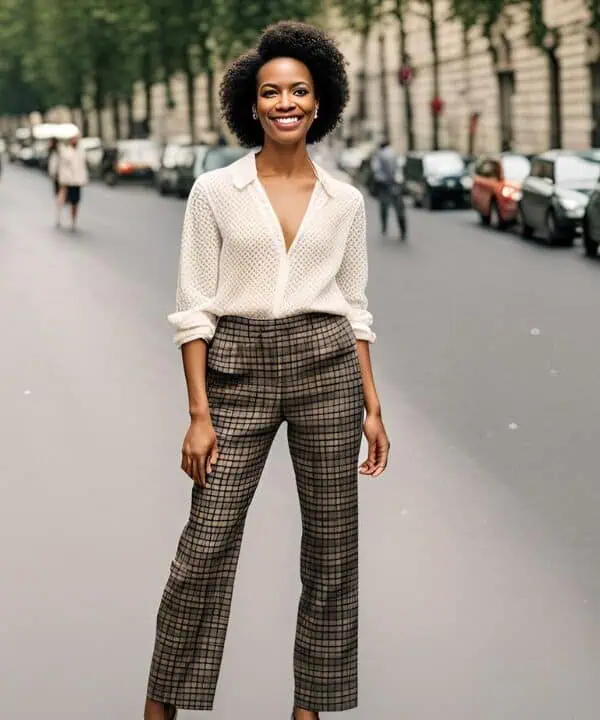
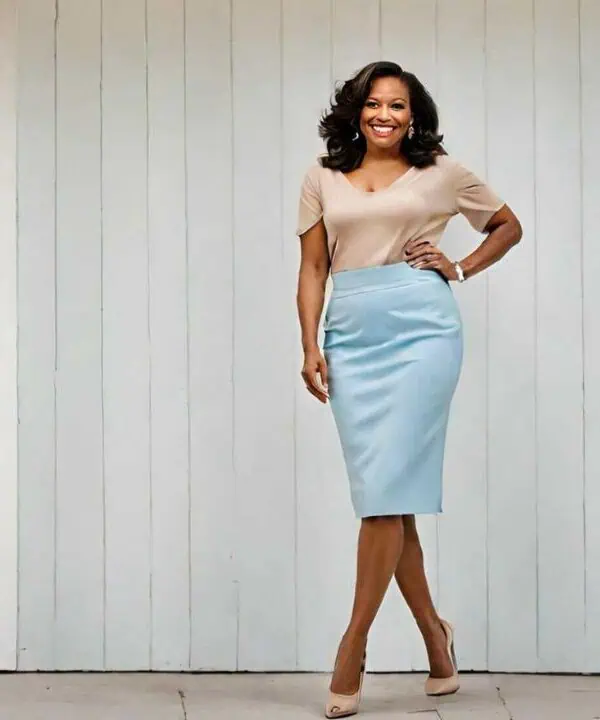
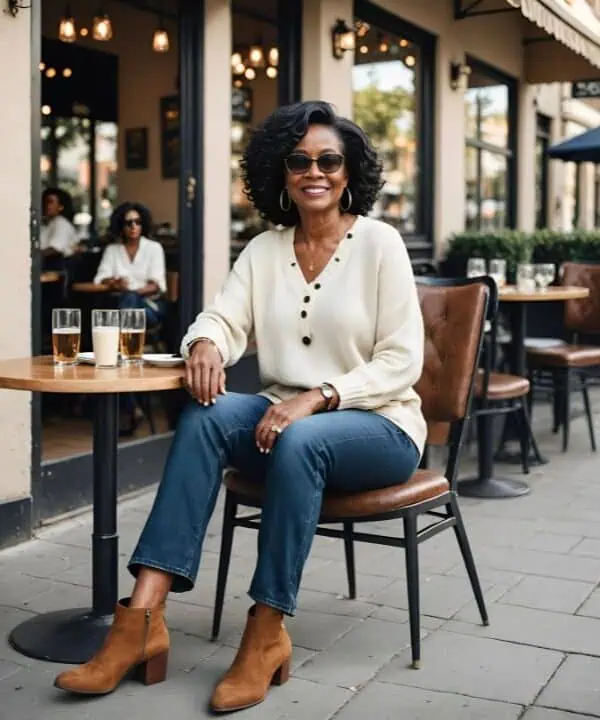
Length is one of the most powerful and most overlooked tools in personal style. Where clothing begins and ends on the body directly affects how tall, balanced, and streamlined you appear. Small length adjustments can dramatically change proportions, often more than color or fit alone. Many outfits look “off” not because the pieces are wrong, but because the lengths compete or interrupt the body’s natural lines. Learning how to use length intentionally allows outfits to feel lighter, sleeker, and more cohesive.
Table of Contents
1. Let Tops End Before the Widest Part of the Hip
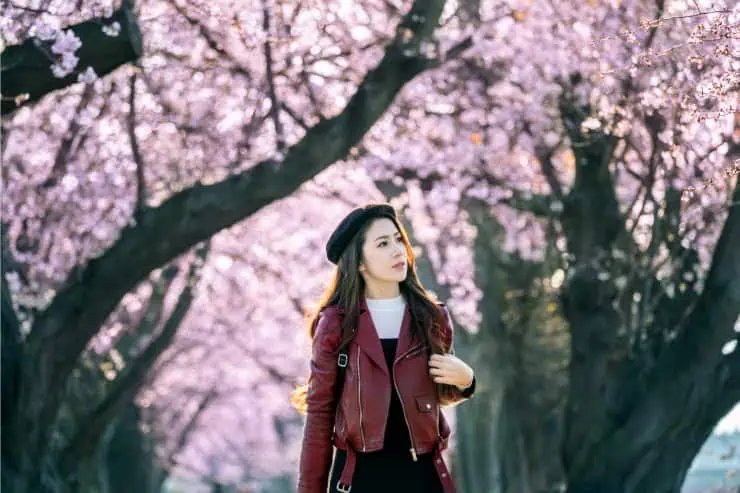
One of the easiest ways to create slimmer lines is to be mindful of where tops hit on the body. When a top ends at the widest part of the hips, it visually emphasizes width. This is why many long tunics unintentionally make outfits feel heavier. Tops that end slightly above or just below the hip bone create a cleaner vertical line through the torso. This subtle shift helps the eye travel up and down rather than side to side. Even with looser fits, adjusting length creates balance and prevents the body from looking boxed in.
2. Use Long Outer Layers to Create Vertical Columns
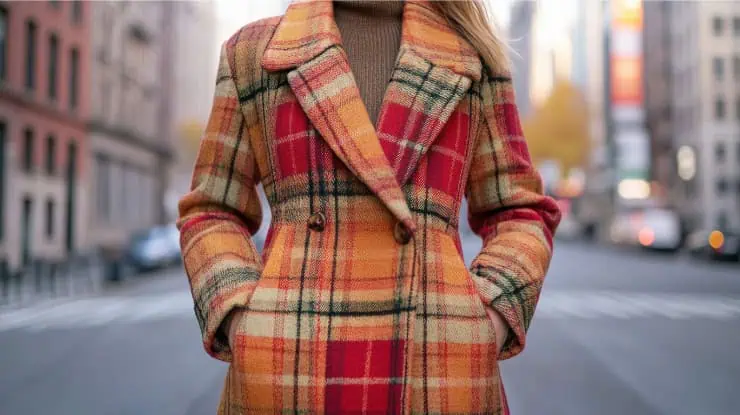
Long coats, cardigans, and vests are powerful tools for elongation when worn correctly. When left open, they create vertical lines that visually slim the body from top to bottom. The key is keeping the inner layers streamlined so the outer layer frames rather than overwhelms. Long outerwear works especially well in neutral tones, where the uninterrupted line enhances length. This technique is particularly effective in winter outfits, where layers are necessary.
3. Match Shoe Color to Pants or Skin Tone

Breaking the line at the ankle can instantly shorten the leg. Matching shoes to the color of your pants or to your skin tone if wearing skirts keeps the visual line uninterrupted. This creates the illusion of longer legs without changing heel height. This trick works just as well with flats as it does with heels. Even subtle differences in shade matter; similar tones keep the eye moving vertically. This approach is especially helpful in winter, when boots often cut off the leg line. Thoughtful color matching keeps outfits streamlined.
4. Keep Inner Layers Shorter Than Outer Layers
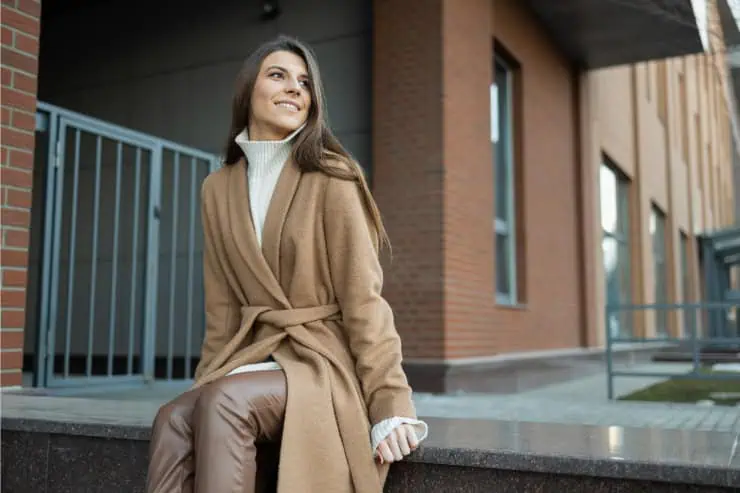
Layering works best when lengths are staggered intentionally. When inner layers are longer than outer layers, they disrupt vertical flow and add bulk. Keeping inner layers slightly shorter allows outer layers to frame the outfit cleanly. For example, a shorter knit under a longer coat creates a continuous vertical line. This rule prevents awkward bunching and visual clutter. It’s a simple adjustment that makes layered outfits feel lighter and more proportional. Strategic length order keeps the eye moving smoothly.
5. Use Midi Lengths That Hit Mid Calf or Lower
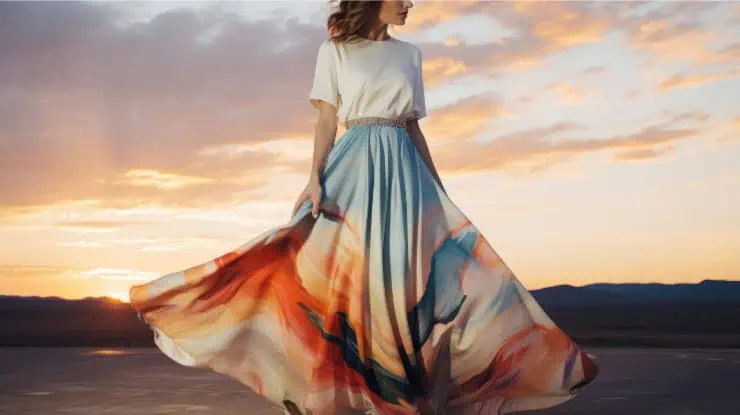
Midi skirts and dresses can be incredibly slimming when the length is right. Midis that hit at the thickest part of the calf can cut the leg visually and create heaviness. Mid-calf or lower lengths elongate the leg by allowing more vertical flow. Pairing midis with similar toned footwear further enhances this effect. Midi lengths work best when the top half is streamlined, keeping focus on the vertical movement of the skirt or dress. Correct placement transforms midis from tricky to flattering.
6. Create Long Lines with Monochrome
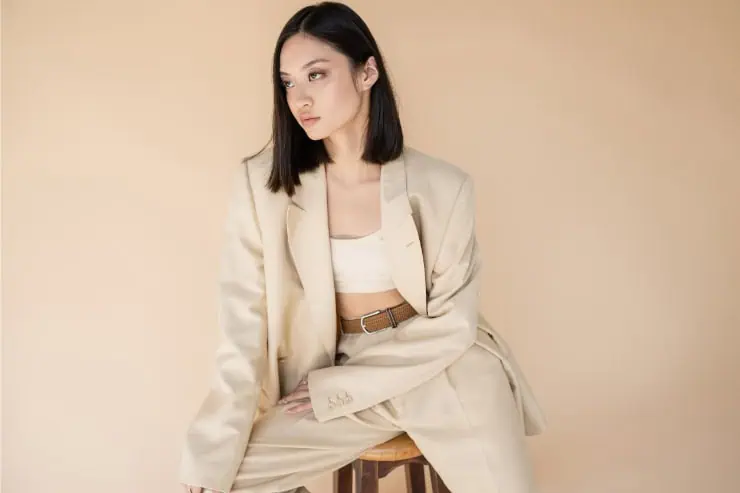
Wearing similar tones from head to toe minimizes visual breaks and creates a longer, slimmer silhouette. This doesn’t require exact color matching slight variations in shade or texture still work. Monochrome outfits are especially effective in neutrals like gray, navy, or camel. The lack of contrast allows the eye to travel uninterrupted, enhancing height and proportion. This technique is particularly helpful for those who prefer simple outfits but want maximum impact. Length through color is one of the easiest slimming tools available.
7. Choose Jackets That End Above or Below the Hip
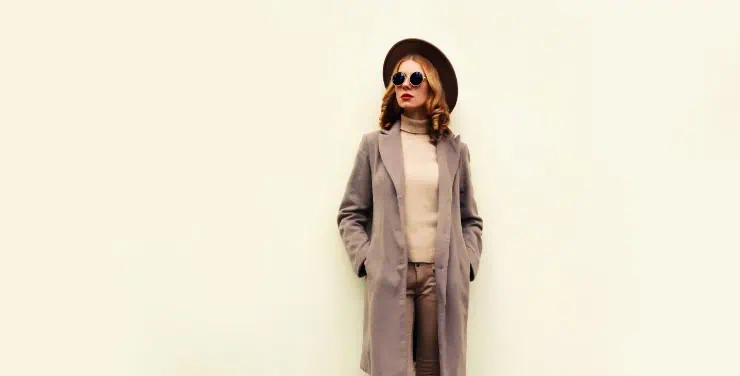
Jacket length plays a critical role in proportion. Jackets that end exactly at hip level often widen the body visually. Styles that end slightly above the hip or extend well below it create cleaner lines. Cropped jackets highlight the waist and lengthen the legs, while longer jackets create vertical columns. The key is avoiding that awkward middle point. Paying attention to jacket length immediately improves balance and prevents outfits from looking boxy or heavy.
8. Use High Rise Bottoms to Extend the Leg Line
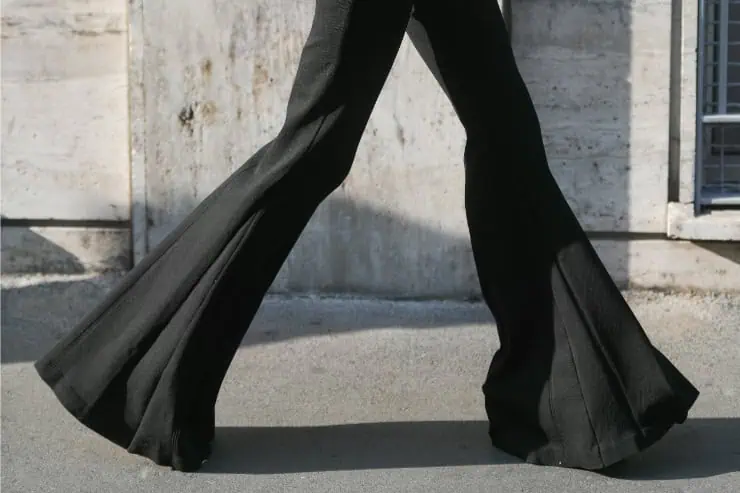
High-rise pants and skirts visually raise the waist, making legs appear longer. This effect is enhanced when tops are tucked, cropped, or hit at the waist. High rise silhouettes also help define the midsection without clinging. Even subtle increases in rise can dramatically change proportion. When paired with streamlined footwear, the leg line feels extended and uninterrupted. This strategy works across body types and ages, making it a reliable way to create slimmer lines effortlessly.
9. Avoid Excess Fabric Pooling at Hems
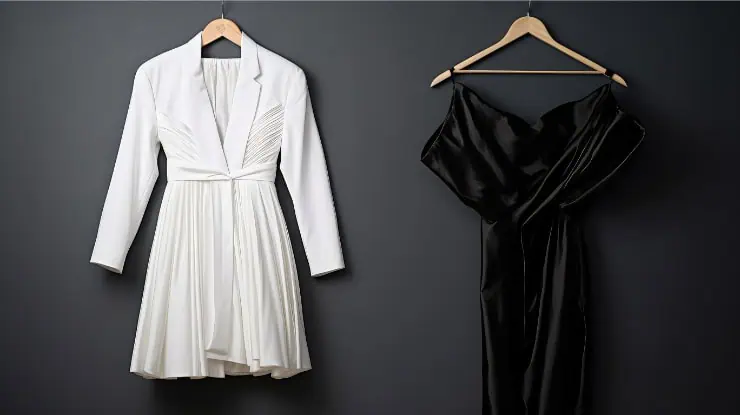
Pooling fabric at the hem interrupts clean lines and adds visual weight. Pants that bunch at the ankle or skirts that drag visually shorten the body. Proper hem length keeps outfits crisp and intentional. Tailoring or selecting correct inseams ensures the line stays clean from hip to foot. Even casual outfits benefit from tidy hems. Eliminating excess fabric allows the eye to travel smoothly, reinforcing length and proportion. It’s a small detail with a big payoff.
10. Let One Length Lead the Outfit
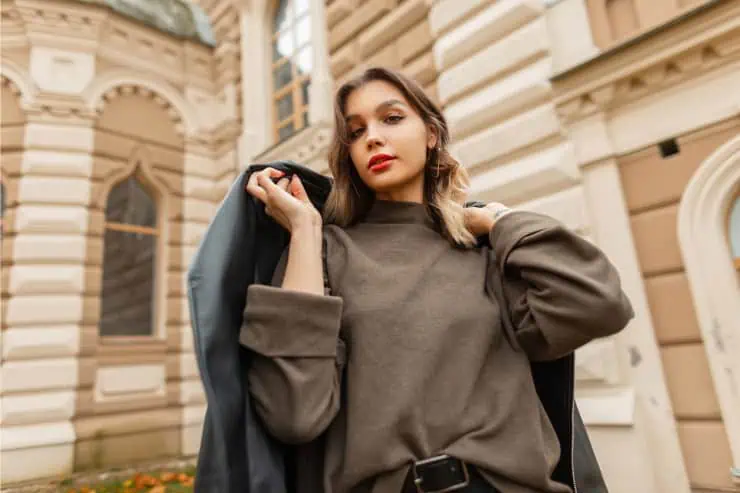
When too many competing lengths exist in an outfit, the silhouette becomes fragmented. Choosing one dominant length such as a long coat, a midi skirt, or a cropped jacket creates cohesion. Supporting pieces should complement rather than compete. This hierarchy simplifies styling and enhances visual flow. Letting one length lead ensures the outfit feels intentional and balanced. It’s a subtle rule that keeps outfits sleek and prevents visual clutter.