Vintage fashion has timeless charm, but wearing it head-to-toe can sometimes feel like a costume. The key is to give those nostalgic pieces a contemporary twist so they look fresh and relevant today. By combining modern cuts, fabrics, and accessories with your favorite retro finds, you can create outfits that are both stylish and personal. From updating silhouettes to experimenting with unexpected pairings, these tricks will help you reinvent vintage without losing its soul. Here are 10 ways to blend old-world elegance with present-day flair.
1. Pair Vintage Tops with Modern Bottoms

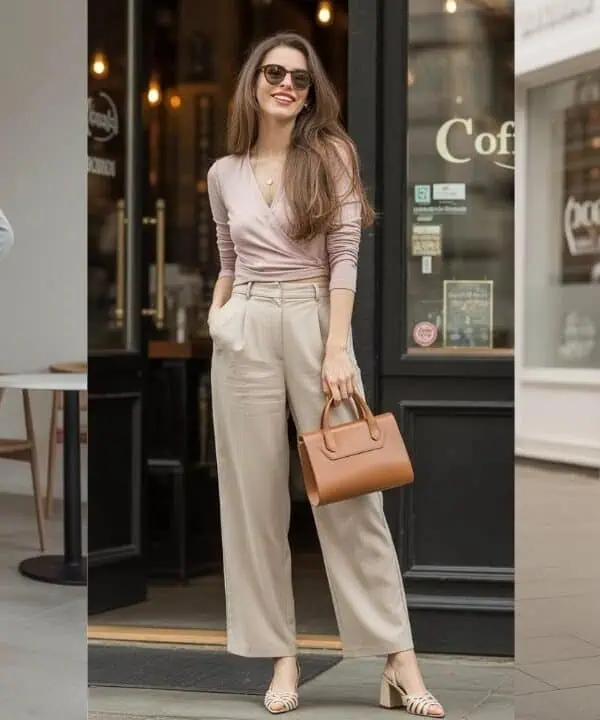
One of the easiest ways to modernize a vintage piece is by grounding it with contemporary basics. A delicate Victorian-style blouse looks effortlessly fresh when paired with high-waisted wide-leg trousers or sleek straight-leg jeans. This balances the ornate details of the top with a clean, minimal silhouette below. Similarly, a retro cropped jacket can be styled over tailored culottes or leather pants for a surprising contrast. The key is to keep the bottom half streamlined so the vintage top stands out while still feeling current and wearable for everyday occasions.
2. Update Accessories for a Fresh Finish

Accessories can instantly shift the mood of an outfit. If you’re wearing a 1950s swing dress, swap out the era-matching pearls for a chunky modern chain necklace or geometric earrings. Replace vintage handbags with structured mini totes or crossbody bags for a contemporary edge. Shoes also play a big role—pair a retro tea dress with sneakers or block-heeled boots to bring it into the now. By choosing current accessories, you keep the look from feeling like a historical reenactment and instead give it a stylish, modern personality.
3. Play with Unexpected Color Combinations

Many vintage pieces come in soft pastels or muted tones typical of their era, but experimenting with bolder color pairings can make them feel brand new. For example, style a cream lace blouse with vibrant fuchsia trousers, or a 70s tan suede skirt with a cobalt blue sweater. Color-blocking is a particularly effective way to update vintage, as it creates a strikingly modern aesthetic. The trick is to introduce shades that weren’t common in the original era, making the outfit feel deliberately fresh rather than purely nostalgic.
4. Layer with Contemporary Outerwear

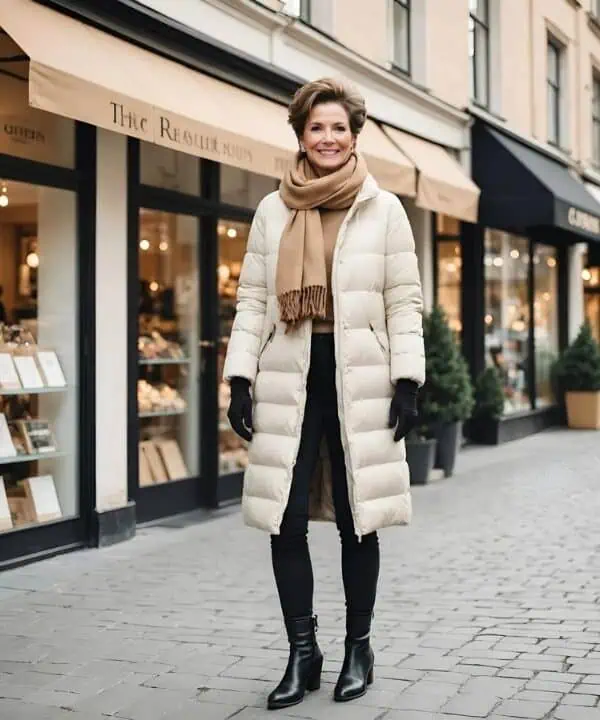
Layering vintage pieces under modern outerwear instantly updates the overall vibe. A floral 40s tea dress becomes edgy with an oversized leather biker jacket, while a tailored trench over a retro mini skirt feels current. Oversized blazers, puffer jackets, and cape coats also contrast beautifully with delicate or fitted vintage garments. Playing with scale and structure creates visual interest while ensuring you’re not locked into the proportions of the past. This method also makes vintage pieces more versatile and season-appropriate without losing their unique appeal.
5. Incorporate Modern Prints and Textures

Mixing vintage items with today’s trending prints and fabrics is a powerful way to refresh them. Try pairing a 60s A-line skirt with a top in a contemporary abstract print, or wear a crochet cardigan over a metallic camisole. Blending eras through fabric choice—like pairing tweed with faux leather or velvet with mesh—adds dimension to your outfit. The goal is to create a visual conversation between the past and present, making the final look dynamic rather than a straightforward vintage replication.
6. Experiment with Proportions
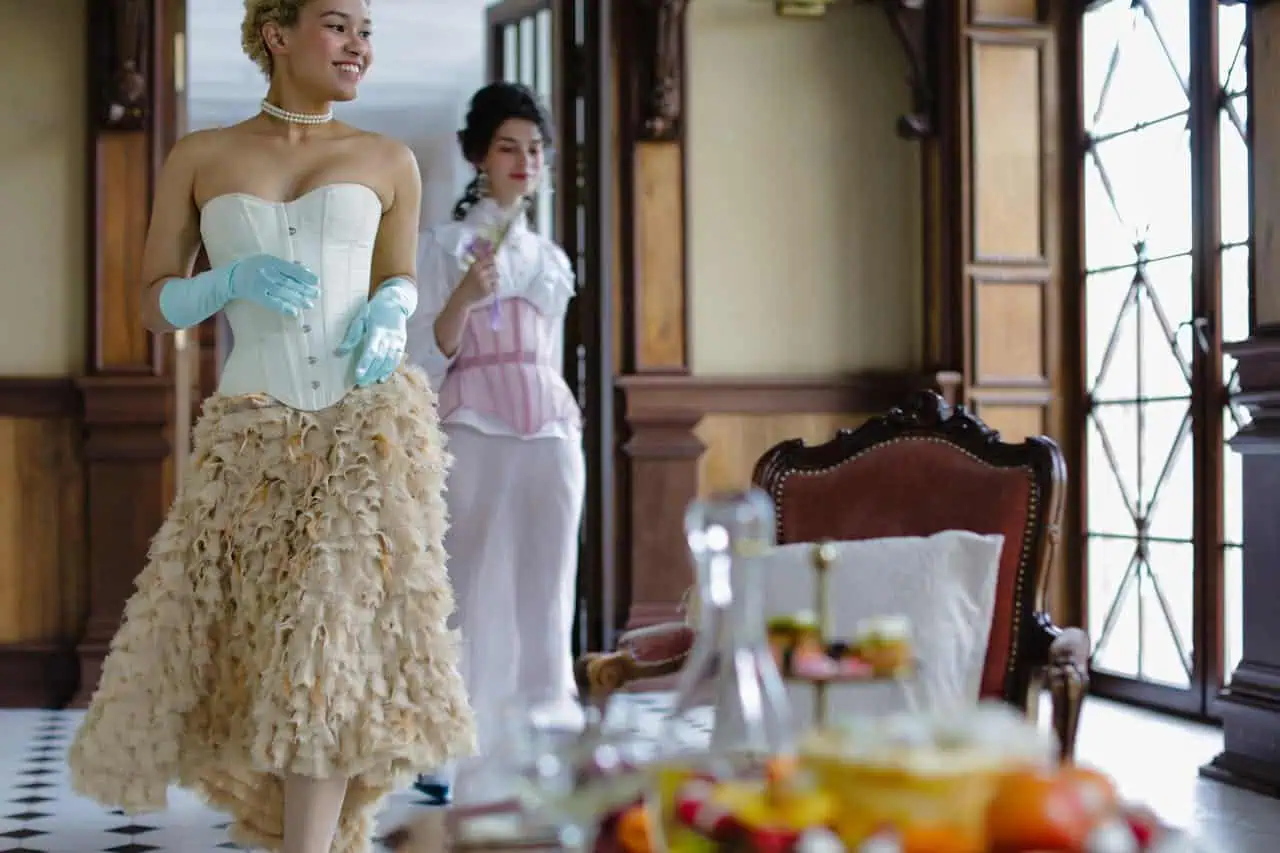
Modern fashion embraces proportion play in a way many vintage eras didn’t. Use this to your advantage when styling retro pieces. If you have a fitted vintage blouse, wear it with oversized, slouchy trousers or a dramatic maxi skirt. A boxy 80s blazer can be cinched at the waist with a bold belt to create a sculpted silhouette. Playing with volume ensures that your vintage pieces don’t feel restricted by the conventions of their original time period and instead look intentional and fashion-forward.
7. Add Minimalist Elements for Balance

Vintage clothing often features intricate patterns, embellishments, or elaborate tailoring. Balance these details with minimalist staples to avoid overwhelming the eye. For example, style a beaded 20s top with simple cigarette pants, or wear a full 50s skirt with a plain, fitted knit. Monochromatic basics also work beautifully with statement vintage pieces. This approach allows the standout garment to shine while keeping the overall look refined and modern. Less can truly be more when giving vintage a contemporary edge.
8. Use Modern Belts to Reshape Silhouettes

Belts are an underrated styling tool when updating vintage. Many retro dresses and coats were designed with specific silhouettes in mind, but swapping in a modern belt can transform the entire look. Try a wide leather waist belt over a 70s maxi dress to give it a sharper shape, or a sleek chain belt on a 60s shift dress for a hint of glam. Belts not only add definition but also act as a modern punctuation mark in your outfit, subtly signaling that the look belongs in today’s fashion landscape.
9. Blend Eras Through Footwear Choices

Shoes can dramatically influence whether an outfit reads as vintage or modern. Pair a 40s tea dress with chunky sneakers, a 70s jumpsuit with sleek pointed-toe boots, or an 80s skirt suit with minimalist mules. These unexpected combinations create a contrast that feels intentional and stylish. Footwear is also an easy way to dip into trends without altering your vintage pieces, giving them a fresh context without compromising their authenticity.
10. Make It Personal with Statement Layers

One of the best ways to modernize vintage is by incorporating your own signature twist through layering. Add a modern graphic tee under a retro pinafore dress, or throw a bomber jacket over a vintage blouse and skirt combo. Even layering multiple eras together—like an 80s blazer with a 60s mini dress—can create something entirely unique. This method allows you to treat vintage as a building block rather than a complete, untouchable look, ensuring it reflects your style while staying relevant.