Collagen is the structural protein that keeps skin firm, smooth, and resilient, yet its natural production begins declining in early adulthood and accelerates with age, sun exposure, and lifestyle stressors. While supplements are widely marketed as the solution, daily habits and environmental factors actually play a far greater role in preserving and stimulating collagen over time. Skin health depends on protecting existing collagen from breakdown while supporting the body’s ability to produce new fibers efficiently. The encouraging reality is that many of the most effective collagen-supporting strategies are simple lifestyle practices rather than products.
Table of Contents
1. Prioritizing Daily Sun Protection to Prevent Collagen Breakdown

Ultraviolet radiation is the single most significant external factor in collagen degradation because it penetrates the dermis and damages the fibers responsible for skin firmness and elasticity. Repeated sun exposure activates enzymes that break down collagen faster than the body can replace it, leading to thinning, laxity, and wrinkles over time. Consistent use of broad spectrum sunscreen, protective clothing, and shade reduces this cumulative damage dramatically. Preventing collagen loss is biologically easier than rebuilding it, which is why sun protection remains the most effective long-term anti-aging habit.
2. Eating Adequate Protein to Supply Collagen Building Blocks

Collagen is formed from amino acids derived from dietary protein, meaning insufficient protein intake directly limits the body’s ability to synthesize and repair collagen fibers. Foods such as eggs, fish, poultry, legumes, and dairy provide the glycine, proline, and hydroxyproline needed for collagen formation. Without adequate intake, the body prioritizes essential functions over skin structure, reducing repair capacity and contributing to loss of firmness over time. Balanced protein distribution throughout the day supports continuous tissue maintenance rather than sporadic repair. Because collagen turnover is ongoing, consistent nutritional supply matters more than occasional high intake. Supporting the body’s natural production pathway through diet ensures collagen formation occurs efficiently without reliance on supplemental sources.
3. Supporting Vitamin C Intake for Collagen Synthesis
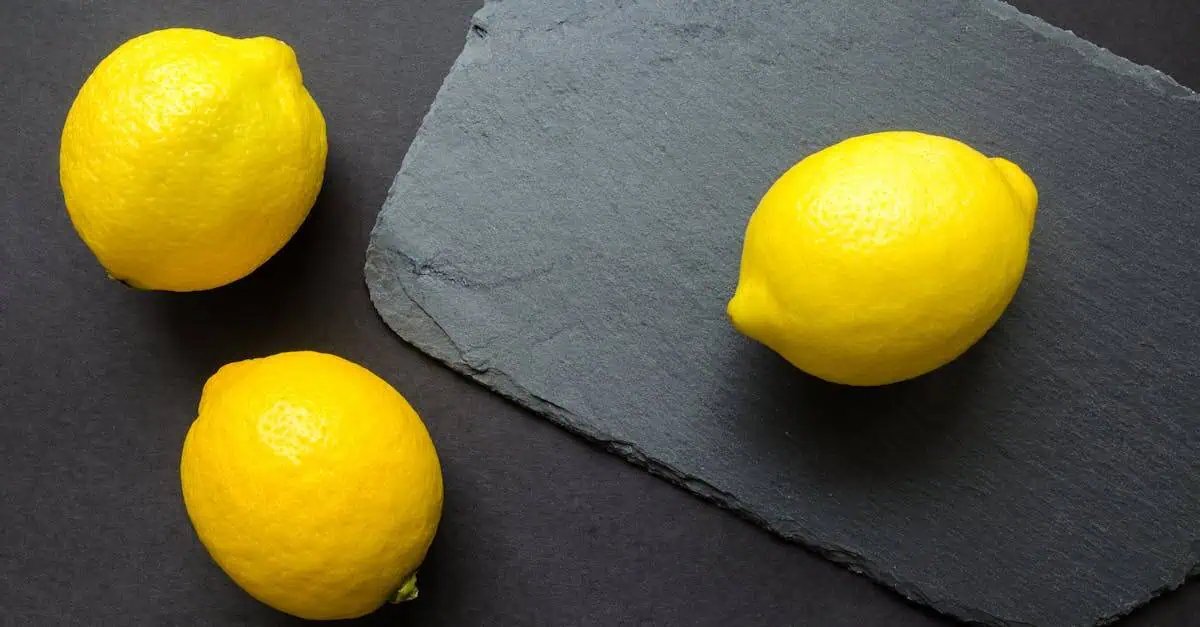
Vitamin C plays a critical biochemical role in stabilizing and linking collagen fibers during formation, making it essential for strong and resilient skin structure. Without sufficient vitamin C, newly formed collagen is weaker and less organized, reducing elasticity and repair quality. Citrus fruits, berries, peppers, and leafy greens provide abundant vitamin C that supports this enzymatic process naturally. In addition to aiding synthesis, vitamin C functions as an antioxidant that protects existing collagen from oxidative damage caused by environmental stressors.
4. Getting Quality Sleep to Enable Skin Repair Cycles

Collagen production and skin repair peak during deep sleep, when growth hormone release stimulates tissue regeneration and cellular turnover. Chronic sleep deprivation disrupts this restorative cycle, reducing collagen synthesis and accelerating visible signs of aging such as dullness and loss of firmness. During sleep, blood flow to the skin increases, delivering nutrients and oxygen needed for fiber formation and repair. Poor sleep also elevates cortisol, a stress hormone that contributes to collagen breakdown over time. Consistent sleep duration and quality therefore directly influence structural skin integrity. Supporting restorative sleep allows the body’s natural repair mechanisms to operate efficiently, maintaining collagen density and elasticity without external intervention.
5. Managing Stress to Reduce Collagen Degrading Hormones

Persistent psychological stress elevates cortisol levels, which interfere with collagen production and promote degradation of existing fibers. Elevated cortisol also impairs skin barrier function and reduces the body’s ability to repair environmental damage, compounding structural decline over time. Stress-related inflammation further accelerates collagen breakdown, contributing to thinning and reduced elasticity. Practices that regulate stress such as physical activity, relaxation techniques, or restorative hobbies lower cortisol and create a physiological environment more favorable to collagen maintenance.
6. Avoiding Smoking and Pollution Exposure

Tobacco smoke and environmental pollutants introduce free radicals that directly damage collagen fibers and impair the cells responsible for producing new collagen. Smoking also constricts blood vessels, reducing oxygen and nutrient delivery to skin tissue, which slows repair and accelerates structural decline. Pollutants similarly generate oxidative stress that weakens collagen integrity and contributes to premature aging. Minimizing exposure and supporting skin cleansing after environmental contact reduces this cumulative damage.
7. Engaging in Regular Exercise to Improve Skin Support

Physical activity improves circulation, delivering oxygen and nutrients necessary for collagen synthesis and tissue repair throughout the skin. Exercise also stimulates fibroblasts, the cells responsible for producing collagen and elastin, supporting structural renewal. Improved circulation aids removal of metabolic waste that can contribute to oxidative stress and collagen degradation. Additionally, exercise reduces systemic inflammation and stress hormones, creating conditions favorable for collagen maintenance. Consistent moderate activity therefore supports both preservation and production of skin structure.
8. Maintaining Hydration for Skin Structural Integrity

Adequate hydration supports the extracellular matrix surrounding collagen fibers, helping maintain skin plumpness, elasticity, and mechanical resilience. Dehydrated tissue becomes less flexible and more prone to fine lines, which can exaggerate the appearance of collagen loss. Water also supports cellular metabolism and nutrient transport essential for collagen synthesis. While hydration alone does not increase collagen, it preserves the environment in which collagen functions effectively.
9. Using Topical Retinoids to Stimulate Collagen Production

Retinoids derived from vitamin A are among the most studied topical agents for stimulating collagen production because they activate cellular turnover and fibroblast activity within the dermis. Regular use increases collagen density and improves fiber organization, reducing fine lines and enhancing firmness over time. Retinoids also accelerate removal of damaged collagen fragments, allowing new fibers to form more efficiently. Because stimulation occurs gradually, consistent application is required for sustained benefit.
10. Supporting Antioxidant Intake to Protect Existing Collagen

Oxidative stress from UV radiation, pollution, and metabolic processes damages collagen fibers and accelerates degradation. Dietary antioxidants found in fruits, vegetables, nuts, and seeds neutralize free radicals before they harm structural proteins. Compounds such as polyphenols, carotenoids, and flavonoids help preserve collagen integrity and reduce inflammatory processes that weaken fiber networks. Because collagen loss often results more from breakdown than insufficient production, protecting existing fibers is crucial.