The 1940s were a transformative decade for women’s fashion, largely due to the profound impact of World War II. As the war reshaped daily life, it also revolutionized how women dressed, introducing functionality, structure, and a sense of patriotic pride into their wardrobes. With fabric rationing, the rise of women in the workforce, and military aesthetics dominating the cultural landscape, fashion evolved to meet new demands. From uniform-inspired tailoring to utilitarian details, the influence of the military became deeply woven into everyday clothing.
Table of Contents
1. Introduction of Shoulder Pads and Structured Silhouettes
One of the most recognizable military influences on 1940s women’s fashion was the adoption of shoulder pads and sharp tailoring. Inspired by officers’ uniforms, these elements projected strength and confidence. Dresses, blazers, and even blouses featured defined shoulders to mimic the assertive silhouette of military attire. This trend wasn’t just about aesthetics, it reflected the new roles women were taking on in factories and offices during wartime. With men at the front, women needed to look capable and authoritative.
2. The Rise of Utility Fashion
With the introduction of clothing rationing and the British Utility Scheme influencing international style, fashion became functional and minimal. Utility fashion focused on practical garments made with fewer materials, featuring fewer buttons, no pleats, and simple lines. These restrictions mirrored military efficiency, promoting the idea of clothing as a resource. Dresses had to serve multiple purposes, and women learned to be stylish with less. Utility pieces still managed to carry elegance, showing how necessity pushed fashion toward innovation.
3. Increased Popularity of Trousers for Women
As women filled industrial jobs during World War II, trousers transitioned from taboo to practical wardrobe staples. Military uniforms and factory work required ease of movement and safety, skirts simply weren’t functional. Women began wearing slacks, overalls, and jumpsuits in public, breaking a major fashion barrier. The look was inspired directly by military uniforms and was reinforced by cultural figures like Rosie the Riveter. Though many returned to skirts post-war, the normalization of trousers for women started here.
4. The Functional Design of Pockets
Military uniforms featured numerous pockets for carrying essentials, and that practicality found its way into women’s garments during the 1940s. As women took on more active roles, whether at work or volunteering, they needed clothes that could carry items hands-free. Dresses, skirts, and jackets began to feature deep, visible pockets, mimicking utility gear. This design detail wasn’t just about convenience; it symbolized self-reliance and readiness. The pocket became a small but powerful representation of the era’s shift toward practicality in fashion.
5. Influence of Military Colors and Fabrics
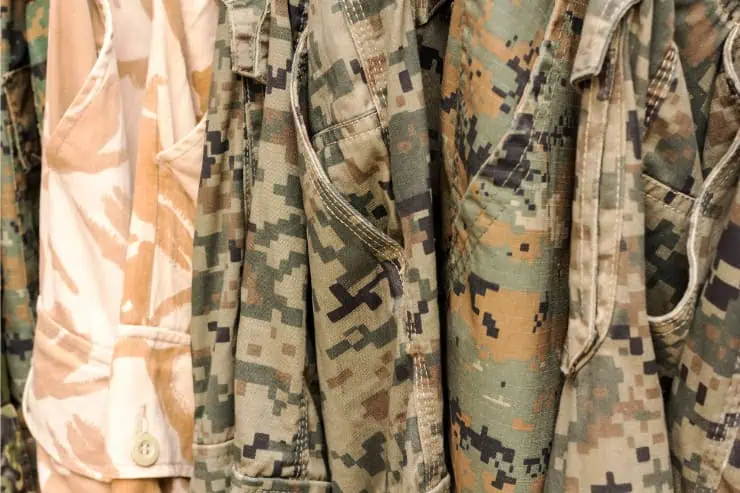
The war brought a new color palette into women’s wardrobes, heavily influenced by military uniforms. Khaki, olive green, navy blue, and brown became widespread, replacing the bright hues of the 1930s. These colors were not only patriotic but also practical and durable, qualities prioritized during wartime. Wool, gabardine, and heavy cotton were favored for their resilience. Even in dresses and coats, these military hues and textures reinforced a sense of national duty and seriousness.
6. Adoption of Military-Inspired Outerwear
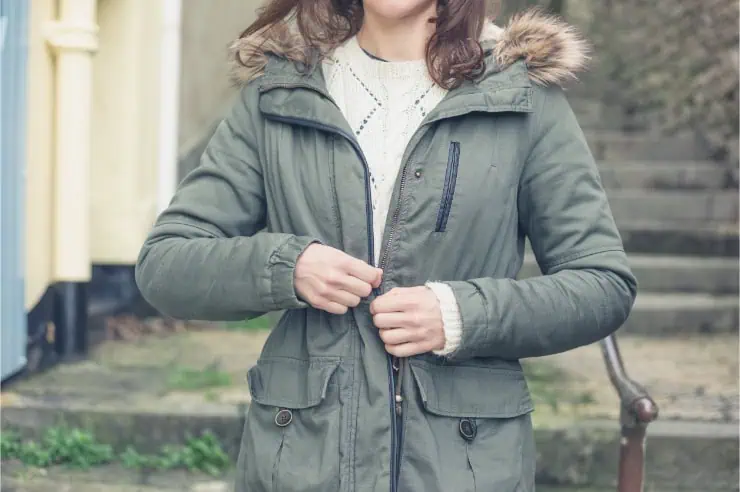
Outerwear became a canvas for military influence, with trench coats, pea coats, and bomber jackets entering the fashion mainstream. These pieces, originally designed for soldiers, were valued for their durability and protection. Women embraced them both for necessity and style. The belted trench coat, in particular, became a fashionable and flattering option that combined elegance with practicality. These garments echoed the structured look of uniforms while providing warmth and mobility. After the war, military outerwear remained popular, gradually evolving into timeless wardrobe staples.
7. Rise of the “Victory Suit”
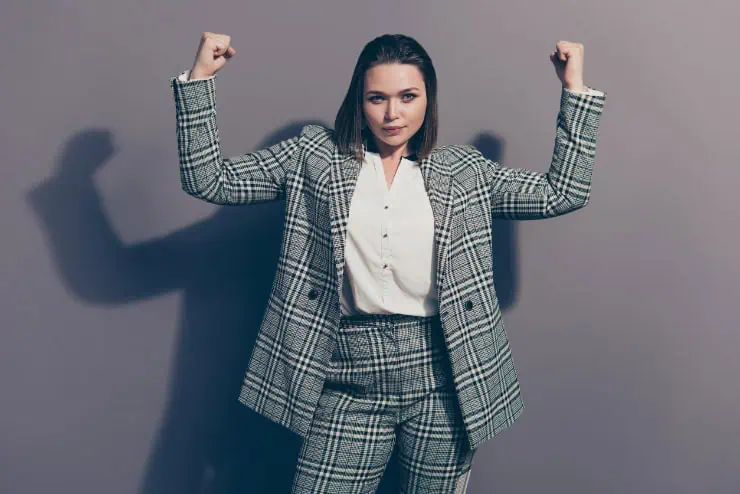
The “Victory Suit” emerged as a stylish yet compliant response to fabric rationing and wartime sensibility. Consisting of a matching jacket and skirt, it was often made with modest cuts, no frills, and strong tailoring, clearly borrowing from military uniforms. This look allowed women to maintain a polished appearance suitable for work or social events without appearing frivolous. The name itself tied fashion to patriotism, as wearing it signaled support for the war effort.
8. Utilitarian Footwear Becomes Standard
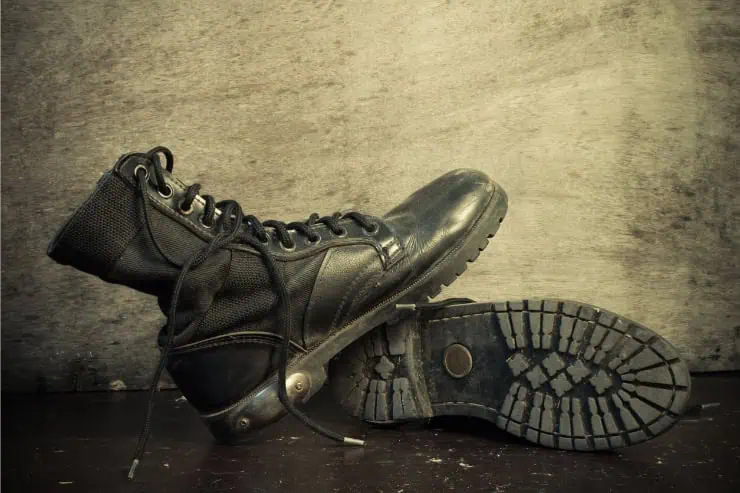
High heels and delicate shoes were replaced by sensible, durable footwear during the 1940s. Influenced by military-issue boots and practical work shoes, women’s footwear became lower-heeled, sturdier, and more supportive. Oxford shoes, loafers, and lace-up boots grew in popularity as women entered the workforce or performed volunteer duties. This shift was both about necessity and comfort, with style following function. Footwear became more uniform and less decorative, reflecting the era’s serious tone.
9. Headwear Inspired by Military Hats
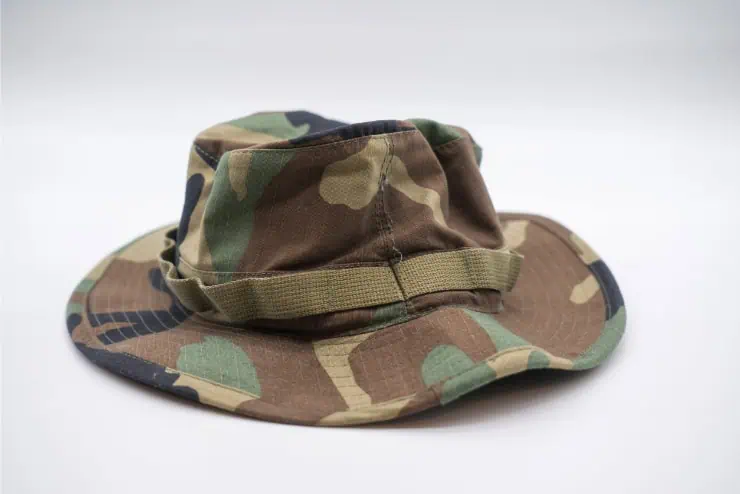
As men went to war and left behind their caps and helmets, women began incorporating military-inspired headwear into their own fashion. Small-brimmed hats, turbans, and berets with structured shapes mimicked military gear while serving both aesthetic and functional purposes. These hats were stylish but also practical, keeping hair neat while working or volunteering. They became symbols of patriotism and strength, often worn with utility suits or trench coats. Headwear during the 1940s helped complete the structured look and emphasized discipline and unity.
10. The Emergence of a Patriotic Aesthetic
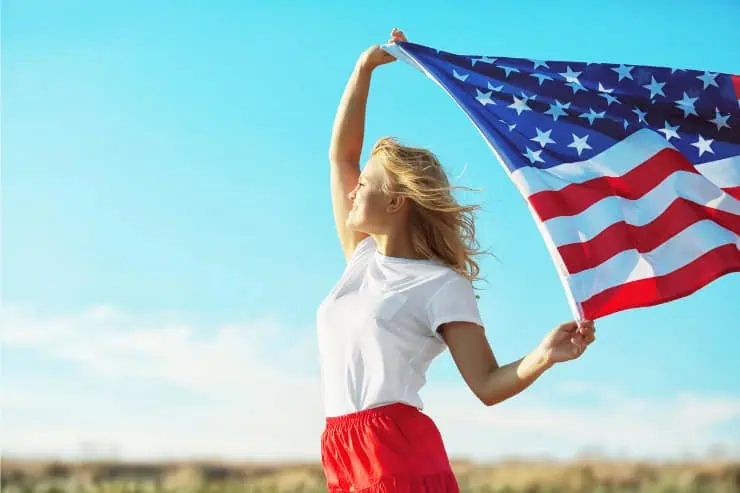
Wartime fashion in the 1940s wasn’t just about utility, it was also deeply patriotic. Women’s clothing often subtly mirrored military themes to show national solidarity. Red, white, and blue accessories, military-style buttons, and star motifs were integrated into otherwise modest outfits. Magazines and advertisements encouraged women to “make do and mend,” celebrating restraint as an act of support. This fusion of style and nationalism shaped how women dressed and how they were represented in the media.