Wardrobe shortcuts are meant to make dressing easier—but not all of them work in your favor. In fact, many popular tricks women rely on can actually undermine your style, age your look, or make outfits feel stale. From relying too much on “safe” pieces to skipping proper tailoring, these habits can quietly chip away at your fashion confidence. Let’s expose the shortcuts that are doing more harm than good—and what to do instead to keep your style fresh, flattering, and effortless.
1. Always Wearing Black to “Slim Down”
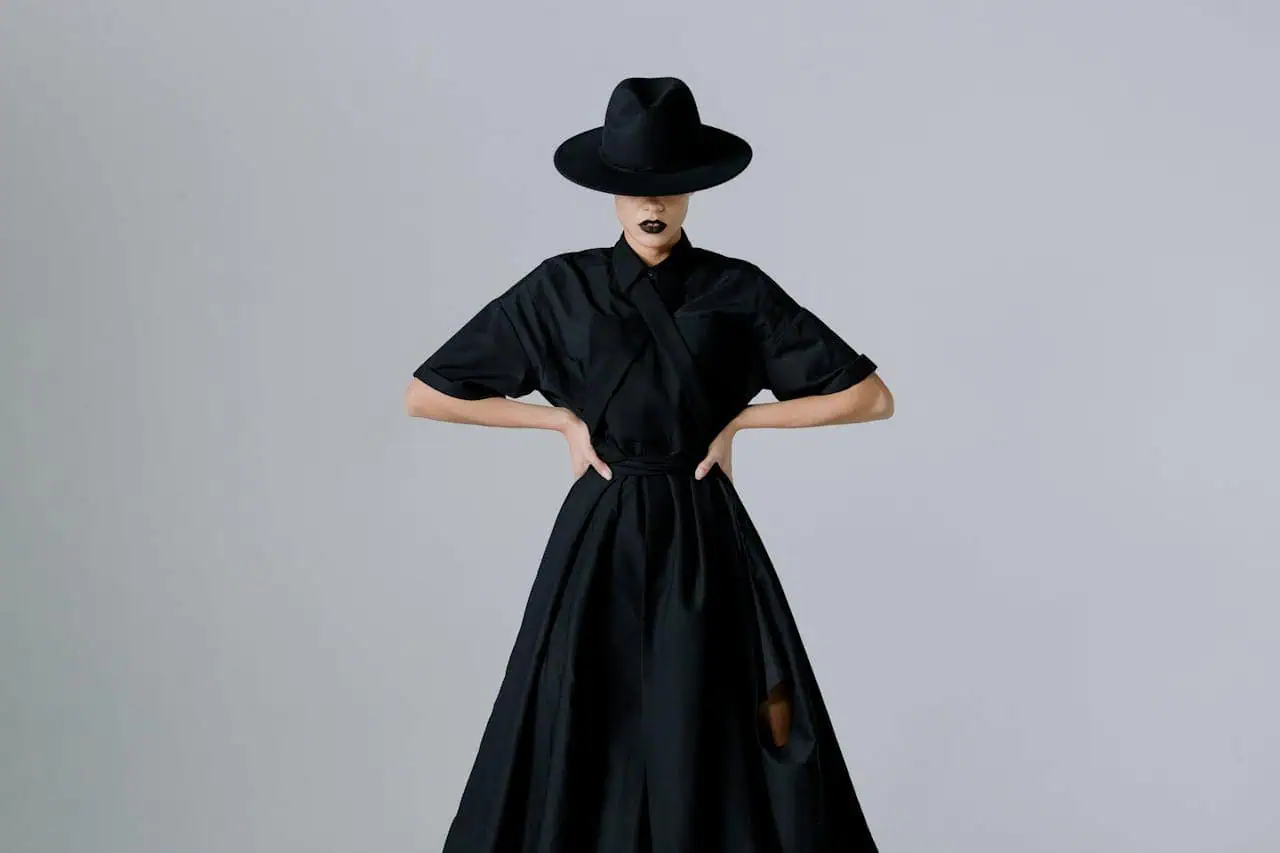
Black is classic, but wearing it all the time can drain color from your face and make your outfits feel heavy. While black can be slimming, relying on it exclusively often creates a dull, repetitive look. Try swapping it with navy, charcoal, or deep jewel tones—they still flatter but add more life and interest to your wardrobe. Bonus: color adds vibrance and can even make you look more energized. The real key is fit, not just color, when it comes to slimming effects.
2. Hiding Behind Oversized Clothing
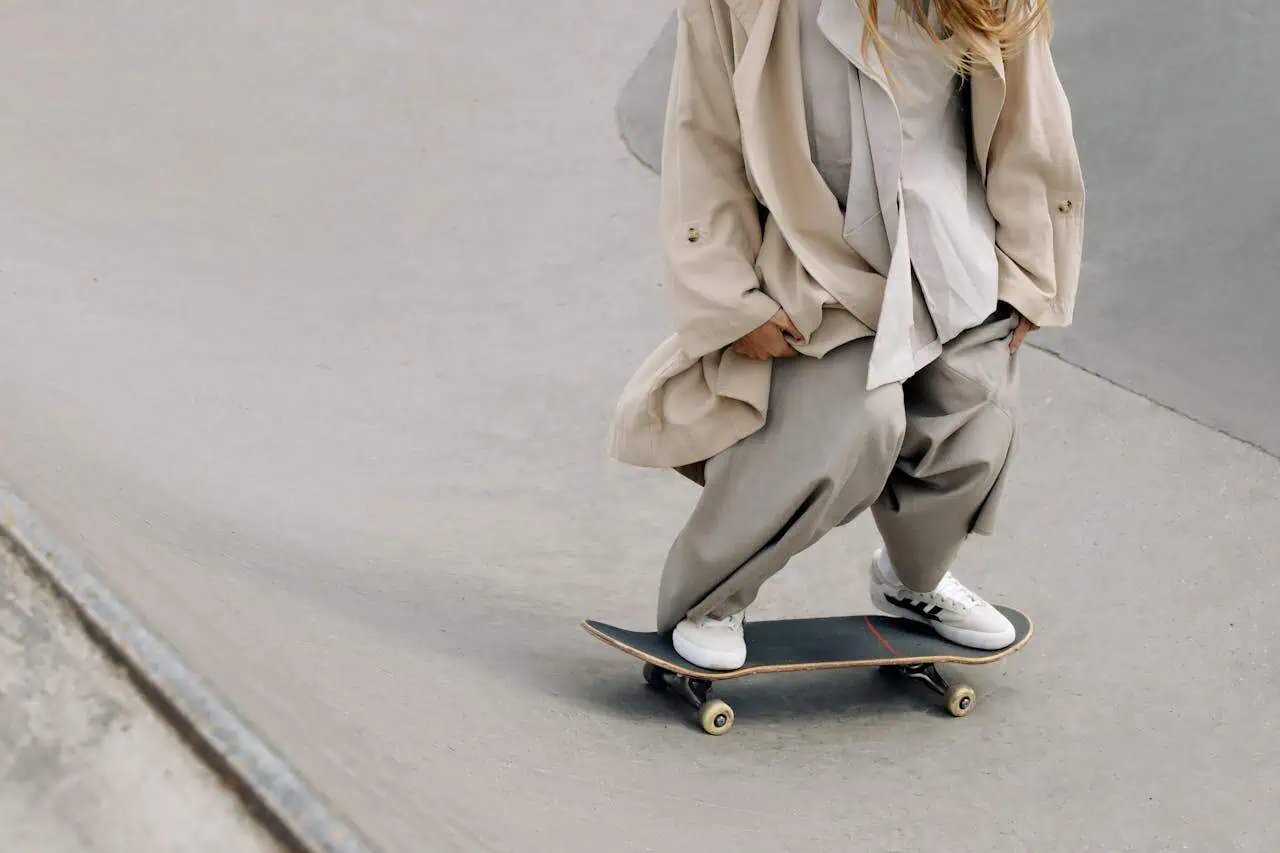
Loose clothing might seem like the safest choice, especially if you’re trying to disguise certain areas—but it can actually add bulk and make you appear shapeless. Instead of hiding behind oversized sweaters and boxy layers, choose softly tailored pieces that skim your figure. A structured blazer or a cinched blouse can define your shape while still feeling comfortable. The goal is to highlight—not hide—your best features with intention.
3. Buying Everything in Multiples
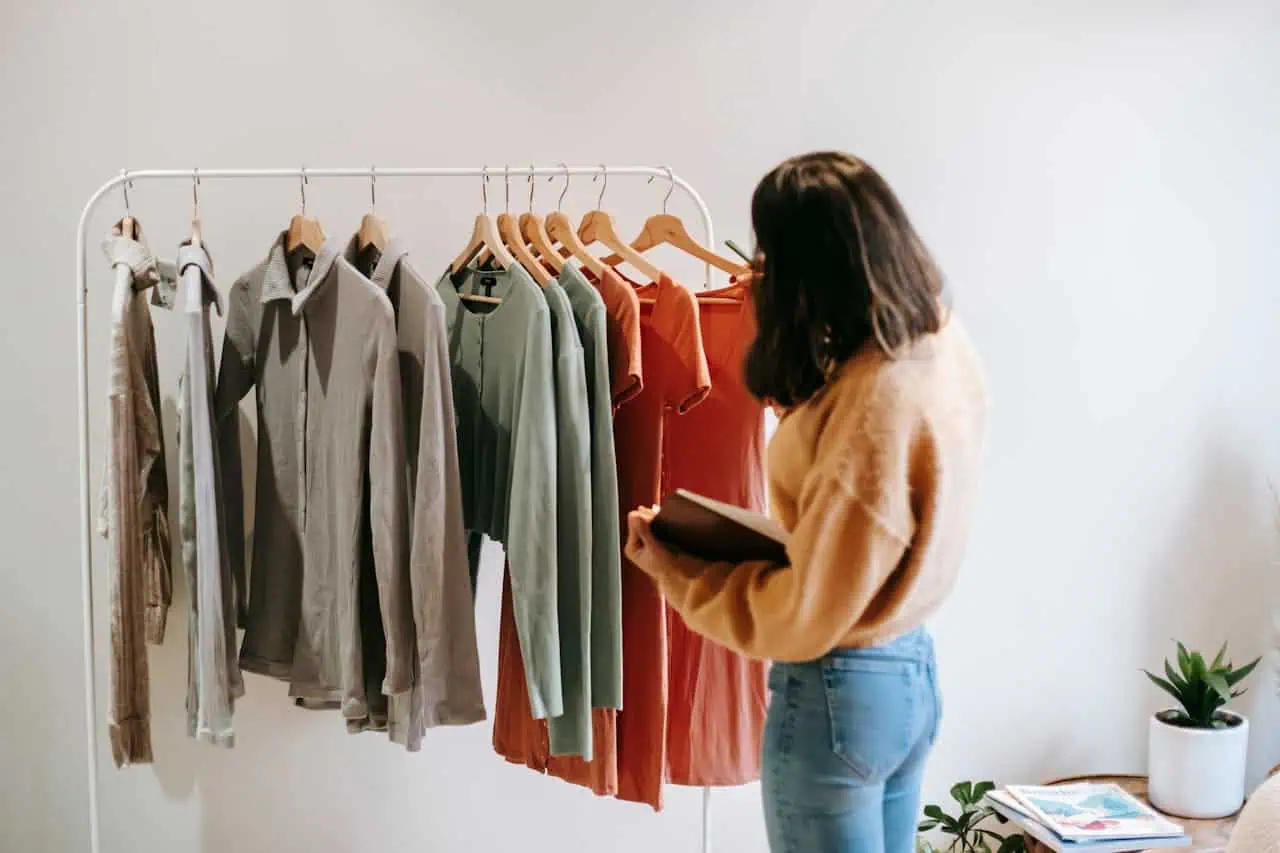
If you find a top you love, it’s tempting to buy it in every color. But this shortcut can leave your wardrobe feeling flat and uninspired. While there’s nothing wrong with having favorites, too much repetition limits your ability to express your style. Mix it up—explore different silhouettes, fabrics, or prints that still reflect your taste but bring variety. Think of your wardrobe as a well-curated collection, not a uniform.
4. Prioritizing Trends Over Fit
Chasing trends might feel like staying current, but if the fit isn’t right for your body, the trend can fall flat. A well-fitted garment, even if it’s classic, always looks more stylish than a trendy piece that pinches or hangs awkwardly. Instead of following every fashion wave, focus on understanding what silhouettes work for you and incorporate only trends that align with your personal style.
5. Skipping Tailoring for Convenience
Buying clothes off-the-rack is easy, but skipping tailoring is one shortcut that can hurt your look. Even small alterations—like hemming pants, taking in the waist, or adjusting sleeve length—can dramatically elevate your outfit. Tailoring makes your clothes look custom-made and helps you feel polished, no matter the price tag. A good fit often makes the difference between “meh” and “magnificent.”
6. Relying on the Same Shoes Daily
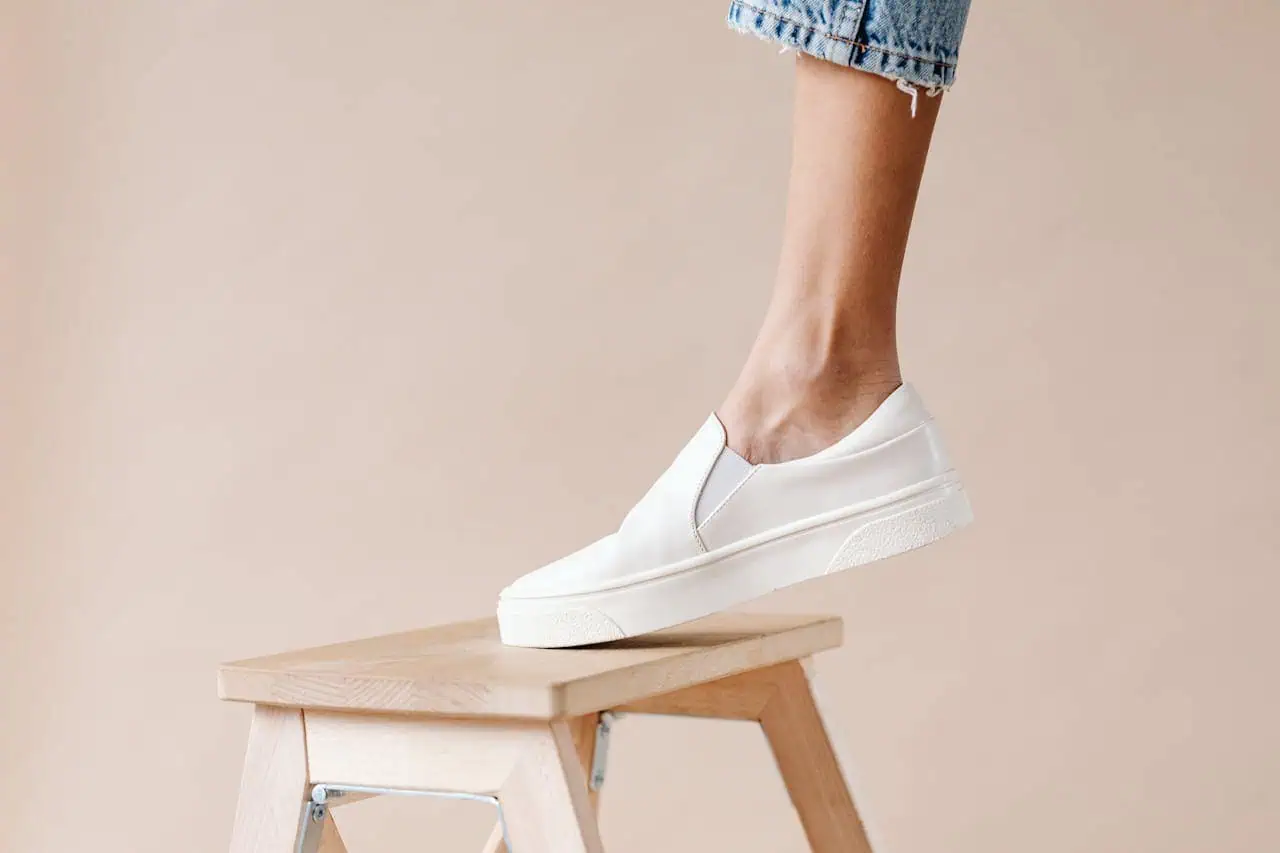
Rotating between just one or two pairs of “go-to” shoes might seem like a time-saver, but it limits your outfit potential. Shoes have the power to change the vibe of an entire look. Swap sneakers for sleek loafers, or your everyday sandals for a block-heeled mule. Having a few versatile, stylish pairs on hand helps elevate basics and keeps outfits feeling fresh.
7. Wearing Only Neutral Tones
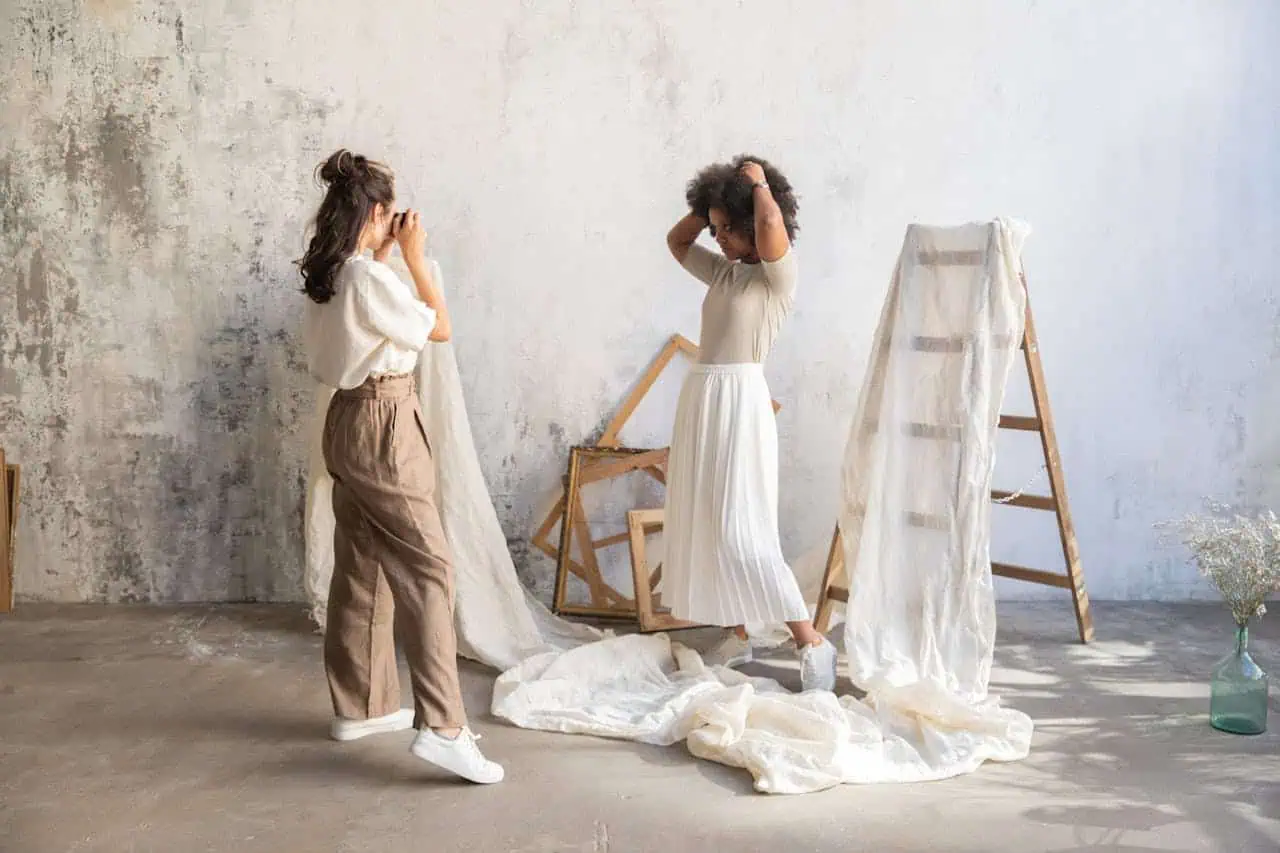
Neutrals are elegant and easy to pair—but when your wardrobe lacks color, it can start to look lifeless. Relying solely on beige, gray, or black might feel effortless, but it can wash you out, especially as skin tone and hair color change with age. Introduce soft colors like blush, periwinkle, or emerald into your wardrobe. They’re just as timeless and instantly more uplifting.
8. Ignoring Accessories Altogether
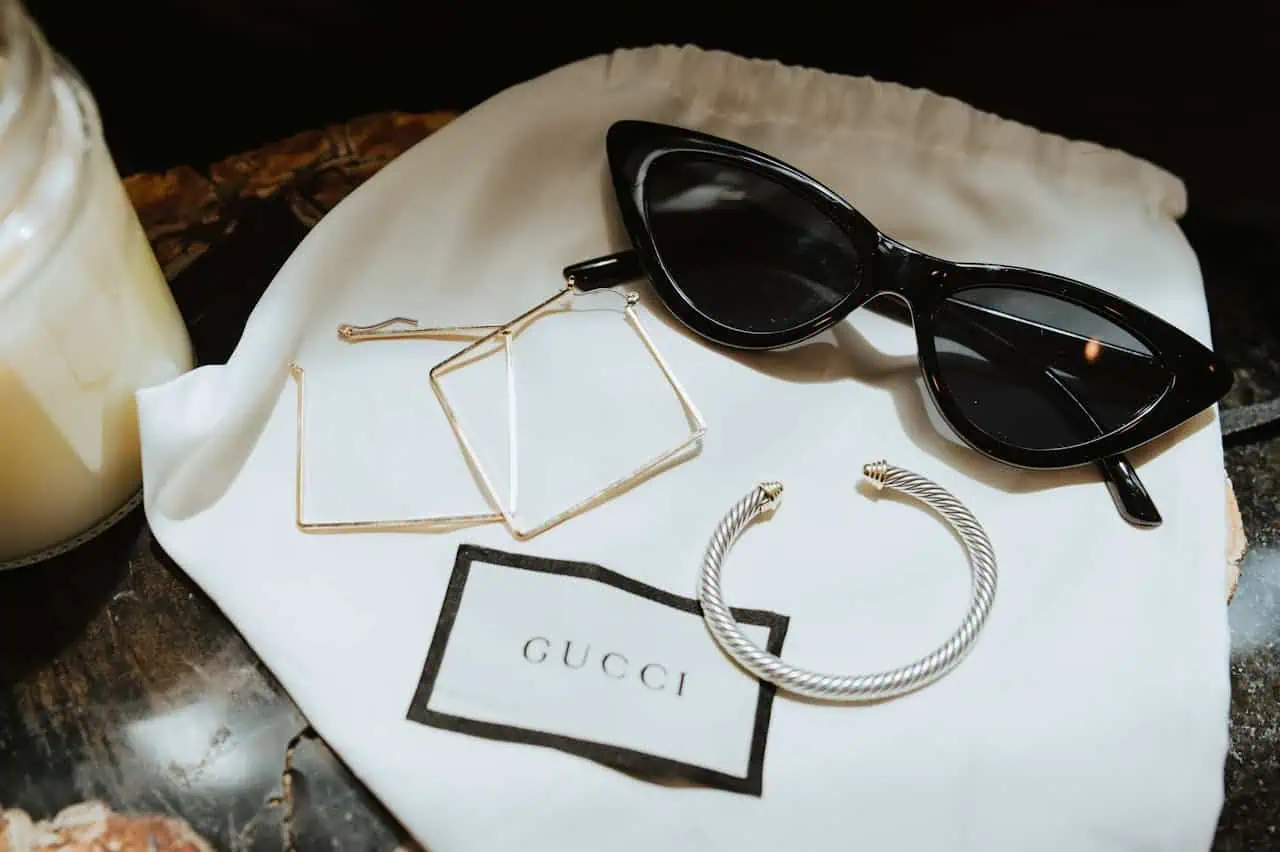
Skipping accessories to “keep it simple” can rob your outfit of personality. A well-placed belt, a statement necklace, or a vibrant scarf can tie an entire look together and make even a plain outfit feel styled. Don’t underestimate the power of accessories—they’re shortcuts to polish, not clutter. Just one or two well-chosen accents can elevate your everyday basics.
9. Using Layering as a Crutch
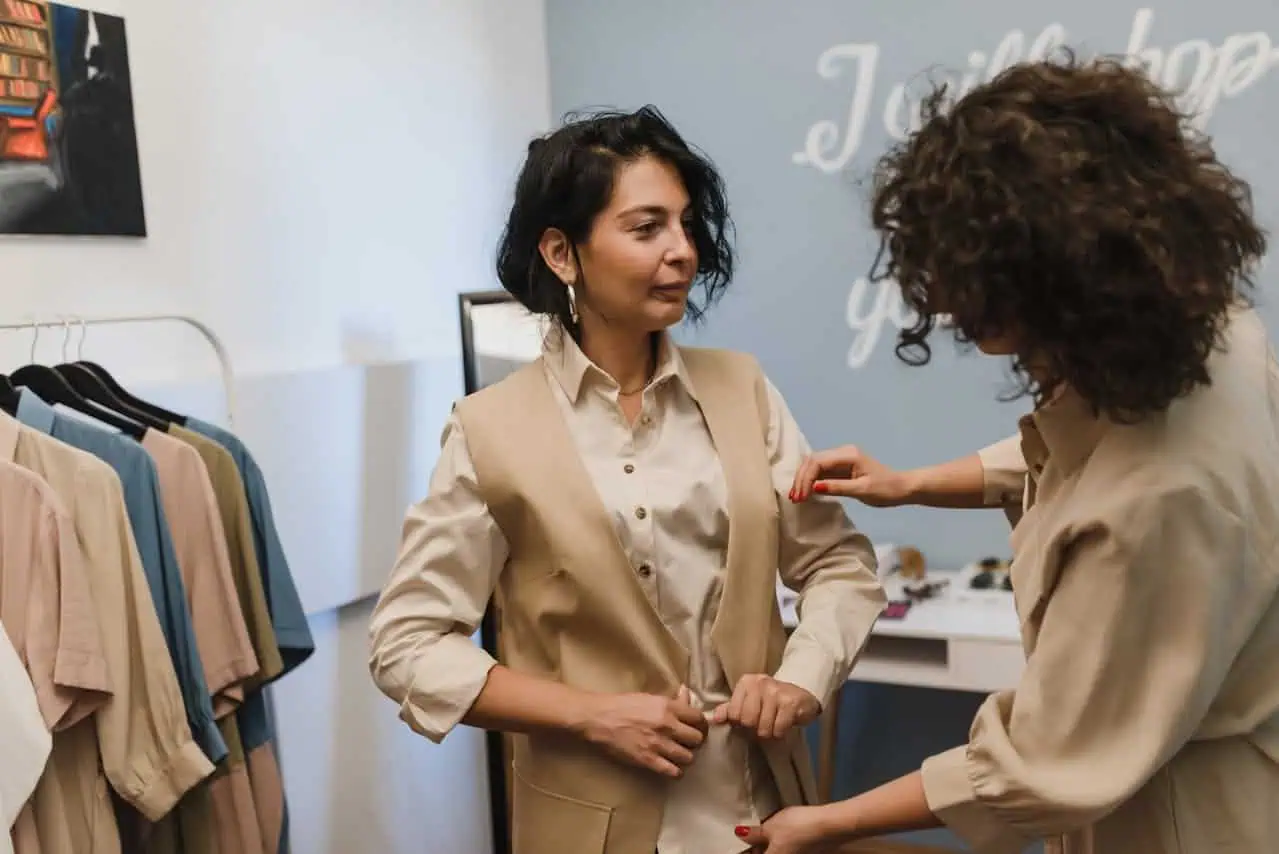
Layering is often used to hide insecurities—but piling on pieces can sometimes look bulky or disorganized. Instead, try intentional layering: one standout piece (like a long vest or open cardigan) over a clean base layer. Stick to streamlined silhouettes and cohesive color palettes. When done right, layering can add depth and interest—without the clutter.
10. Never Updating Basics

We often hold onto basics like white tees or black pants for years, but even basics lose shape, fade, or stretch out over time. Clinging to worn-out essentials dulls your whole look. Make it a habit to refresh foundational pieces every season or two. A crisp white shirt or clean dark jeans can instantly sharpen your outfit and give the rest of your wardrobe a much-needed boost.