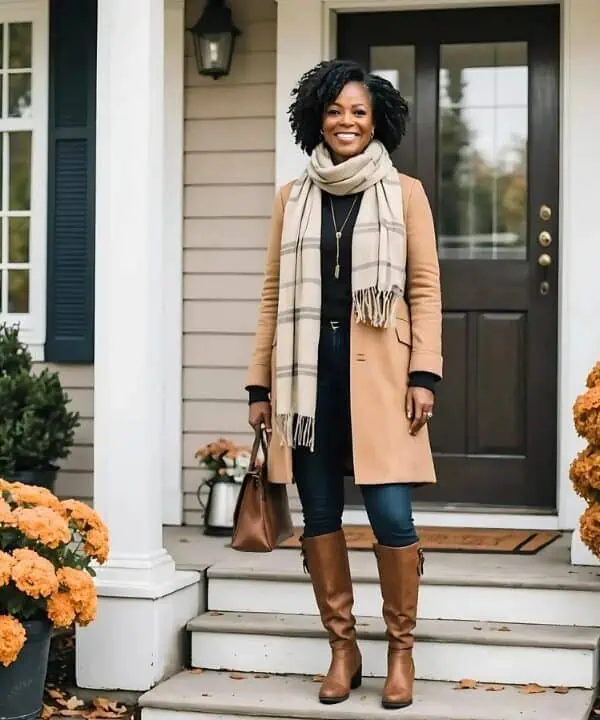
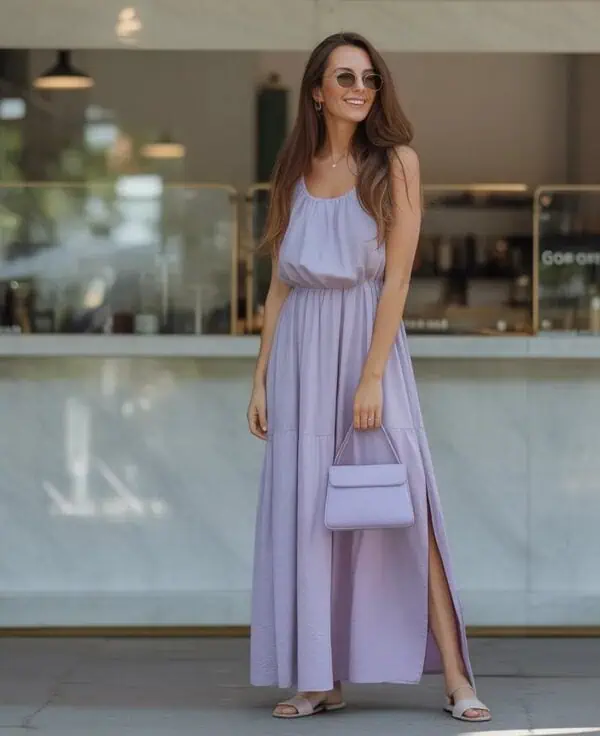
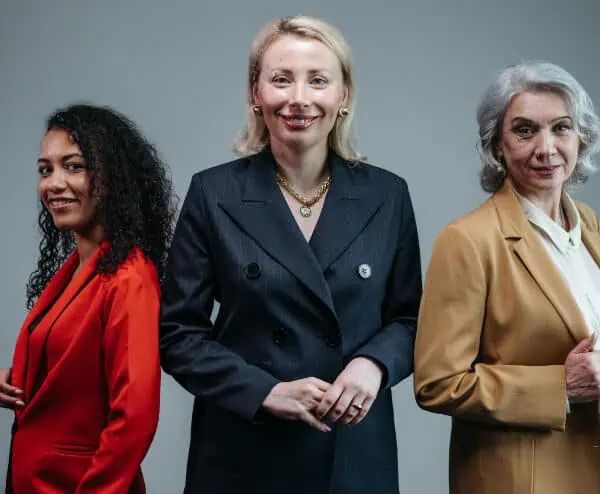
Fashion trends always circle back, but that doesn’t mean dressing exactly as you did decades ago looks intentional today. The problem isn’t age or personal taste it’s relying on outdated habits that no longer align with modern proportions, fabrics, and styling norms. Many people unknowingly cling to rules and purchases that once felt polished but now subtly date their appearance. Updating your look doesn’t require chasing trends or replacing your entire closet. It starts with recognizing habits that freeze your style in time. Below are ten wardrobe habits that quietly signal your look hasn’t moved on from the 1990s, along with why they no longer work the way they once did.
1) Always Choosing Boxy, Oversized Fits “To Hide the Body”

In the 90s, boxy silhouettes were everywhere, especially in workwear and casual clothing. Many people still rely on oversized, shapeless cuts under the belief that they are flattering or forgiving. In reality, consistently hiding your body under stiff, straight shapes can make outfits look dated and heavier than intended. Modern style favors intentional proportions, not tight clothing, but pieces that skim the body, create balance, and show structure. Oversized items work today only when they are styled deliberately and contrasted with fitted elements. Wearing boxy clothes head to toe without balance often signals outdated thinking rather than relaxed confidence.
Table of Contents
2) Sticking to the Same Hair and Outfit Formula Every Day
One of the clearest signs of a frozen-in-time look is repeating the same outfit formula daily with minimal variation. In the 90s, uniform dressing was common and often encouraged as “put together.” Today, it can read as stagnant rather than classic. Wearing the same jeans style, same top shape, and same shoe type year after year suggests you’ve stopped engaging with your wardrobe creatively. Modern style embraces versatility and subtle evolution, even within a minimalist approach. Small changes like updated silhouettes, new shoe shapes, or different layering techniques can make a familiar look feel current instead of repetitive.
3) Relying on Matching Sets for “Polish”

Perfectly matching tops and bottoms were once considered the height of sophistication. Coordinated suits, twinsets, and identical patterned outfits dominated 90s wardrobes. Today, overly matched ensembles can feel rigid and dated, especially when the fabrics or patterns reference that era. Contemporary style values contrast, texture mixing, and unexpected combinations. Wearing pieces that complement rather than mirror each other creates visual interest and modernity. When every outfit looks like it came straight off a department store mannequin from decades ago, it can unintentionally age your overall appearance.
4) Wearing Outdated Shoe Shapes Out of Habit
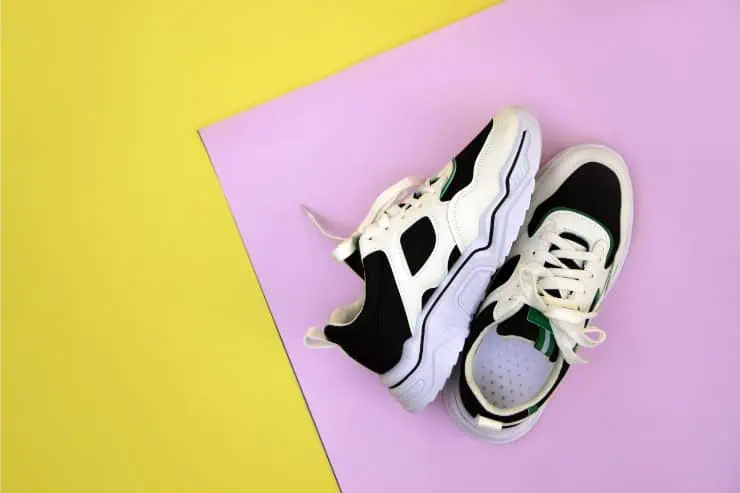
Shoes are one of the fastest ways to date an outfit, yet they’re often the last thing people update. Chunky rounded toe pumps, overly thick loafers, stiff square ballet flats, or clunky athletic shoes tied to 90s design language can quietly undermine an otherwise decent outfit. Even high-quality shoes can look outdated if the shape hasn’t evolved. Modern footwear focuses on cleaner lines, lighter proportions, and thoughtful details. Holding onto old shoe silhouettes simply because they are comfortable or familiar often sends the message that the rest of your style is equally stuck in the past.
5) Believing Neutral Means Boring and Safe

In the 90s, “neutral” often meant beige-on-beige or gray on gray, worn defensively to avoid standing out. Many people still dress this way, thinking it looks polished and age-appropriate. Today, neutrals are about depth, contrast, and layering rather than blending into the background. Modern neutral palettes include rich browns, soft whites, charcoal, olive, and navy, styled with intention. Wearing flat, outdated neutral combinations without variation can make outfits feel lifeless and dated rather than elegant. Updating how you use neutrals can instantly modernize your look.
6) Holding Onto Clothes Because They Were “Expensive Back Then”
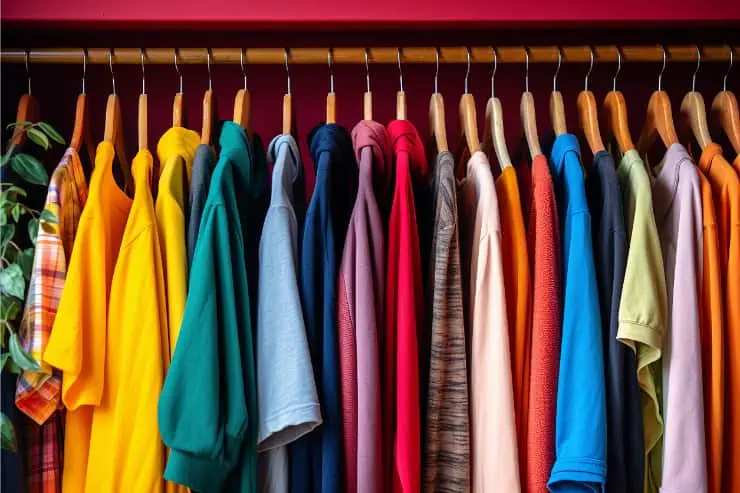
One of the strongest emotional ties to 90s wardrobes is the belief that an item must still be wearable because it was once expensive. Quality matters, but price does not guarantee timelessness. Fabrics, cuts, and detailing change, and even luxury items can age poorly. Wearing something simply because it cost a lot decades ago can anchor your look to that time period. Modern style is less about sunk cost and more about relevance and fit. Letting go of outdated investment pieces is often the fastest way to refresh your wardrobe.
7) Defaulting to Overly Formal Pieces for Everyday Life

In the 90s, being well-dressed often meant being visibly formal. Structured blazers, stiff trousers, and polished shoes were everyday staples. Today’s style landscape is more relaxed, with an emphasis on ease and versatility. Wearing overly formal pieces in casual settings can feel out of step with modern norms. This doesn’t mean dressing down, but rather choosing refined pieces that allow movement and softness. When your outfits consistently look like they belong in a different era of workplace expectations, it suggests your style habits haven’t adapted to contemporary life.
8) Ignoring Fit Changes Because “This Is My Size”

Many people continue buying the same size they wore in the 90s, assuming consistency equals correctness. In reality, sizing standards have changed dramatically, and bodies naturally change over time. Wearing clothes that technically fit but don’t flatter current proportions can make outfits feel dated. Modern tailoring emphasizes fit through balance, not clinging or hiding. Updating sizes, cuts, and tailoring choices can make even simple outfits look intentional and current. Refusing to reassess fit is a quiet but powerful signal of outdated wardrobe habits.
9) Using Accessories Only for Function, Not Style
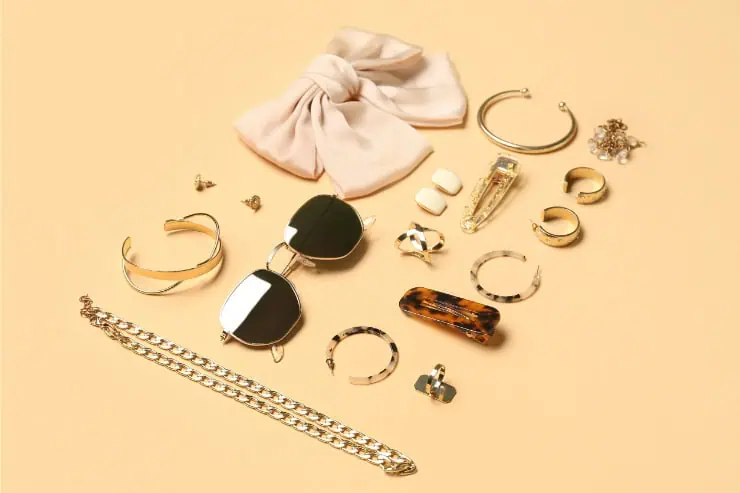
In the 90s, accessories were often purely practical or heavily trend driven. Many people still wear the same basic bags, belts, and jewelry without considering how they shape an outfit. Modern accessories play a key role in elevating and updating even the simplest clothing. Outdated bag shapes, overly bulky jewelry, or tired belts can instantly date a look. Today’s accessories emphasize proportion, texture, and subtle personality. Ignoring this evolution makes outfits feel incomplete and anchored in the past.
10) Dressing to Blend In Rather Than Express Confidence
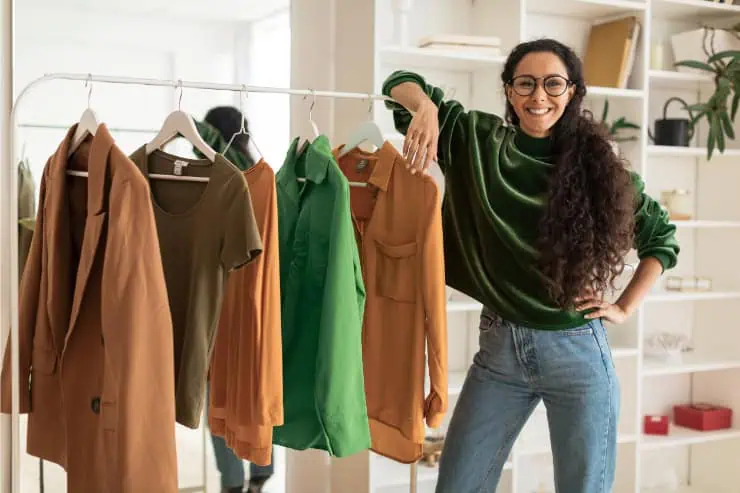
Perhaps the most telling habit of all is dressing purely to avoid attention. In the 90s, blending in was often seen as safe and respectable. Today, confidence comes from intentional choices, not invisibility. Modern style encourages self-awareness and quiet individuality rather than conformity. When outfits are chosen solely to avoid standing out, they often default to outdated formulas and silhouettes. Updating your look doesn’t mean becoming trendy or flashy. It means dressing with clarity, purpose, and a sense of self that reflects the present rather than the past.