The 1970s brought plenty of memorable fashion from bell-bottom jeans to disco glam. While some retro elements have made stylish comebacks, not every look from that decade translates well today. In fact, many wardrobe habits from the ’70s can feel costume-like or instantly dated if worn head-to-toe in 2025. Stylists emphasize that modern fashion is about balance borrowing inspiration without getting trapped in the past. That means leaving certain habits behind while embracing updated takes on timeless ideas. Here are 10 wardrobe habits from the ’70s that stylists say simply don’t belong in a modern closet and their chic alternatives.
Table of Contents
1. Overly Flared Bell-Bottoms
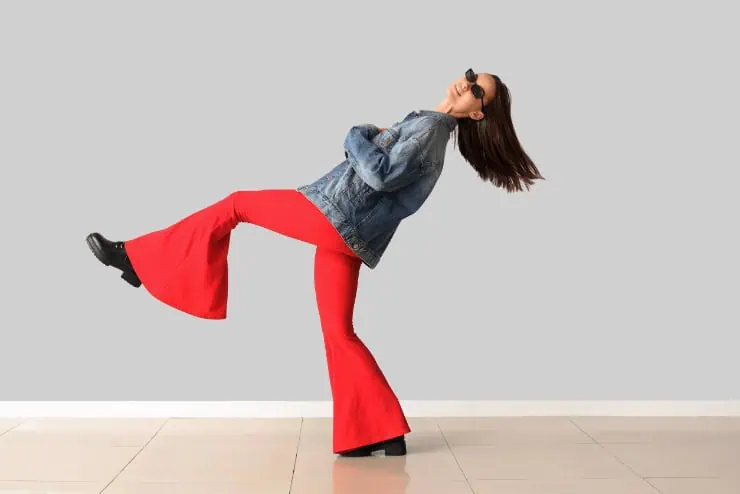
Bell-bottoms were a ’70s staple, but overly exaggerated flares swamp the figure and feel more like a costume than a chic outfit today. Stylists suggest modern wide-leg trousers or gentle bootcut jeans instead. These offer the leg-lengthening benefits of flares without overwhelming proportions. Pairing them with sleek ankle boots or pointed flats helps streamline the silhouette. For women who love retro flair, a subtle flare paired with a fitted blazer or a tucked-in blouse creates a balanced look. The key is moderation bringing the drama down a notch so it feels intentional rather than theatrical.
2. Loud Polyester Prints
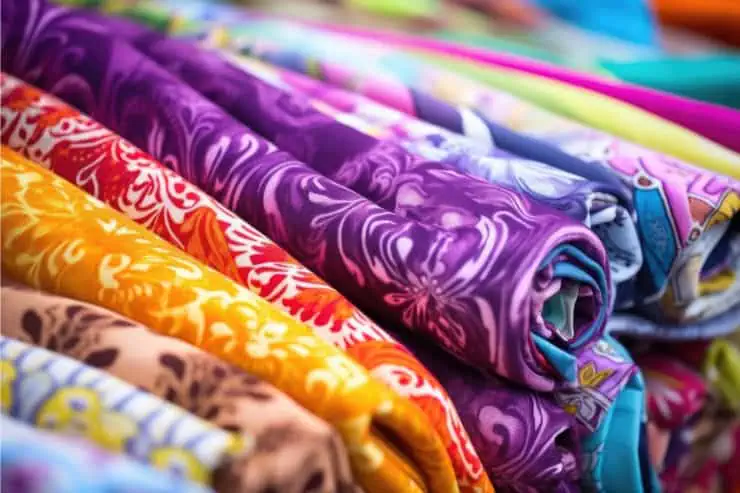
The ’70s loved psychedelic prints in polyester, but those busy, synthetic patterns rarely flatter in 2025. They often look cheap and emphasize wrinkles in the fabric and on the skin. A better alternative is refined patterns geometric shapes, modern florals, or subtle retro-inspired motifs executed in higher-quality fabrics like silk or cotton blends. Stylists recommend keeping bold prints balanced by pairing them with neutral separates. Prints can still make a statement, but they should complement rather than overwhelm. The difference is fabric choice and sophistication modern prints elevate an outfit instead of making it look dated.
3. Oversized Disco Collars
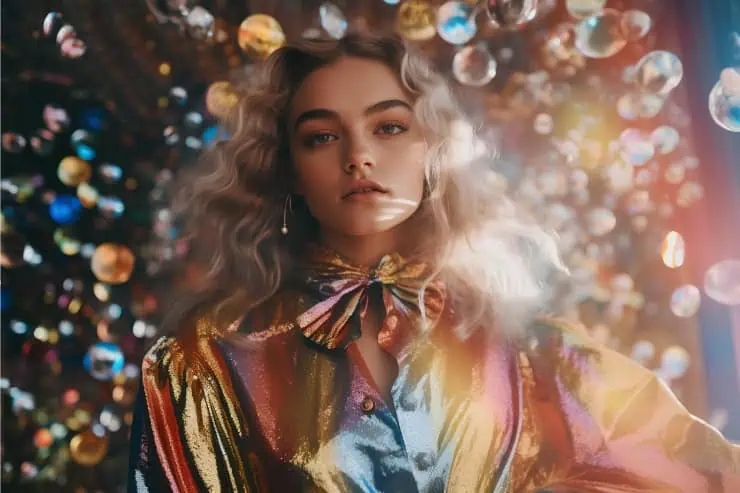
Disco-era collars were wide, dramatic, and attention-grabbing but on modern outfits, they often feel cartoonish. Stylists favor streamlined collars that frame the face without dominating the neckline. A sleek button-down shirt with a refined collar works under blazers, cardigans, or on its own for a polished finish. If you want retro charm, a slightly pointed collar or a subtle Peter Pan style can nod to the past without overdoing it. Fashion is about balance, and minimizing exaggerated details keeps an outfit timeless while still allowing personality to shine through.
4. Platform Shoes Too High

The ’70s were famous for towering platform shoes, but extreme heights can be both impractical and unflattering today. Beyond discomfort, they often create a clunky silhouette that doesn’t pair well with modern streamlined fashion. Stylists recommend lower block heels, wedges, or platform sneakers for a wearable nod to the trend. These options give a lift while maintaining stability and elegance. Shoes should empower, not hinder, and in 2025, comfort-driven design ensures you don’t sacrifice style. The trick is moderation subtle platforms can feel current, while sky-high versions belong in the past.
5. Head-to-Toe Fringe
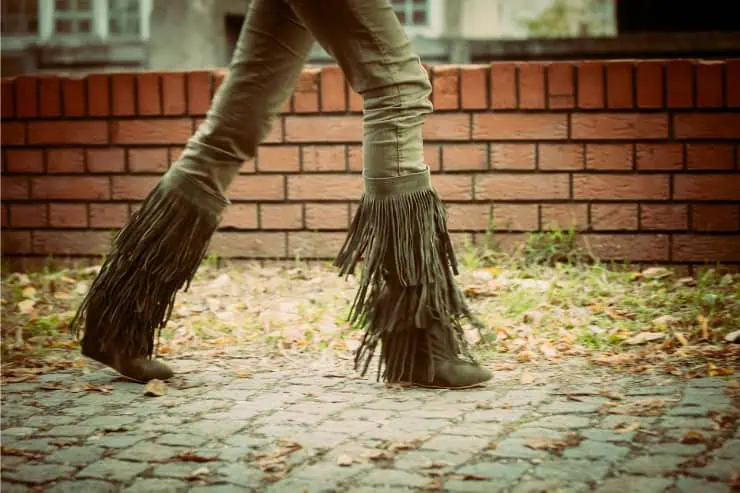
Fringe was everywhere in the ’70s, from jackets to skirts to bags. While a little fringe can still feel chic, head-to-toe looks cross into costume territory. Stylists suggest incorporating fringe sparingly perhaps on a suede bag, scarf, or the trim of a jacket. This way, it adds texture and movement without overwhelming the entire outfit. For a modern approach, choose structured garments with fringe accents rather than loose, shapeless styles. By keeping fringe minimal and refined, you nod to the bohemian vibe without looking like you’re stuck in a retro time capsule.
6. Matching Suits in Bold Colors

The ’70s loved brightly colored suits lime green, mustard yellow, even bubblegum pink. While monochrome outfits are trendy in 2025, neon-bright suits can feel overwhelming and dated. Instead, stylists recommend neutral tailoring in beige, navy, or charcoal, paired with bold accents through accessories or blouses. A pop of color in shoes, handbags, or silk scarves gives personality without overpowering the look. The modern way to channel ’70s boldness is through accent shades, not full head-to-toe brights. This keeps the look polished, wearable, and much more versatile for everyday life.
7. Tube Tops Without Layers

Tube tops were a youthful ’70s craze, but on their own they often feel unfinished and unflattering today. They lack structure and can accentuate areas women prefer to downplay. Stylists recommend layering a tube-style top under a tailored blazer, cardigan, or button-down instantly feels more sophisticated. Alternatively, choose square-neck or off-the-shoulder tops that give similar openness around the neckline while providing better fit and polish. The modern approach is about structured silhouettes that frame the body rather than bare-bones styles that leave outfits looking incomplete.
8. Jumpsuits with No Shape
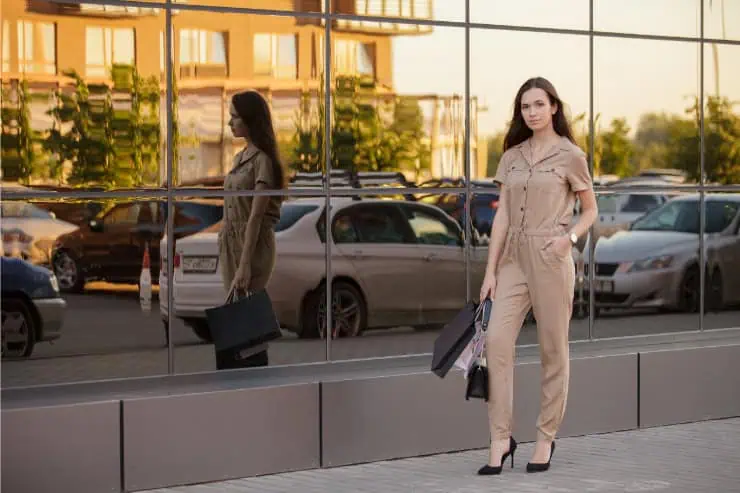
Loose, unstructured jumpsuits were iconic in the ’70s, but without tailoring, they can overwhelm the figure and read as sloppy. Modern jumpsuits are designed with waist definition, tapered legs, or wide-leg balance, offering structure that flatters instead of hides the body. Adding a belt can instantly refine the look, creating shape and sophistication. Stylists suggest choosing high-quality fabrics like crepe or linen blends to avoid the clingy, synthetic look of ’70s versions. The jumpsuit is still stylish it just works best when streamlined, tailored, and worn with intention.
9. Overdone Metallics
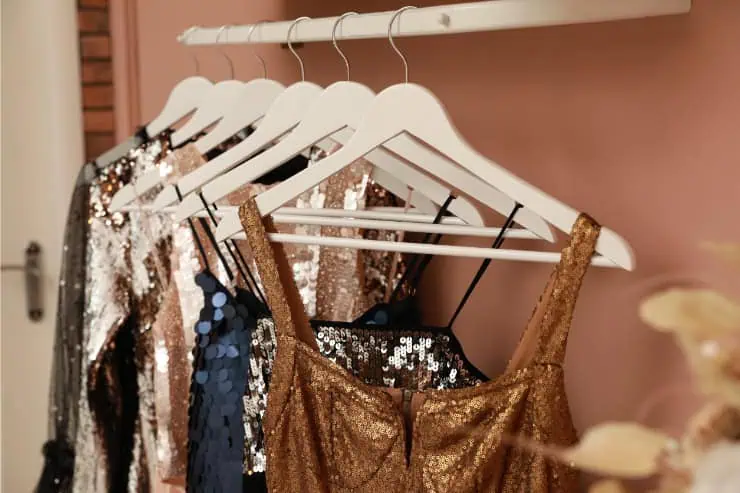
Disco fashion thrived on metallics head-to-toe gold, silver, or lamé outfits were common. But in 2025, metallic overload feels costume-like. Instead, stylists encourage subtle metallic accents perhaps a shimmering blouse, a gold belt, or metallic-trim shoes. These add glamour without overpowering. Pairing metallics with matte fabrics like wool, denim, or silk balances the shine. The key is moderation metallics should enhance rather than dominate. By scaling back, you can channel disco-era sparkle in a way that feels chic and modern, rather than outdated.
10. Overly Matchy Accessories
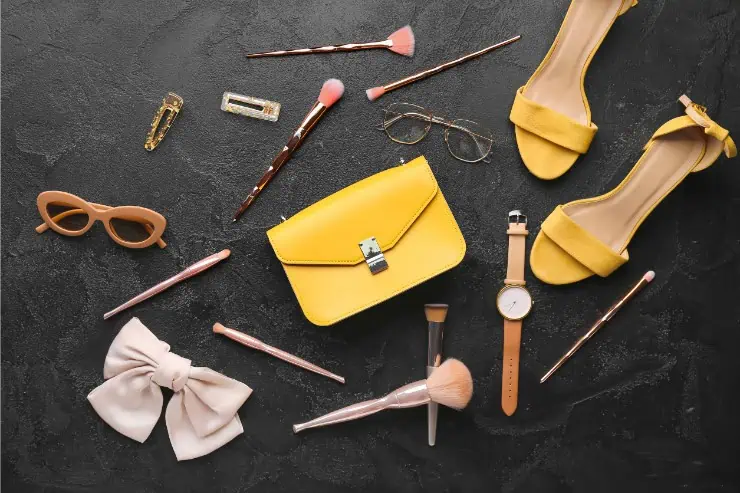
In the ’70s, women often matched shoes, bags, and belts in the same shade or material. Today, this overly coordinated look feels forced. Stylists suggest mixing complementary tones and textures instead like a camel bag with black boots or a burgundy belt with navy shoes. This approach feels effortless and sophisticated while still harmonious. Accessories are meant to accentuate, not dominate, an outfit. By avoiding the habit of matchy-matchy accessorizing, you allow personality and style to shine through in a modern, polished way.