We all want to look elegant and polished, but what once felt timeless may not always serve you the same way after 60. The key to staying stylish as you age isn’t about dressing younger—it’s about evolving your wardrobe in a way that reflects grace, ease, and sophistication. Some pieces and styling habits may appear “classy” at first glance but can unintentionally date your look or feel stiff. Stylists agree: these 10 common choices may need rethinking for a more flattering, updated style.
1. Matching Jewelry Sets
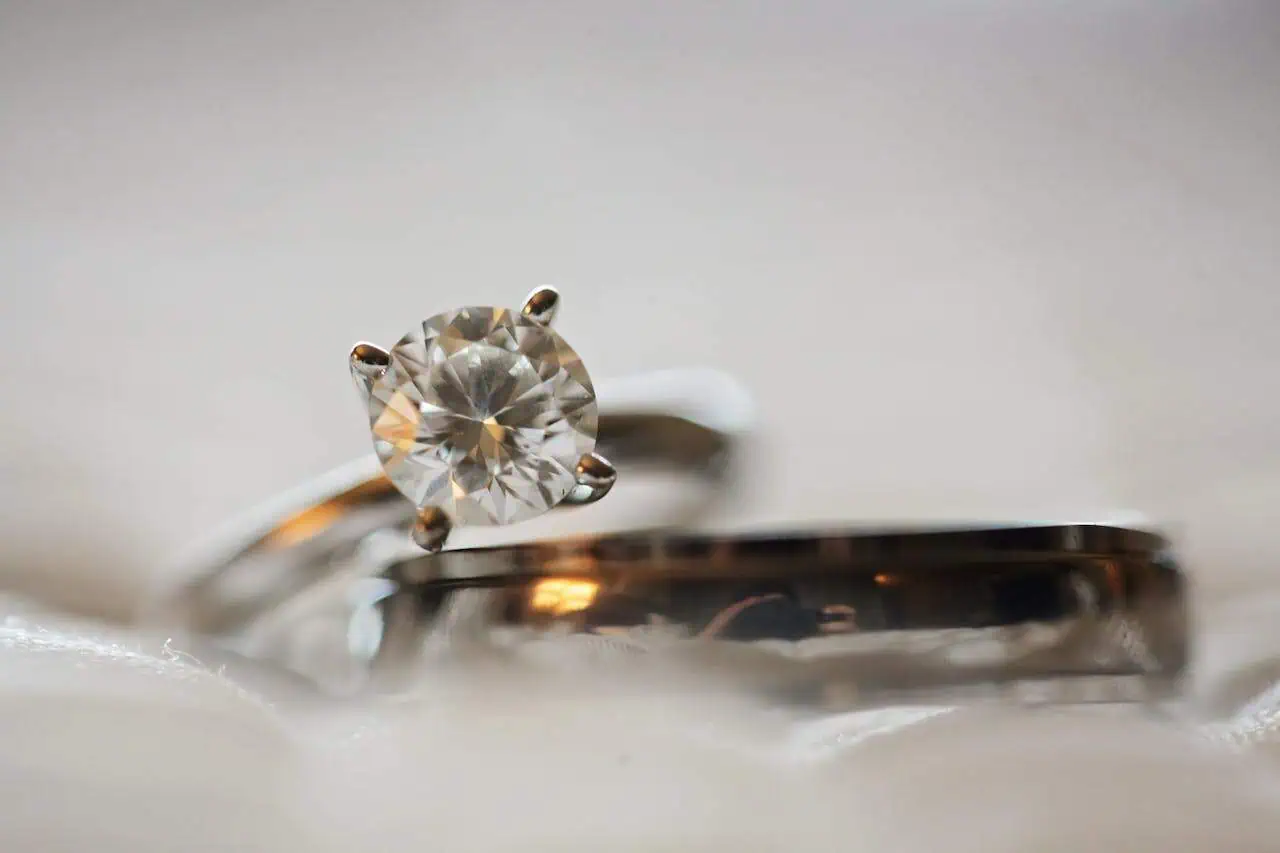
While once considered the height of elegance, overly coordinated necklace and earring sets can feel outdated today. The modern approach is all about mixing textures, finishes, and scales to create interest. Wearing the same stone or metal head-to-toe can flatten your look and limit your outfit’s personality. Try wearing a bold statement necklace with understated studs or layering delicate pieces in different metals. This feels more organic, intentional, and current. After 60, embracing individuality in your accessories gives you a more elevated and confident appearance without relying on “rules” that no longer apply.
2. Overly Structured Blazers
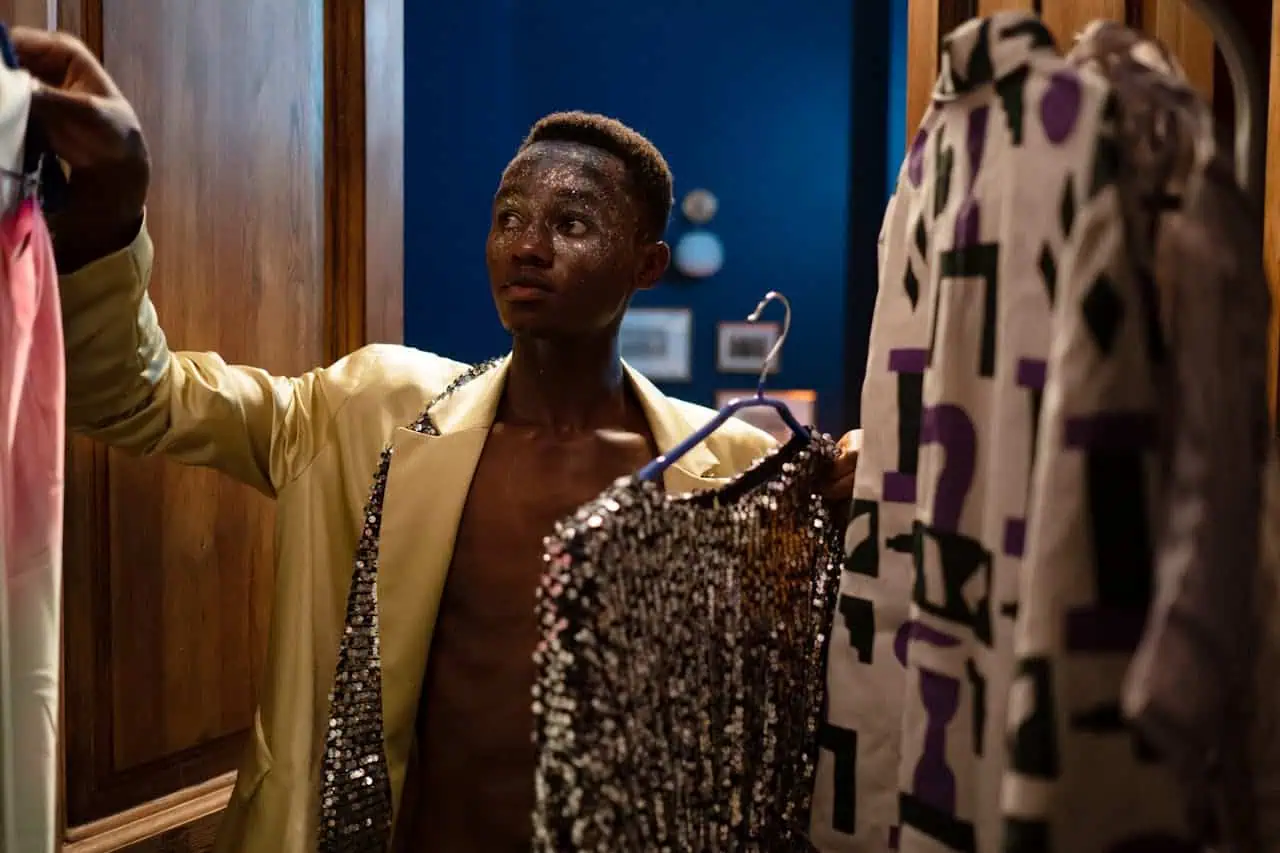
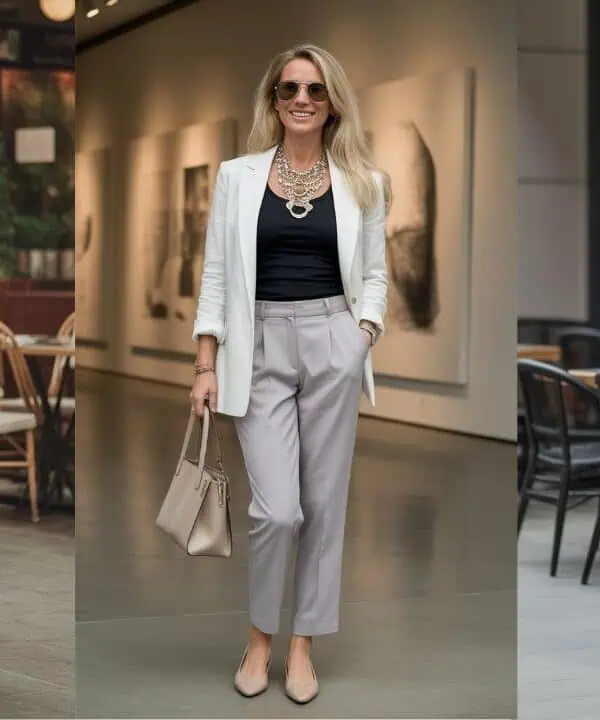
Blazers can absolutely elevate an outfit, but rigid shoulder pads, boxy tailoring, and thick fabrics can overwhelm your frame and add visual bulk. What felt powerful in your 40s may now feel constrictive or masculine. Instead, opt for softly tailored blazers in lightweight fabrics with subtle draping. Styles with minimal shoulder structure and open fronts offer the polish without the harshness. Look for breathable materials like linen blends or knit blazers that move with you. These still offer a classy silhouette, but in a way that feels modern, feminine, and age-appropriate.
3. Pearl Necklaces (Worn the Old Way)
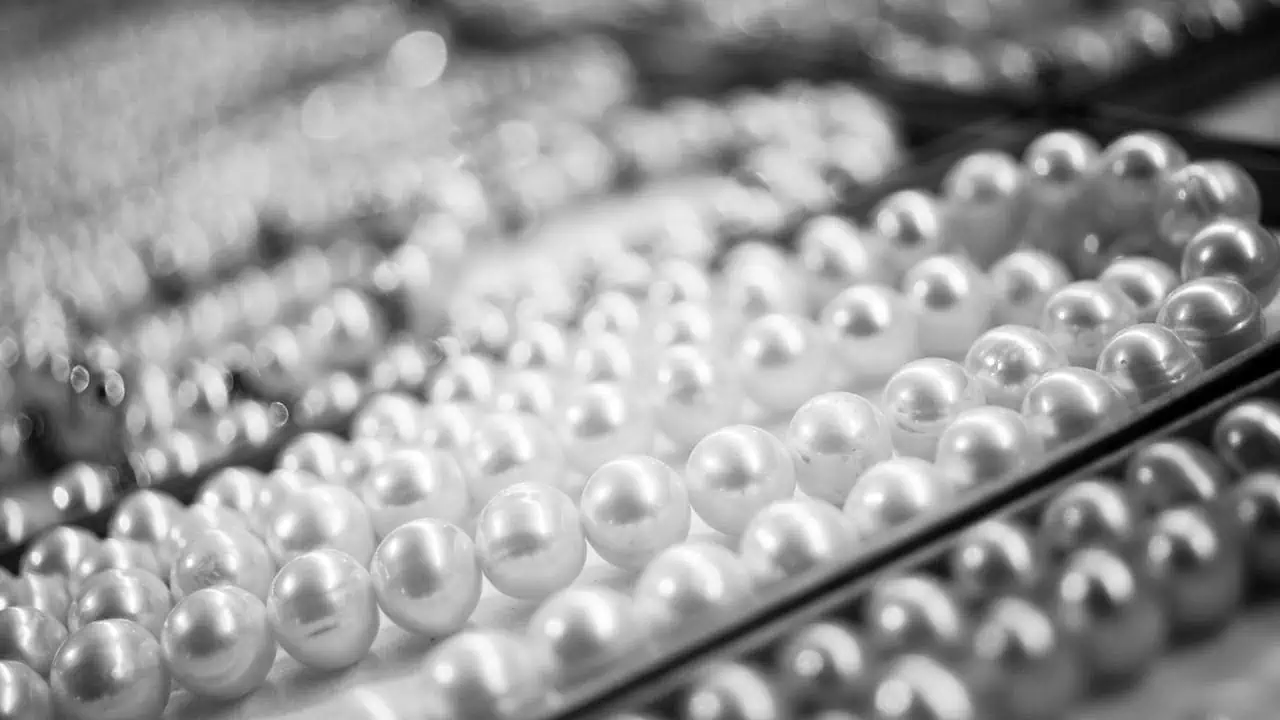
Pearls never go out of style, but how you wear them makes all the difference. A single strand with matching studs can look stuffy or overly traditional. Instead, consider baroque pearls or irregular shapes, layered strands, or mixing them with gold chains for a contemporary spin. You can also wear pearls in unexpected ways—on a choker, dangling earrings, or even on a chunky bracelet. It’s all about styling. Let pearls enhance your personality, not box you into a dated idea of elegance.
4. Boxy Midi Skirts
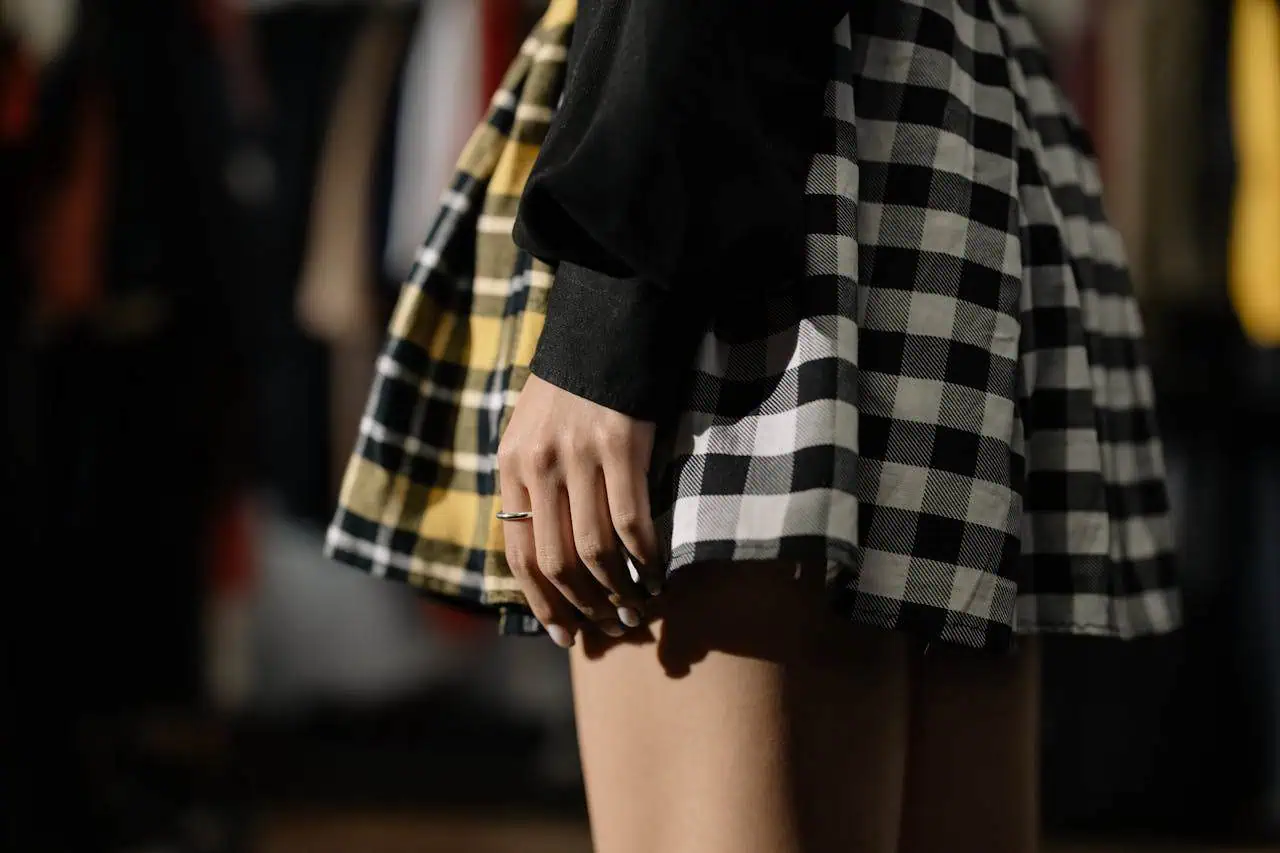
Though midi skirts are a wardrobe staple, overly stiff or shapeless versions can age you by hiding your figure and creating awkward proportions. Boxy skirts paired with heavy blouses or cardigans tend to feel matronly. Opt for flowy A-line midis or bias cuts that skim your curves instead. Pair them with fitted tops or tucked-in blouses to create balance. Midi skirts can be chic and graceful, but choosing the right silhouette is crucial for a flattering, timeless appearance.
5. Matching Bag and Shoes
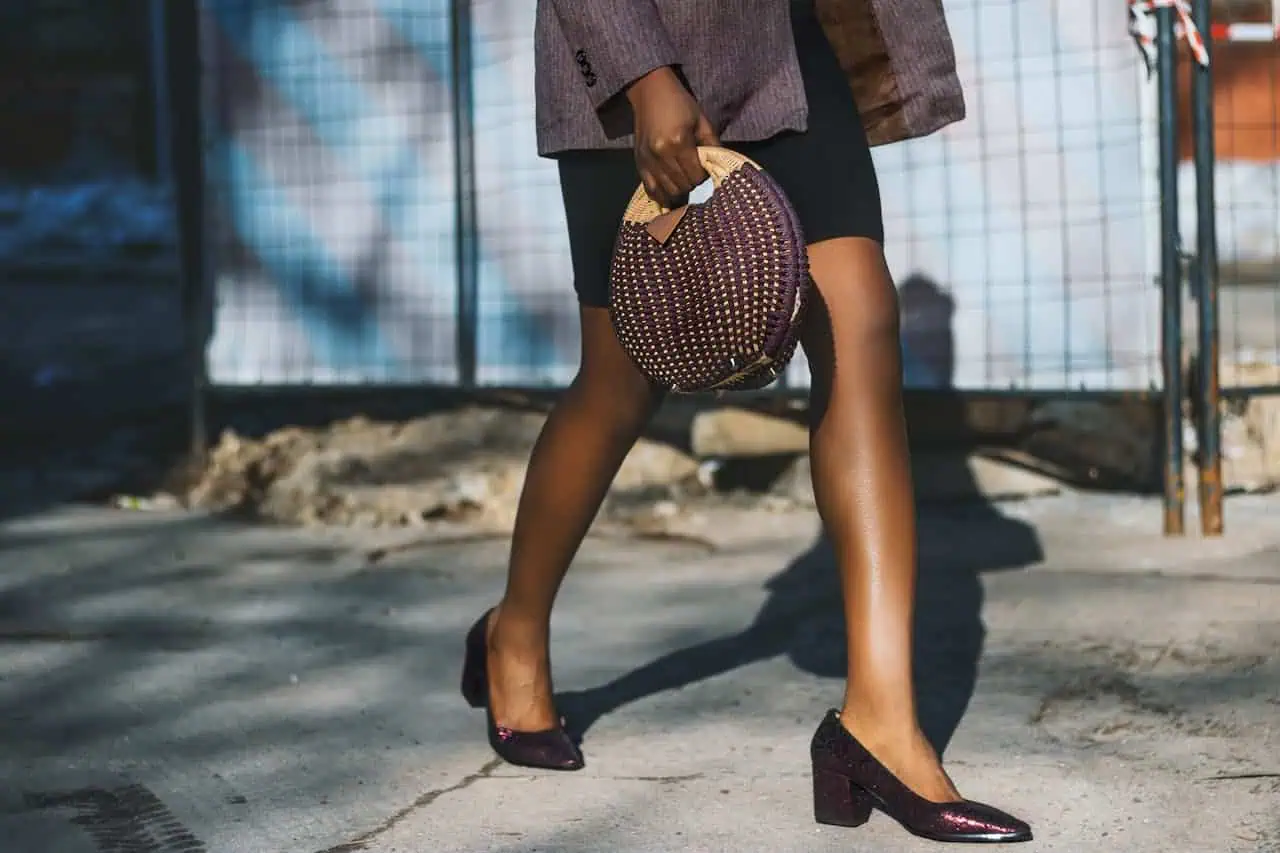
This classic style rule—pairing your shoes with your handbag—is no longer a fashion must. In fact, it can look too coordinated and predictable. Modern style favors contrast and balance. Try mixing neutrals or incorporating one bold element, like a statement bag or metallic shoes. Texture mixing—like pairing suede with leather or woven fabrics—adds dimension to your look. Breaking this old rule makes your outfit feel more natural and effortlessly elegant, rather than too “done.”
6. Over-Accessorizing
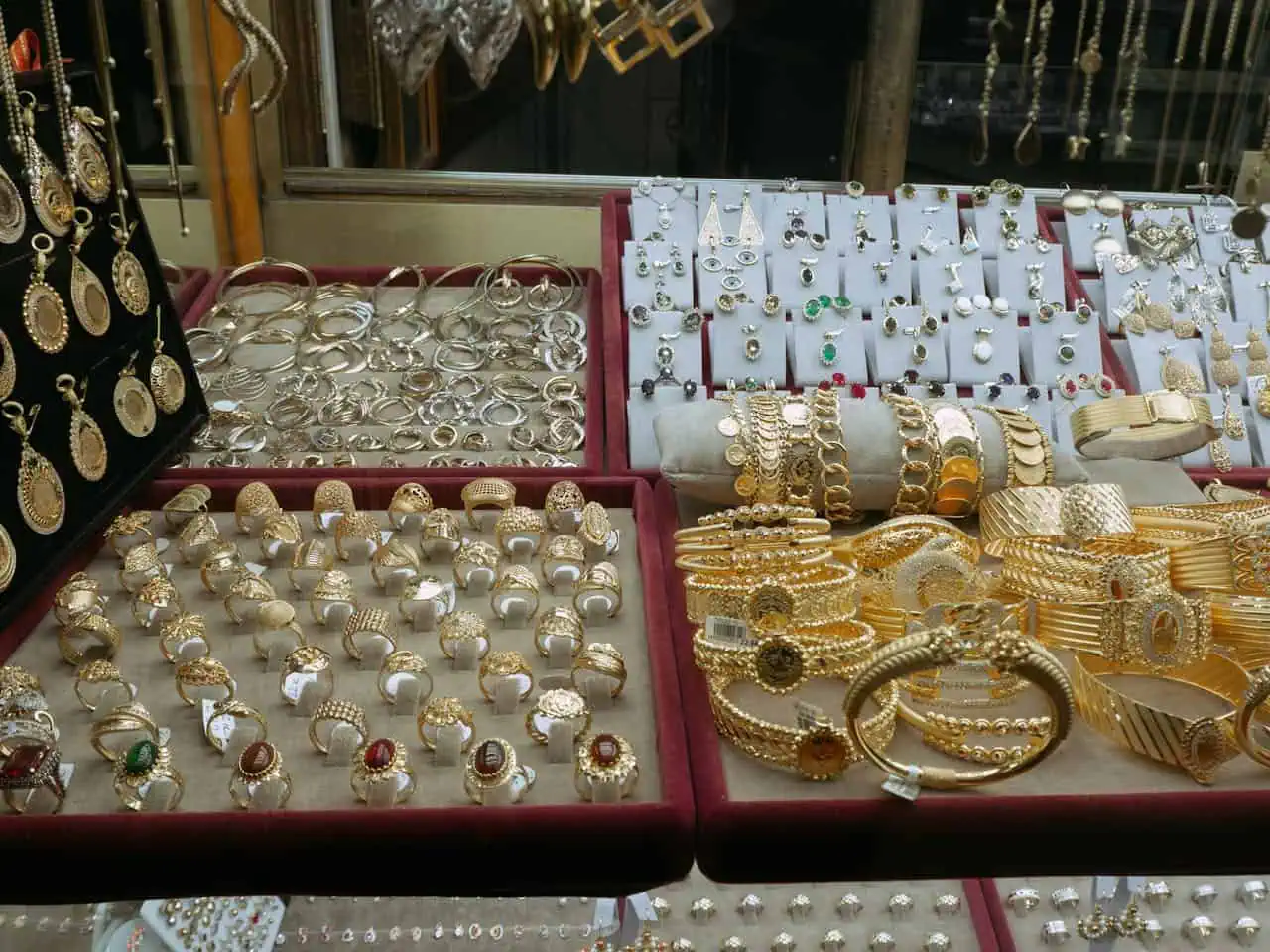
Piling on jewelry, scarves, belts, and brooches might feel luxurious, but it can quickly veer into overwhelming territory. Coco Chanel’s advice still holds: take one thing off before leaving the house. After 60, the goal is polish, not excess. Focus on one or two standout accessories—like a beautiful pendant or elegant cuff—and let them speak. A thoughtfully edited look comes across as sophisticated and intentional, while too many pieces can distract and detract from your personal style.
7. Tweed Suits
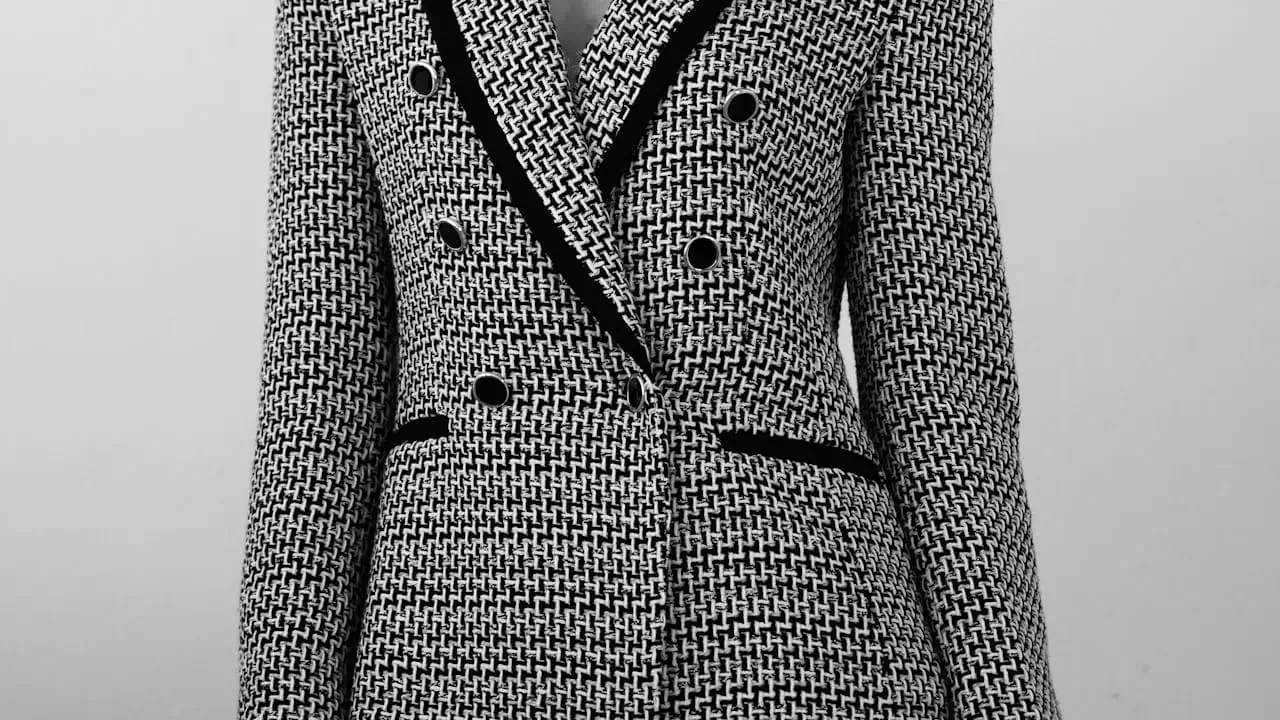
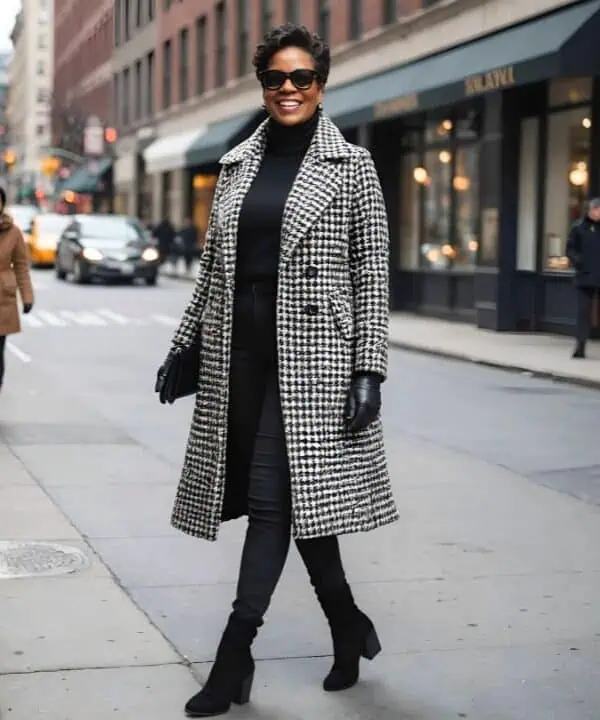
Tweed suits have long been considered a symbol of upper-class fashion, but they can age you if the fit and styling are off. Boxy jackets with long skirts can feel outdated and overly formal. Modernize this classic by opting for tweed in smaller doses—a cropped jacket over jeans or a tweed mini with opaque tights. Choose vibrant colors or updated silhouettes to keep the fabric feeling fresh. When styled right, tweed adds texture and richness; when styled wrong, it can add years.
8. All-Black Outfits
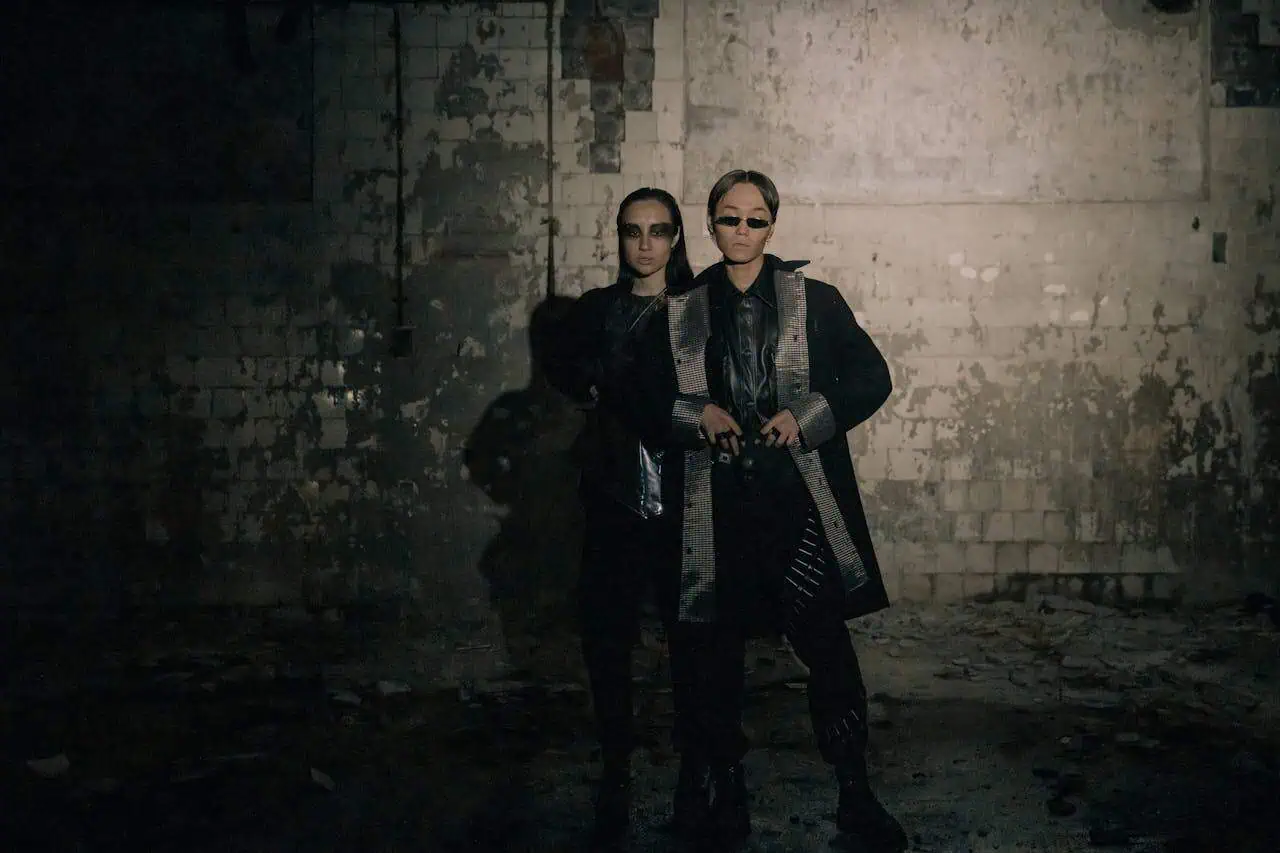
Black is slimming and sophisticated—but head-to-toe black can also be harsh on aging skin, draining color from your face and emphasizing lines. Instead of abandoning black entirely, break it up with softer shades like charcoal, navy, or ivory. Add accessories in warm tones—think camel, burgundy, or gold—to bring vibrancy to your look. Incorporating texture (like silk, leather, or knits) can also help black look less severe. The goal is elegance with warmth, not somber severity.
9. High-Neck Blouses with Ruffles
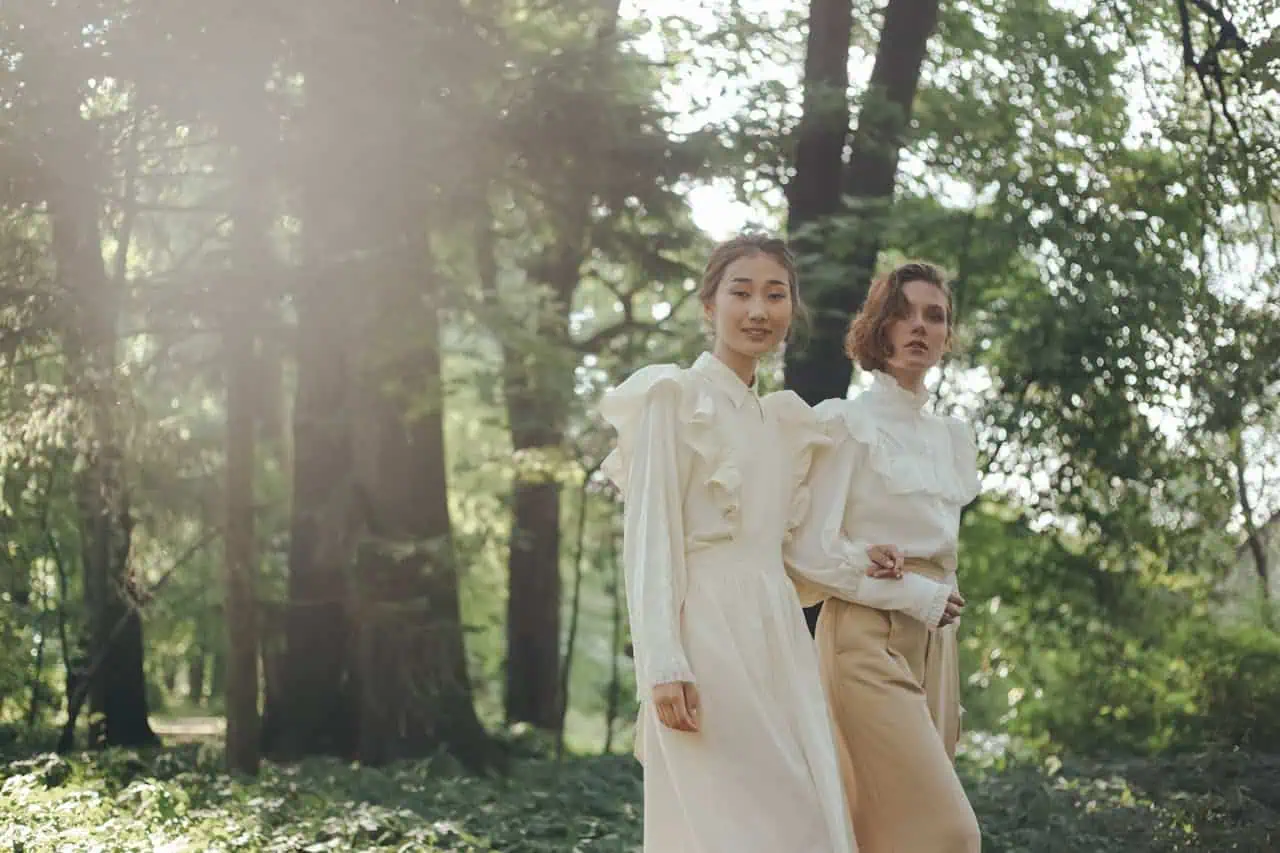
Frilly, high-neck blouses may seem dainty and elegant, but they often do more harm than good. Excessive fabric near the face can add volume where you don’t want it and draw attention to the neck and jawline—areas that many women prefer to downplay with age. Opt for V-necks, scoop necks, or subtle draping instead. These open up the neckline, elongate the frame, and create a softer, more youthful silhouette. Elegance doesn’t have to mean excessive detail—it can mean knowing when less is more.
10. Heavy, Overdone Hairdos
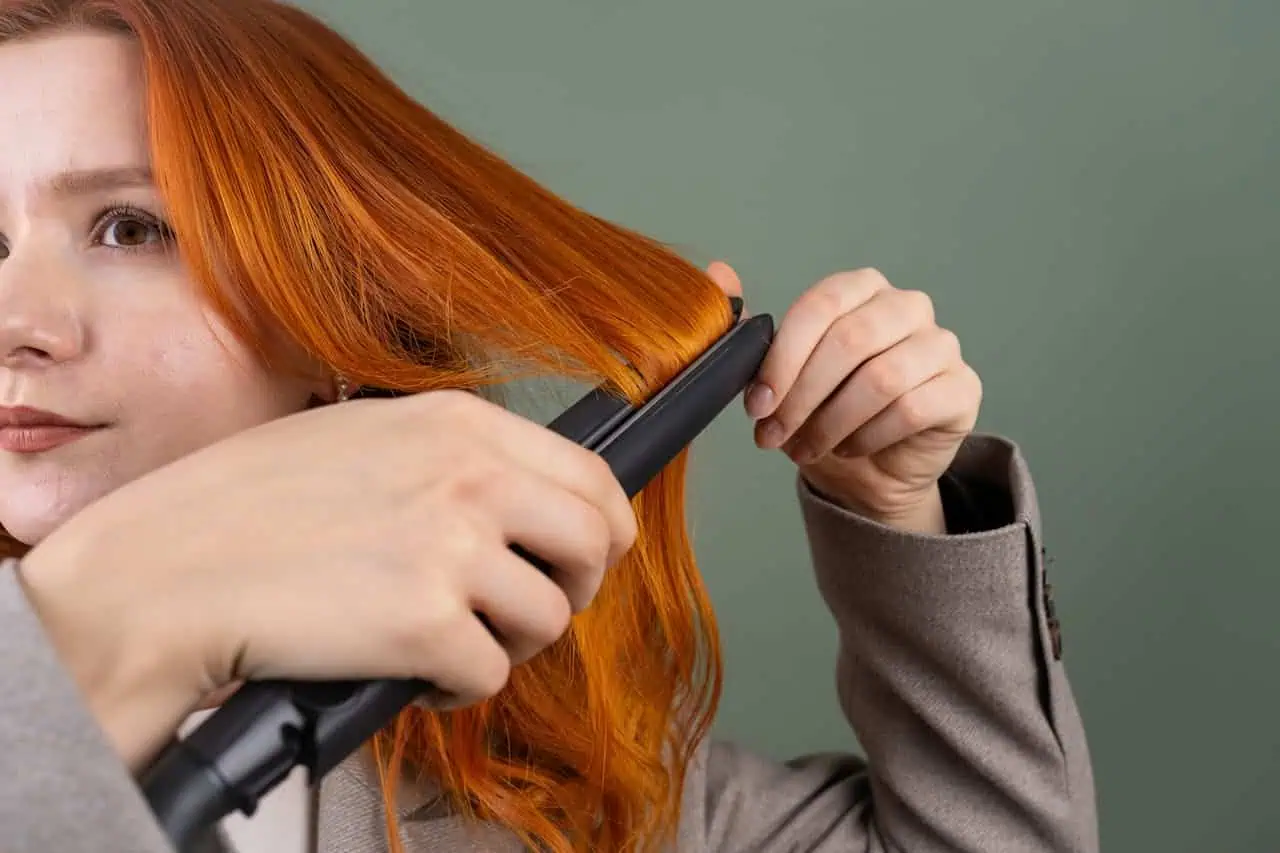
Though not clothing, your hairstyle is an essential part of your style. Classic updos or tightly sprayed curls may have once felt red carpet–ready, but now can feel stiff or dated. Soft, layered cuts that frame the face bring out your features and move naturally. Let go of over-teased or overly structured hair and embrace bouncier, airier styles. Talk to your stylist about cuts that work with your natural texture and highlight your best features without relying on excessive styling products or tools.