Fashion is about creativity, but even the most stylish wardrobes need a sense of balance. Mixing certain elements in one outfit can create visual chaos, making you look overdone rather than refined. Whether it’s too many prints or competing accessories, some combinations simply don’t work together. Here are 10 fashion pairings to avoid if you want a cohesive, elegant look every time you step out.
Table of Contents
1. Too Many Bold Prints
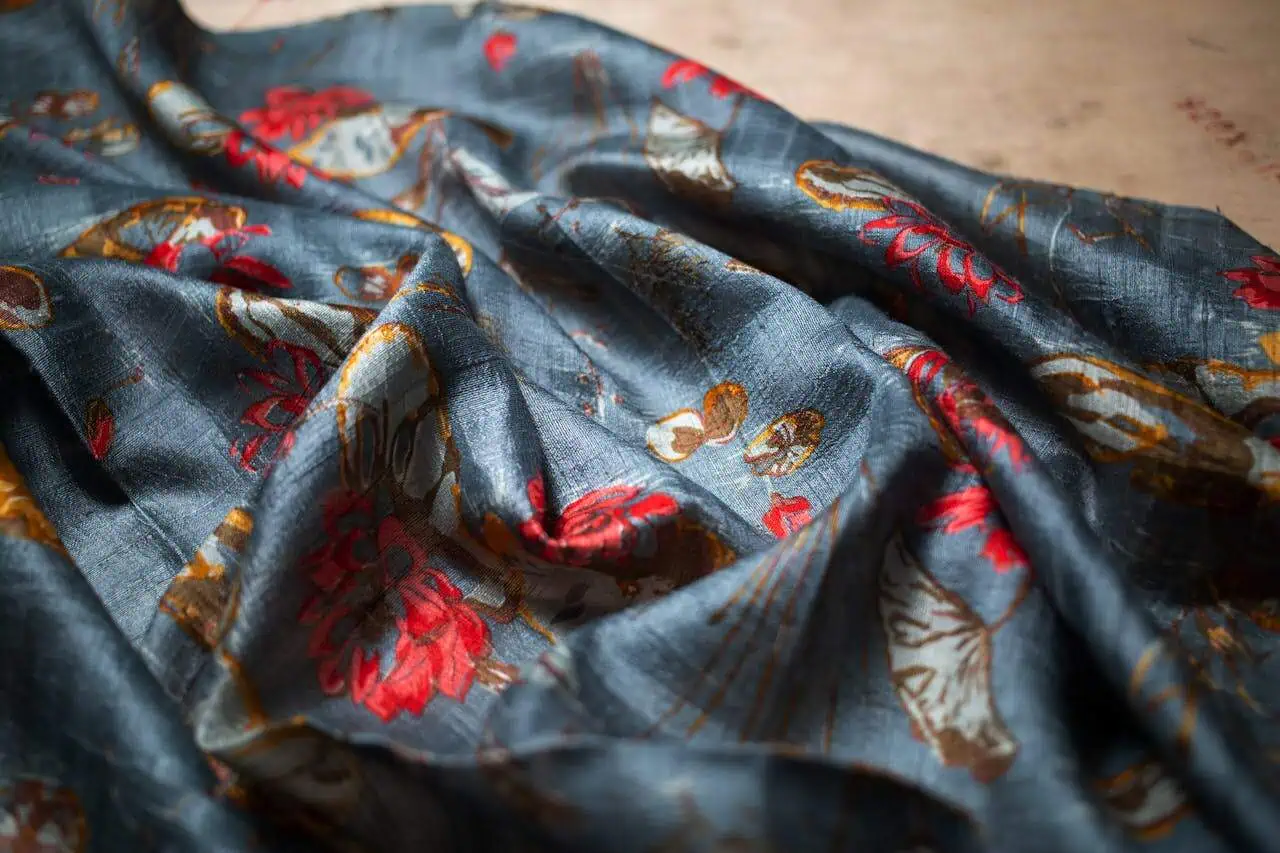
While prints add personality to your outfit, too many bold patterns can clash and overwhelm your look. Wearing leopard with polka dots and florals all at once can confuse the eye. To keep it chic, choose one standout print and complement it with solids or subtle textures. If you want to mix prints, keep them in the same color family or vary the scale—like large florals with tiny stripes. This helps create harmony rather than chaos. The key is to let one element shine while the rest supports it. Mixing prints is trendy, but doing it with intention is what keeps it stylish—not distracting.
2. Clashing Color Families
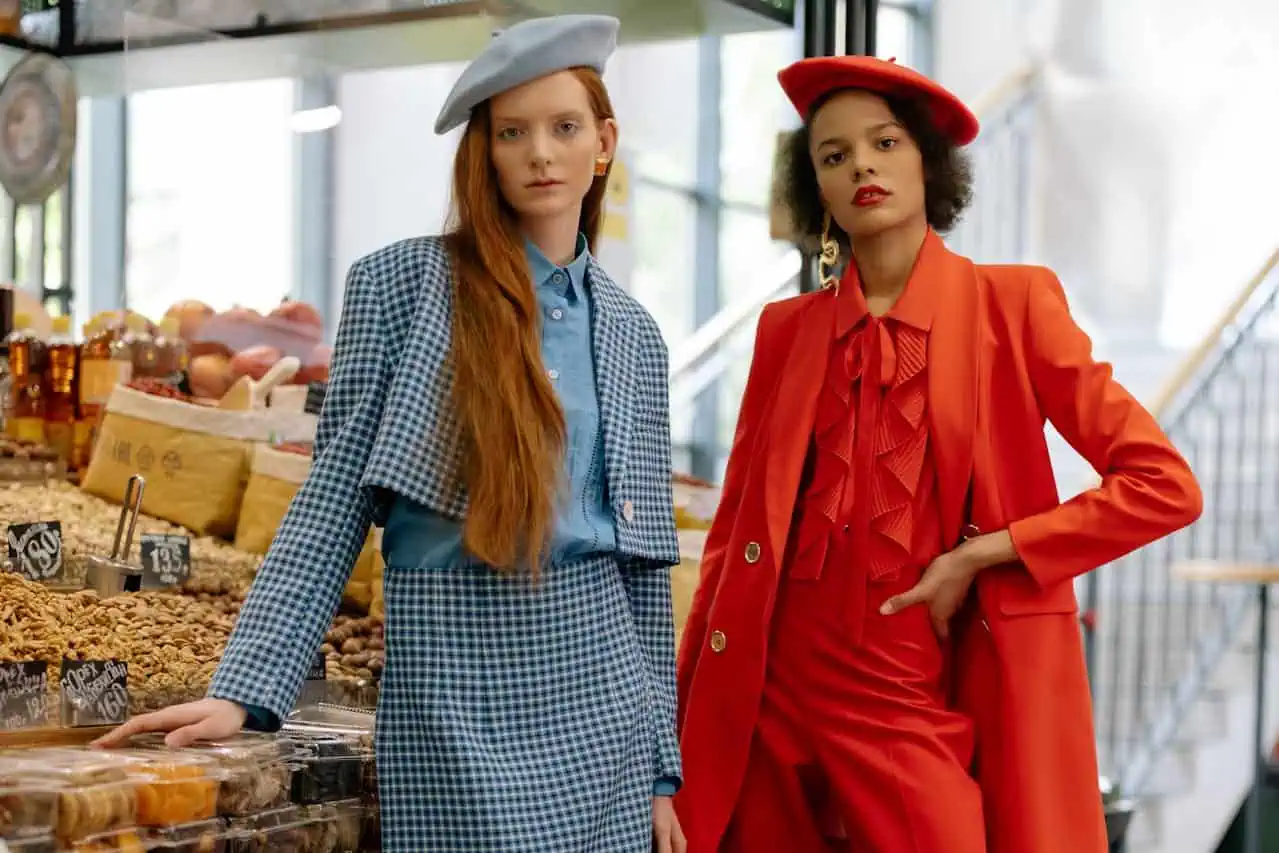
Color blocking is a powerful styling tool—but there’s a fine line between bold and blinding. Pairing warm tones like rust and mustard with cool tones like mint or icy blue can often clash if not carefully styled. Choose complementary or analogous colors instead. Earth tones pair well with other muted hues, while jewel tones harmonize beautifully together. If you’re new to color pairing, start with a neutral base and build around it. A pop of color is great—but three loud colors in conflicting tones can turn your outfit into a palette war. Style is color-smart when colors talk to each other—not argue.
3. Excessive Layers
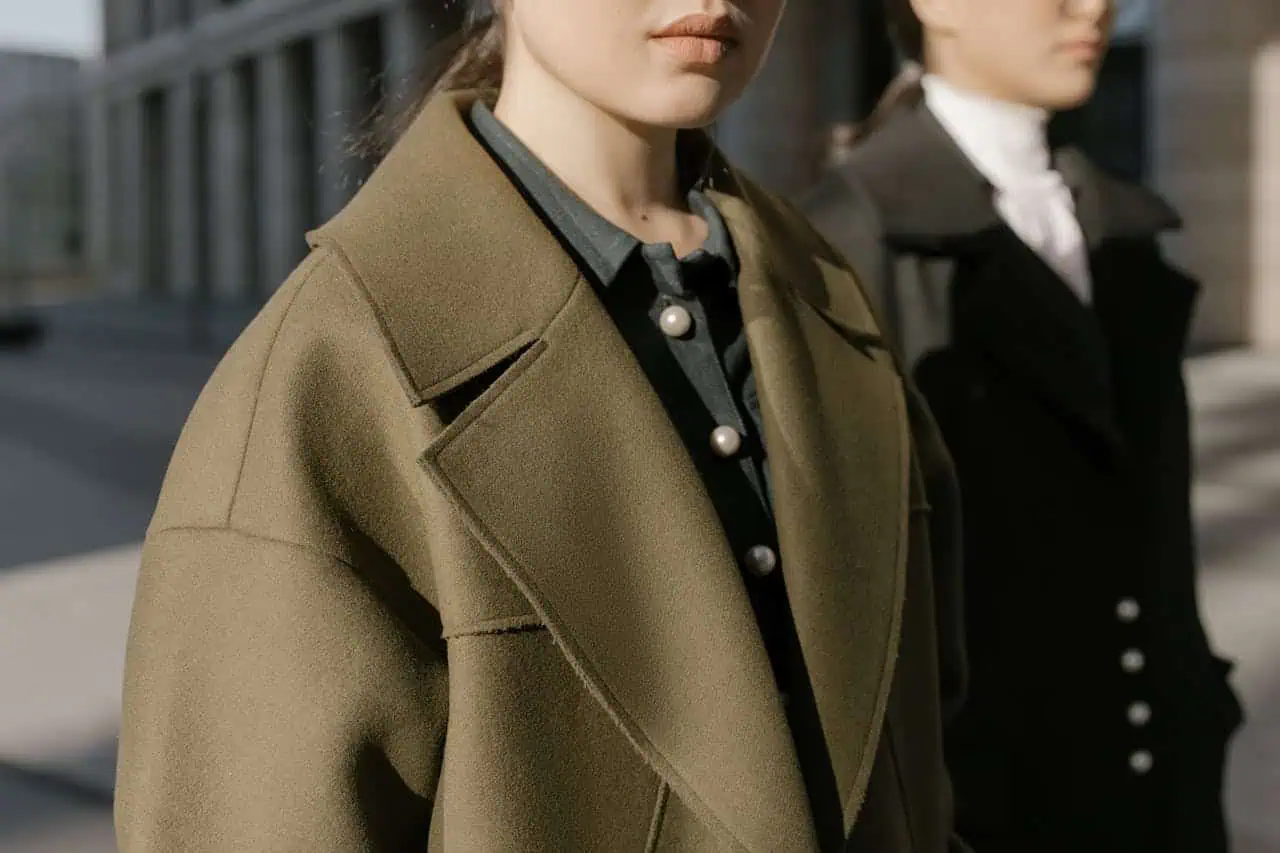
Layering is great for style and function, especially in transitional weather. But over-layering can lead to a bulky, confusing silhouette. Stacking turtlenecks, cardigans, jackets, and scarves might keep you warm but not stylish. Limit yourself to three thoughtful layers—like a blouse, a structured jacket, and a scarf or necklace. Stick to a unified color palette to keep it visually cohesive. Layering works best with light-to-medium weight fabrics and one key accent piece. Try long over lean: a long cardigan over slim jeans and a tucked-in top, for example. Clean lines and proportion are your best friends when layering with grace.
4. Contrasting Formalities
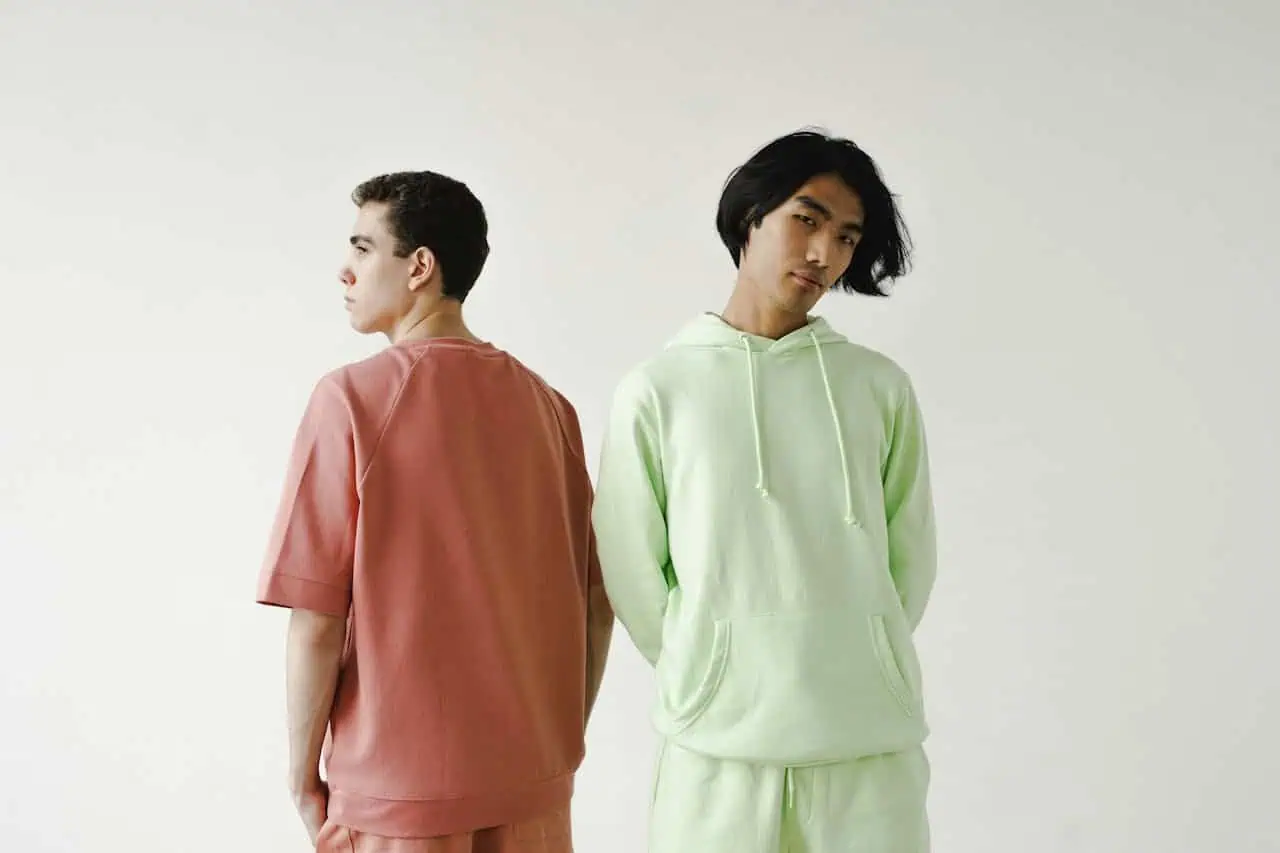
Mismatched dress codes in one outfit—like pairing a sequin skirt with flip-flops—often come off as confused rather than fashionable. Mixing casual and formal elements can be stylish if done with care. For example, dress down a silk blouse with high-waisted jeans and ankle boots. Or elevate joggers with a sharp blazer and loafers. But don’t pair gym wear with eveningwear—it throws off the balance. Instead, think smart-casual harmony. Always ask: Do these pieces belong in the same social setting? If not, they probably don’t belong in the same outfit. Effortless style looks like everything belongs together—even if it didn’t start that way.
5. Too Many Statement Pieces
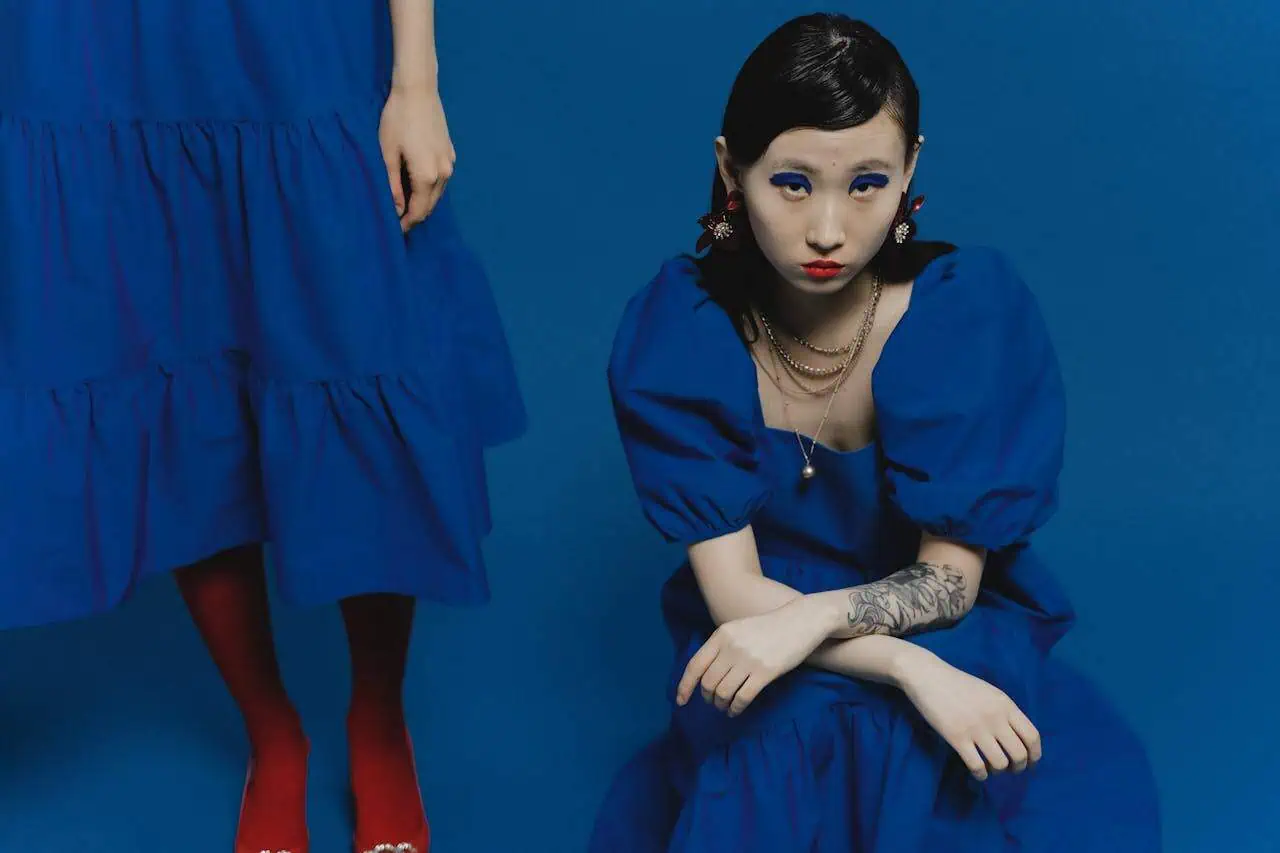
Statement earrings, bright shoes, a printed coat, and a bold handbag—all at once—compete for attention and dilute the impact of each item. Choose one or two focal pieces and keep the rest simple. For instance, pair statement boots with a neutral outfit, or let a bright handbag pop against an all-black look. When everything in your outfit is shouting, nothing is heard. Great style is about storytelling—let one piece lead, and let the others support. The most fashionable women know how to edit their look. It’s not about how much you wear, but how intentionally you wear it.
6. Mismatched Textures
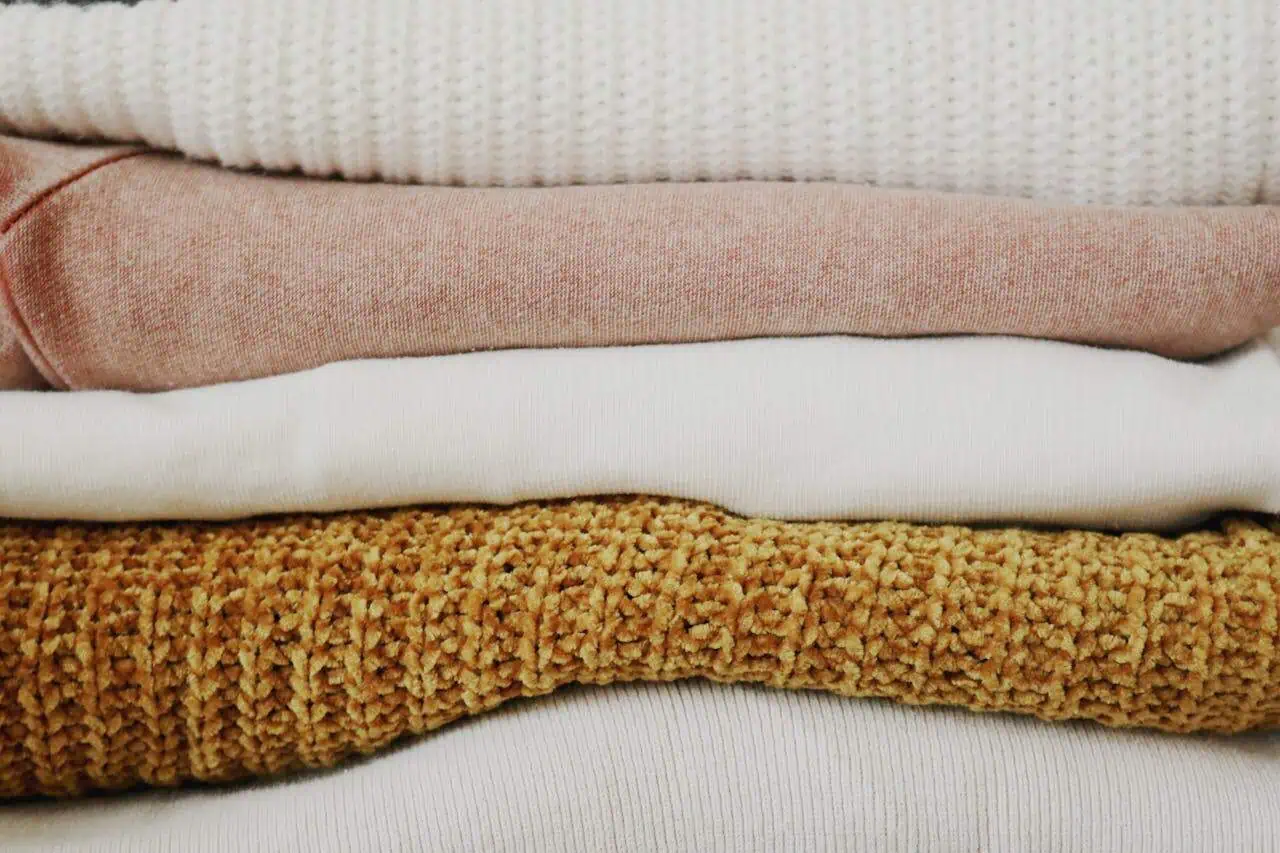
Texture adds depth and interest, but mixing too many at once—like velvet, sequins, fur, and leather—can feel messy. Stick to two main textures, and let at least one be soft or subtle, like cotton or denim. A leather jacket over a satin blouse? Chic. A fringe vest with lace and metallics? Maybe not. Pay attention to the visual weight of each texture, too—pairing light and heavy fabrics needs balance. Stick with a consistent mood (e.g., cozy vs. glam) so your outfit feels unified. When textures fight for the spotlight, your outfit loses its focus.
7. Competing Necklines and Accessories
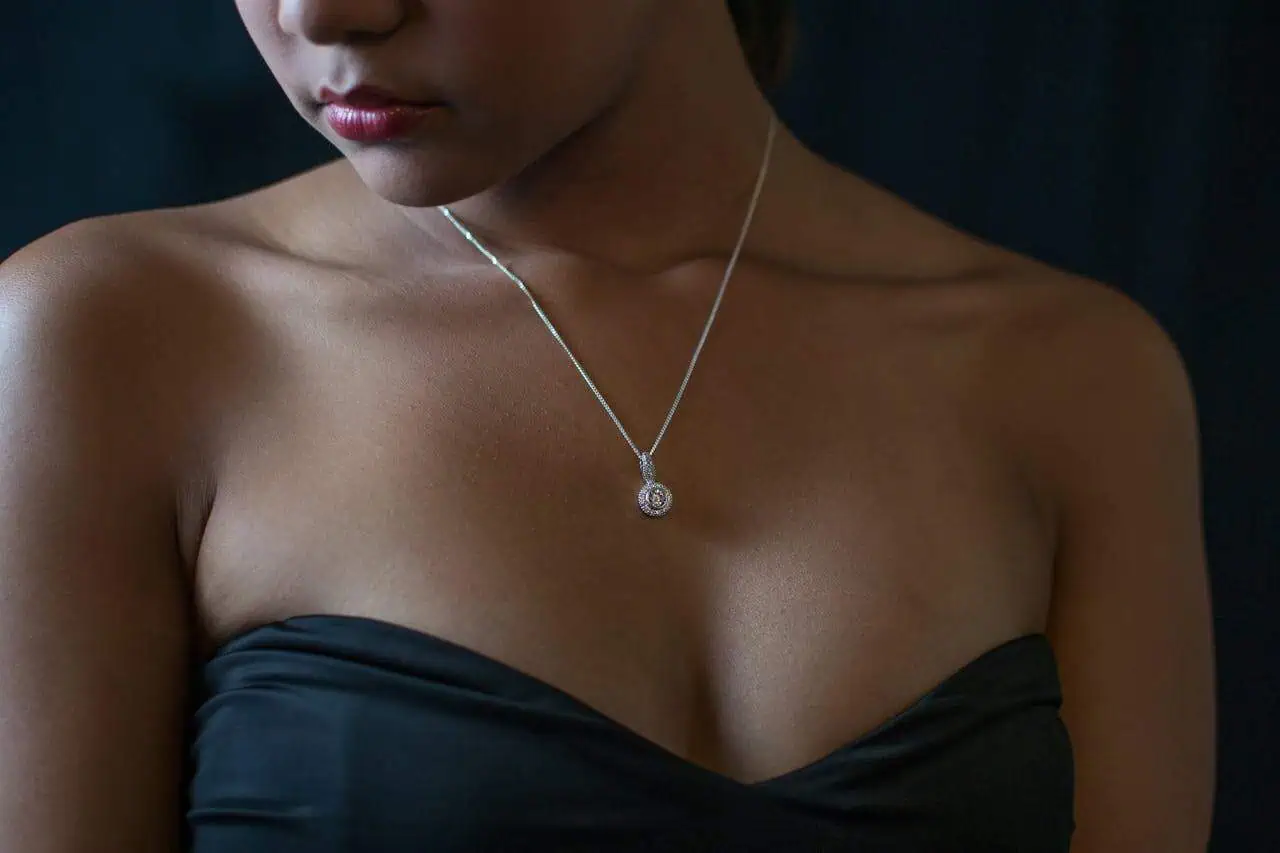
A ruffled or asymmetric neckline doesn’t need chunky necklaces or oversized scarves. These combinations clutter the neckline and draw too much attention to one spot. If your top has detailing near the collar, skip the necklace or opt for delicate studs. Conversely, a plain neckline can handle a bold accessory. The trick is proportion. Your accessories should frame your outfit, not interfere with it. Always ask: is this enhancing or distracting? When in doubt, less is more. Let your outfit breathe by giving space to one feature—either the neckline or the accessory, not both at once.
8. Oversized Everything
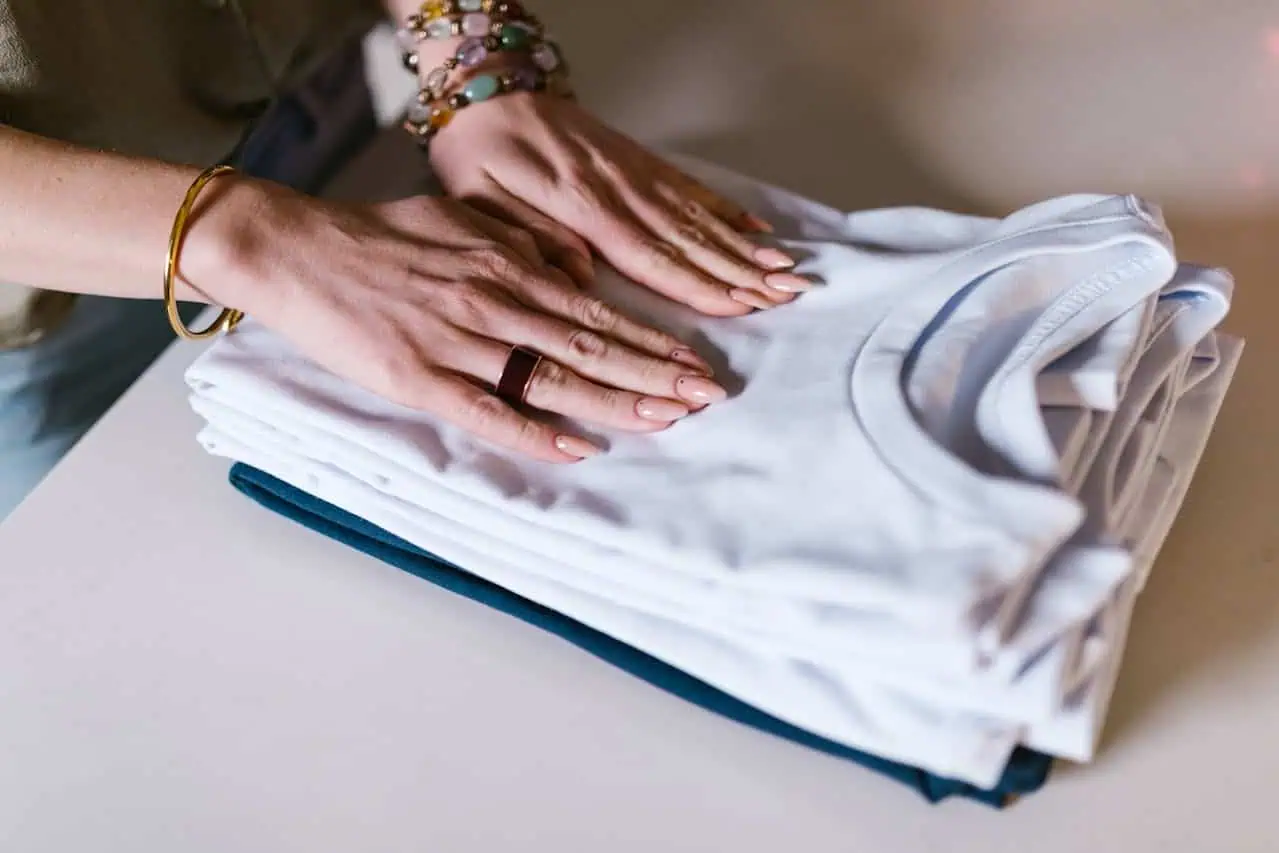
Wearing oversized pieces from head to toe can drown your frame and make you look shapeless. While loose silhouettes are trendy and comfortable, pairing an oversized sweater with wide-leg pants and chunky shoes removes all structure. Instead, balance volume with fit. Pair an oversized top with slim trousers or leggings, or wide-leg pants with a fitted top. This keeps your figure in proportion and adds polish to your look. If you want to go full oversized, break it up with a defined waist (belted coats or tucked-in tops) and structured accessories. Volume can be stylish—but only when it’s controlled.
9. Conflicting Eras
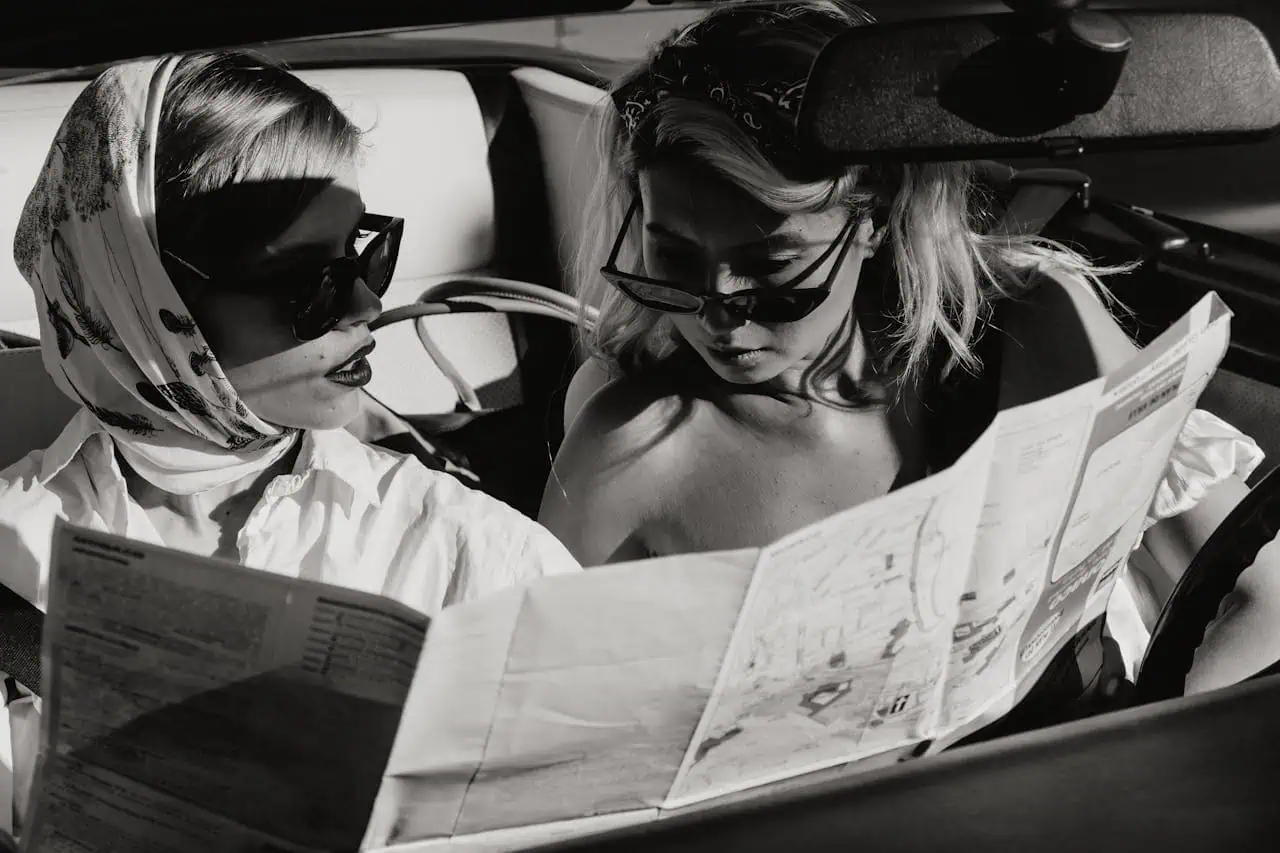
It’s fun to thrift vintage and play with retro pieces, but mixing too many items from different fashion eras can make your outfit feel like a costume. Think 70s flares with an 80s power blazer and 2000s platform sneakers—confusing, not chic. Instead, anchor one vintage-inspired item with modern basics. For example, pair a 60s A-line skirt with a contemporary turtleneck and boots. The goal is to nod to a decade, not recreate it head-to-toe. Keep it subtle and intentional. When you blend the past with the present thoughtfully, you create timeless style—not time travel chaos.
10. Unbalanced Proportions

Proportions are one of the most overlooked elements of dressing well. Wearing a cropped top with low-rise pants can visually shorten your torso. A midi skirt with ankle boots and a boxy sweater may weigh you down. To fix this, understand your body’s visual lines. Pair shorter tops with high-rise bottoms to elongate your legs, or go for a tucked-in blouse with an A-line skirt for waist definition. Structured tailoring also helps. Whether petite or tall, creating balance in your outfit’s silhouette is what flatters your shape. Fashion is visual math—when the proportions add up, the outfit clicks.