The early 2000s were a fascinating era in fashion an experimental mix of glam, grunge, and pop culture excess. Low-rise jeans, tiny handbags, and rhinestones ruled the decade, but what once looked cutting-edge now feels more like a fashion faux pas. Stylists today champion polish, proportion, and personal confidence over flash or gimmicks. While nostalgia for Y2K style is trending, not every look deserves a comeback. From over-accessorizing to awkward layering, these 10 early-2000s trends are better left as memories and lessons in how far modern style has come.
Table of Contents
1. Low-Rise Jeans
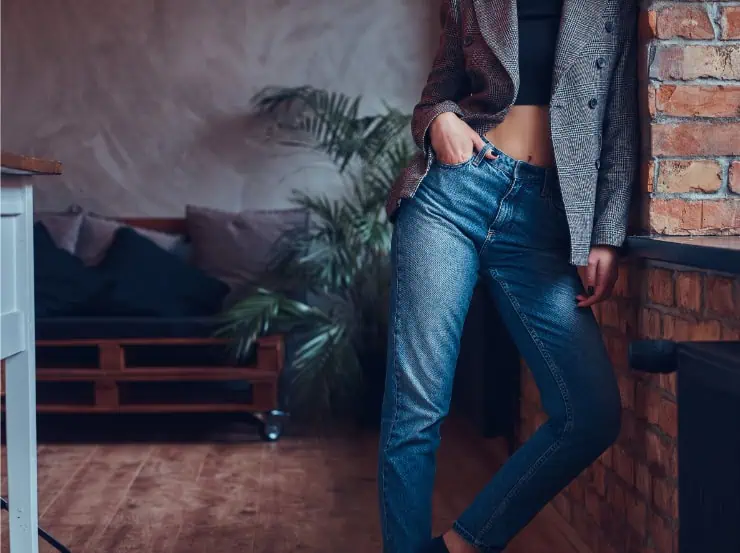
Arguably the most infamous 2000s trend, low-rise jeans did no favors for most body types. They sat precariously low, often cutting across the hips and eliminating natural shape. Stylists today favor high- or mid-rise jeans that elongate the legs, define the waist, and create smooth, balanced lines. The modern woman’s denim celebrates comfort and proportion, not exposure. While low-rise jeans may still pop up on runways, they’re more fashion nostalgia than practical style. Today’s denim is about confidence and ease, not constant readjustment and discomfort.
2. Layered Tank Tops

Layering two or three colorful tank tops was a hallmark of early 2000s casual dressing. Unfortunately, it added bulk and visual clutter rather than style. The trend made silhouettes appear boxy and overworked. Now, stylists recommend sleek, single-layer tops in quality fabrics that breathe and drape gracefully. Monochrome layering like a linen shirt over a fitted tank creates dimension without chaos. The lesson: simplicity always wins. Clean lines and considered layers look infinitely more polished than stacks of mismatched cotton tanks ever did.
3. Excessive Rhinestones and Bedazzling
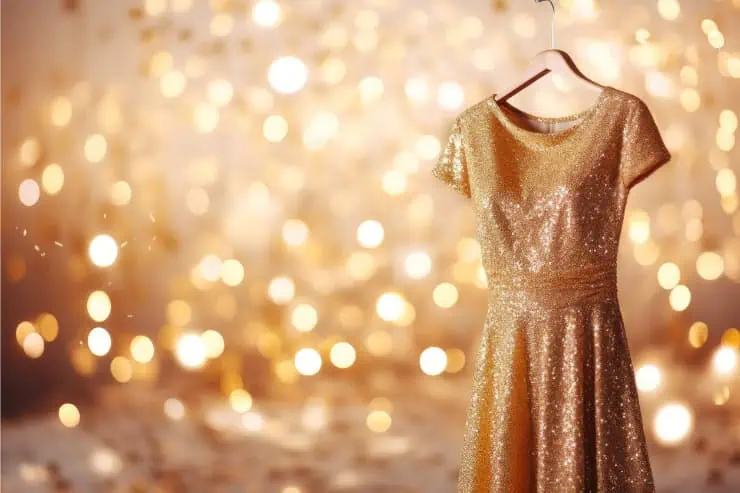
The 2000s embraced sparkle everywhere. Rhinestone jeans, glittery tops, and embellished handbags were status symbols of the time. But stylists today agree: too much shine reads as costume-like rather than chic. Modern glamour relies on restraint one standout piece, not an entire outfit of sparkle. A satin blouse, metallic shoe, or fine jewelry delivers far more sophistication. Texture and quality have replaced cheap shimmer. Sparkle in moderation suggests confidence; sparkle everywhere screams nostalgia gone wrong.
4. Super Short Denim Skirts
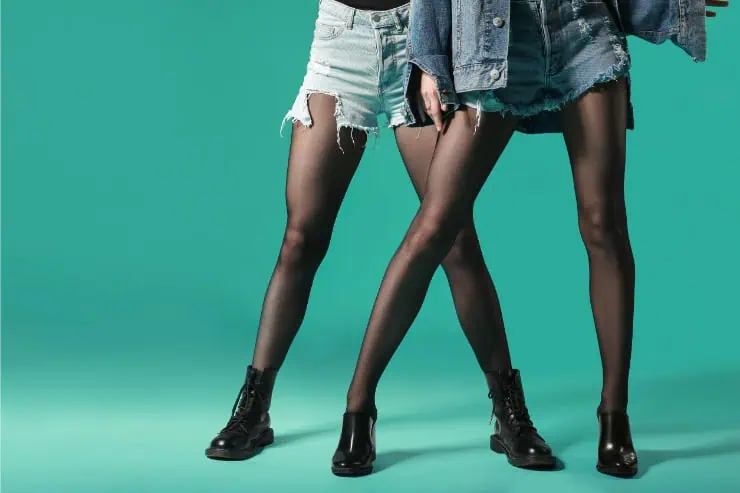
Mini denim skirts were practically a uniform for the Y2K crowd, often paired with knee-high boots or flip-flops. The result? Outfits that lacked balance or refinement. Stylists now favor mid-thigh or knee-length denim skirts with structure and movement. These lengths flatter more body types while maintaining comfort and confidence. A-line and pencil cuts in darker washes feel especially elevated. The denim skirt has evolved it’s no longer about youth rebellion but timeless, effortless chic that works at any age.
5. Logo Mania Everything
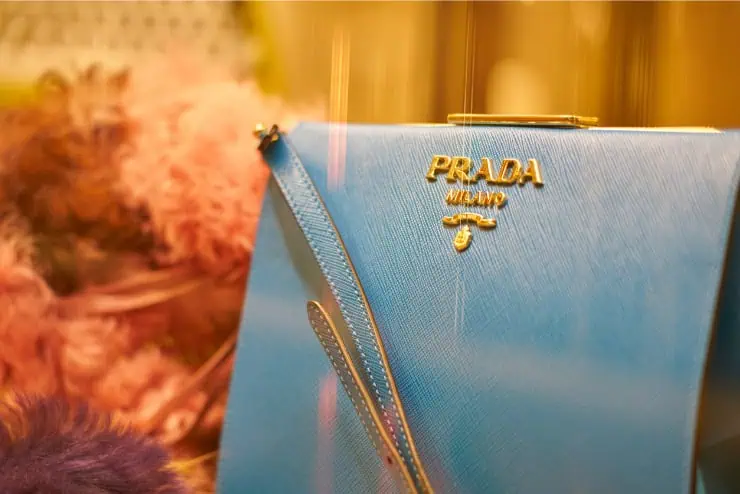
From handbags to T-shirts, early 2000s fashion was obsessed with logos. Designer names plastered across every inch of fabric were seen as a status symbol. Today’s style leans minimalist and understated luxury that whispers, not shouts. Stylists encourage choosing subtle branding or no logo at all. True sophistication lies in cut, fabric, and fit, not visible labels. Understated elegance will always feel more powerful than a walking advertisement. The modern woman lets her style speak, not her logo placement.
6. Velour Tracksuits
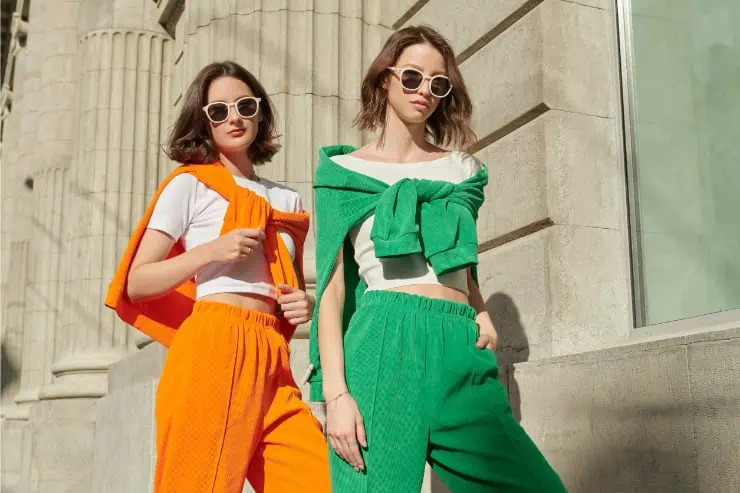
Once made iconic by celebrities in airport paparazzi photos, velour tracksuits were the height of comfort-chic. But their shiny fabric and matchy-matchy fit now read as dated. Today’s loungewear is elevated think tailored joggers, soft knits, and minimalist sets that look as good outside as they feel inside. Modern comfort dressing is about clean silhouettes and quality materials. If you love cozy, keep it structured and neutral. A coordinated set in cashmere or cotton jersey feels fresh, not nostalgic.
7. Layered Mini Dresses Over Jeans
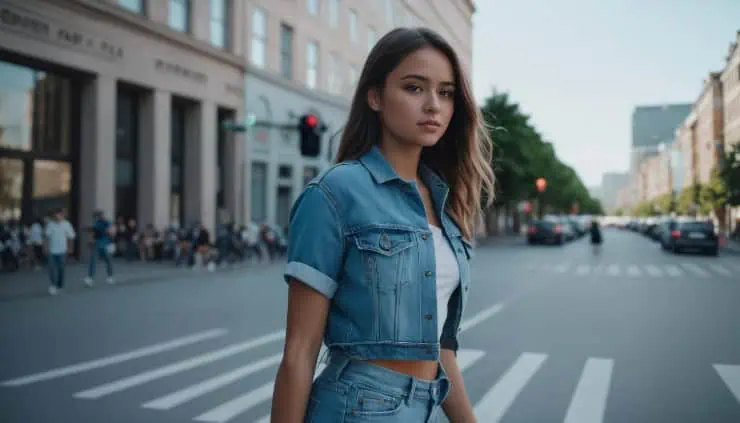
This quirky 2000s layering trend was everywhere dresses worn over bootcut jeans in the name of “creative fashion.” The result, however, was bulky and awkward. Stylists today stress proportion and flow: dresses should move freely, not compete with denim. If you want layering, try long tunics or shirt dresses over slim pants. It’s streamlined and sophisticated rather than confusing. Fashion should enhance your shape, not hide it beneath mismatched fabrics. Some experiments are best left in the archives and this is one of them.
8. Micro Handbags
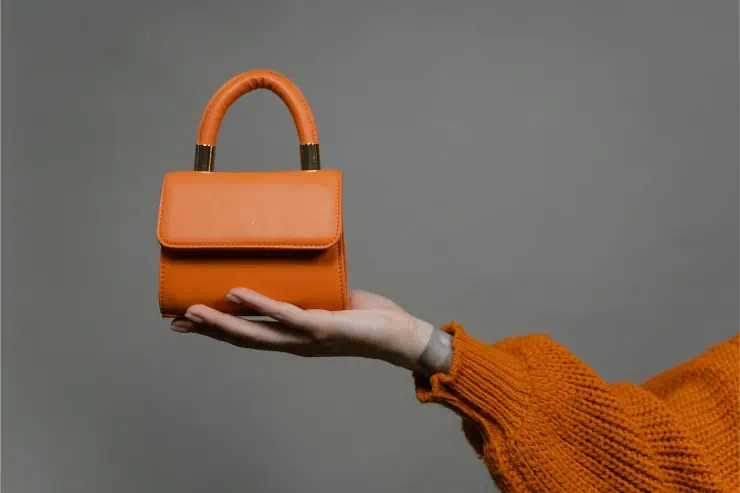
Tiny handbags may have looked adorable in the 2000s, but they were wildly impractical. You could barely fit a phone, let alone essentials. Stylists today recommend functional yet stylish crossbody or structured bags that add balance to an outfit. Medium-sized bags in leather or woven textures feel timeless and grounded. Functionality is the new luxury looking chic while living your life comfortably. Micro bags are fun for nostalgia, but true elegance has room for what matters.
9. Platform Flip-Flops
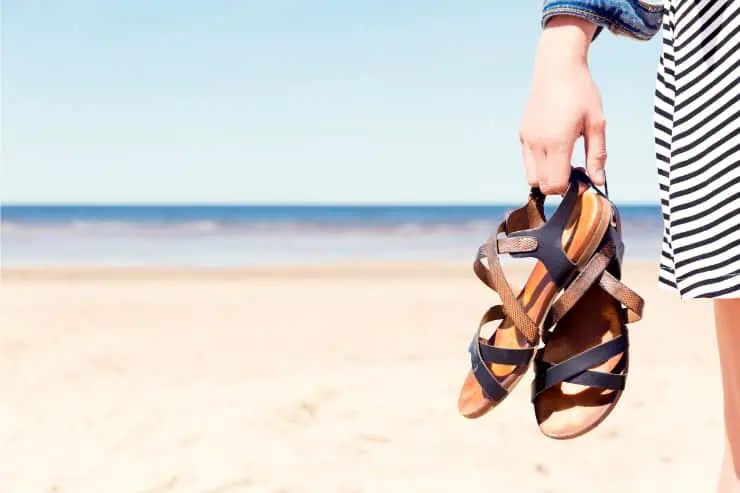
Platform flip-flops were the casual shoe of the 2000s clunky, unstable, and awkwardly loud. Stylists now favor sleek slides, leather sandals, or espadrilles that feel refined but comfortable. The goal is structure, not excess height. Platform soles often distort posture and add bulk where it’s not needed. Today’s sandals are more about clean design and ergonomic fit. Footwear should support your stride and style simultaneously. Platform flip-flops? Best kept as a memory from teenage summers, not a staple in 2026 wardrobes.
10. Shrugs and Bolero Jackets
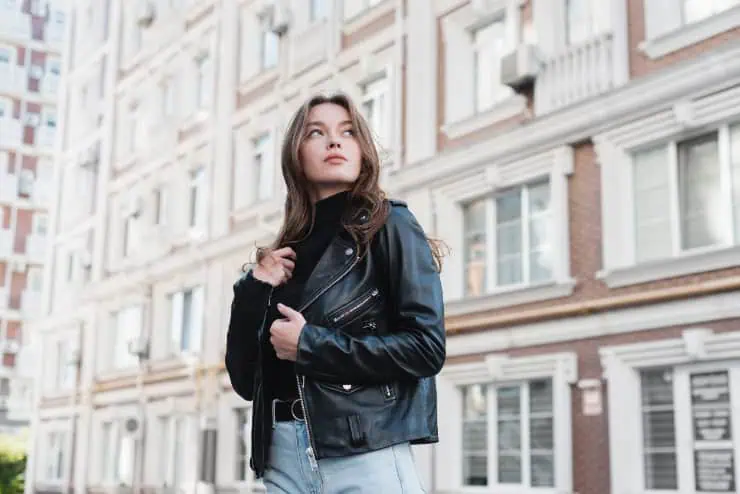
Shrugs were the default solution for women who wanted arm coverage with tank tops or dresses but they often cut the body at an unflattering point and disrupted the outfit’s balance. Modern stylists recommend longline cardigans, cropped jackets, or lightweight blazers for coverage that enhances rather than chops the silhouette. Structured outer layers elongate instead of confining. The bolero had its time, but it’s been replaced by smarter, sleeker layering that looks grown-up, not gimmicky.