Over the years, societal expectations of women have evolved dramatically. What was once considered inappropriate, unfeminine, or even taboo is now proudly embraced by women around the world. Cultural shifts, empowerment movements, and increased access to information have played key roles in reshaping attitudes. Today, many things that women were once discouraged or even shamed for are now celebrated as powerful, expressive, and essential parts of modern life. Here are ten of those transformative changes.
Table of Contents
1. Red Lipstick
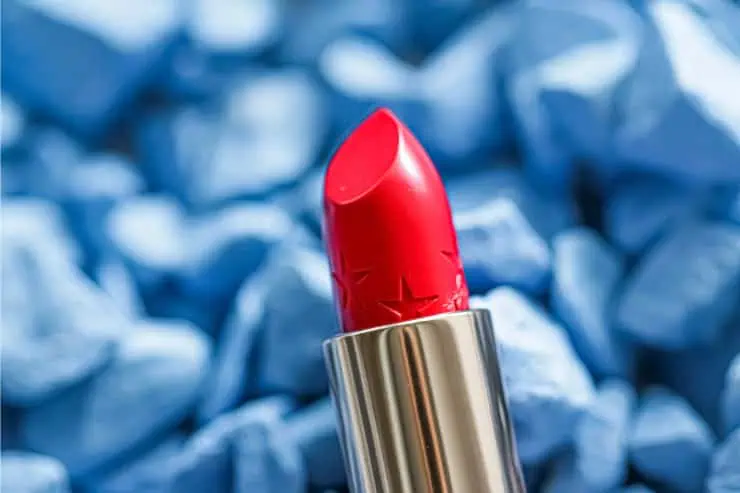
Once considered too provocative or inappropriate for “respectable” women, red lipstick was often linked to rebellion or seduction. In the past, only actresses or women deemed “bold” would wear it openly. Today, red lipstick is a staple in many beauty routines, symbolizing power, confidence, and bold femininity. Whether for a boardroom presentation or a night out, the swipe of a red lip has become an act of self-expression, not rebellion. It’s a fashion must-have that commands attention and respect, proving that beauty and strength are not mutually exclusive.
2. Lifting Weights
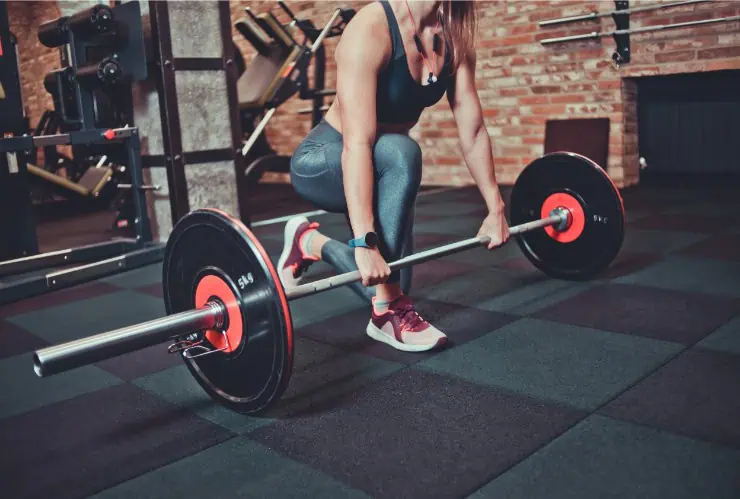
Decades ago, many women avoided strength training for fear of becoming “too muscular” or losing their feminine shape. Fitness culture pushed cardio and slimness as the ideal. Now, weightlifting is widely embraced for its physical and mental benefits. Women are discovering that building muscle improves health, posture, metabolism, and self-confidence. Social media has further normalized fit, strong female bodies, challenging outdated beauty standards. The weight room is no longer a male-only space, women are lifting heavy and loving the strength it brings, inside and out.
3. Speaking Up
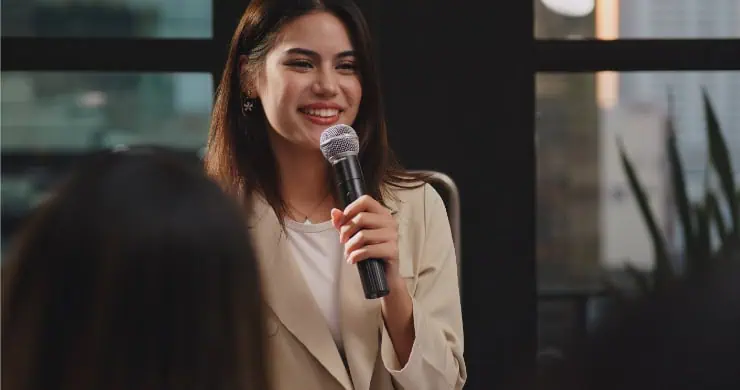
Women were once encouraged to be agreeable, quiet, and deferential, especially in workplaces or public forums. Being outspoken risked labels like “bossy” or “difficult.” Today, assertiveness is seen as a vital trait. Women are reclaiming their voices in meetings, on panels, in politics, and beyond. Speaking up is no longer discouraged, it’s encouraged. Whether advocating for themselves or others, modern women understand the value of confident communication. Being heard is no longer a privilege; it’s a right, and it’s reshaping leadership and culture across industries.
4. Short Haircuts
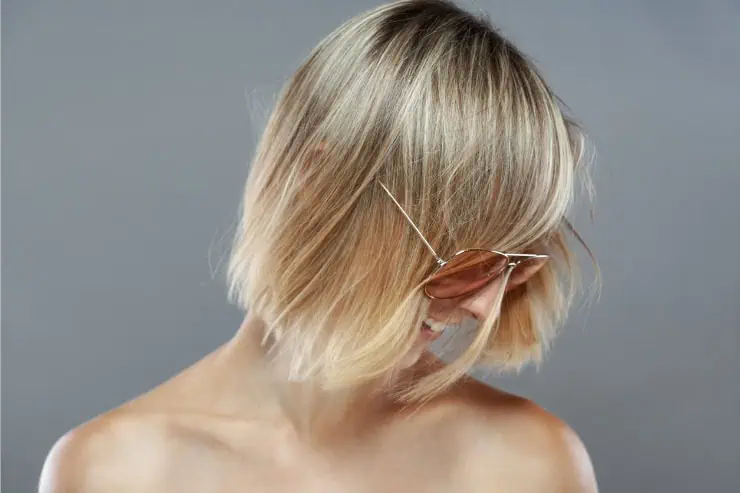
Short haircuts like pixies or buzz cuts were once deemed masculine or radical, with long hair upheld as the standard of femininity. Women who chose short styles were often judged or assumed to be making a political statement. Now, short hair is a bold and fashionable choice, representing independence, confidence, and personal style. Celebrities and influencers alike have embraced edgy cuts, proving that femininity comes in all shapes and lengths. Today’s woman wears her hair for herself, not to meet someone else’s expectations.
5. Tattoos
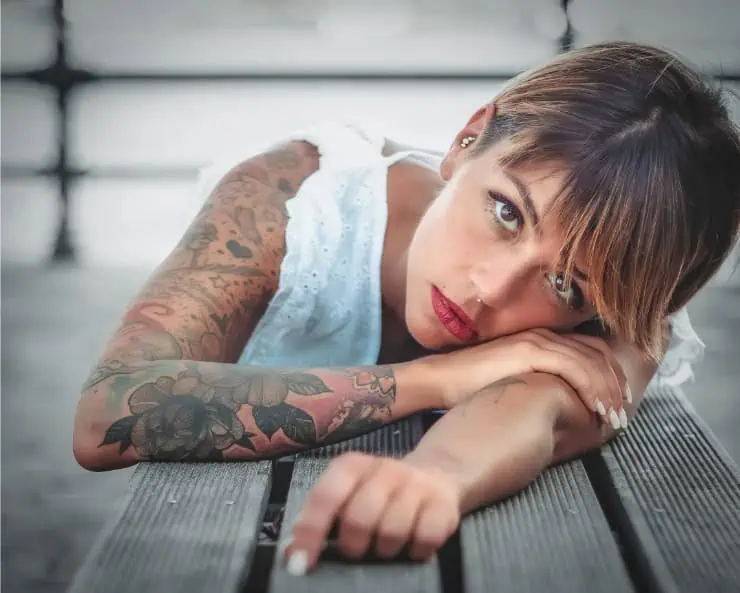
Tattoos were once taboo for women, seen as unprofessional or rebellious. Society associated ink with defiance, and female tattooed bodies were unfairly scrutinized. Now, tattoos are considered a mainstream form of self-expression, with many women choosing to commemorate meaningful life events, beliefs, or aesthetics through body art. From minimalist wrist designs to full sleeves, tattoos reflect personal journeys and creativity. The stigma has largely faded, and the tattoo chair has become a place of empowerment, not rebellion.
6. Career Ambition

There was a time when ambition in women was frowned upon. They were expected to prioritize family life over personal achievement. Women who pursued leadership roles or spoke of climbing the corporate ladder were sometimes viewed as “cold” or “unfeminine.” Today, ambition is a strength, not a flaw. Women are CEOs, entrepreneurs, engineers, and world leaders, proudly owning their goals and striving for success. Career growth is no longer a secondary option, it’s a valid and celebrated life path.
7. Online Dating
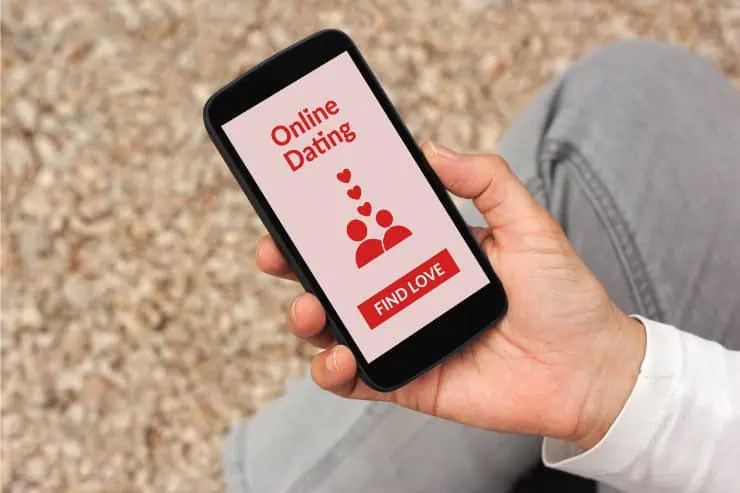
Online dating once carried a stigma, especially for women. It was seen as desperate, risky, or unsafe. But in the digital age, attitudes have shifted. Today, dating apps are a common and often preferred, way to meet potential partners. With busy lives and evolving social norms, women are taking control of their romantic lives through swipes and bios. The conversation has moved from judgment to empowerment: women curate their dating experiences with intention and clarity, and that’s a modern must.
8. Wearing Suits

Historically, suits were strictly for men, and women in tailored clothing were considered too masculine or trying too hard to fit into male spaces. But the power suit has undergone a transformation. Now, structured blazers, tailored pants, and sleek silhouettes are fashion statements worn with pride. Women wear suits to exude authority, style, and confidence, whether in the boardroom or on the runway. Menswear-inspired fashion has become a symbol of ownership, blending strength and elegance on their own terms.
9. Talking About Mental Health

Mental health used to be a taboo subject, especially for women who were expected to “keep it together” and hide their struggles. Admitting anxiety, depression, or burnout was often met with silence or stigma. Today, open conversations about mental wellness are not only accepted, they’re encouraged. From therapy to mindfulness, women are taking charge of their mental health and supporting others to do the same. It’s now a must to be emotionally aware and proactive about well-being.
10. Traveling Solo

In the past, solo travel for women was often discouraged, seen as unsafe, irresponsible, or even selfish. Social norms emphasized companionship and dependence, and many women feared judgment or logistical challenges. Today, solo travel is not only accepted but celebrated. Women are exploring the world on their own terms, gaining independence, confidence, and cultural insight. Social media and travel communities have further empowered women with resources, safety tips, and inspiration.