The 1950s were a time of polished glamour, full skirts, and rigid expectations especially for women. Fashion reflected the conservative values of the time, and stepping outside those lines often meant disapproval, shame, or even legal trouble. While some styles from the era still inspire us today, it’s eye-opening to see just how limited women’s fashion choices truly were. Many items we now consider everyday staples were once frowned upon, seen as inappropriate, or simply not allowed. Here are 10 things women couldn’t wear in the ’50s that feel shocking by today’s modern, expressive standards.
Table of Contents
1. Pants in Public

In the 1950s, wearing pants as a woman was still considered taboo in many parts of society. Though Hollywood icons like Katharine Hepburn helped make trousers more visible, most women stuck to dresses and skirts. Pants were seen as inherently masculine, and many public places schools, churches, restaurants, and even some city laws prohibited women from wearing them. Slacks were acceptable only for housework, sports, or chores. A woman seen in pants outside the home could be viewed as rebellious or inappropriate. Fast forward to today, and pants are a universal wardrobe staple embraced by women of all ages.
2. Bikinis

While the bikini technically debuted in the 1940s, it was considered scandalous and largely rejected in the 1950s. Most women wore modest one-piece swimsuits that offered full coverage, often with skirts, ruffles, or boy-short bottoms. A bikini especially one that showed the navel was seen as indecent and was banned on many public beaches around the world. Women who wore them risked being fined or asked to leave. Even celebrities were cautious. Today, bikinis are mainstream, available in every cut, style, and size imaginable, and women feel free to choose swimwear based on comfort and confidence not societal approval.
3. Sleeveless Dresses in Church or School

The fashion standards of the 1950s prioritized modesty above all, particularly in formal or public spaces. Sleeveless dresses or blouses were viewed as inappropriate in places like churches, schools, or government buildings. Girls and women were often required to wear cardigans or jackets over sleeveless garments, regardless of the weather. A bare shoulder could be considered a sign of disrespect or poor upbringing. These days, sleeveless tops and dresses are common and completely acceptable, even in professional and religious settings. It’s a small but powerful shift toward personal comfort and bodily autonomy.
4. Bold Red Lipstick with Casual Outfits

Red lipstick had a complicated reputation in the 1950s. While it was accepted and even encouraged for evening wear and glamorous occasions, wearing it casually during the day was seen as bold, even risqué. Women were expected to reserve dramatic makeup for formal events and wear soft pinks or muted tones during the day. Wearing red lipstick in jeans or a simple blouse could invite judgment, with some equating it to “fast” behavior. Today, red lipstick is a symbol of power and confidence. Women wear it freely, regardless of time of day or outfit, to express style and personality.
5. Mini Skirts or Above-the-Knee Hemlines

Hemlines in the 1950s were firmly conservative, typically falling mid-calf or just below the knee. Mini skirts were practically nonexistent and considered indecent if worn. Even teenage girls were discouraged from showing too much leg, and strict dress codes were enforced in schools and public spaces. It wasn’t until the 1960s that mini skirts exploded in popularity, sparking both praise and outrage. Today, hemlines are a matter of personal style. Whether above the knee or floor-length, what once stirred scandal is now simply a fashion choice and women have full freedom to decide for themselves.
6. Menswear-Inspired Clothing

The idea of women wearing menswear-inspired clothing such as blazers, neckties, trousers, or button-down shirts was frowned upon in the ’50s. It challenged gender norms and was often met with suspicion or ridicule. Though a few bold fashion icons dabbled in androgynous style, it was not widely accepted. Many women feared being labeled unfeminine or rebellious. Today, menswear for women is a high-fashion category of its own. Structured blazers, loafers, and tailored trousers are celebrated for their versatility and sophistication and they’re worn proudly by women of all ages, including those over 50 and 60.
7. Sheer or See-Through Fabrics

In the conservative 1950s, sheer fabrics were considered scandalous unless heavily lined or layered. Anything see-through even sleeves or necklines was often rejected as too provocative. Lingerie-inspired fashion or barely-there fabrics had no place in public wardrobes. Women had to layer slips under dresses to avoid “showing too much,” even if the material was barely transparent. Today, sheer panels, lace, and mesh are embraced as fashion-forward design elements. Worn tastefully, these details can add elegance and depth to an outfit no longer symbols of impropriety, but of confident style.
8. Flat Shoes with Dresses

High heels were the expected standard for femininity and polish in the ’50s. Even modest heel heights were favored over flat shoes, which were seen as too casual or masculine to wear with dresses. Women wore pumps for nearly every outing shopping, school functions, and dinner dates even when comfort was sacrificed. Flats were often limited to the house or athletic activities. In contrast, modern fashion embraces comfort and practicality. Ballet flats, loafers, and even sneakers are commonly paired with skirts and dresses, offering chic, age-appropriate alternatives that respect both style and physical comfort.
9. Denim for Everyday Use

Denim was primarily viewed as workwear in the 1950s, suitable for farmers, factory workers, and teenage boys not respectable women. A woman seen in jeans risked being labeled unfeminine or even rebellious. While some younger girls wore jeans for play or chores, they were not accepted as daily attire. It wasn’t until later decades that denim made its way into mainstream women’s fashion. Today, denim is a universal staple. From skinny jeans to tailored jackets and wide-leg silhouettes, it’s a versatile, genderless fabric worn with pride across all generations.
10. Bold Nail Colors
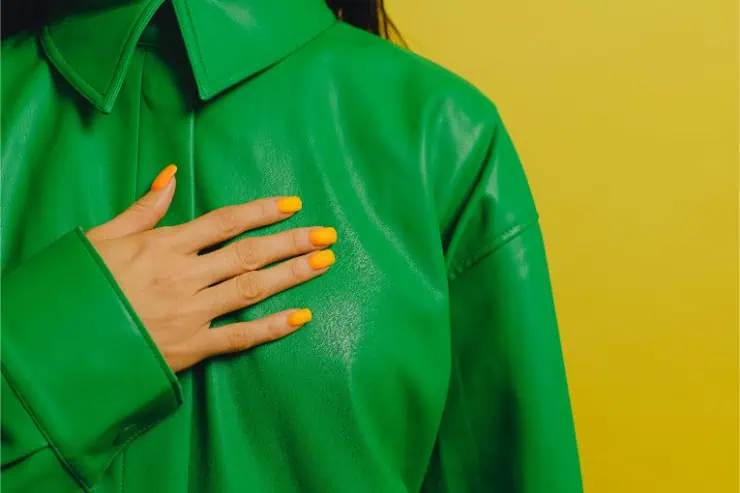
In the 1950s, manicures were expected to be soft, subtle, and classic usually pinks, reds, or nude tones. Bright or dark nail polish like blue, black, or green was seen as rebellious or “inappropriate,” especially for adult women. Anything outside the accepted range of colors was reserved for Hollywood starlets or nonconformists. These days, nails are treated as a canvas for self-expression. Women over 50 and 60 sport everything from neon shades to graphic designs, no longer tied to limiting ideas about what’s age-appropriate or ladylike. It’s about what feels right not what society dictates.Bottom of Form