The 1950s are often remembered as an era of polished fashion and feminine charm, but beneath the surface was a rigid dress code shaped by post-war conservatism and gender roles. Women were expected to dress modestly, neatly, and traditionally and stepping outside those boundaries could result in social judgment or even formal consequences. Whether banned outright or considered scandalous, many items we wear freely today were frowned upon or outright forbidden in the ’50s.
Table of Contents
1. Pants in Public

In the 1950s, women wearing pants in public, especially in formal or social settings was widely frowned upon. Pants were seen as strictly masculine attire, and women who wore them were often considered rebellious or inappropriate. While some women wore trousers at home or for practical work, society still expected skirts and dresses as the norm in public life. A woman showing up in slacks could be denied entry to restaurants or sent home from school or work. It wasn’t until the late ’60s and early ’70s that pants for women began gaining mainstream acceptance in public and professional settings.
2. Bikinis

Although the bikini was invented in 1946, it was considered shocking and indecent throughout the 1950s. Most American beaches banned them, and major publications rarely featured them. The post-war cultural climate emphasized modesty, and women were encouraged to wear one-piece swimsuits with full coverage. Bikinis were associated with European daring and Hollywood scandal, not respectable American womanhood. Women caught wearing them risked social criticism or removal from public spaces. It wasn’t until the sexual revolution of the 1960s that bikinis started to be more widely accepted, especially after stars like Brigitte Bardot popularized them on screen and at Cannes.
3. Sleeveless Tops in Some Places

Although sleeveless blouses and dresses were worn by women in the 1950s, certain places, especially churches, schools, and formal gatherings, enforced strict dress codes that required covered shoulders. Sleeveless garments were often deemed immodest or disrespectful in conservative environments. Even popular fashion icons like Grace Kelly and Audrey Hepburn were rarely photographed in sleeveless styles unless they were formal evening gowns. Women often carried shawls or cardigans to drape over their shoulders when entering public buildings. What’s now seen as perfectly normal summer wear would have been considered too revealing in many mid-century social circles.
4. Mini Skirts

Mini skirts were simply out of the question in the 1950s. Hemlines generally fell well below the knee, and anything significantly shorter was viewed as scandalous or vulgar. Society emphasized a refined, feminine silhouette that prioritized modesty. School dress codes, workplace expectations, and even social norms enforced longer skirts, with shorter hemlines only beginning to gain acceptance in the swinging ’60s. Wearing anything above the knee could attract gossip or outright reprimand, making the miniskirt an act of bold rebellion. When the mini finally arrived in the next decade, it signaled a major shift in attitudes toward women’s autonomy and sexuality.
5. Bold or Bright Makeup

Heavy or brightly colored makeup, such as vivid eyeshadow or dark eyeliner, was considered inappropriate for “respectable” women in the 1950s. The era favored a clean, feminine look with red lipstick, subtle blush, and neatly groomed brows. Makeup was meant to enhance natural beauty, not to stand out. Women who wore bold cosmetics risked being labeled as promiscuous or “cheap,” especially if paired with flashy clothing. Bright blue eyeshadow, cat-eye liner, and glittery lips, all makeup staples in later decades, were reserved for movie stars or nightclub performers. Everyday women were expected to keep their beauty routines soft, polished, and understated.
6. Leather Jackets

Leather jackets, especially those styled like men’s motorcycle gear, were considered wildly inappropriate for women in the 1950s. The look was tied to rebellion, greasers, and delinquent youth, decidedly not the image of the ideal housewife or young lady. While men could embrace the bad-boy aesthetic of Marlon Brando or James Dean, women wearing leather were associated with subcultures or fringe behavior. It wasn’t until the rise of punk and glam rock decades later that leather jackets became acceptable and even fashionable for women. In the ’50s, donning one could have invited serious judgment or parental concern.
7. Flat Shoes for Dressy Occasions

High heels were not just popular, they were expected for most social occasions in the 1950s. Wearing flats to a formal event was considered unfeminine and even lazy. Heels were seen as essential to proper posture and elegance, symbolizing refinement and maturity. Even young girls were encouraged to graduate from flats to low heels by their teens. Ballet flats and loafers existed but were largely reserved for casual settings or indoor use. Women who wore flat shoes to parties, dinners, or dances risked being seen as underdressed or unfashionable, highlighting how rigid and narrow dress codes could be.
8. Men’s Clothing or Androgynous Styles

The 1950s had little tolerance for women dressing outside traditional gender roles. Androgynous styles, such as button-down men’s shirts, suits, or even ties, were virtually taboo. Unlike today, where such looks are celebrated for their gender-fluid flair, mid-century culture viewed them as threats to social order. A woman dressing in men’s clothing could be accused of trying to reject her femininity or undermine the family structure. Icons like Katharine Hepburn, who occasionally wore slacks or tailored suits, were the exception, not the rule and even they faced public scrutiny. It wasn’t until much later that androgyny gained fashion credibility.
9. Sheer or Transparent Fabrics
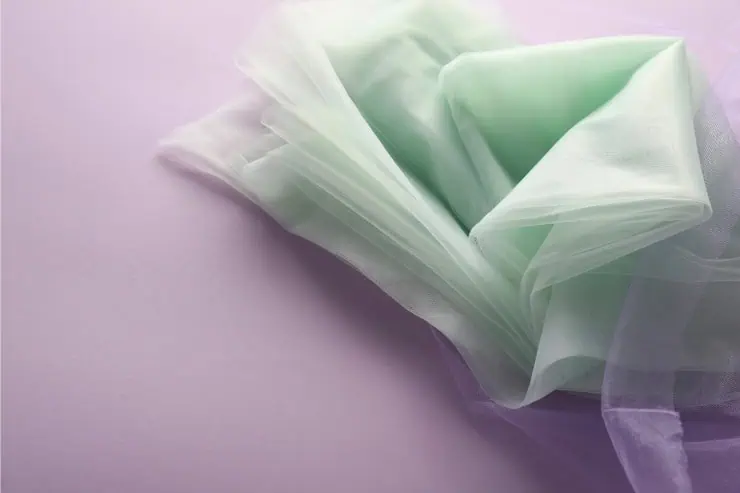
Wearing anything sheer or transparent, even subtly so, would have been a major social faux pas in the 1950s. Women’s clothing was expected to conceal, not reveal. Lingerie-inspired fashion was unheard of in everyday wear, and sheer fabrics were limited to certain parts of evening gowns, always with appropriate lining. Exposing the skin, especially the midriff, shoulders, or thighs, was seen as improper. Unlike today’s style where mesh tops or sheer overlays are common, such looks in the ’50s could invite judgment or be deemed immoral. Modesty was paramount, and fashion followed strict unspoken rules of coverage.
10. Denim in Dressy Settings

While denim existed and was worn by women for chores or casual wear, it was absolutely not considered appropriate for dressy occasions in the 1950s. Jeans were tied to manual labor, cowboys, and the working class, not fashion. It wasn’t until rebellious youth, particularly influenced by Hollywood stars like James Dean, began embracing denim that it gained a bit of edge. But even then, women were expected to change into proper skirts or dresses for anything beyond leisure. Wearing denim to a restaurant, party, or church would have been unthinkable, far from the dressed-up denim looks we celebrate today.