Fashion doesn’t become “cringe” because it’s old it becomes cringe when it stops evolving. Gen Z isn’t rejecting quality, classics, or maturity; they’re reacting to pieces that feel frozen in time, overly literal, or disconnected from how people dress today. Many of these items were once stylish, practical, or even aspirational, which is why they’re still hanging in so many closets. The problem is context. Styling norms, proportions, and cultural signals have shifted, and some pieces now carry visual baggage from past decades. This list isn’t about judgment or rules. It’s about awareness understanding which items Gen Z immediately clocks as dated, and why they no longer land the way they used to.
Table of Contents
1) Logo Heavy Statement Tees

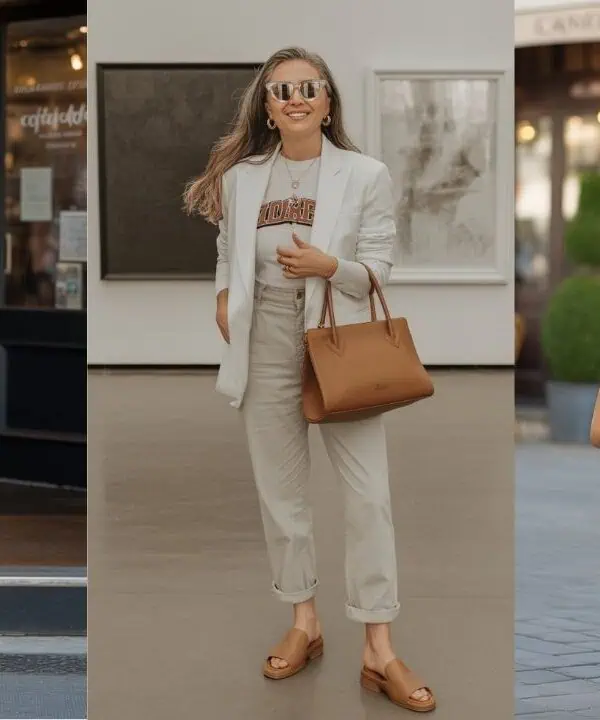
Graphic tees with oversized logos, slogans, or literal statements were once an easy way to look “put together but casual.” Today, Gen Z often reads them as loud, try-hard, or stuck in a specific era of mall fashion. The issue isn’t graphics themselves; it’s the obviousness. Big logos and literal phrases feel overly explanatory in a style culture that prefers subtlety and irony. These tees tend to dominate an outfit instead of integrating into it, making them feel less intentional. Gen Z favors pieces that invite interpretation rather than announce meaning. A logo tee from years ago can instantly date an outfit, even when paired with modern items, because it carries strong visual associations with past trends.
2) Shrunken Denim Jackets With Excessive Detailing

The cropped, tight denim jacket loaded with embroidery, contrast stitching, rhinestones, or embellished pockets is a major Gen Z red flag. These jackets were incredibly popular in the late 90s and early 2000s, often styled as a statement piece. Today, Gen Z prefers denim that feels relaxed, oversized, or deliberately structured with minimal embellishment. A fitted, overly decorated denim jacket reads as busy and outdated rather than cool. The proportions also feel off compared to modern silhouettes, which favor balance and ease. Even high-quality denim jackets can look instantly “cringe” if the cut and detailing scream a specific past decade.
3) Ultra Skinny Jeans Worn With Tight Tops

Skinny jeans themselves aren’t automatically cringe it’s the styling formula that gives them away. Ultra-skinny jeans paired with equally tight tops reflect a silhouette that Gen Z associates strongly with the 2010s and earlier. This head-to-toe fitted look feels restrictive and visually dated compared to today’s preference for contrast and movement. Gen Z tends to mix proportions, pairing slimmer pieces with looser ones or opting for straight and relaxed denim altogether. The discomfort factor also plays a role; overly tight denim signals dressing for appearance over ease. It’s not the jeans alone it’s the refusal to evolve the silhouette.
4) Matchy Matchy Jewelry Sets
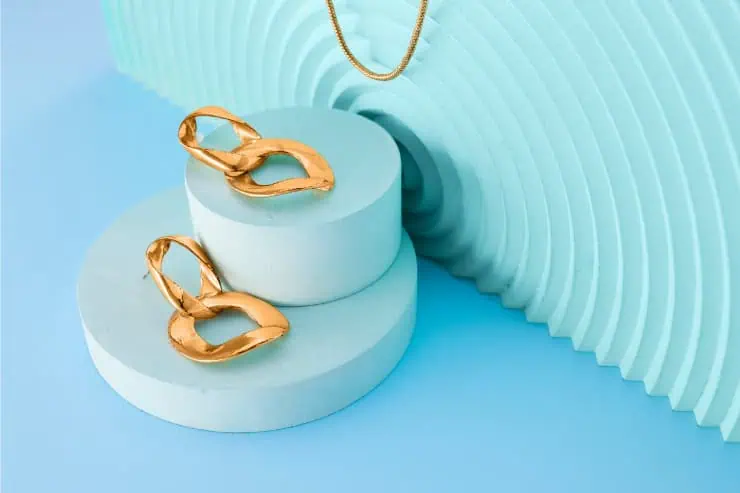
Perfectly coordinated necklace, bracelet, and earring sets were once considered polished and gift-worthy. Now, Gen Z sees them as overly formal and outdated. Matching sets feel rigid and predictable in an era that values individuality and organic styling. Jewelry today is about layering, mixing metals, and wearing pieces that look collected over time rather than purchased together. When everything matches exactly, it can feel like dressing for an occasion that no longer exists. Even beautiful jewelry can look “cringe” if it appears too planned or symmetrical. Gen Z prefers accessories that feel personal, imperfect, and a little undone.
5) Stiff Statement Necklaces Meant to “Dress Up” Basics

The chunky statement necklace designed to elevate a plain top was a go-to style trick for years. Unfortunately, Gen Z now sees this as one of the clearest signs of a dated wardrobe formula. These necklaces tend to sit awkwardly, feel heavy, and visually compete with the outfit instead of enhancing it. Modern accessorizing leans lighter, more layered, and closer to the body. The idea of “adding one bold accessory to make an outfit stylish” feels outdated to a generation that values cohesion over contrast. Statement necklaces often read as forced rather than expressive.
6) Overly Structured Workwear From a Different Era

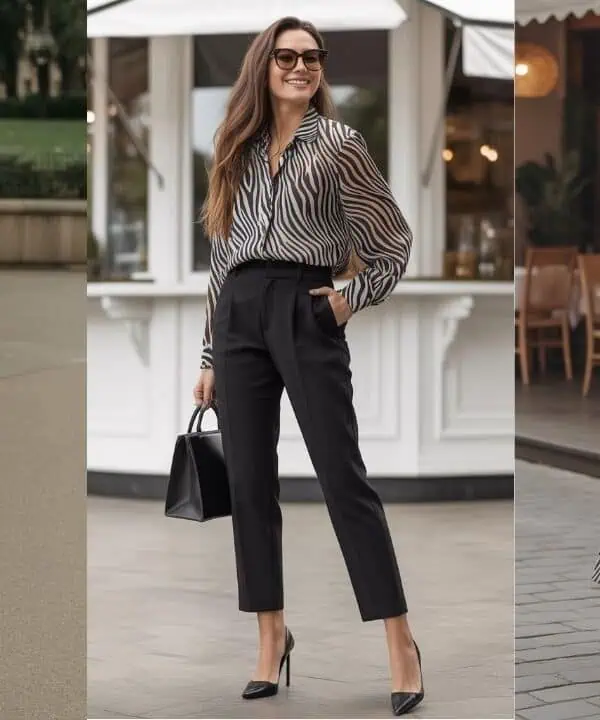
Rigid blazers, stiff pencil skirts, and overly formal office pieces designed for 90s or early 2000s corporate culture immediately signal “not current” to Gen Z. The issue isn’t professionalism it’s the lack of softness and adaptability. Modern workwear emphasizes comfort, fluid tailoring, and versatility between settings. Outfits that look like they belong exclusively in a cubicle feel disconnected from how people actually live and work today. When clothing looks too formal for daily life, Gen Z reads it as costume-like. Even expensive workwear can feel cringe if the cut and structure feel outdated.
7) Low Rise Belts Worn Purely for Decoration

Belts worn low on the hips purely as decoration, especially thin or overly shiny ones, are instantly clocked as throwback styling. Gen Z does reference Y2K fashion, but when these belts appear without irony or modern context, they feel off. Decorative belts from past decades often interrupt the outfit visually and don’t align with current proportions. Today’s belts tend to serve a purpose or act as a subtle accent, not a focal point. A decorative belt that feels glued on rather than integrated can make an outfit look dated rather than intentional.
8) Synthetic Fabrics That Look Shiny or Stiff
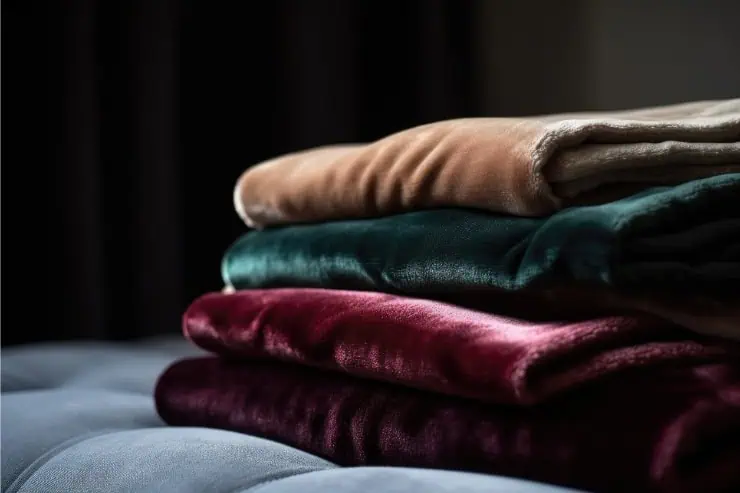
One thing Gen Z is extremely sensitive to is fabric quality. Shiny polyester, stiff acrylic knits, and visibly synthetic materials are often labeled cringe because they signal fast fashion from another era. Even if the garment was once expensive, fabrics that don’t move or breathe well stand out immediately. Gen Z values texture, drape, and authenticity in materials, often preferring natural or matte finishes. Clothing that looks plasticky or overly glossy can cheapen an entire outfit. Fabric choice has become a bigger status signal than brand name, making outdated synthetics especially noticeable.
9) Literal “Dressy Casual” Tops
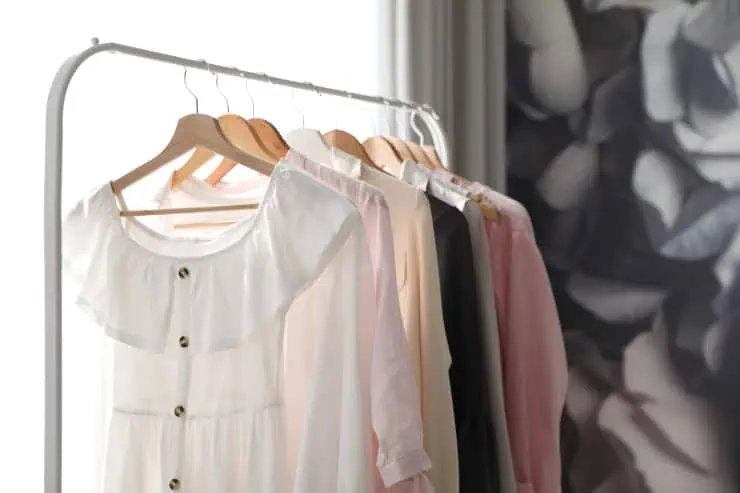
Tops designed specifically to be “nice but not too nice” often featuring odd cutouts, asymmetrical hems, or decorative hardware are a quiet cringe signal. These pieces were popular because they felt safe for dinners or events, but now they read as overly engineered. Gen Z prefers simplicity with intention rather than garments that try too hard to be versatile. These tops often don’t age well because their details tie them to a specific trend cycle. Instead of looking elevated, they can feel awkward and dated, especially when paired with modern bottoms.
10) Shoes That Prioritize Function Over Shape
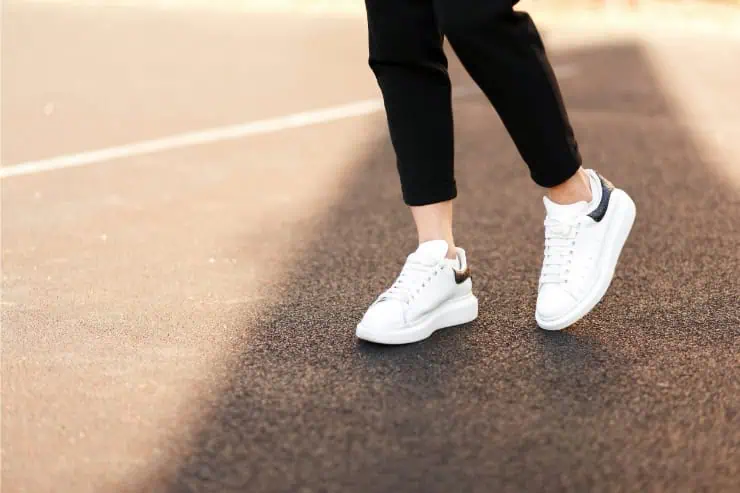
Comfort matters to Gen Z, but not at the expense of proportion. Shoes with thick soles, clunky shapes, or outdated silhouettes are quickly labeled cringe, even if they’re practical. The issue is visual balance. Shoes play a major role in how current an outfit looks, and outdated shapes can undermine everything else you’re wearing. Gen Z gravitates toward footwear that balances comfort with clean lines and thoughtful design. Shoes that look orthopedic or overly technical without intention often feel disconnected from modern style expectations.