Everyone has features worth celebrating, whether it’s your eyes, waistline, collarbones, or curves but the wrong styling choices can unintentionally conceal what makes you shine. Often, these missteps aren’t dramatic but subtle things like fit, color placement, or proportion that work against you instead of enhancing your appearance. Understanding how clothes interact with your body can mean the difference between a flattering look and one that feels off.
Table of Contents
1. Wearing Oversized Clothing All the Time
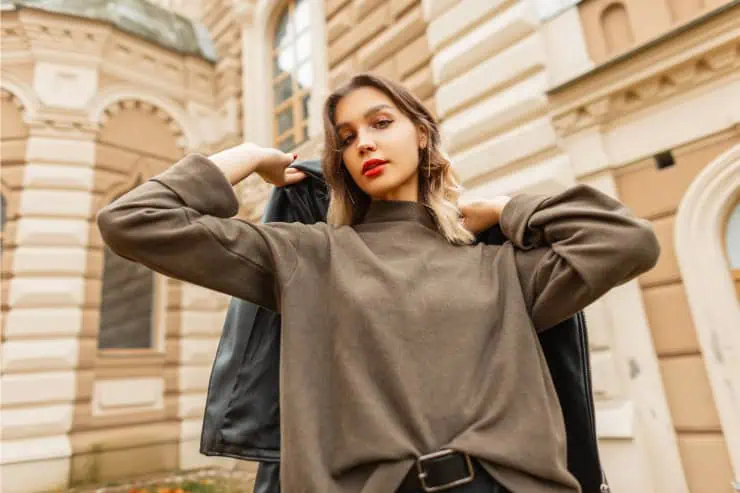
While oversized pieces can feel comfy or look trendy, wearing them constantly can hide your shape entirely. They often drown out curves, waistlines, or defined shoulders, making your body appear shapeless. Oversized silhouettes work best when balanced with fitted elements, like pairing a slouchy sweater with tailored pants or tucking in a loose blouse. If you’re petite or curvy, overly baggy outfits can make you seem shorter or wider than you are. Instead of masking your frame, choose relaxed styles that still follow the contours of your body.
2. Ignoring Necklines That Flatter You
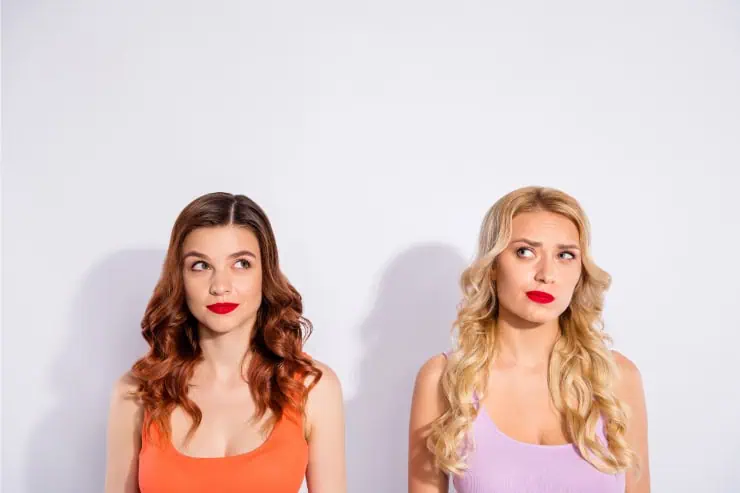
Necklines play a major role in how your face and upper body are perceived. Wearing the wrong neckline can overpower your frame or draw attention away from your best features, such as a graceful neck, strong jawline, or décolletage. For instance, high necks can shorten the look of your neck or conceal collarbones, while deep V-necks elongate and highlight. Women with larger busts might find boat necks or square necklines more flattering, while petite frames often benefit from open necklines.
3. Wearing the Wrong Sleeve Length
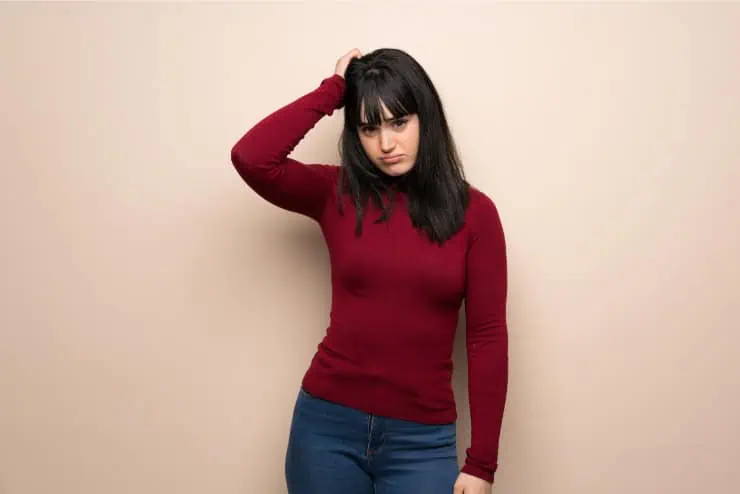
Sleeve length may seem minor, but it significantly impacts how your arms and overall shape appear. Too-long sleeves can make your arms look shorter or bulkier, especially if the fabric bunches awkwardly. On the other hand, cap sleeves can sometimes widen the upper arms unnecessarily. The most flattering lengths often hit just above or below the elbow or at the wrist, points that naturally slim the arm. Three-quarter sleeves are particularly effective for showcasing your wrists and drawing attention to your waist.
4. Not Defining the Waist
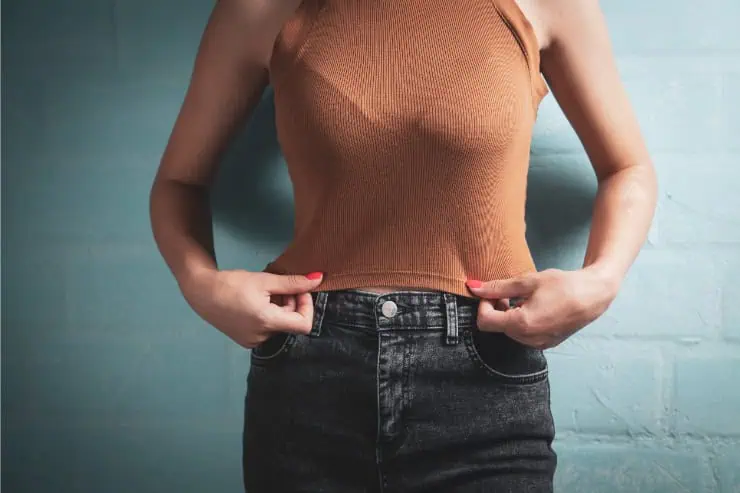
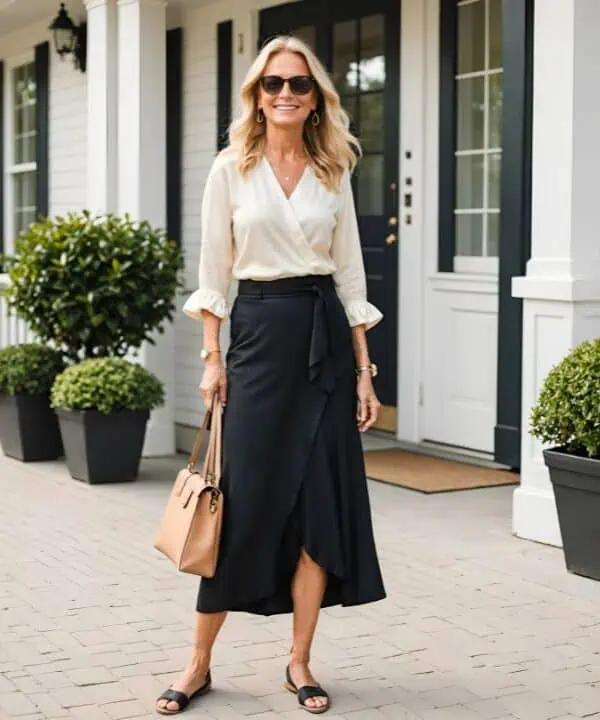
Ignoring your waist altogether, especially with boxy or shapeless outfits, can erase one of the most flattering parts of your silhouette. The waist is a natural focal point that, when defined, creates balance and proportion, even if you aren’t hourglass-shaped. Belts, wrap styles, high-waisted bottoms, or simply a half-tuck can all bring back structure. Even looser styles can benefit from subtle waist definition to avoid a tent-like effect. When you overlook your waist, you risk looking heavier or less polished.
5. Choosing Colors That Don’t Suit Your Undertone
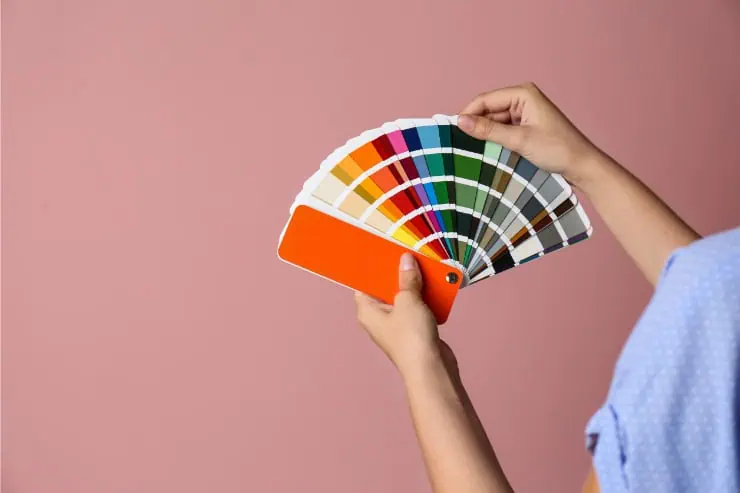
Wearing colors that clash with your skin’s undertone can mute your features, making your eyes look dull or your complexion sallow. If you have warm undertones, cool colors like icy blue or stark black may wash you out. If you’re cool-toned, overly warm shades like mustard or olive can make your skin look tired. When you wear your ideal shades, ones that complement your undertones, your skin glows, your eyes pop, and you appear instantly refreshed.
6. Wearing Prints That Overwhelm Your Frame
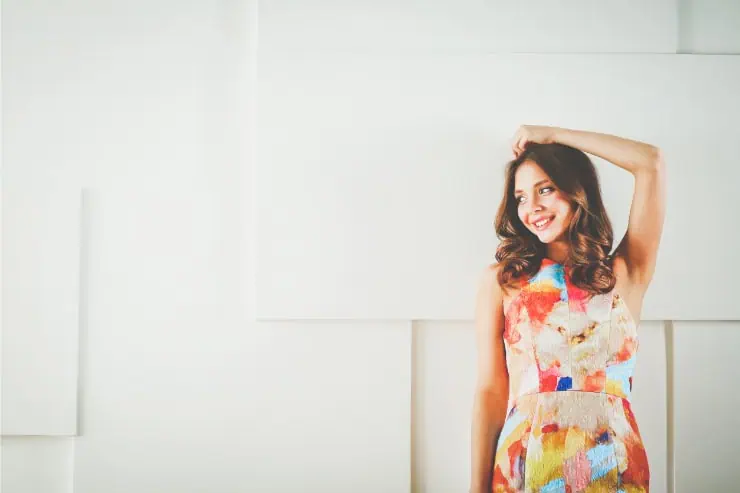
Bold, large-scale prints can easily dominate your look, especially on petite or delicately built bodies. When patterns are too big or busy, they draw attention away from your face and other features, creating visual clutter. Conversely, prints that are too tiny can also make an outfit appear outdated or juvenile. Scale matters: choose prints that echo your bone structure and height, medium prints often strike the right balance. Strategic placement is also key, florals near the bust or stripes on the legs can alter perception.
7. Forgetting to Accessorize Strategically
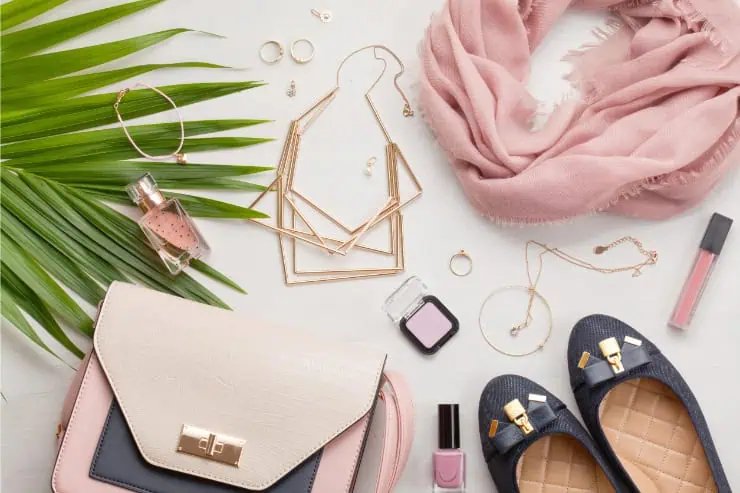
Accessories are the unsung heroes of great styling, and skipping them entirely can make your outfit fall flat. The right earrings can draw attention to your eyes and cheekbones, while a necklace can emphasize a graceful neckline or collarbone. Belts can highlight your waist, and shoes can elongate the legs. However, piling on the wrong accessories, or placing them in the wrong areas can distract instead of enhance. Focus on accentuating your best feature with just one or two well-placed pieces.
8. Wearing Unflattering Pant Cuts
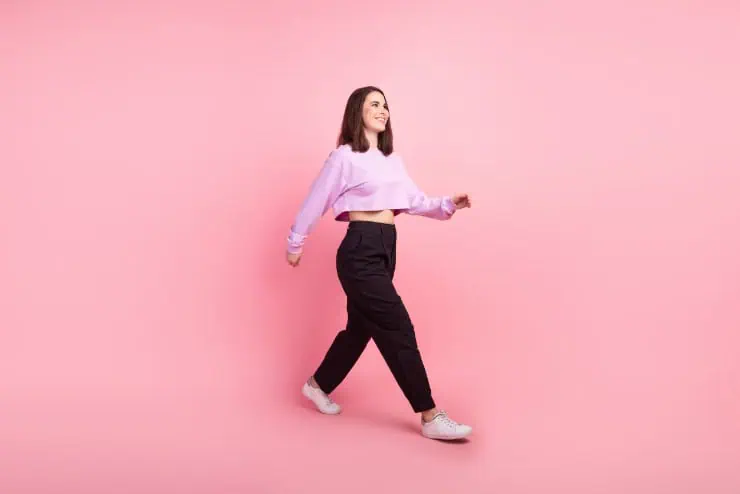
The wrong pant silhouette can do more harm than most realize. Low-rise jeans can emphasize the lower stomach, while overly wide-leg pants might drown a petite frame. On the other hand, skinny styles might overly emphasize areas you’d rather balance. If your legs are a strong point, highlight them with tapered cuts or subtle ankle-baring hems. High-waisted styles can elongate the legs and define the waist. Always consider proportion and shape, pants should enhance, not obscure.
9. Ignoring Hair and Makeup Coordination
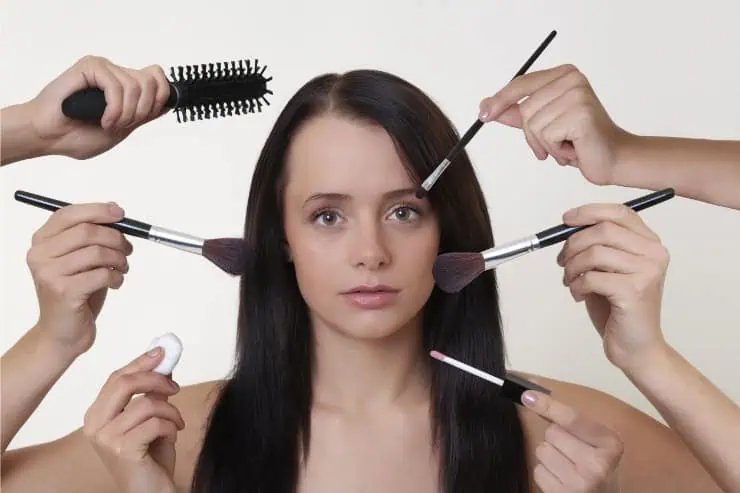
Your outfit might be flawless, but if your hair and makeup don’t complement your style, your best features may still go unnoticed. Heavy makeup can overshadow delicate facial features, while flat hair can make your overall appearance feel dull. Similarly, a dramatic outfit calls for more defined makeup or a sleek hairstyle to keep everything in balance. For instance, pulling hair back can showcase high cheekbones, while a bold lip can light up your face when wearing neutrals.
10. Wearing the Same Silhouette Daily
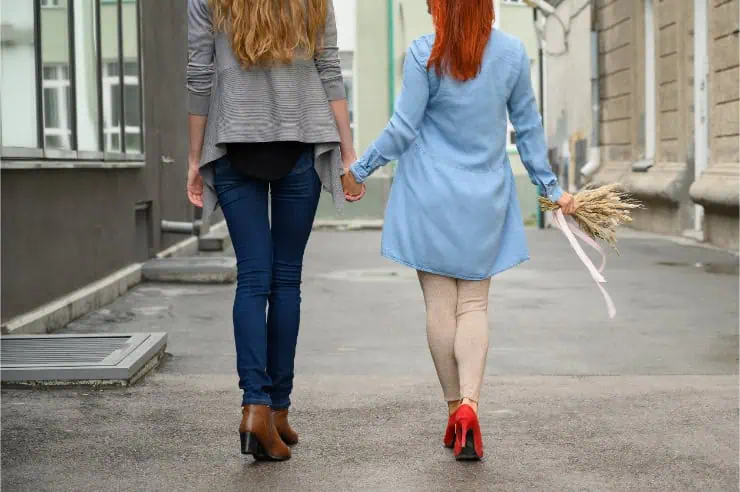
Falling into a styling rut with the same shapes day after day can dull your personal style and hide features you didn’t even realize were flattering. Whether it’s always wearing skinny jeans or oversized tunics, repetition limits how your body is showcased. Switching silhouettes occasionally, like trying wide-leg trousers, A-line skirts, or structured blazers, can uncover features like long legs, defined shoulders, or a narrow waist. Experimenting with new shapes helps you rediscover different angles and avoids visual monotony.