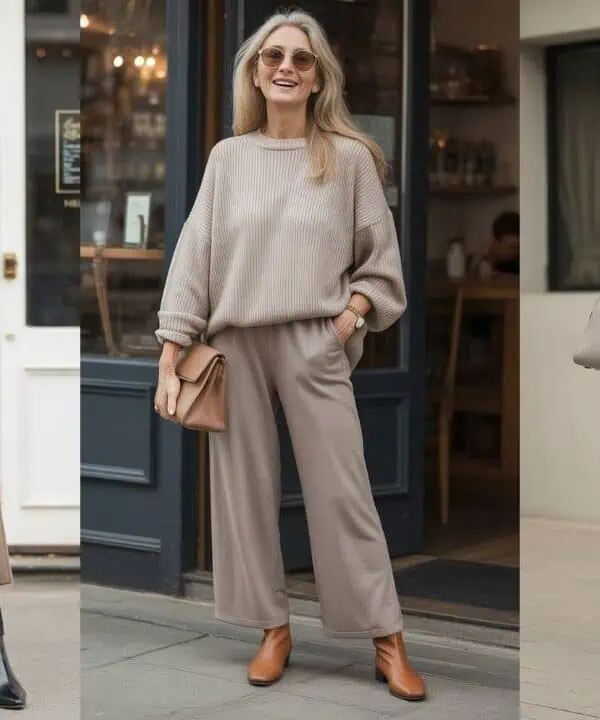
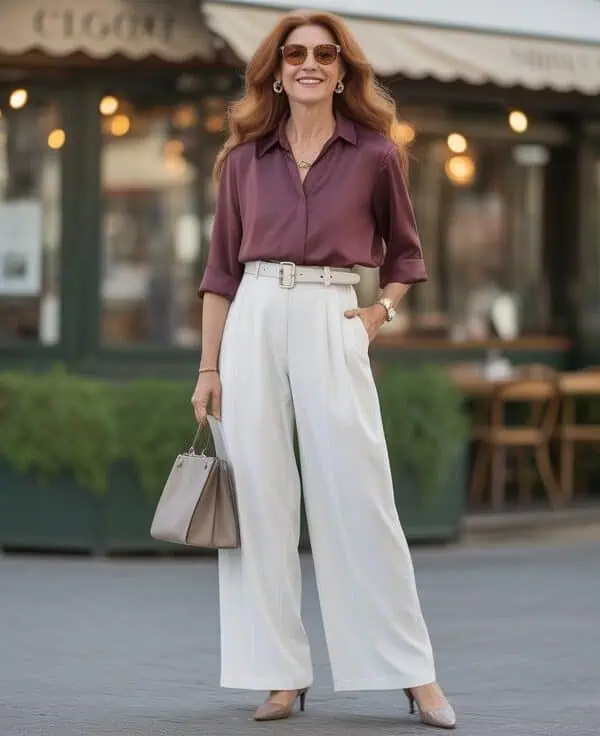
The 1990s produced many iconic fashion moments, but it also cemented a set of style patterns that many women never consciously updated. These patterns were once practical, flattering, or socially encouraged, and over time they became default habits rather than intentional choices. Today, they quietly age even high-quality wardrobes because they reflect outdated ideas about proportion, polish, and femininity. Stylists don’t see the problem as “wearing 90s pieces,” but as following 90s logic in a modern world. Below are ten style patterns that haven’t meaningfully evolved since the 1990s and why letting go of them instantly modernizes how clothes read.
Table of Contents
1. Building Outfits Around Concealment Instead of Proportion

In the 1990s, much of women’s fashion revolved around hiding the body long tops, boxy layers, and loose silhouettes designed to obscure rather than balance. Many women still dress this way, assuming concealment equals flattery. Stylists note that this pattern ages outfits because it removes intention. Modern dressing focuses on proportion, not hiding. Balancing volume, defining structure selectively, and allowing the body’s natural lines to exist reads far more current. When outfits are built to disappear the body, they often feel defensive and dated rather than sophisticated.
2. Treating “Nice” as the Goal
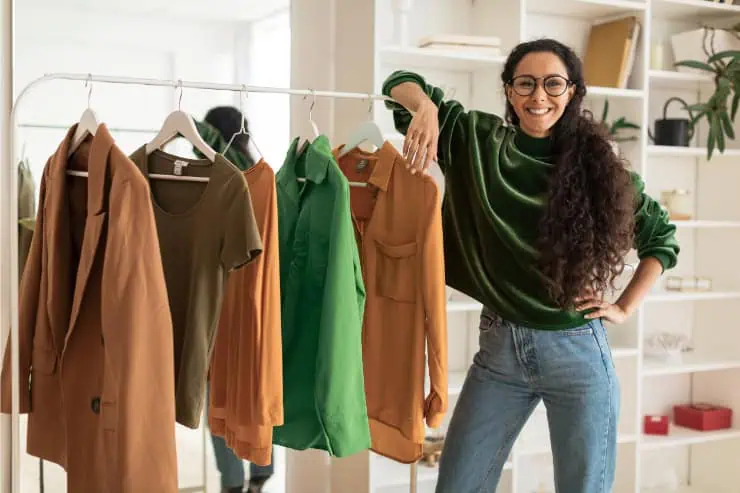
The 1990s emphasized looking “nice,” “appropriate,” and socially acceptable. This mindset still influences many wardrobes today. Outfits assembled to look nice often lack energy, contrast, or personality. Stylists frequently observe that “nice” outfits age women because they prioritize approval over expression. Modern style values presence, not politeness. When clothes are chosen to avoid standing out, they often blend into the past. Updating this pattern means dressing with clarity and confidence rather than social caution.
3. Perfect Matching as a Sign of Polish

Matching shoes to bags and outfits exactly was once a hallmark of good taste. In the 1990s, coordination equaled sophistication. Today, it signals rigidity. Stylists see this pattern instantly because overly matched outfits feel frozen in time. Modern style favors cohesion, tonal variation, and texture over exact matches. When everything coordinates too neatly, the look feels rehearsed rather than intuitive. Letting go of perfect matching instantly softens and modernizes an outfit.
4. Defaulting to Straight-Leg Pants for Safety
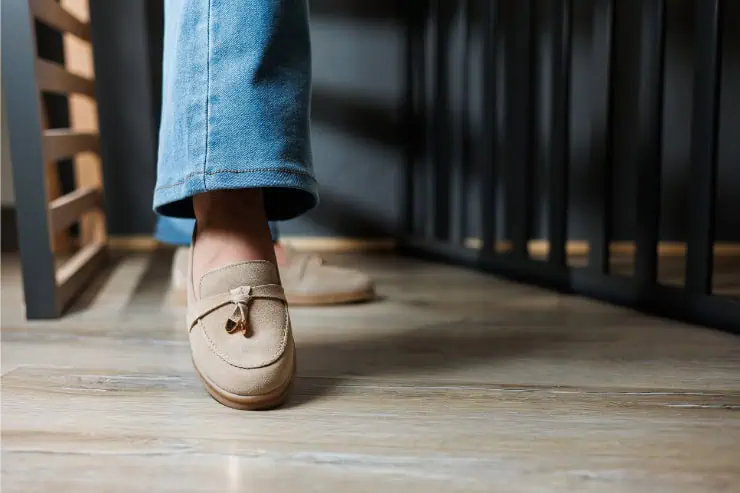
Straight leg pants became the universal safe choice in the 1990s, and many women never moved beyond them. While not inherently wrong, relying exclusively on this shape creates stagnation. Stylists note that silhouettes must evolve with time. Modern pants play with rise, volume, and length to create interest and balance. Wearing the same pant shape decade after decade locks an outfit into a specific era. Updating silhouette doesn’t mean chasing trends it means recalibrating proportion.
5. Wearing Long Tops Over Slim Bottoms as a Formula
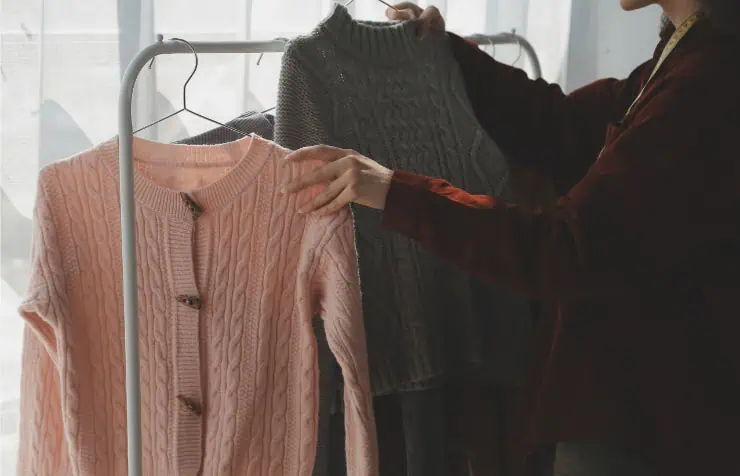
The long top over slim bottoms formula dominated late-90s dressing and remains deeply ingrained. Tunics over narrow pants were designed to conceal hips and thighs, but today they create a top heavy, dated silhouette. Stylists consistently identify this pattern as aging because it relies on fear-based dressing rather than proportion. Modern outfits distribute volume more intentionally, often reversing this formula entirely. Holding onto it signals reluctance to evolve.
6. Treating Comfort and Style as Separate Categories

In the 1990s, comfort often meant sacrificing style, leading to bifurcated wardrobes: “nice clothes” and “comfortable clothes.” Many women still shop this way. Stylists see this pattern age women because modern fashion integrates comfort and style seamlessly. When outfits default to either extreme too stiff or too sloppy they feel out of sync with contemporary life. Updating this mindset allows wardrobes to feel relevant and lived-in rather than divided.
7. Over Pressing and Over Finishing Everything

Crisp creases, stiff fabrics, and perfectly pressed garments were once essential markers of polish. Today, they often feel formal and old-fashioned. Stylists note that modern style values movement and texture. Clothes that look too finished can feel disconnected from real life. Allowing softness, drape, and ease into garments instantly updates their appearance. Over-finishing signals adherence to outdated standards of presentation.
8. Dressing Around Rules Instead of Identity
The 1990s reinforced rigid style rules: cover arms, hide flaws, dress for your age, avoid standing out. Many women still follow these rules unconsciously. Stylists identify rule-based dressing as one of the strongest aging patterns because it removes individuality. Modern style is personal, fluid, and self-directed. When outfits are built around rules rather than identity, they lack vitality and feel trapped in the past.
9. Treating Accessories as Decoration Rather Than Design
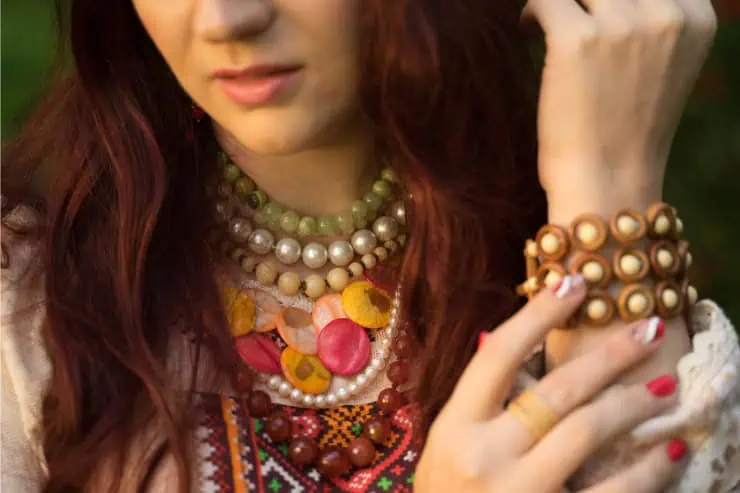
Accessories in the 1990s were often add-ons matching earrings, statement necklaces, decorative scarves. Today, accessories are structural. Stylists see outdated patterns when accessories feel ornamental rather than intentional. Modern accessories support proportion, contrast, and balance. When accessories exist only to decorate, they often age an outfit by recalling older styling logic.
10. Dressing to Blend In Rather Than Take Up Space
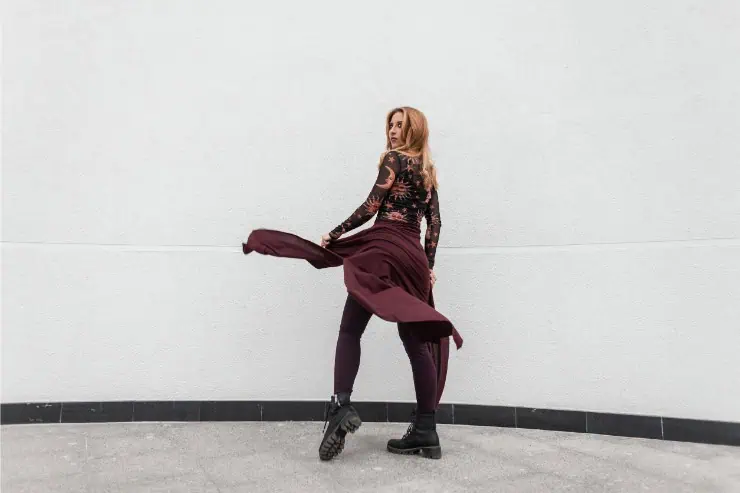
Perhaps the most enduring 1990s pattern is dressing to avoid attention. Many women were taught that blending in was safer and more respectable. Stylists recognize this immediately in cautious color choices, conservative silhouettes, and forgettable combinations. Modern style rewards presence and clarity. Letting go of the need to disappear is often the final step in updating a wardrobe that’s been quietly stuck since the 1990s.