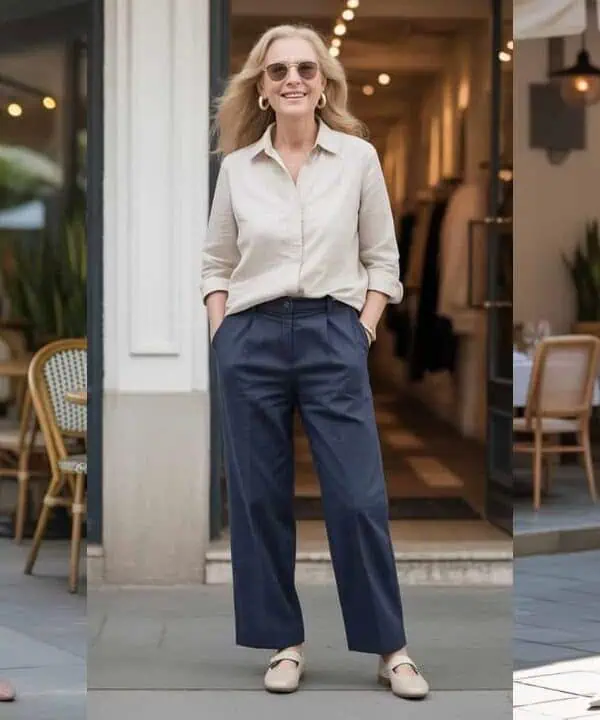
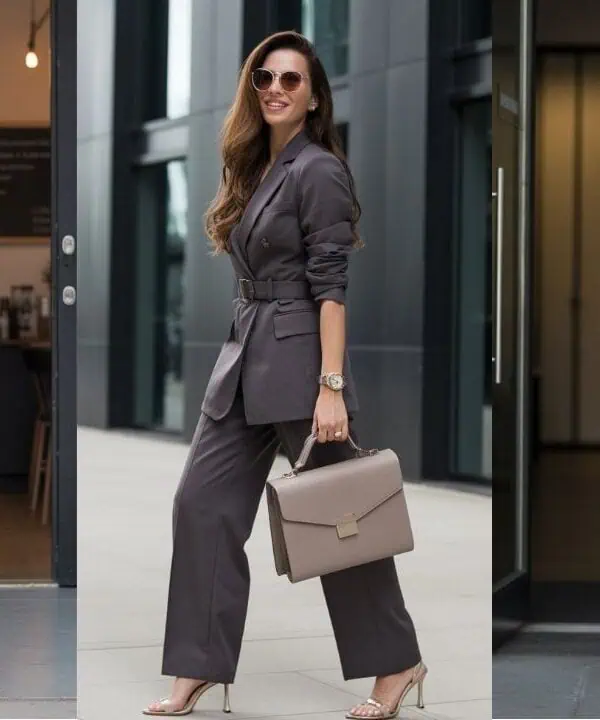
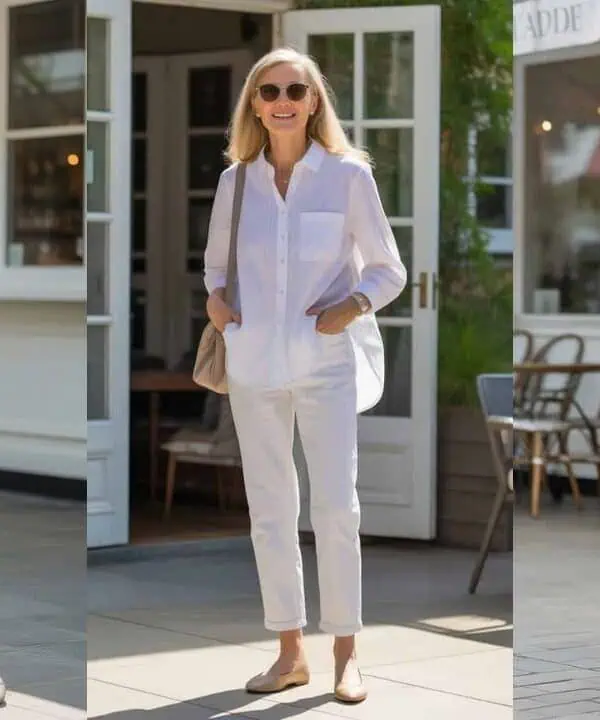
As women over 60 embrace more confidence and freedom in their style, it’s important to be mindful of details that can unintentionally make outfits feel bulky or dated. Heavy-looking outfits don’t necessarily come from the weight of fabrics but from the way elements are styled, oversized layers, dark combinations, or clunky accessories can all add visual weight. Thankfully, with a few simple adjustments, these common mistakes can be avoided. The goal isn’t to dress younger but to feel lighter, more balanced, and modern in your clothes.
Table of Contents
1. Wearing All-Dark Outfits Without Contrast

All-black or dark ensembles can look elegant, but without any variation in tone or texture, they risk feeling flat and heavy. After 60, it’s especially important to add contrast near the face, think a light scarf, metallic earrings, or a patterned blouse beneath a dark jacket. Playing with lighter neutrals like taupe, ivory, or dusty rose can soften your look and lift your overall appearance. Instead of hiding behind dark layers, try mixing in brightness. It doesn’t take much to create balance and bring life back into a monochrome outfit.
2. Over-Layering Without Proportion
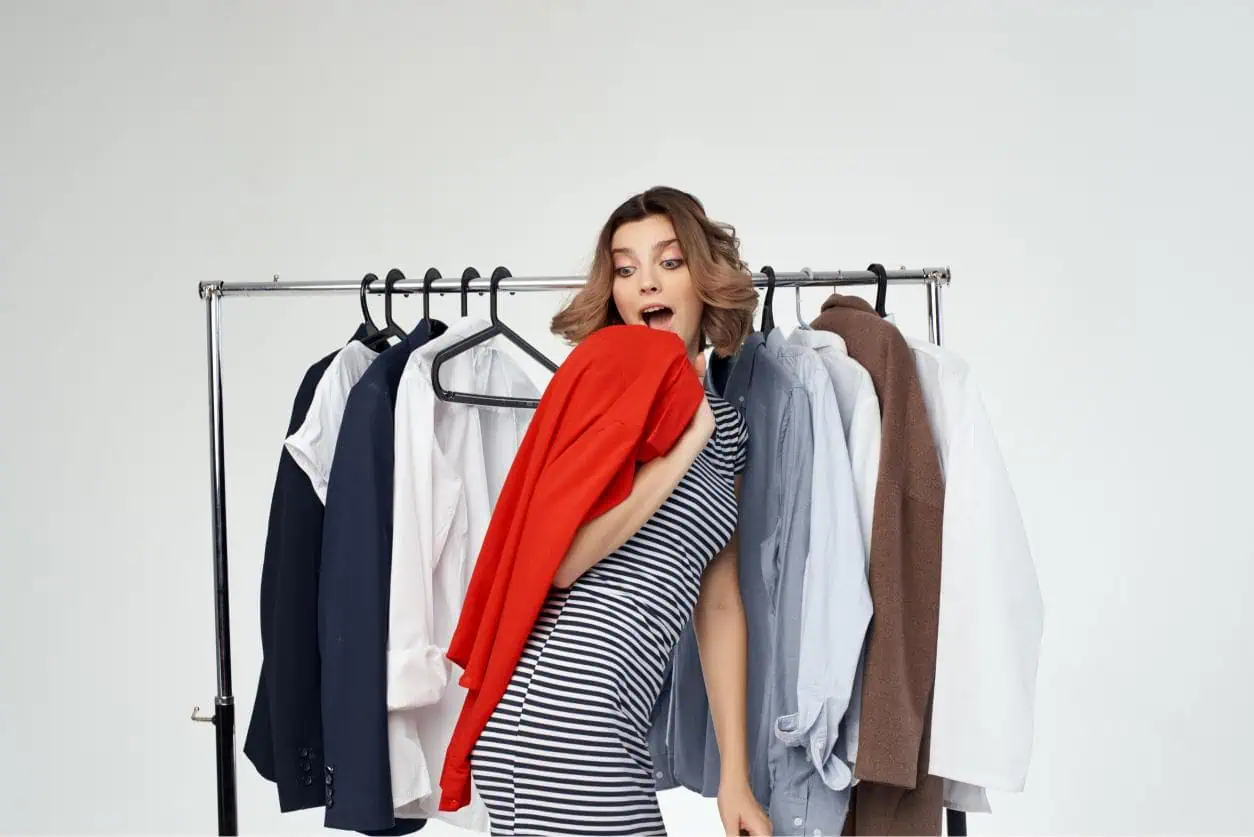
Layering adds dimension, but piling on too many bulky pieces, like cardigans over tunics over wide pants, can overwhelm the frame. For petite or shorter women especially, this creates a boxy silhouette. To maintain visual lightness, combine fitted and loose elements: a slim base layer with a flowy duster or a structured blazer over a soft blouse. Be strategic with where volume is added and break up fabric bulk with a belt or open neckline. The right proportion keeps the outfit from dragging you down.
3. Choosing Chunky Footwear with Delicate Outfits
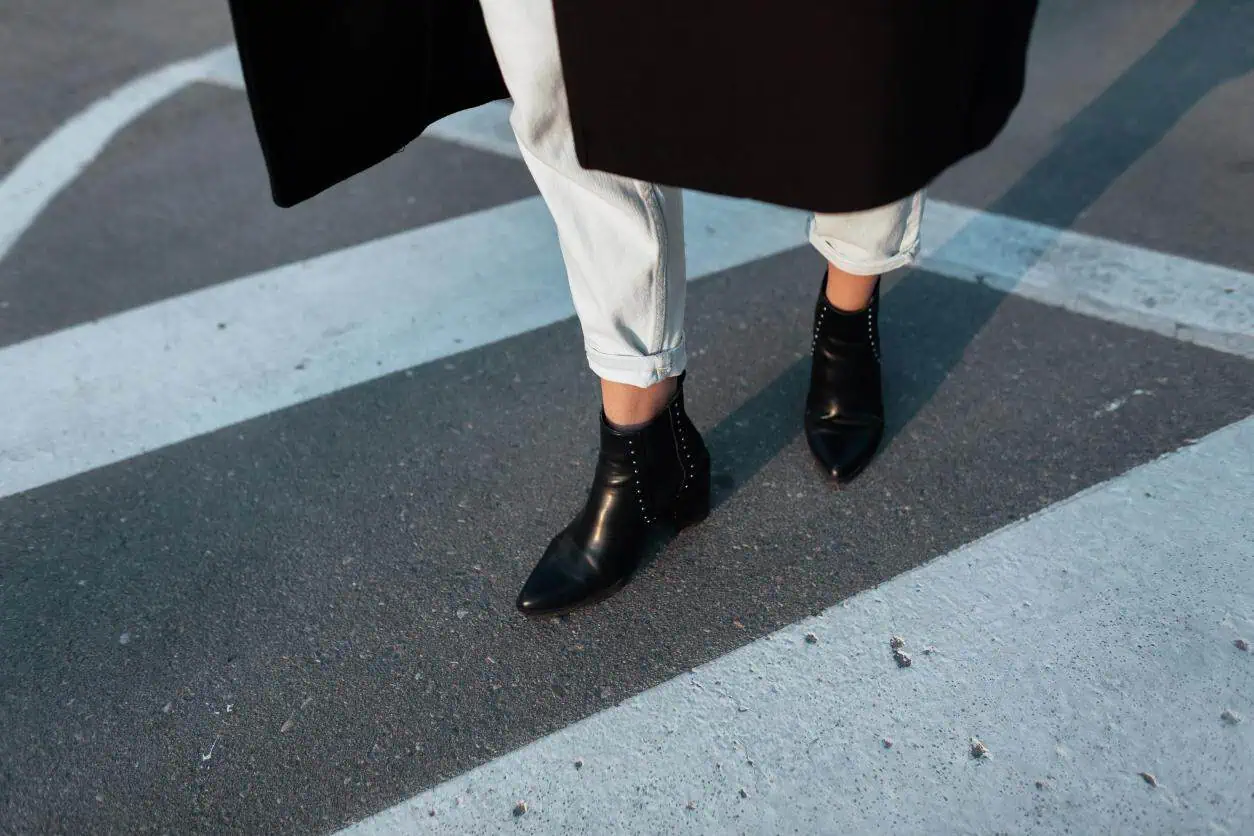
While support and comfort matter, overly bulky shoes paired with soft dresses or skirts can throw off the look completely. Shoes with thick soles or heavy embellishments can make outfits feel bottom-heavy. A better approach is to opt for sleeker, supportive options, like streamlined loafers, refined sneakers, or low block-heeled sandals. Footwear should complement not contrast, your clothing’s tone. Harmonizing your shoe choice with your outfit’s silhouette helps maintain balance and elegance, especially in summer when outfits tend to be lighter.
4. Ignoring Fabric Weight and Drape
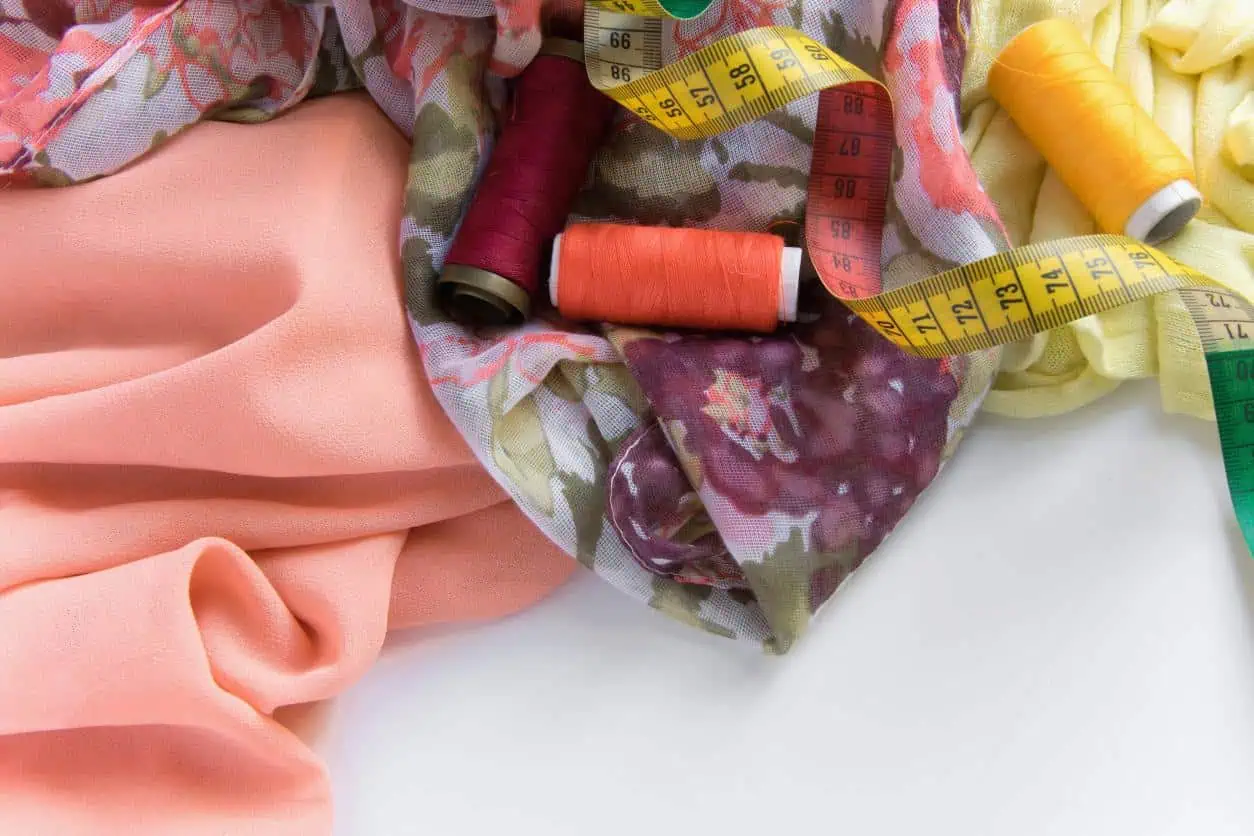
Thick, stiff fabrics tend to hold their shape in a way that can add bulk, especially when combined with oversized cuts. On the other hand, overly clingy materials may accentuate areas you’d rather skim over. The sweet spot lies in medium-weight fabrics that flow and move with the body, think rayon blends, soft cottons, or lightweight knits. When shopping, feel the fabric before buying. If it feels stiff or spongey, it might add volume rather than flatter your shape. The right drape can work wonders in lightening your entire look.
5. Wearing Boxy Cuts from Head to Toe
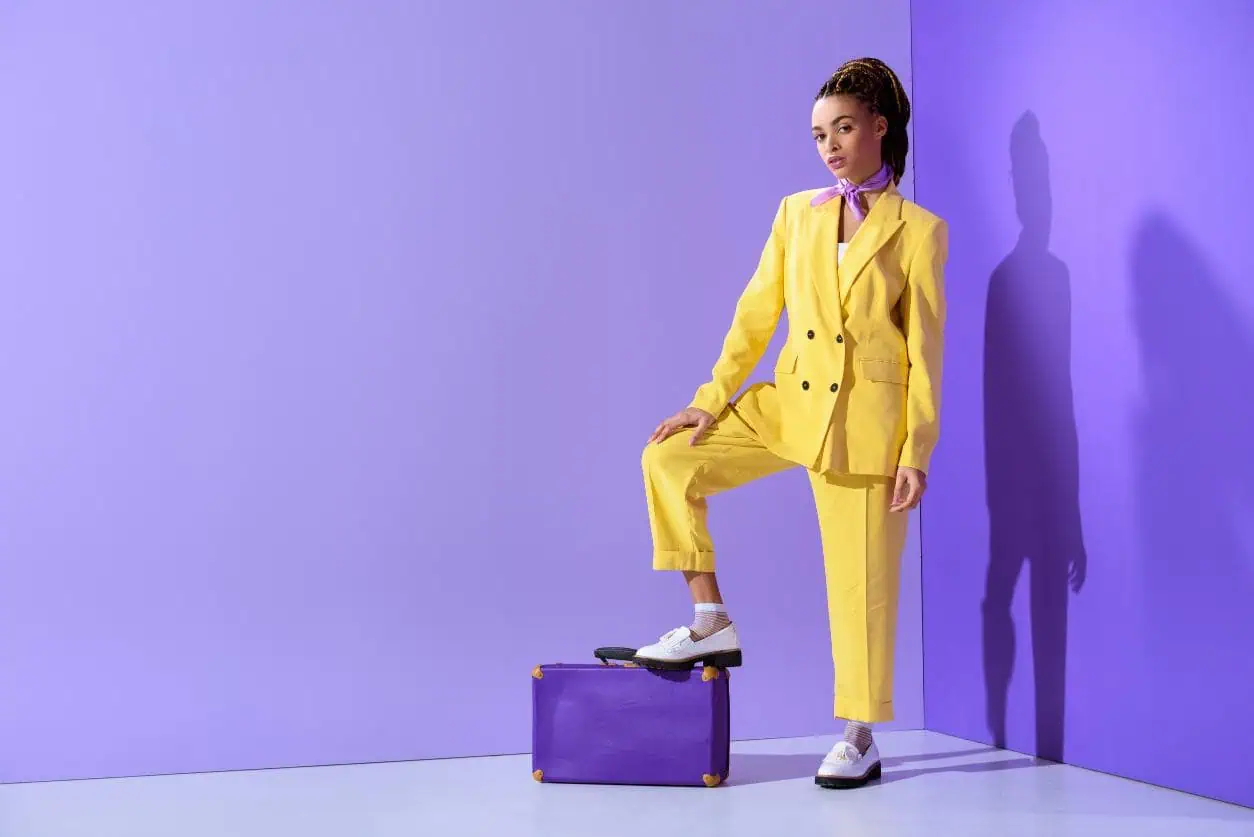
While boxy tops or wide-leg pants have their place, wearing both at once can drown your shape. This mistake often stems from trying to feel “covered,” but it sacrifices definition. Instead, pair loose tops with slimmer bottoms or balance flowy pants with a fitted tee or tank. Cinching your waist with a belt or opting for a jacket with shaping seams can instantly add structure. When an outfit lacks any shape, it can feel visually heavy and aged. Strategic tailoring makes all the difference.
6. Using Heavy Jewelry That Overpowers
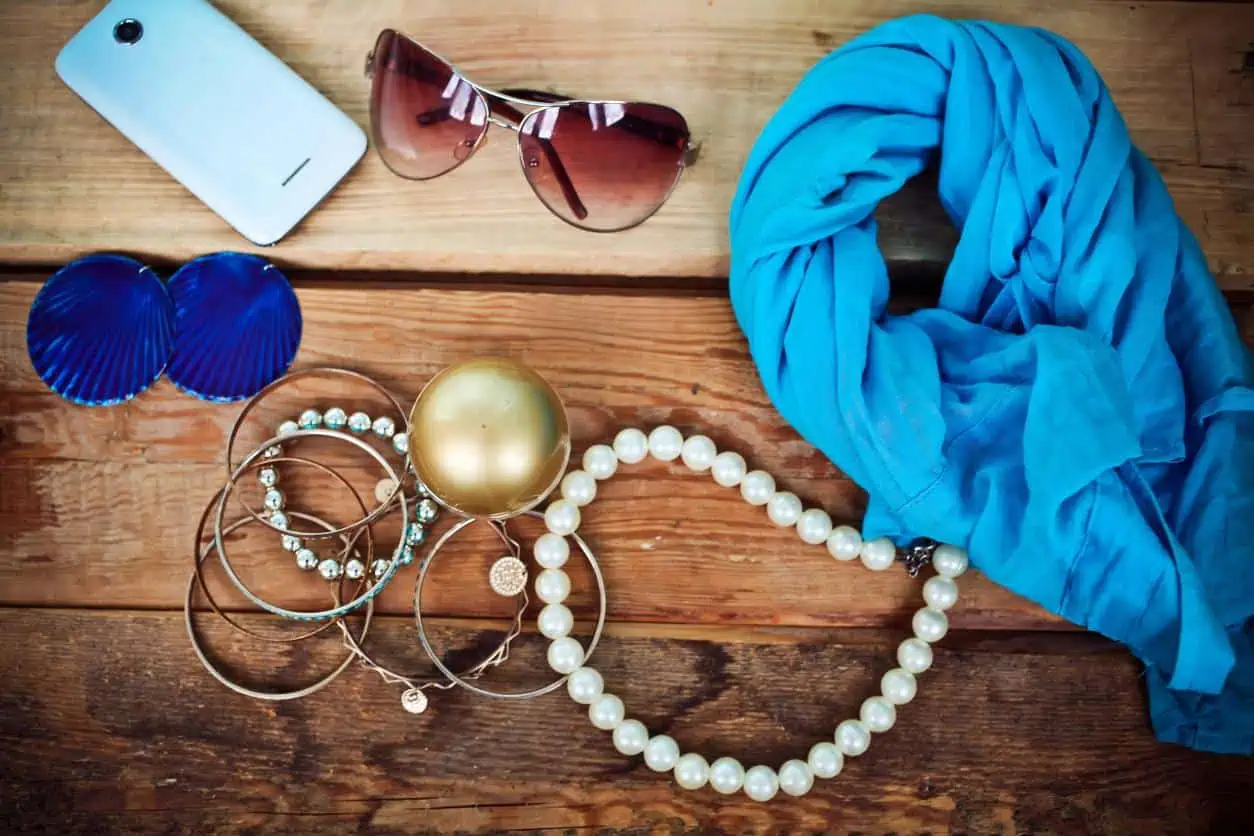
Bold jewelry can be stylish, but pieces that are oversized or overly layered can dominate an outfit. Heavy necklaces or chunky bracelets may distract rather than enhance. For a more refined effect, opt for medium-scale accessories with shine or color that draw the eye upward. Dainty chains, hoop earrings, or a sleek pendant offer elegance without weight. Jewelry should complement the look not compete with it. When in doubt, less is more, especially when trying to create a lighter, fresher ensemble.
7. Choosing the Wrong Bag Size
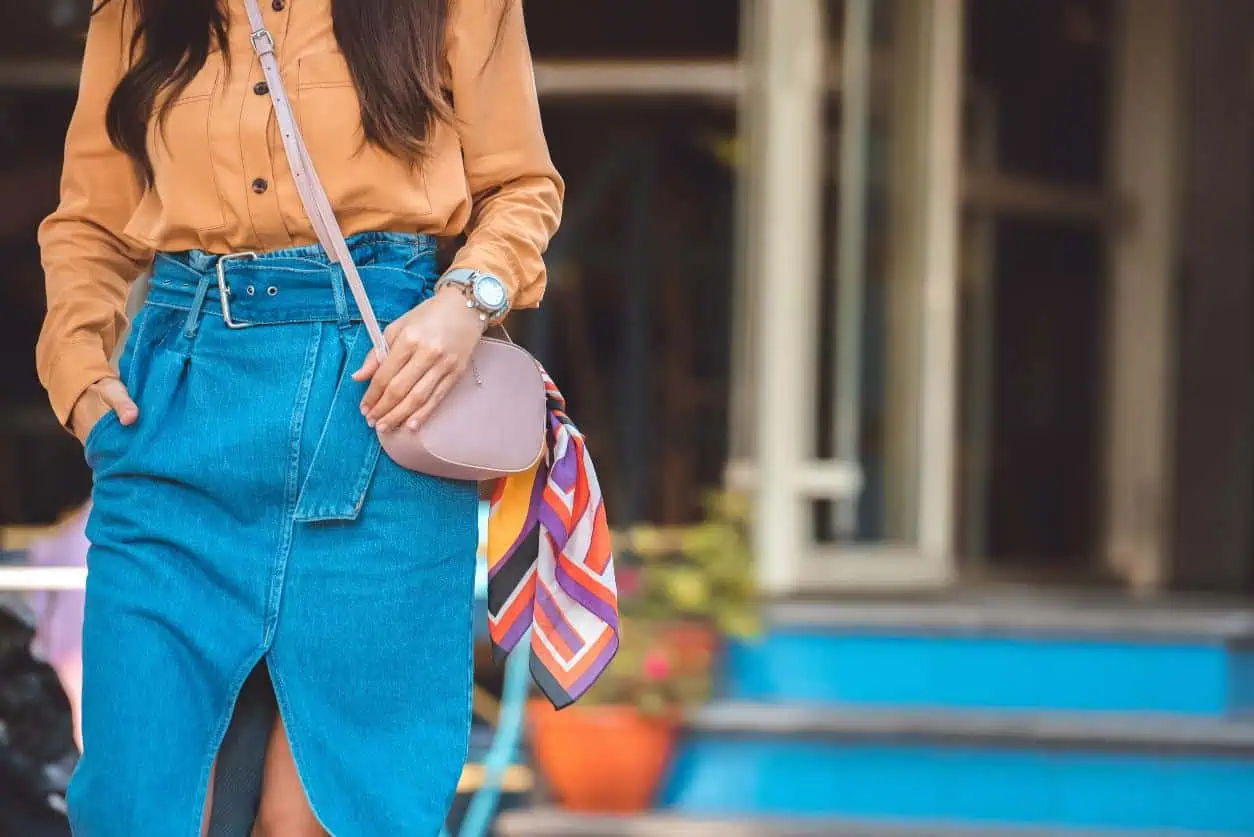
Large handbags may be practical, but they can throw off the scale of an outfit, especially if they’re oversized relative to your height. Carrying an extra-large tote with a delicate blouse and pants combo can make the outfit feel off-balance. Try downsizing to a medium crossbody, a structured satchel, or a compact backpack for daywear. These options still hold essentials while keeping your overall look neater and lighter. Scale matters when every element of your look is working together to maintain balance.
8. Sticking to Stiff, Long Jackets
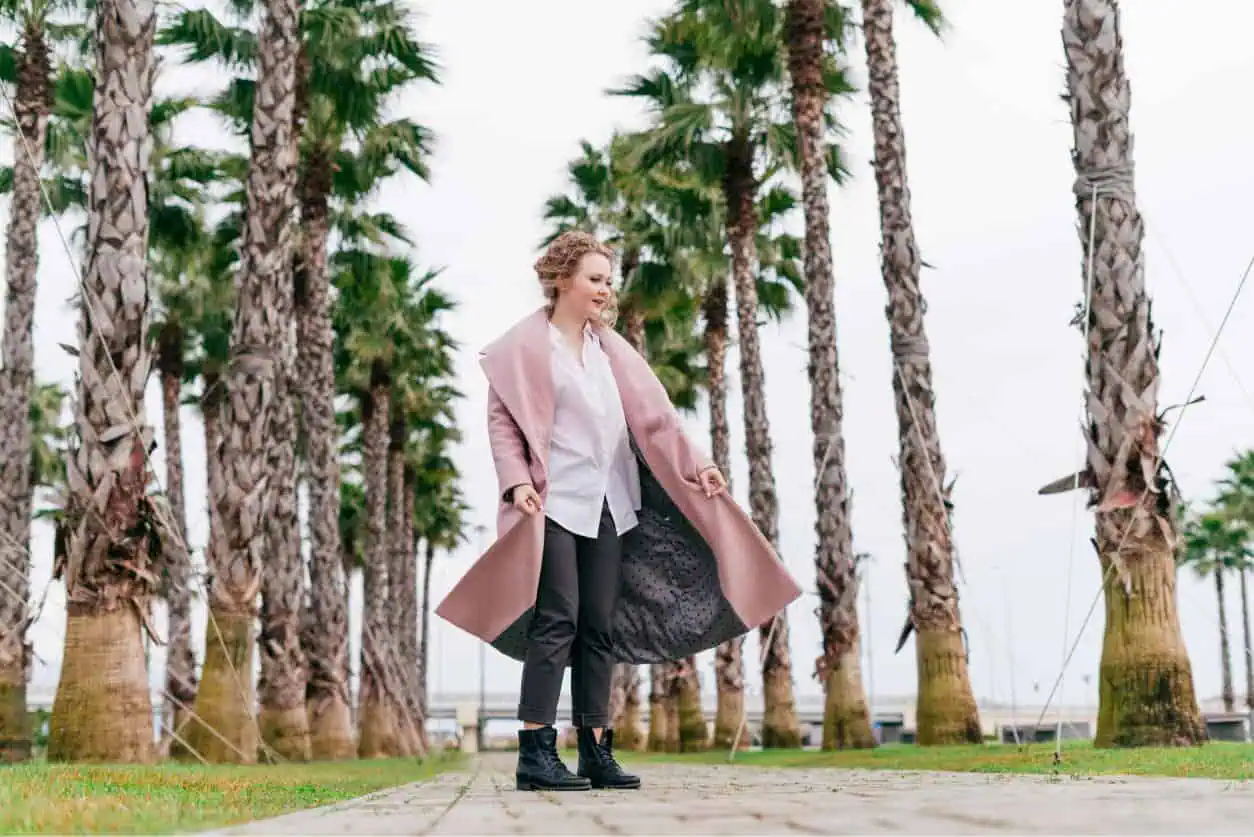
Overly long or rigid jackets can weigh down an outfit quickly. Trench coats or wool coats with no movement tend to box in your shape, especially when worn with wide trousers or midi skirts. Try opting for cropped jackets, soft wrap styles, or lightweight dusters with movement. These create vertical flow and keep the outfit from looking anchored or bottom-heavy. Shorter jackets also help elongate the legs, creating a sense of height and airiness. A soft, well-cut topper can transform a look entirely.
9. Wearing Too Many Accessories at Once
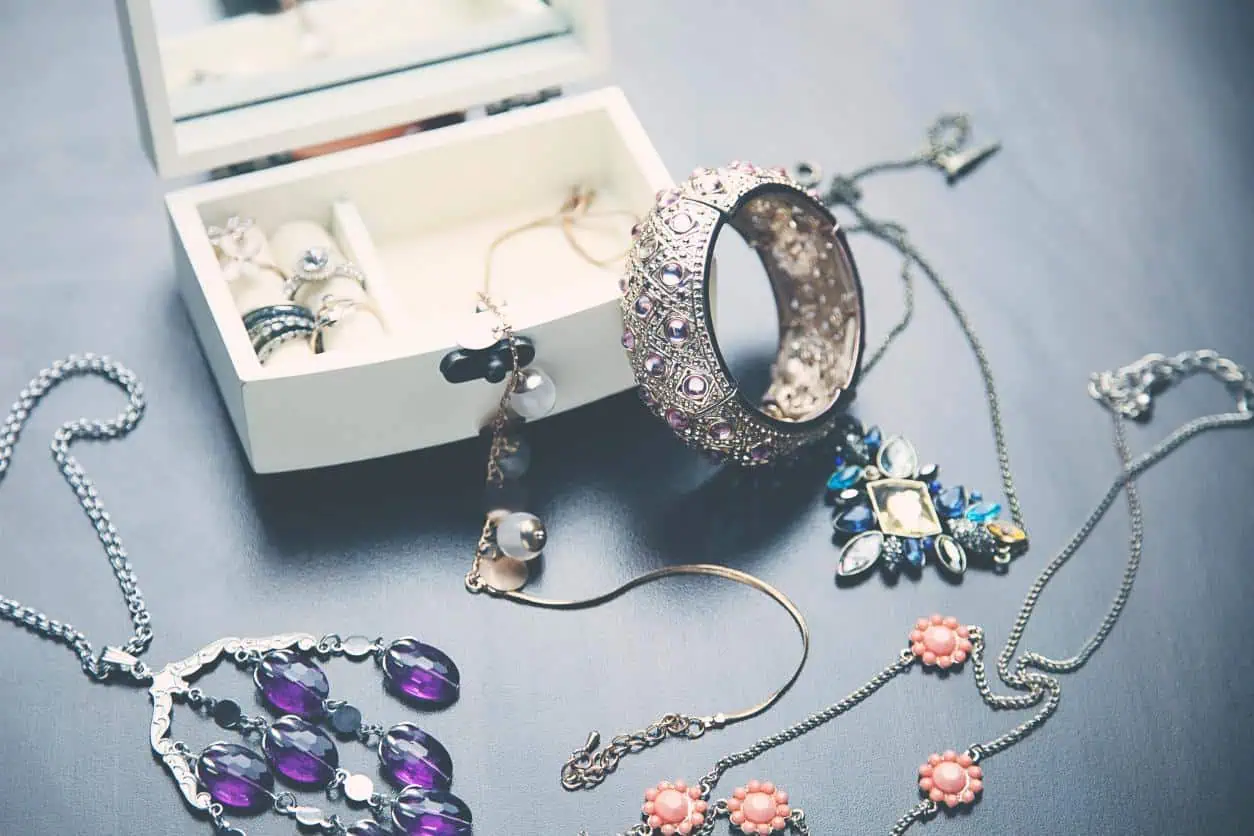
Adding too many finishing touches scarves, hats, statement jewelry, belts can clutter an outfit and make it feel overdone. While each accessory may be lovely, they compete for attention when worn all together. Mature style shines with intentional simplicity. Choose one or two standout pieces per outfit to keep the focus clear. A silk scarf or a bold necklace? Yes. Both with a hat, oversized glasses, and bangles? Probably too much. Leave space for your clothes and your personality to speak.
10. Forgetting to Define the Waist

An undefined waist can create a shapeless appearance, especially in looser garments. Though comfort is key, a little waist definition can instantly elevate an outfit. This doesn’t require anything tight or restrictive, just thoughtful styling. A drawstring, a soft tie belt, or a tapered top can highlight your figure without clinging. Women over 60 aren’t trying to look like they’re 30, they’re simply aiming for balance. A hint of shape creates polish and makes an outfit feel more thoughtfully styled.Top of Form