A beautifully balanced silhouette can transform even the simplest outfit. Stylists understand that the human eye loves proportion, harmony, and visual flow so they use clever tricks to guide attention, elongate the figure, and create structure. Whether it’s pairing opposite volumes, defining the waist, or choosing the right hemlines, mastering balance is the key to looking effortlessly pulled together. These silhouette tricks aren’t about hiding your shape they’re about enhancing it so your clothes flatter you instead of fighting you.
Table of Contents
1. Pair Volume With Slimmer Pieces
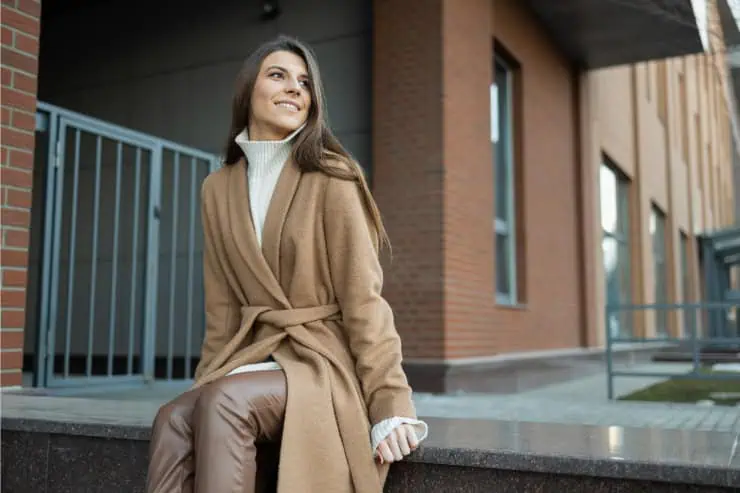
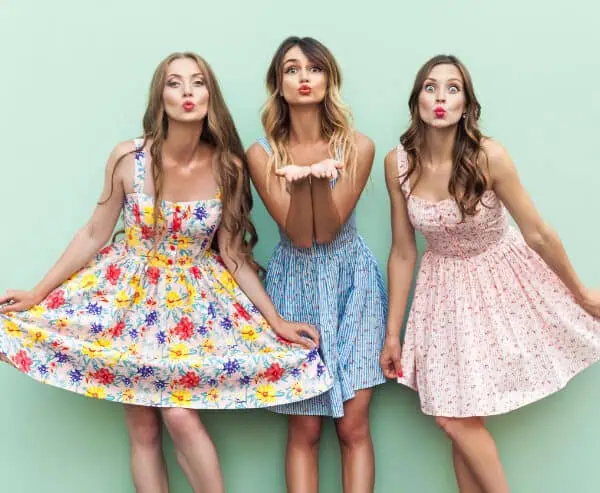
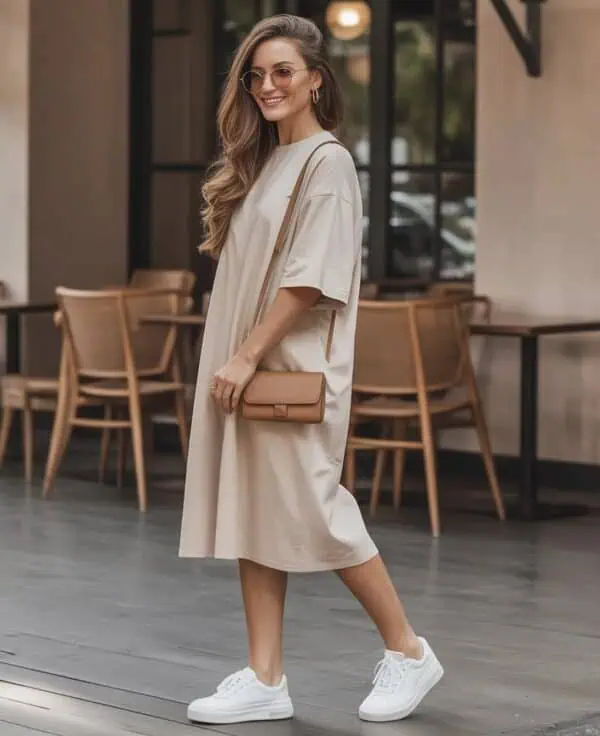
This is one of the foundational silhouette rules stylists rely on. When one part of the outfit is voluminous like a full skirt, wide-leg pants, oversized coat, or slouchy sweater it needs to be balanced with something more streamlined. A slim top highlights the elegance of wide trousers; a fitted bottom prevents an oversized knit from looking sloppy. This contrast creates a harmonious shape that feels intentional rather than overwhelming. If both pieces are too loose, the outfit can swallow your figure. If both are too tight, it loses sophistication.
2. Use the Rule of Thirds for Better Proportions
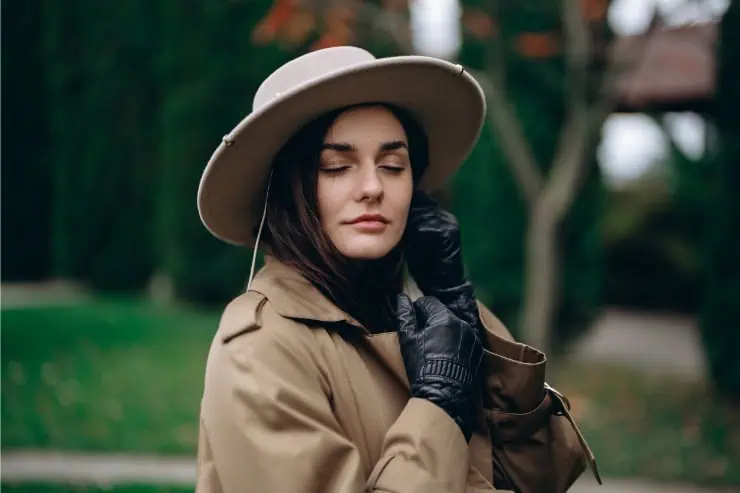
Stylists rarely divide an outfit in half. The eye naturally prefers a 1/3 to 2/3 ratio because it feels more dynamic, flattering, and visually interesting. For example, a cropped jacket over longer trousers creates the perfect 1/3 (jacket) to 2/3 (bottom) balance. Tucking a shirt transforms a look into this golden proportion as well. Midi skirts also follow this principle by hitting at a natural breaking point. When your outfit respects this ratio, your silhouette instantly looks taller, sleeker, and more polished. It’s a simple trick with dramatic impact on your overall style.
3. Define the Waist Even Lightly to Create Shape
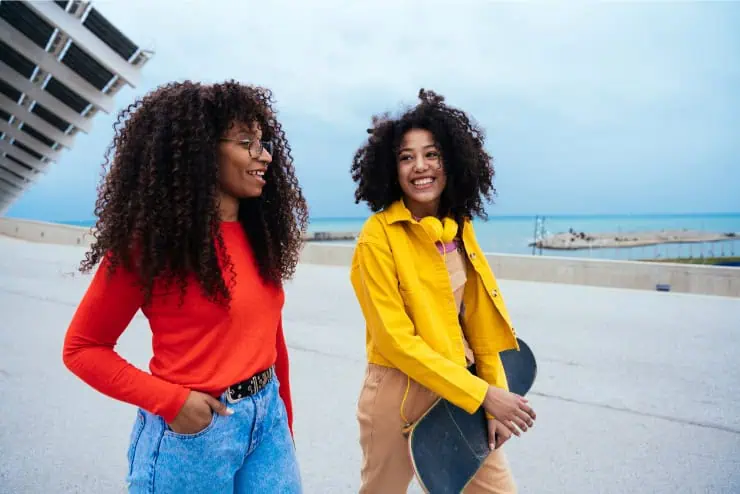
You don’t need a tight belt or a cinched dress to create a flattering waistline. Stylists subtly define the waist using half-tucks, tailored seams, cropped layers, or adjustable drawstrings. Highlighting the waist provides structure and prevents outfits from looking shapeless or bulky, especially in winter. Even in looser silhouettes, a suggestion of a waist like a coat that nips in slightly or a top that blouses gently makes the entire outfit feel intentional.
4. Match Necklines to Your Top Layer’s Shape
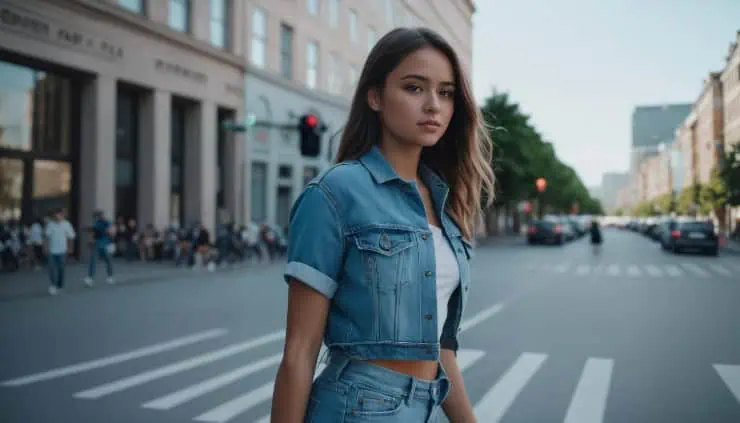
Stylists know that necklines dramatically influence the overall silhouette. A high-neck top under a structured blazer elongates the torso, while a V-neck softens broader shoulders or adds vertical length. If your outer layer has a sharp or angular opening, pairing it with a fluid neckline creates harmony. Similarly, pairing a scoop-neck top with a longer necklace draws the eye downward and lengthens your frame. When your necklines align with the structure of your outfit rather than compete with it you achieve a clean, balanced silhouette that enhances the upper body beautifully.
5. Use Strategic Hemlines to Elongate the Body
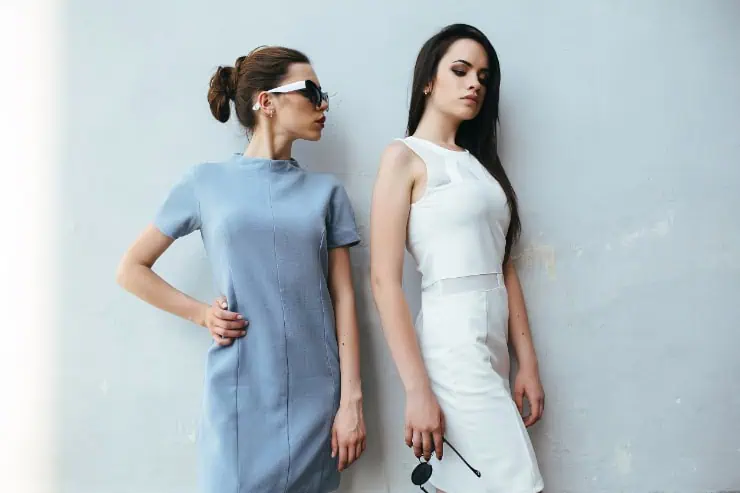
A well-chosen hemline does more than finish an outfit it shapes how the eye travels. Stylists choose hemlines that hit at flattering points: just below the knee, at the ankle bone, or mid-thigh for layering pieces. Pants that graze the top of the shoe create a long, elegant line. Coats that hit mid-calf appear sculptural and slimming. By avoiding hems that cut across the widest part of the leg or torso, you maintain sleek proportions.
6. Balance Heavy Fabrics With Clean Lines

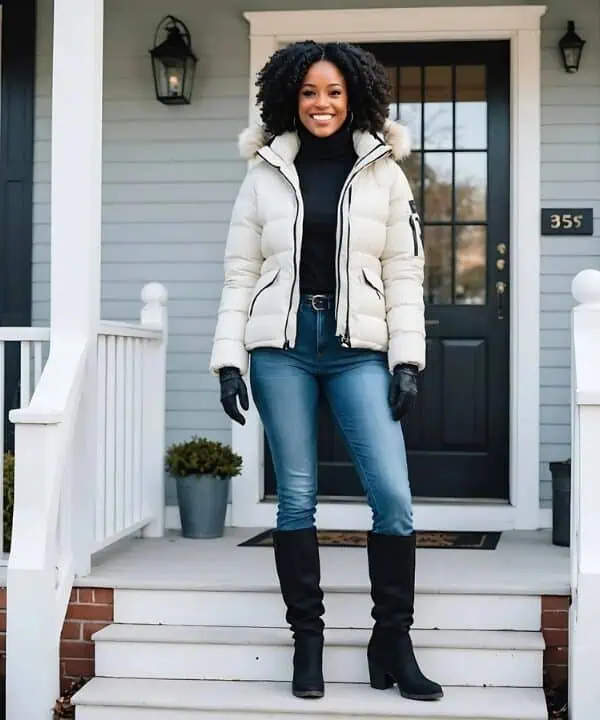
Wool, tweed, sherpa, and quilted layers can add bulk, especially in winter. Stylists counter this weight with structured seams, vertical details, or minimal layering underneath. For example, when wearing a thick coat, the underlayer should be slim and smooth so the silhouette remains sleek. Heavy boots are balanced by tailored trousers; chunky knits work well with straight skirts. Choosing pieces with strong tailoring prevents bulky fabrics from overpowering your frame.
7. Use Vertical Lines to Create Length
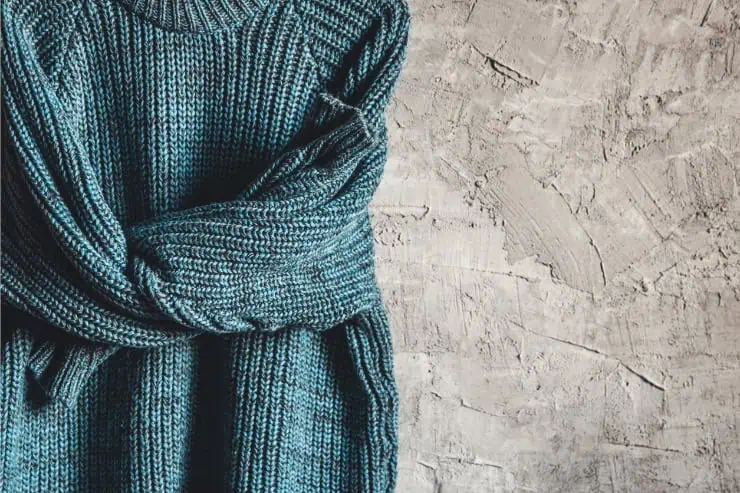
Vertical elements from long cardigans to column silhouettes to center seams create the illusion of height and slimness. Stylists often use long layers, vertical ribbing, scarves worn straight down, or monochrome outfits to draw the eye upward and downward. This uninterrupted line smooths the silhouette and prevents visual chopping. Even simple choices, like keeping your coat open or choosing pants with a crease, add verticality.
8. Add Height Through Subtle Proportion Tweaks
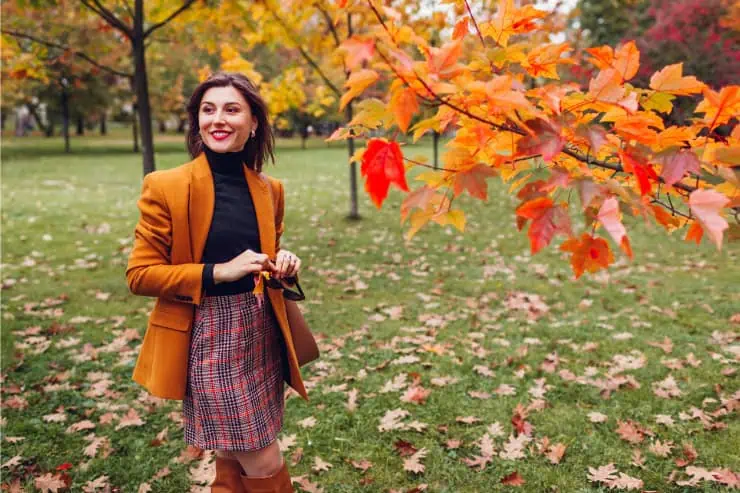
Stylists frequently use small adjustments to create balance: slightly cropped pants that show the ankle, a shorter jacket that lifts the eye, or shoes with a modest sole that add structure. These tweaks don’t require heels or dramatic pieces they’re simply thoughtful proportions that change how the body is perceived. Exposing the slimmest part of the leg, lifting the waistline visually, or choosing tops with vertical movement all help balance your shape.
9. Choose Footwear That Complements the Outfit’s Weight
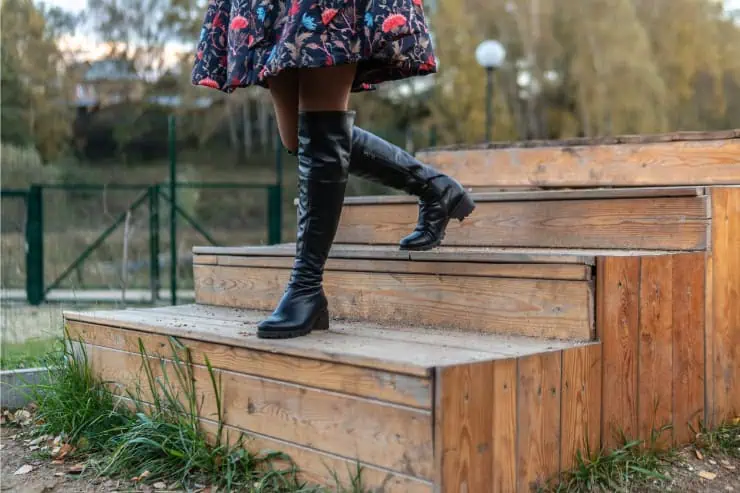
Shoes have an enormous impact on silhouette. Heavy boots paired with delicate trousers can look bottom-heavy, while thin ballet flats may feel too delicate under chunky winter layers. Stylists match the “weight” of the shoe to the overall outfit: sleek shoes with tailored pieces, slightly chunky soles with relaxed silhouettes, and structured boots with strong outerwear. This keeps the proportions cohesive from head to toe. When the shoe complements rather than competes with the outfit, the silhouette looks intentional, grounded, and well-balanced.
10. Anchor the Look With One Strong Structural Piece
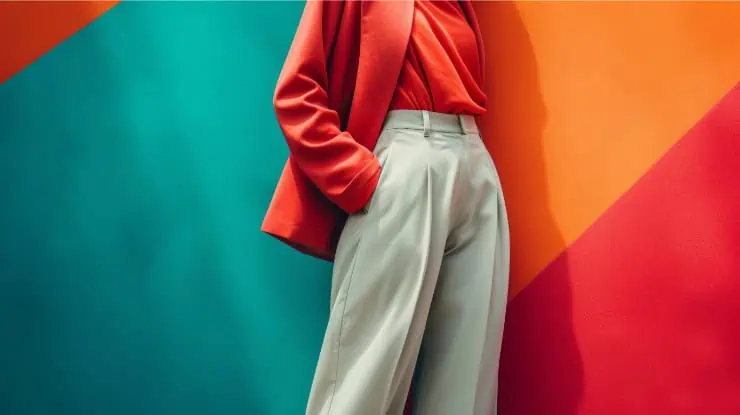
Every great outfit needs a grounding element a piece that shapes the silhouette and gives it authority. Stylists often use a tailored blazer, sculptural coat, crisp trousers, or a structured bag to anchor softer pieces. This structural item prevents the outfit from feeling too flowy, too casual, or too unformed. Even if the rest of the outfit is relaxed or minimalist, one architectural piece adds polish and balance. It creates a visual focal point and guides the eye, making the entire silhouette feel refined and complete.