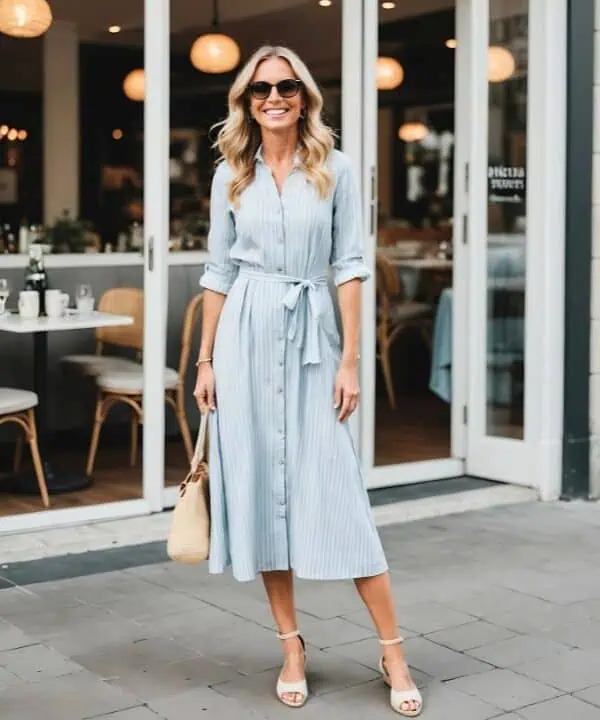
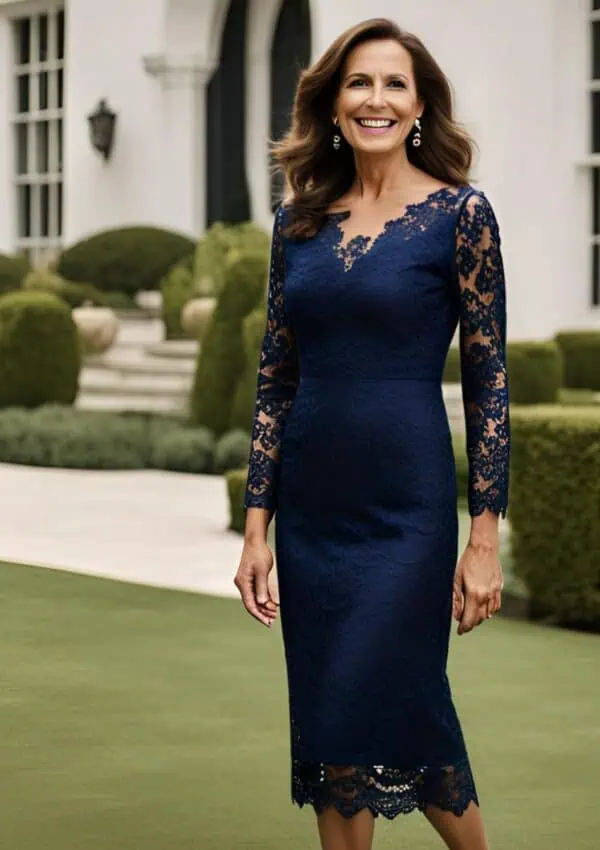
Looking expensive isn’t about designer price tags, it’s about knowing how to create a polished and elevated appearance through smart styling. Women who consistently look put-together know that details make the difference: tailored fits, clean silhouettes, and thoughtful accessories all play key roles. You don’t need to spend a fortune to achieve a high-end aesthetic. With a few styling tricks, even budget-friendly pieces can exude sophistication. Whether it’s choosing the right fabric, mastering layering, or investing in versatile basics, these 10 secrets will help you craft a luxurious look for less, no splurging required.
Table of Contents
1. Choose Neutrals Over Loud Prints
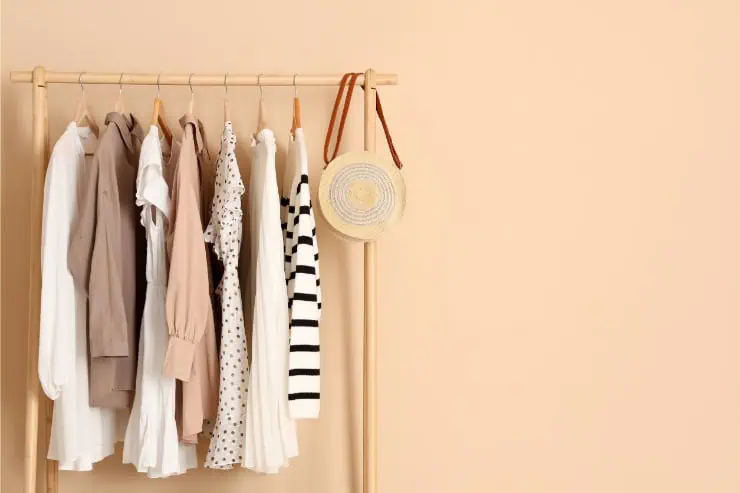
Neutral colors like beige, ivory, navy, camel, black, and soft greys always look timeless and refined. They’re less likely to appear dated and tend to mimic the understated luxury found in high-end designer wardrobes. Loud prints can sometimes cheapen a look, especially if the print is overused or poorly executed. Neutrals also pair seamlessly, making your wardrobe more versatile without the need to buy more pieces. Creating tonal or monochrome outfits in muted shades can instantly elevate your appearance.
2. Prioritize Tailored Fits

An inexpensive garment can look high-end if it fits you perfectly. Tailoring your clothes, even just adjusting sleeve or pant lengths, can instantly elevate their look. Well-fitted clothing creates a structured, elegant silhouette that feels custom-made. Baggy or ill-fitting outfits, even if expensive, often appear sloppy. Investing in minor alterations makes a world of difference and helps inexpensive items appear intentional and polished. Pay close attention to shoulder seams, hem length, and how fabric drapes on your body.
3. Opt for Structured Bags
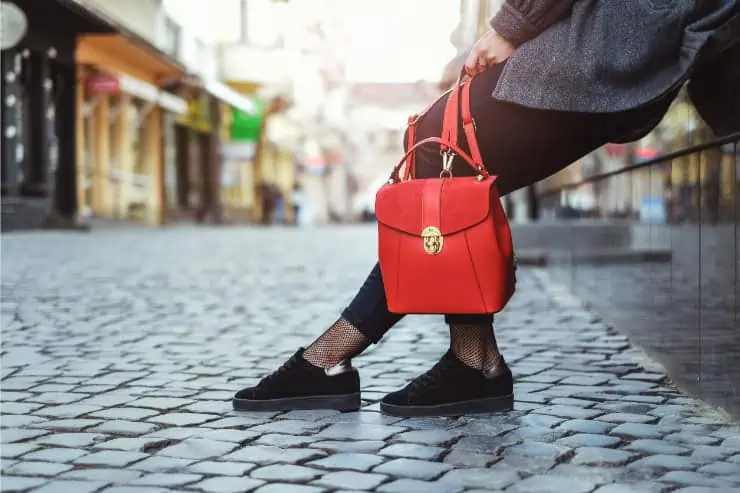
Bags with clean lines and a structured silhouette tend to look more expensive than slouchy, unshaped ones. A handbag in faux leather or canvas with a defined frame, minimal hardware, and a classic shape can rival designer styles at a fraction of the cost. Avoid over-embellished bags or loud logos, which often signal lower-quality trends. Neutral-colored bags in tan, black, or cream go with almost everything and give off a luxurious vibe.
4. Stick to Simple Jewelry
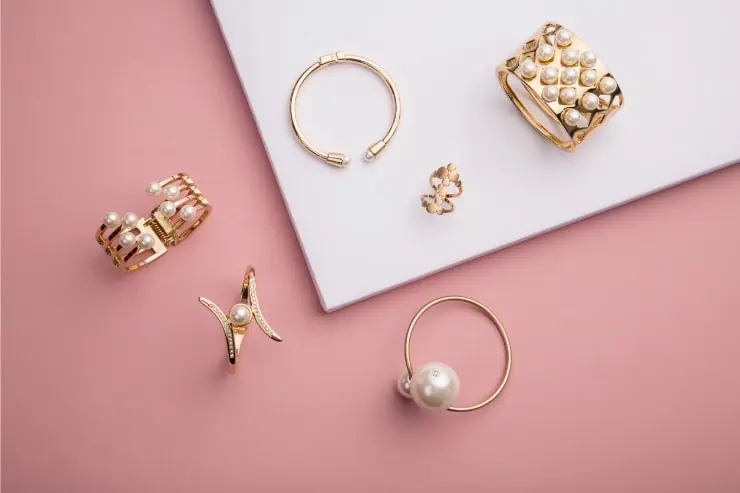
Statement jewelry can be fun, but when it comes to looking expensive, less is more. Delicate gold or silver pieces, dainty rings, hoop earrings, and minimalist necklaces lend a refined, intentional look. Avoid overly shiny or chunky costume jewelry, especially in fake gold tones that may tarnish quickly. Subtle shine adds just enough glamour without drawing too much attention to itself. A sleek watch or a pearl stud can quietly suggest affluence without being showy. Quality over quantity always wins, choose one or two polished pieces rather than layering multiple inexpensive accessories.
5. Maintain Clean Lines and Minimal Design
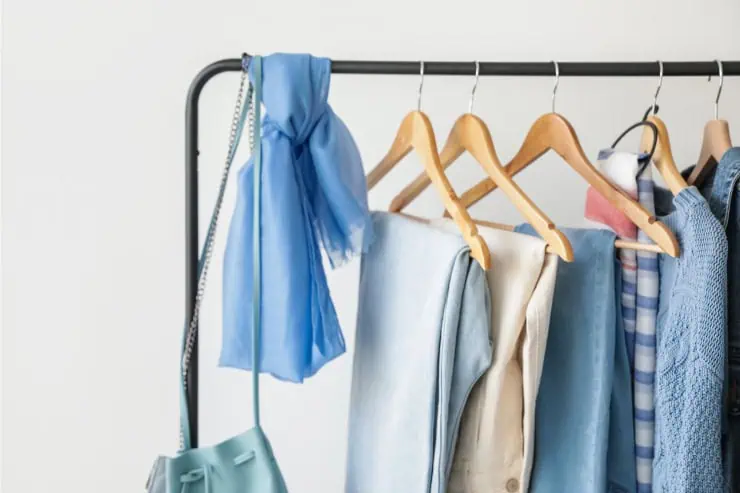
Outfits with simple silhouettes and clean lines tend to appear more luxurious than overly complex or trendy styles. Streamlined tailoring, well-placed darts, and subtle details like pleats or seams give clothes a crisp, modern edge. Avoid overly distressed jeans, excessive ruffles, or embellishments that distract from the overall shape of the garment. Minimalism projects quiet confidence and control, which are often associated with wealth and sophistication. Pieces like a fitted blazer, a pencil skirt, or wide-leg trousers in solid colors exemplify this look. The absence of excess allows quality, real or perceived, to shine through, giving even simple outfits presence.
6. Choose High-Quality Fabrics (Even in Small Pieces)
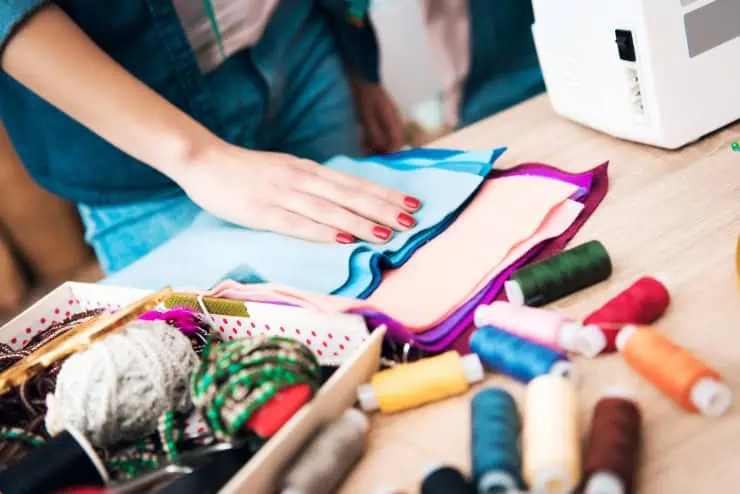
Even inexpensive clothes can look high-end if they’re made from quality fabrics. Look for cotton poplin, linen blends, twill, and soft knits instead of overly synthetic materials like polyester that may appear shiny or stiff. Textured fabrics such as bouclé, ribbed knits, or faux suede offer depth and dimension, mimicking designer appeal. You don’t have to overhaul your whole wardrobe, just swapping out a basic tee for one in organic cotton, or a blouse in silky viscose, makes a visible difference.
7. Keep Shoes Polished and Neutral
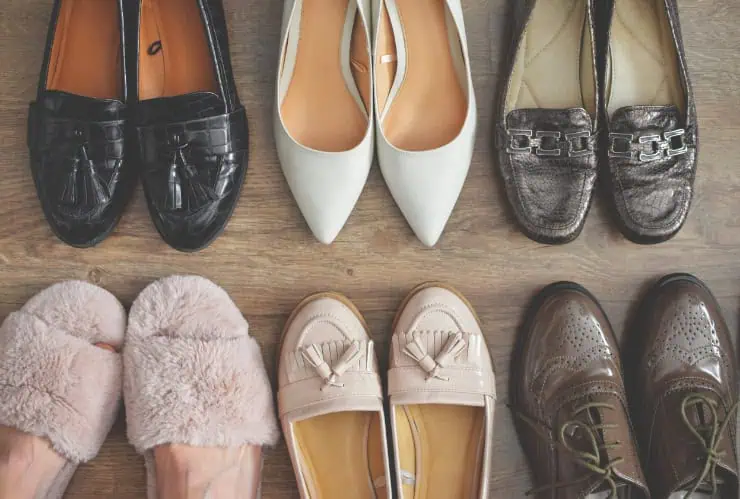
Scuffed or overly trendy shoes can cheapen an otherwise sophisticated outfit. Stick to neutral-toned footwear in shades like beige, tan, black, or ivory, which are versatile and timeless. Sleek loafers, ankle boots, or classic pumps in matte or lightly textured finishes create an elegant foundation for any look. Pay attention to condition, wipe down shoes regularly and replace worn heels or soles when needed. Avoid overly shiny faux leathers or flashy accents.
8. Tuck and Layer Thoughtfully

Simple styling tweaks like tucking in your blouse or layering a structured jacket can instantly polish your outfit. A half-tuck or full tuck helps define your waist and adds intention to your look. Throwing on a well-fitted blazer, lightweight trench, or classic cardigan gives depth and structure. These layering techniques elevate basics, suddenly, a $10 tee looks like part of a styled ensemble rather than an afterthought. Avoid bulkiness by sticking to breathable layers that follow the body’s shape.
9. Avoid Visible Wear and Tear
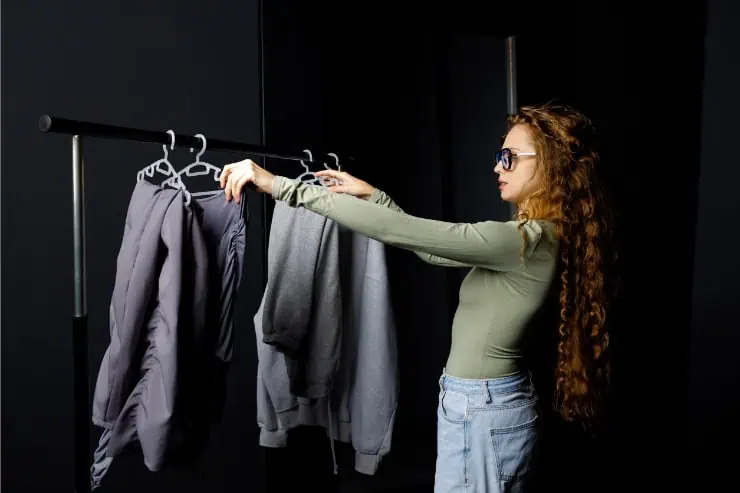
Nothing undermines a sophisticated look faster than pilling sweaters, loose threads, or fading fabric. Regularly inspect your clothing for signs of wear and care for your pieces with intention. Remove pilling with a fabric shaver, trim loose threads, and re-dye black garments that start to fade. Taking these extra steps helps your wardrobe look well-maintained and high-quality, regardless of the price tag. Repairing buttons or ironing garments before wear can also have a huge visual payoff.
10. Master Monochrome Outfits
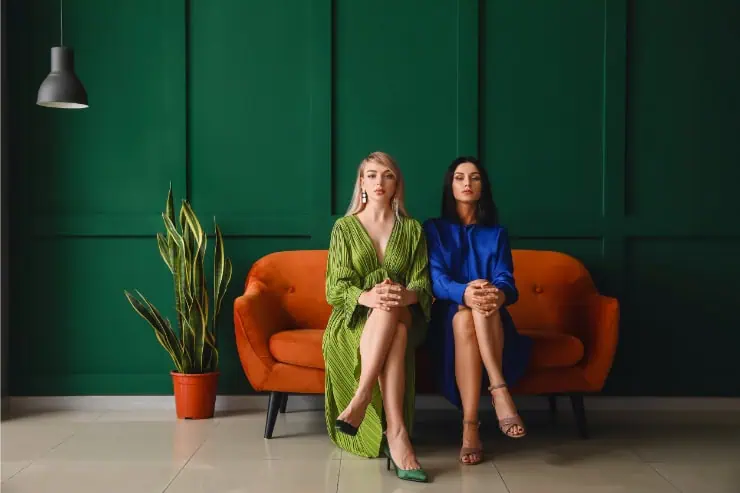
One of the easiest ways to look expensive is by dressing in a single color family from head to toe. Monochrome outfits, especially in tones like cream, beige, camel, navy, or black, create a sleek, elongated silhouette that reads as high-end. You can mix textures within the same color, pairing a knit top with wool trousers or a leather bag, to add visual interest. This strategy is great for mixing inexpensive pieces without drawing attention to their origin.