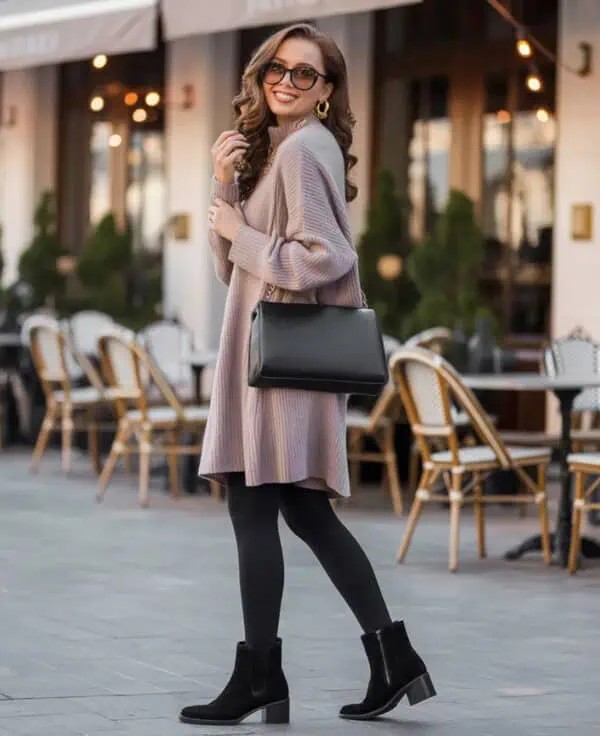
Fashion used to come with a long list of rules, especially for the Boomer generation. Many women were taught to follow strict guidelines about hemlines, color choices, age-appropriate looks, and how much skin was “acceptable” to show. While some of those rules were rooted in outdated social expectations, others simply limited creativity and self-expression. Thankfully, fashion has evolved, and we now embrace a much freer, more inclusive definition of style.
Table of Contents
1. No White After Labor Day

This once-strict seasonal rule told women to pack away all their white clothing after Labor Day, a remnant of upper-class etiquette from the early 1900s. But today, fashion embraces white year-round, winter whites are now a hallmark of chic cold-weather style. The rule served no practical purpose and only limited wardrobe choices. Now, a white wool coat, ivory jeans, or a creamy knit sweater feel elegant in any season. Ditching this outdated guideline has allowed women to use white as a year-round neutral, rather than a restricted summer-only color, proving timeless hues shouldn’t be bound by arbitrary dates.
2. Your Bag, Shoes, and Belt Must Match
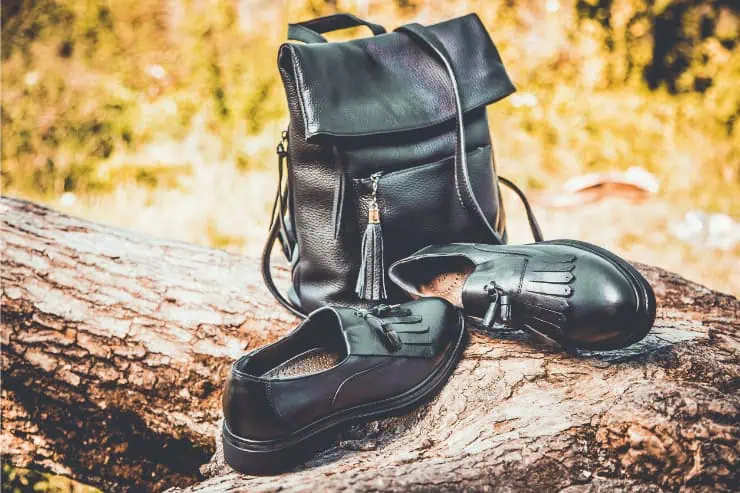
Once seen as a hallmark of “put-togetherness,” matching your accessories was a fashion must in the past. Boomers were taught to ensure their purse, shoes, and sometimes even gloves were in the exact same color or finish. But modern style favors individuality and balance over uniformity. Today, mixing textures and complementary tones creates a more interesting and intentional look. A tan crossbody with navy shoes or a bold belt adds dimension and personality.
3. You Can’t Mix Prints

Growing up, many Boomers were taught to play it safe with one print per outfit, mixing florals with stripes or polka dots was seen as a fashion faux pas. But today’s style icons and everyday dressers know that pattern mixing can be expressive, bold, and stylish when done right. The secret lies in scale and color harmony, not avoiding the combo altogether. A striped top with a floral scarf or a leopard clutch with a plaid jacket can look fresh and intentional.
4. Dress Your Age (and Only Your Age)
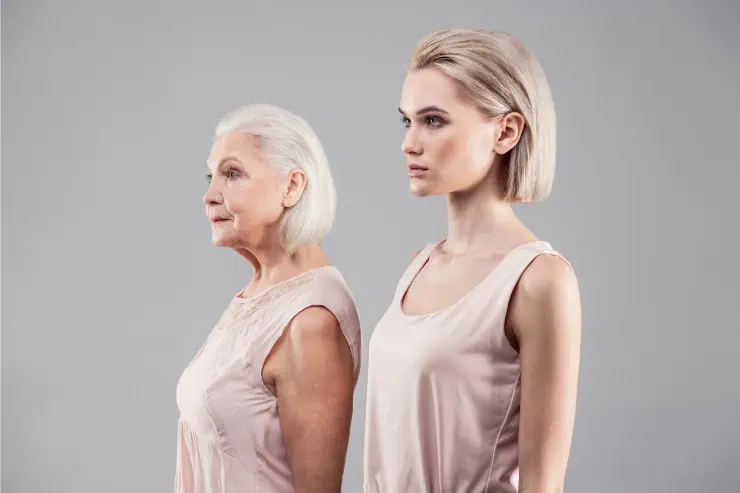
Boomers were often told that style had an expiration date, and certain pieces, like denim, shorter skirts, or bold prints, were off-limits past a certain age. This harmful mindset boxed women into conservative, often uninspiring clothes as they got older. Today, the “dress your age” rule has been replaced with “dress your confidence.” Women over 50 are rocking leather jackets, bold jewelry, and skinny jeans without apology. Style isn’t about fitting into a mold; it’s about expressing who you are now.
5. Heels Are Required for a Polished Look

For decades, heels were considered essential for dressing up, many Boomers endured discomfort in the name of formality. Flat shoes, especially sneakers or loafers, were seen as too casual. Fortunately, that mindset is fading fast. Today, sleek flats, platform sneakers, and chic ankle boots can look just as polished when styled well. Comfort and style no longer have to be at odds. The new standard celebrates functionality and elegance together, proving that confidence, not heel height, makes an outfit feel complete.
6. Never Wear Denim to a Formal Event

Denim was once reserved for work or casual days, with no place at anything remotely dressy. Boomers were told jeans couldn’t be stylish outside of chores or errands. But today, dark-wash jeans, wide-leg silhouettes, and denim dresses have earned their place in the smart-casual world. When styled with the right accessories and tops, think silk blouses or blazers, denim can look elevated and modern. It’s not about the fabric, it’s about the presentation.
7. Shoulders, Knees, and Cleavage—Pick Only One

Women were taught to be “tasteful” by covering up strategically, showing skin in more than one place was often labeled as tacky or inappropriate. But style today is about balance, not arbitrary restrictions. Wearing an off-shoulder dress with a shorter hemline can feel elegant when done with confidence and intention. Women should be free to highlight the features they love without fearing judgment or rule-breaking. This shift allows for self-expression rather than shame, especially for women over 50 who are embracing their bodies in all stages of life.
8. You Need a Full Matching Suit to Look Professional

Boomers entered the workforce during a time when rigid dress codes meant power suits and padded shoulders were the only way to be taken seriously. Matching blazers and skirts (or pants) in stiff fabrics were seen as the only professional choice. But modern professionalism embraces variety, mixing a tailored jacket with jeans, wearing flowy dresses with loafers, or adding color to your workwear now speaks volumes. Confidence and competence aren’t defined by shoulder pads or suits anymore.
9. No Red Lipstick Unless It’s Nighttime
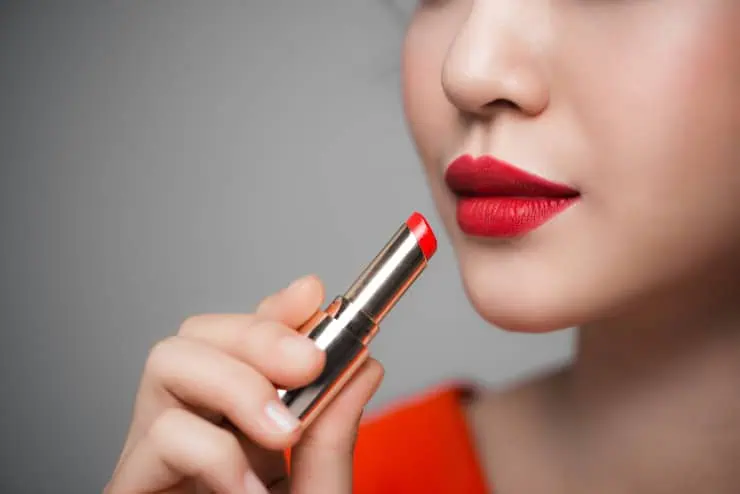
A bold red lip was once saved only for evening events, special occasions, or glamorous nights out. Many Boomers were told that wearing bright lipstick during the day was too loud or inappropriate. Today, red lipstick is embraced anytime, it’s a symbol of confidence, strength, and timeless femininity. Worn with a bare face or dressed-down outfit, it adds instant polish. Women are no longer waiting for permission or nighttime to make a statement.
10. Don’t Repeat Outfits Too Often

Boomers grew up in a culture where repeating an outfit too frequently could lead to side-eyes or whispered comments. Wardrobes were built around variety, even if that meant owning more and wearing less. Thankfully, the modern approach favors sustainability and intentional dressing. Repeating outfits is not only acceptable, it’s smart. A signature look or favorite piece worn often shows personal style and confidence. Capsule wardrobes and quality-over-quantity mindsets now reign, and it’s refreshing to see repetition embraced instead of shamed.