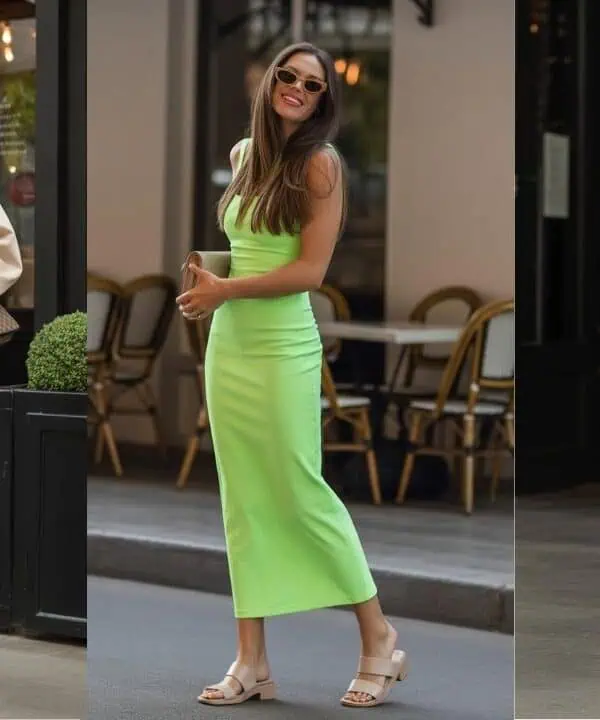
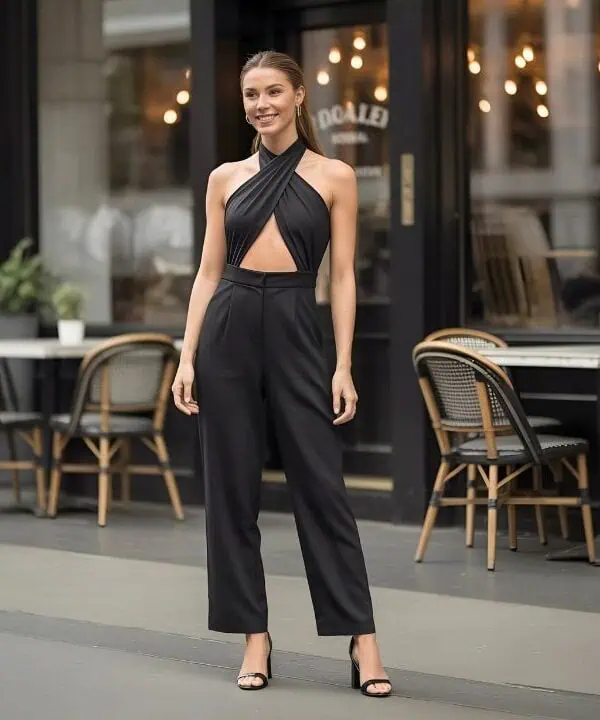
The 1960s were groundbreaking in many ways civil rights, music, and even fashion but it was still a time governed by strict rules, especially for women. How you dressed wasn’t just about personal taste; it was about fitting into rigid molds of femininity, propriety, and class. From mandatory pantyhose to limits on who could wear pants, the expectations were narrow and often oppressive. Today, style has become a platform for freedom, individuality, and self-expression. These outdated rules no longer apply, and we’re better for it. Here are 10 “proper” dressing rules from the ’60s that we’re more than happy to leave behind.
1. Women Must Wear Pantyhose in Public
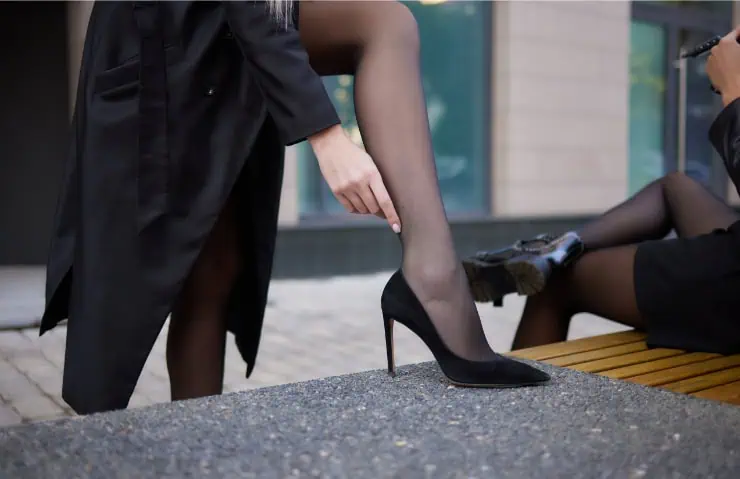
In the 1960s, bare legs were considered inappropriate, especially in professional or formal settings. Pantyhose were a must regardless of season or comfort. Women were expected to wear them daily, even under trousers, and runs or snags were considered sloppy. Today, pantyhose are optional, and going bare-legged is totally acceptable. Many women now prioritize comfort and natural beauty over rigid dress codes. Whether it’s a sundress with sandals or a midi skirt in winter, showing skin is a choice not a scandal.
Table of Contents
2. No Pants for Women at Work or School

It wasn’t until the late ’60s and early ’70s that women were even allowed to wear pants in many workplaces and schools. Skirts or dresses were the only “proper” attire, no matter the weather. Today, pantsuits, jeans, jumpsuits, and tailored trousers are not only accepted they’re fashion-forward. Women now have the freedom to dress for comfort, mobility, and power, not just appearances. What once was seen as rebellious is now smart, stylish, and entirely normal.
3. Hemlines Must Stay Below the Knee
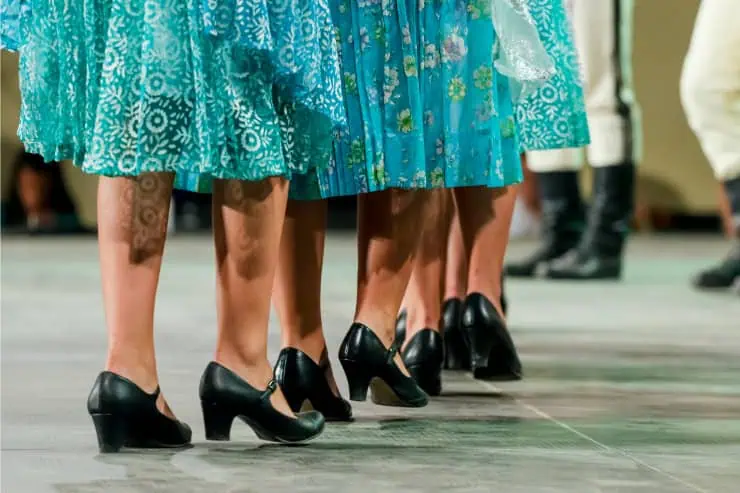
Mini skirts shocked the world in the late ’60s but before that, women were expected to keep their hemlines modestly below the knee. Anything higher was considered scandalous or “cheap.” Thankfully, fashion now embraces all skirt lengths. Whether you love minis, midis, or maxis, there’s room for it all. Body confidence and self-expression have replaced shame and judgment. Today, women dress for themselves not for approval.
4. Only Slim Figures Should Wear Fitted Clothes

The ’60s idealized a specific body type: slim, youthful, and hourglass-shaped. Women who didn’t fit that mold were encouraged to hide their bodies with boxy, shapeless clothing. Fitted styles were reserved for the few who “qualified.” Thankfully, the fashion industry is becoming more inclusive, embracing all shapes and sizes. Body-positive brands and style icons over 50 prove that confidence not size is what makes clothes look great. Style now celebrates diversity instead of policing it.
5. Matching Shoes, Bag, and Belt Were Required

If your handbag, shoes, and belt didn’t match, you were considered underdressed or sloppy. Coordinated accessories were a sign of being “put together.” Today, fashion is far more eclectic and personal. Mixing textures, prints, and colors is not only allowed it’s encouraged. A bold shoe with a neutral bag? Go for it. A leopard belt with red flats? Chic. Fashion now values creativity and personality over rigid coordination.
6. No White After Labor Day

One of the most persistent fashion myths of the 20th century, this outdated rule dictated that white was only appropriate in summer. After Labor Day, it had to be packed away until spring. Fortunately, this rule has been thoroughly debunked. Winter whites, ivory coats, and cream knits are now cold-weather staples. Style is now seasonal based on fabric and layering not arbitrary calendar dates. Wear what you love, when you love it.
7. Hats and Gloves Required for Formal Events

Formal outings in the 1960s often required a full ensemble: dress, hat, gloves, and heels. Women were expected to look “ladylike” and polished, with no exceptions. Today, formalwear has evolved. While hats and gloves are still stylish in certain settings, they’re no longer mandatory. You can wear a sleek jumpsuit or minimal sheath dress and still turn heads. Elegance is now about confidence and intention, not accessories by default.
8. Only Young Women Should Wear Bright Colors

Bold colors were considered playful and youthful in the ’60s but women over a certain age were pushed toward muted, “dignified” tones. Vibrant hues were seen as unrefined or inappropriate for older women. Thankfully, that mindset is fading fast. Today, color is a tool for self-expression at every age. Fuchsia, cobalt, emerald, and orange? Absolutely. Age no longer dictates your palette your personality does.
9. Never Repeat Outfits

In the 1960s, especially among socialites and professionals, repeating outfits was frowned upon. Wearing the same dress twice was seen as lazy or low-class. Now, repeating outfits is smart, sustainable, and chic. Capsule wardrobes and re-wear culture are on the rise, and many editors and influencers proudly re-style favorite pieces. Fashion isn’t about excess anymore it’s about intention and creativity. There’s no shame in loving and living in your clothes.
10. “Good Girls” Don’t Show Cleavage or Shoulders

Showing skin in the ’60s came with heavy judgment. Sleeveless tops, plunging necklines, and off-shoulder styles were often labeled inappropriate, especially for older women. But times have changed. Today, fashion embraces freedom shoulders, décolletage, and back included. What matters is how you feel in your clothes, not arbitrary modesty standards. Whether it’s a halter dress or a cold-shoulder sweater, you set the rules now.