Winter dressing can be tricky especially when you’re balancing comfort, warmth, and elegance. For women over 60, the goal isn’t to follow fleeting trends, but to master timeless dressing that works for both lifestyle and figure. The best winter looks feel intentional, not bulky; cozy, not careless. Every layer, color, and texture should flatter rather than overwhelm. These ten rules will help you simplify your cold-weather wardrobe, ensuring that each outfit feels warm, polished, and perfectly suited to your age and confidence. Think of them as foundations for winter style that endures year after year.
Table of Contents
1. Prioritize Fit Over Bulk

The biggest winter mistake many women make is choosing oversized layers in the name of warmth. Bulky clothes often hide your shape and make you appear larger than you are. Instead, look for pieces that skim the body and allow for layering underneath. Tailored coats, slim-cut sweaters, and mid-weight fabrics are ideal they keep heat in while maintaining a sleek silhouette. If you need extra warmth, use thermal layers rather than thick outerwear. A defined fit will always look more modern, giving your figure shape and structure even in the coldest months.
2. Invest in a Structured Coat
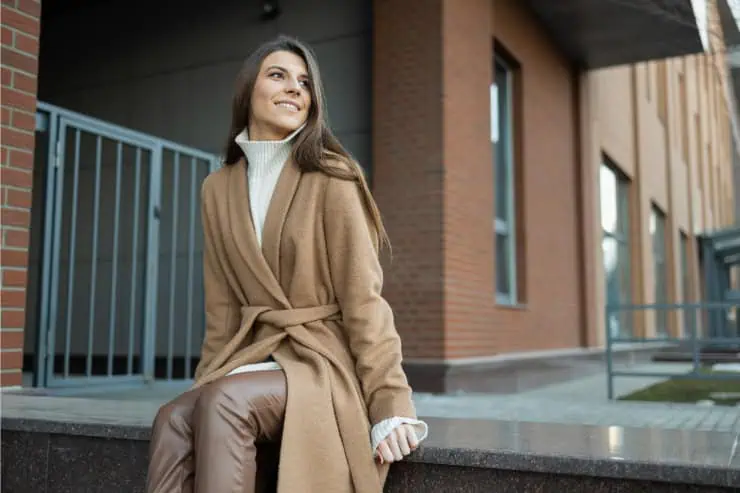
A well-cut winter coat is the backbone of your cold-weather wardrobe. Choose one with clear lines and a defined waist or slight tapering to enhance shape. Long coats elongate the frame and instantly elevate even casual outfits. Wool blends or cashmere fabrics add warmth without excess bulk. Avoid shapeless parkas or puffer jackets unless they have a belted design. Neutral colors like camel, navy, or charcoal are timeless choices that complement most wardrobes. The right coat not only provides insulation but acts as the statement piece that ties every winter outfit together.
3. Layer with Purpose

Layering isn’t about piling on clothes it’s about balance. Start with light, breathable base layers, add mid-weight knits for insulation, and finish with a structured outer layer. Each piece should serve a purpose, both functionally and stylistically. Stick to similar color families or contrasting textures to create visual harmony. For example, a soft turtleneck under a tailored blazer adds depth without bulk. This approach lets you adapt to fluctuating indoor and outdoor temperatures while looking polished. Strategic layering ensures you stay warm, mobile, and put-together from morning errands to evening dinners.
4. Choose the Right Winter Fabrics
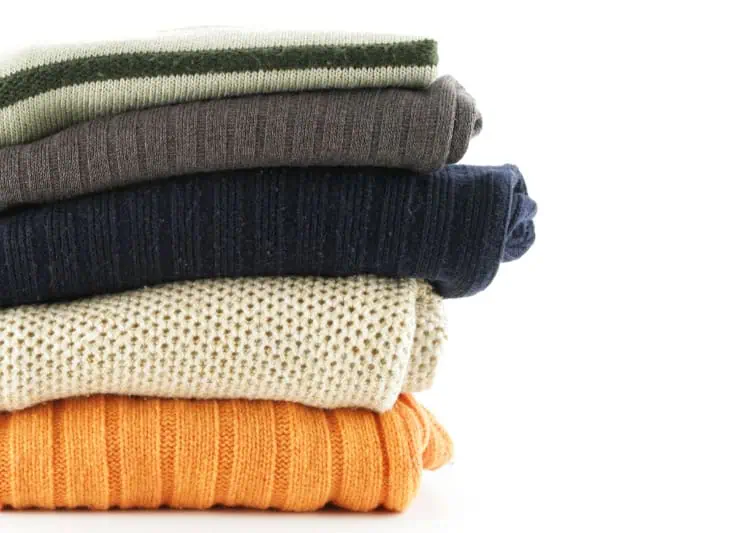
Winter style isn’t just about what you wear it’s about what it’s made of. Natural fabrics like wool, cashmere, and cotton blends breathe better and regulate temperature, unlike synthetics that trap heat. Look for fabrics with a soft drape that move with you, avoiding stiff materials that add bulk. Knits with fine gauge or light ribbing offer warmth and shape retention. Investing in high-quality textiles might cost more upfront, but they last longer and maintain their elegance season after season. Comfort and sophistication always start with fabric choice.
5. Define Your Waistline

Even in winter, shape matters. Without a visible waistline, many layered looks can become shapeless and heavy. Add definition with a belt over your coat, a cinched sweater, or high-waisted trousers. These small adjustments visually lengthen your frame and restore proportion. Wrap coats, belted blazers, or tucked-in knits can highlight curves subtly while maintaining comfort. Remember, defining your waist isn’t about restriction it’s about balance. This styling trick adds instant polish and helps transform a plain winter outfit into something intentionally elegant and figure-flattering.
6. Embrace Color in Moderation
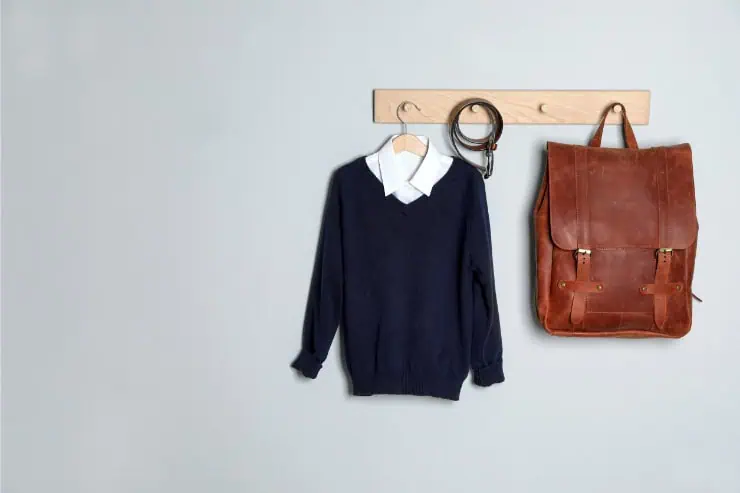
Winter wardrobes often drift into dark, monotonous palettes. While black and gray are staples, a pop of color can brighten your complexion and mood. Add a deep burgundy scarf, a cobalt blue coat, or a forest green sweater to break up neutrals. Muted jewel tones or warm shades like rust and olive add sophistication without feeling loud. The key is moderation limit color to one focal piece per outfit. Even the smallest hint of hue can make your look feel alive and contemporary, especially when paired with classic winter neutrals.
7. Mind Your Proportions
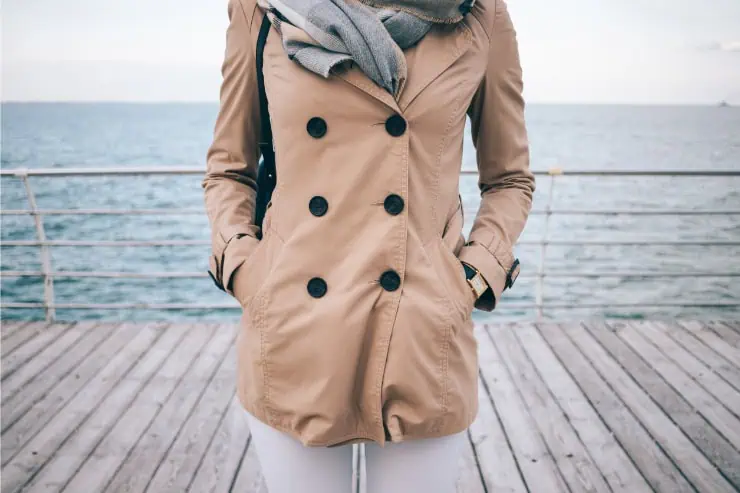
Balance is everything when layering for winter. If you’re wearing a chunky knit on top, pair it with slimmer bottoms; if you opt for wide-leg trousers, choose a fitted or cropped sweater. Proper proportions create visual harmony and keep your silhouette sleek rather than bulky. For petite frames, shorter coats and ankle-length pants elongate the body. Taller women can experiment with longer outerwear and wider silhouettes. The secret is contrast mixing structured with soft, loose with fitted to maintain dimension and flow throughout your look.
8. Upgrade Your Footwear

Winter footwear should combine style, practicality, and polish. Swap overly casual snow boots for sleek leather or suede ankle boots with sturdy soles. Heeled boots with pointed toes elongate your legs, while flat riding boots offer timeless versatility. Opt for neutral tones like chocolate, taupe, or black for easy coordination. Comfort is non-negotiable look for cushioned insoles and weatherproof finishes. Well-chosen shoes can elevate even the simplest jeans-and-sweater combo, proving that functional footwear can still look chic and age-appropriate. Never underestimate the power of a refined winter boot.
9. Accessorize for Warmth and Style
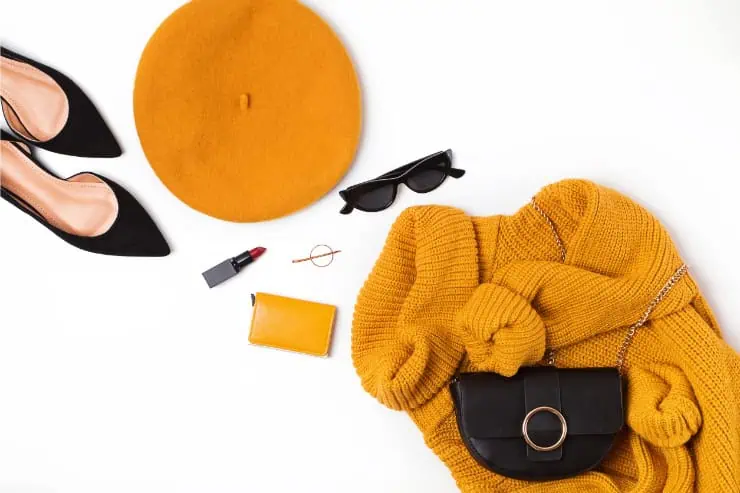
Scarves, hats, and gloves are more than necessities they’re opportunities to express personality. Choose accessories in luxurious textures like cashmere or wool blends. Instead of matching everything perfectly, play with tonal layering: a gray coat with a blush scarf or a camel hat with ivory gloves. These small choices create depth and individuality. Statement brooches, leather belts, and textured bags can also add sophistication. By selecting functional yet elegant accessories, you’ll stay warm while completing your outfit with intention and confidence.
10. Prioritize Comfort Without Sacrificing Style

True style after 60 should never come at the cost of comfort. The secret lies in merging both seamlessly structured yet soft fabrics, stylish yet supportive footwear, and outfits that move naturally with your body. Prioritize pieces that make you feel confident and at ease. Tailored joggers, knit dresses, and stretch denim all offer comfort while maintaining polish. When you feel good physically, it reflects in your posture and presence. Comfort isn’t a compromise it’s a foundation for elegance, especially in the colder months when warmth and ease matter most.