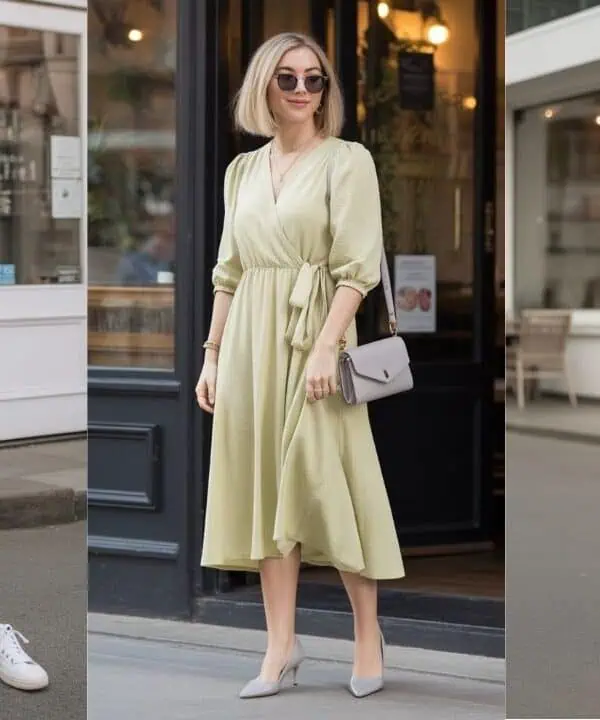
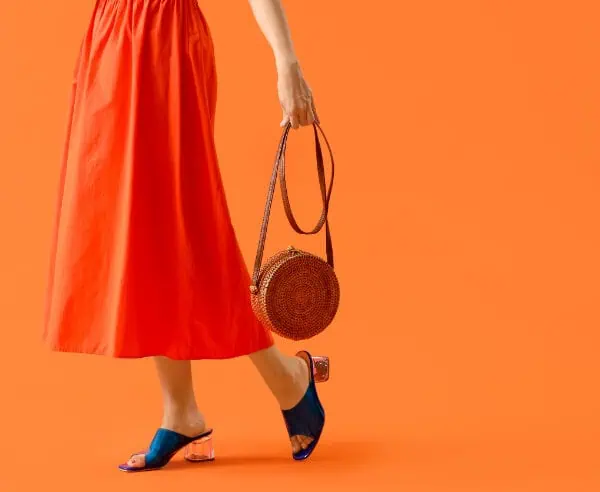
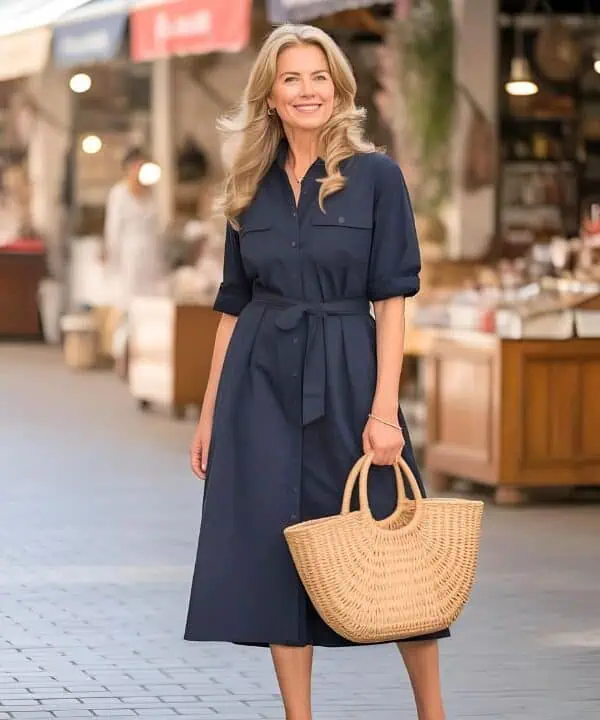
Style after 60 isn’t about dressing younger it’s about dressing sharper. Yet many women fall into habitual choices that subtly work against them without even noticing. These aren’t dramatic fashion errors; they’re small styling decisions that impact proportion, polish, and confidence. The good news? Each has a simple, effortless fix. By avoiding these common outfit mistakes, your wardrobe instantly becomes more modern, flattering, and aligned with who you are today not who you were 20 years ago. Here are 10 outfit mistakes stylists say women over 60 often make without realizing it.
Table of Contents
1. Wearing Clothes That Are Too Baggy in the Name of Comfort

Comfort is essential, especially as bodies change with age but oversized pieces can unintentionally erase your shape and make outfits appear sloppy. Many women think looser equals more flattering, but too much volume makes the body look larger and the outfit feel dated. The secret is balancing comfort with structure: think soft fabrics in tailored cuts, sweaters that skim rather than swallow, and pants with a clean leg line. Even the smallest amount of shaping at the waist, shoulder, or hem can make a dramatic difference. You’ll look polished while still feeling completely at ease.
2. Sticking to the Same Silhouettes They Wore a Decade Ago
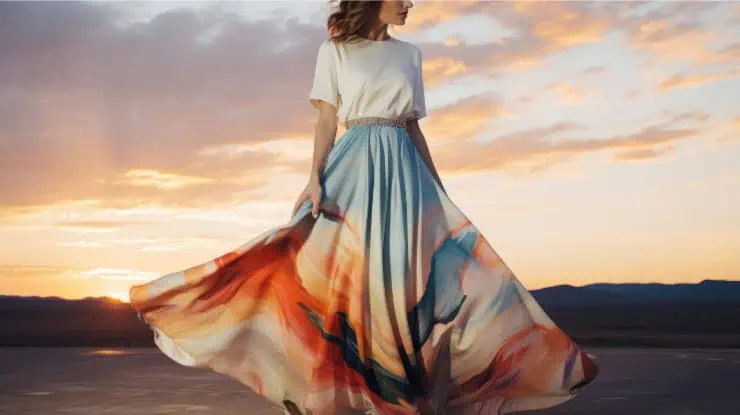
Most women over 60 have favorite silhouettes they’ve worn for years. The problem? Fashion evolves, and clinging to outdated shapes can add years without you realizing it. Bootcut jeans, long tunics, and boxy cardigans while comfortable often look dated when not updated. Modern silhouettes, like straight-leg jeans, cropped trousers, shorter cardigans, and structured sweaters, instantly refresh your wardrobe. You don’t need to overhaul your entire closet; simply swapping one outdated shape for a current one keeps your look contemporary while honoring your personal style.
3. Wearing Neutral Colors That Wash Out the Face
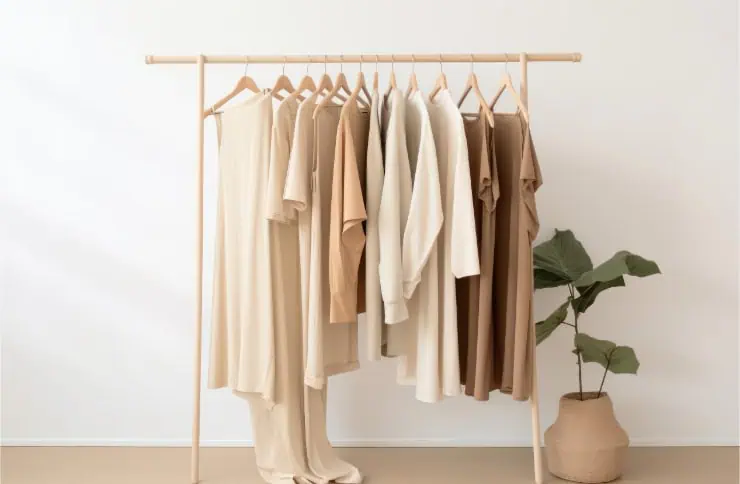
Beige, taupe, and light gray are popular neutrals, but they’re not always flattering especially when worn close to the face. Many mature women unknowingly choose neutrals that blend with their skin tone, making the complexion appear dull or tired. Instead, opt for richer neutrals like camel, charcoal, navy, cream, or soft white. These tones brighten mature skin, add dimension, and pair well with nearly everything. If you love a muted neutral, wear it on the bottom half of your outfit and keep more flattering colors near the face.
4. Choosing Practical Shoes That Don’t Elevate the Outfit
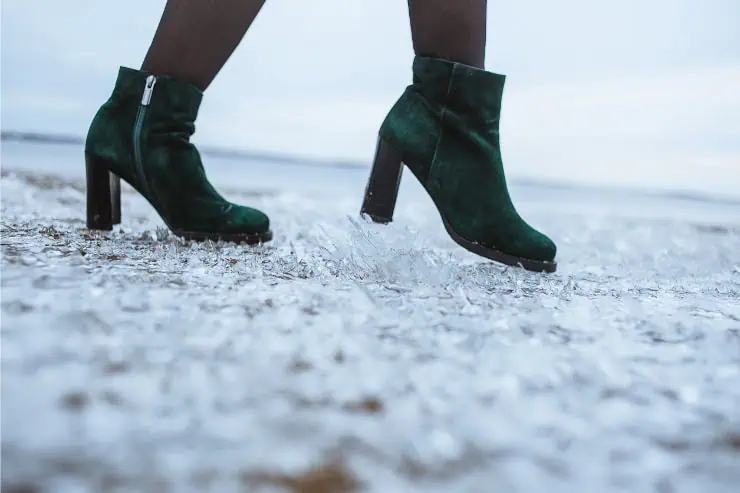
Comfortable shoes are non-negotiable, but many women overlook how much footwear affects style. Outdated, overly chunky, or worn-out shoes instantly drag down an otherwise polished outfit. Instead of defaulting to old comfort shoes, look for supportive options with sleek lines: modern loafers, minimal sneakers, low block heels, or refined ankle boots. These offer comfort without sacrificing sophistication. A current shoe silhouette can modernize your entire wardrobe even pieces you’ve owned for years.
5. Ignoring Proportion When Layering

Layering becomes essential with age but the wrong layering combinations can create bulk, shorten the body, and age your look. Long tops under shorter jackets, overly thick sweaters under structured coats, or tunics paired with wide-leg pants all disrupt proportion. The modern approach is simple: mix one fitted layer with one relaxed layer, keep hems intentional, and aim for clean vertical lines. This creates balance, elongates the frame, and makes your outfit feel effortlessly stylish rather than heavy or mismatched.
6. Holding On to Old Accessories That Date the Whole Look
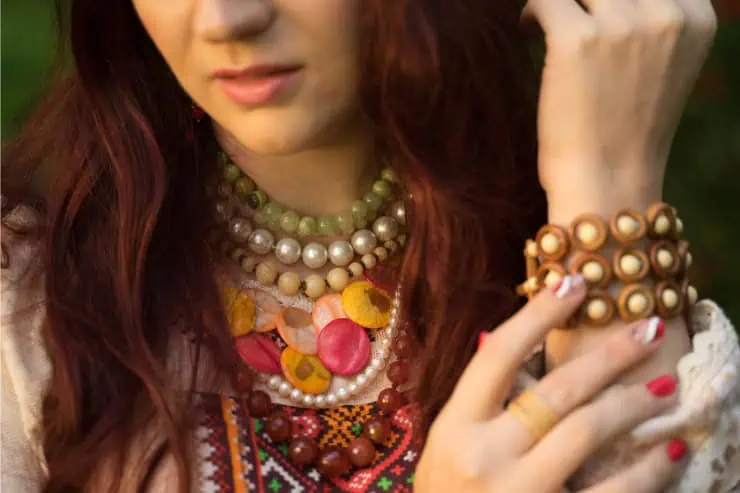
Accessories have a major impact, yet many women over 60 still wear pieces they bought 15–20 years ago scarves with outdated prints, heavy costume jewelry, aging handbags, or chunky belts. These items can instantly date a look. Updating accessories is one of the fastest ways to modernize your wardrobe. Choose minimalist jewelry, slimmer belts, structured handbags, and scarves in fresh tones or textures. These small upgrades make every outfit feel current without requiring new clothes.
7. Wearing Makeup Colors That No Longer Suit Their Skin Tone
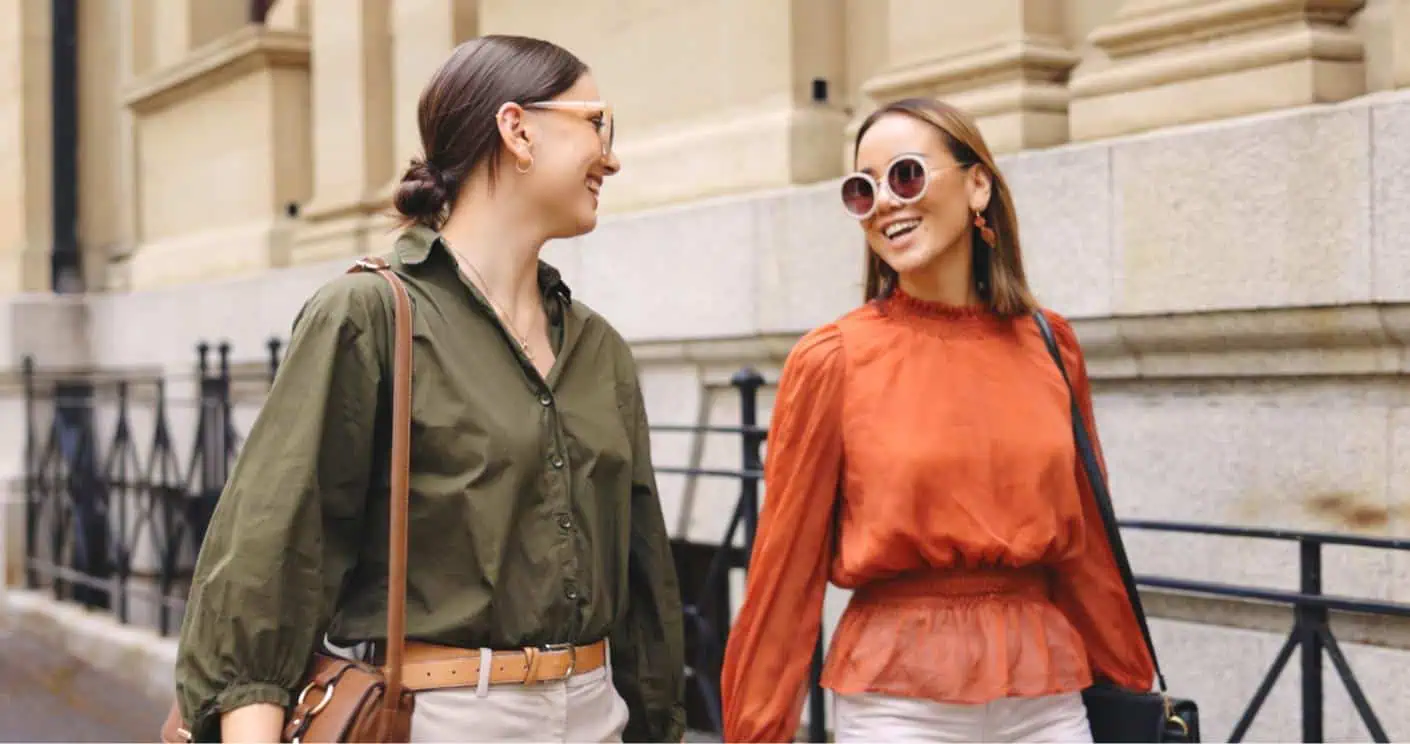
While not technically an outfit item, makeup deeply influences how clothing looks on you. Many women over 60 keep wearing lipstick or blush shades they loved decades earlier, even though their skin tone has changed. Outdated or harsh makeup colors can make clothing appear mismatched, dull, or unbalanced. Switching to softer neutrals, rosier pinks, or warmer tones can instantly brighten the complexion making every outfit appear more harmonious. The right makeup acts like lighting, illuminating your clothes and your features.
8. Avoiding Trends Entirely

Many women over 60 step away from trends, worried they’ll look like they’re trying too hard. But avoiding trends completely can make your style feel stale. Incorporating one modern element like a cropped vest, a structured knit, straight-leg jeans, or a modern boot instantly updates your look. The trick is choosing wearable trends that complement your shape and wardrobe. A touch of modernity communicates confidence and relevance without compromising age-appropriate elegance.
9. Wearing Outdated Outerwear That Overpowers the Outfit

Coats often go overlooked, yet they’re the first thing people see in winter. Many women over 60 hold onto coats for too long, even after they’ve lost structure, shape, or modern appeal. Outdated quilt patterns, overly long silhouettes, and bulky cuts can weigh down your entire look. Investing in a sleek puffer, a tailored wool coat, or a wrap coat works wonders. A modern coat elevates everything underneath even a simple jeans-and-sweater combination.
10. Forgetting the Finishing Touches
An outfit without finishing touches can feel incomplete. Whether it’s skipping earrings, not adjusting hems, or wearing wrinkled fabrics, these small oversight moments can subtly age your look. Polished details steamed fabrics, intentional accessories, a defined waistline, or a clean neckline make outfits look crisp and modern. These finishing touches don’t require effort or expense, just mindfulness. When your look feels finished, it communicates confidence and presence, no matter your age.