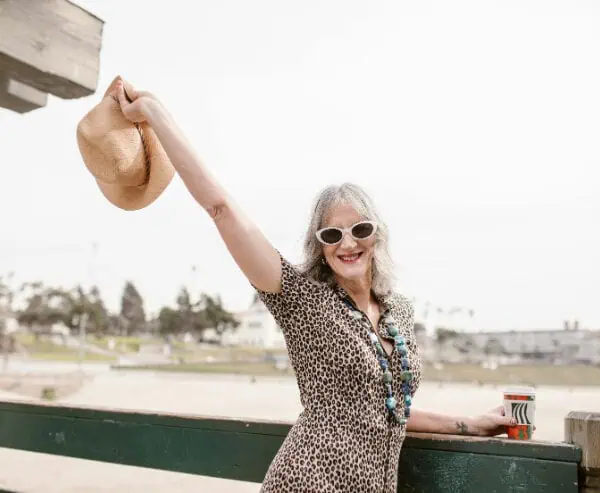
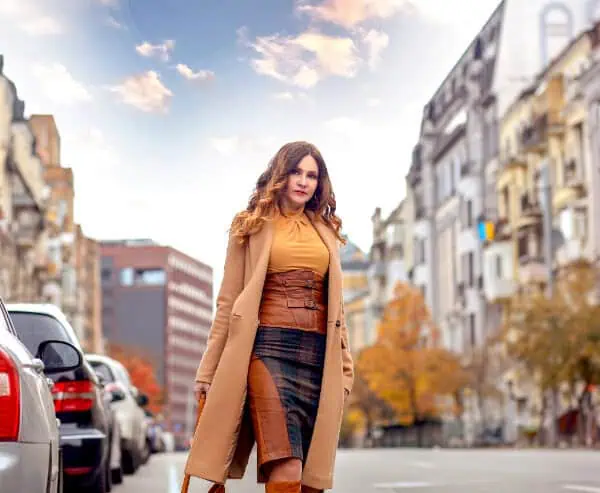
After 60, your style should feel more refined—not restricted. Yet, some common fashion mistakes can unintentionally age your appearance or make your outfit feel frumpy. From poor fit to outdated silhouettes, these missteps can dull even the most confident personality. The good news? Small tweaks can make a major difference. With the right styling tricks and updated choices, you can stay chic, polished, and true to your taste—without trying to look younger, just looking your best.
Table of Contents
1. Wearing Clothes That Are Too Baggy
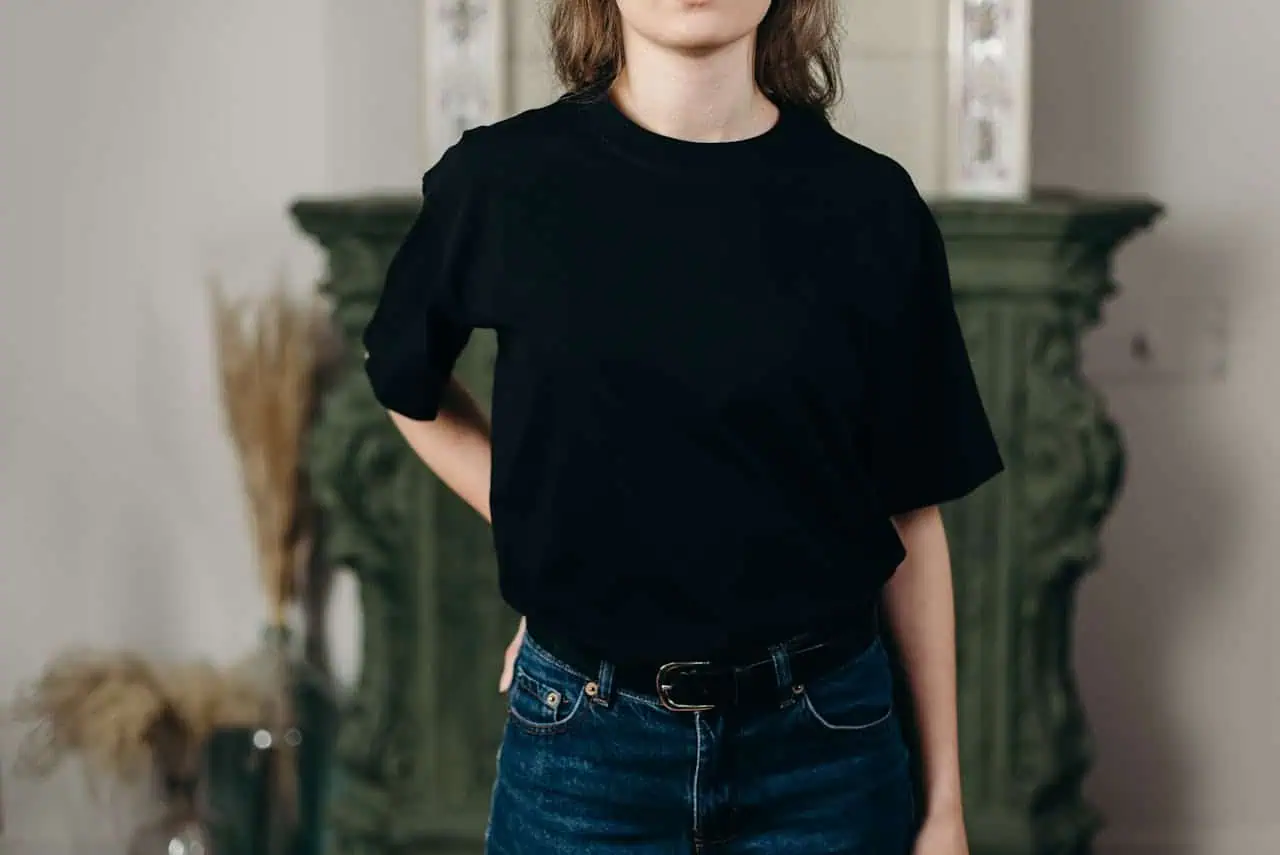
Oversized clothing may feel safe, but it often overwhelms your shape and hides your best features. Many women choose loose fits to feel comfortable or conceal problem areas, but baggy clothes can make your figure look shapeless and older. Instead, opt for pieces with gentle structure—like tailored blouses, defined waists, or ankle-length trousers. Soft fabrics in flattering cuts provide ease without sacrificing elegance. Showcasing your natural shape, even subtly, brings instant polish and sophistication to your look.
2. Outdated Denim Styles
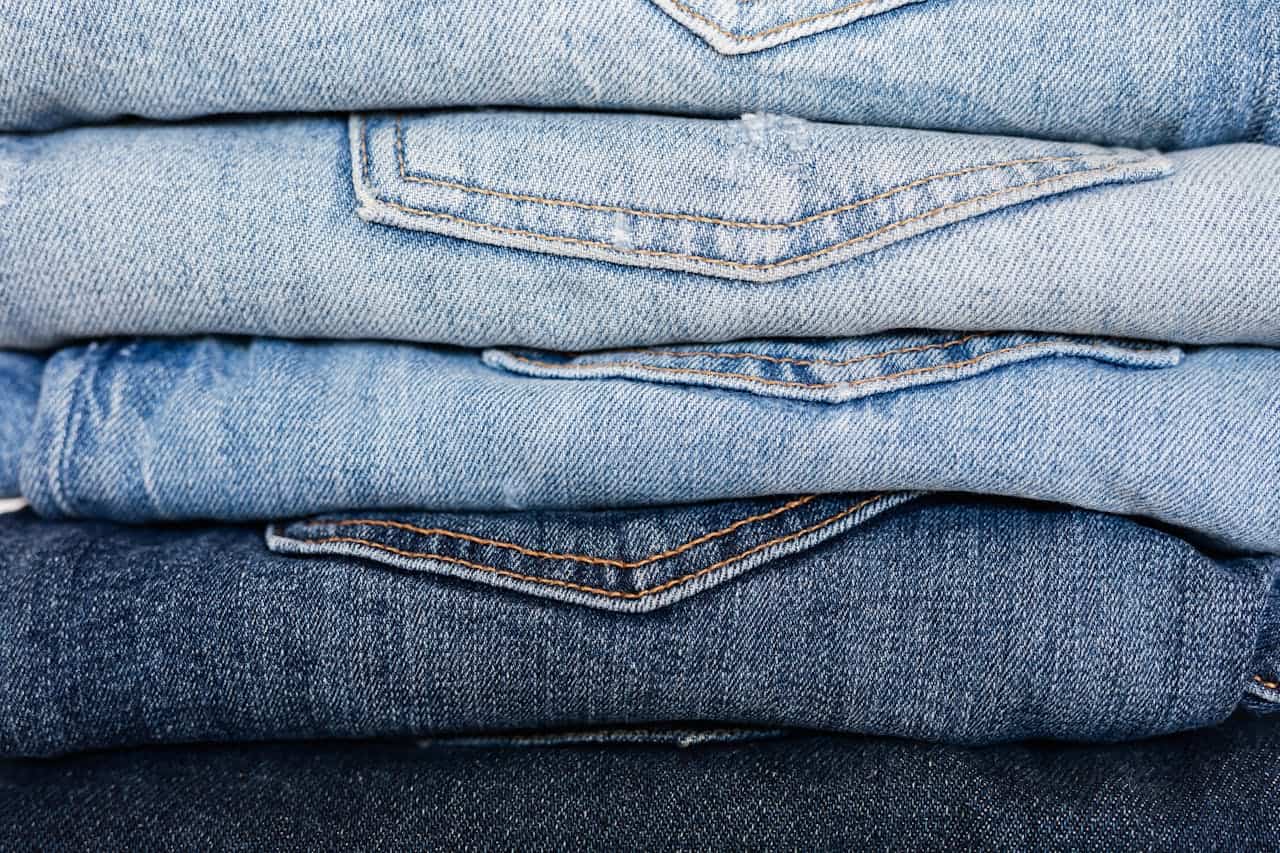
Jeans are timeless—if the fit and wash are current. Styles like low-rise, acid-wash, or overly embellished denim can feel dated. Likewise, ill-fitting mom jeans or overly stretchy jeggings can distort your silhouette. Choose high-rise straight-leg or bootcut styles in a clean, dark wash. Cropped flares or ankle-grazing denim also offer a modern edge. Well-fitting jeans elevate casual outfits while providing versatility. Keep your denim fresh to keep your overall look youthful and pulled together.
3. Ignoring Proper Undergarments
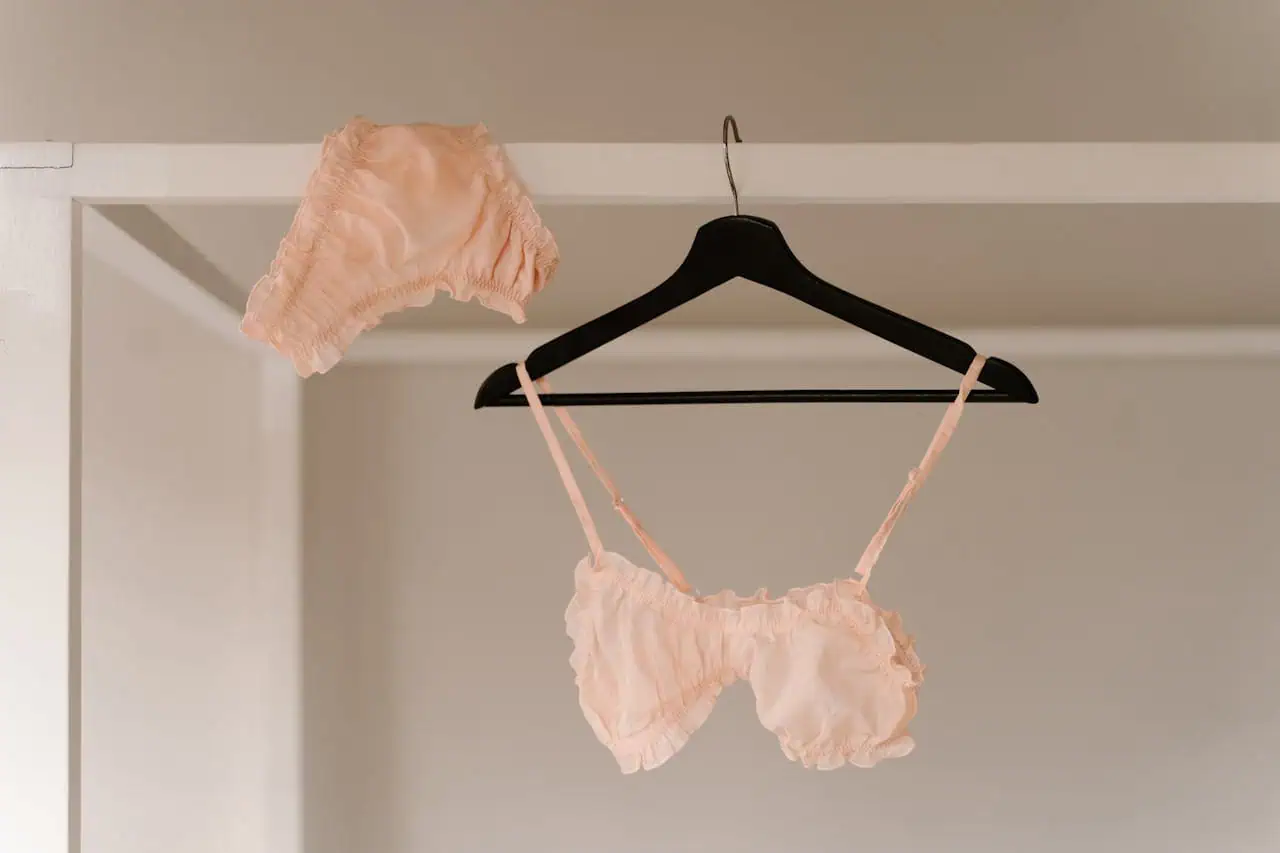
Wearing the wrong bra or undergarments can throw off your entire outfit. Visible lines, sagging support, or ill-fitting shapewear can create lumps, bumps, or lack of definition. A well-fitted bra lifts not just your bust—but your posture and confidence. Seamless underwear or smoothing camisoles make clothes drape better, especially under knits or dresses. Take time to get professionally fitted and invest in a few quality basics. The right foundation makes every outfit look more intentional and flattering.
4. Choosing All-Neutral Outfits Without Contrast
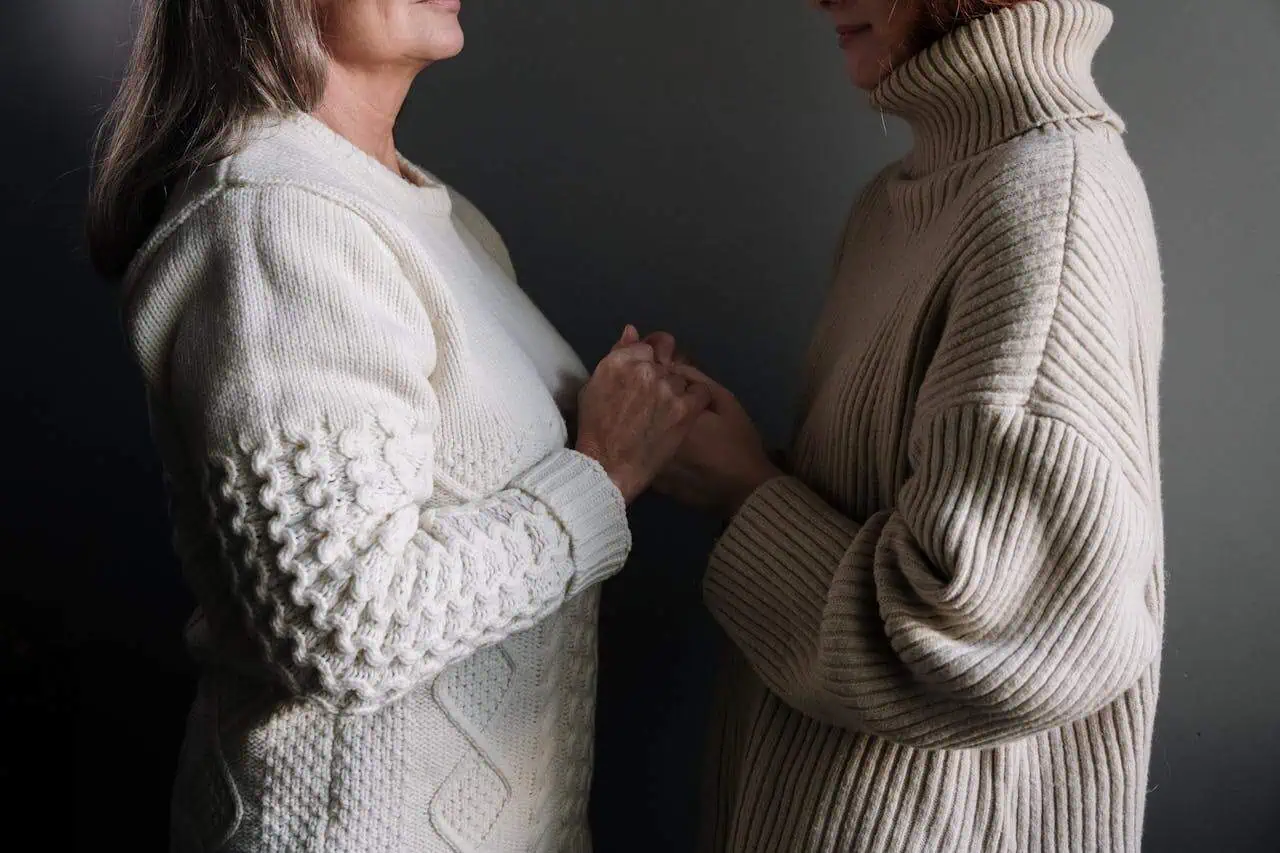
Neutrals can be chic—but when worn without contrast, they may wash you out or appear dull. Beige-on-beige or gray-on-gray can lack energy, especially on mature skin. Add a pop of color, bold accessory, or even layered textures to bring visual interest. Even small changes—like a coral lip, patterned scarf, or statement earrings—can shift the whole vibe. Color doesn’t mean loud; it means lively. Balance your neutrals with details that reflect your personality.
5. Wearing Outdated Footwear
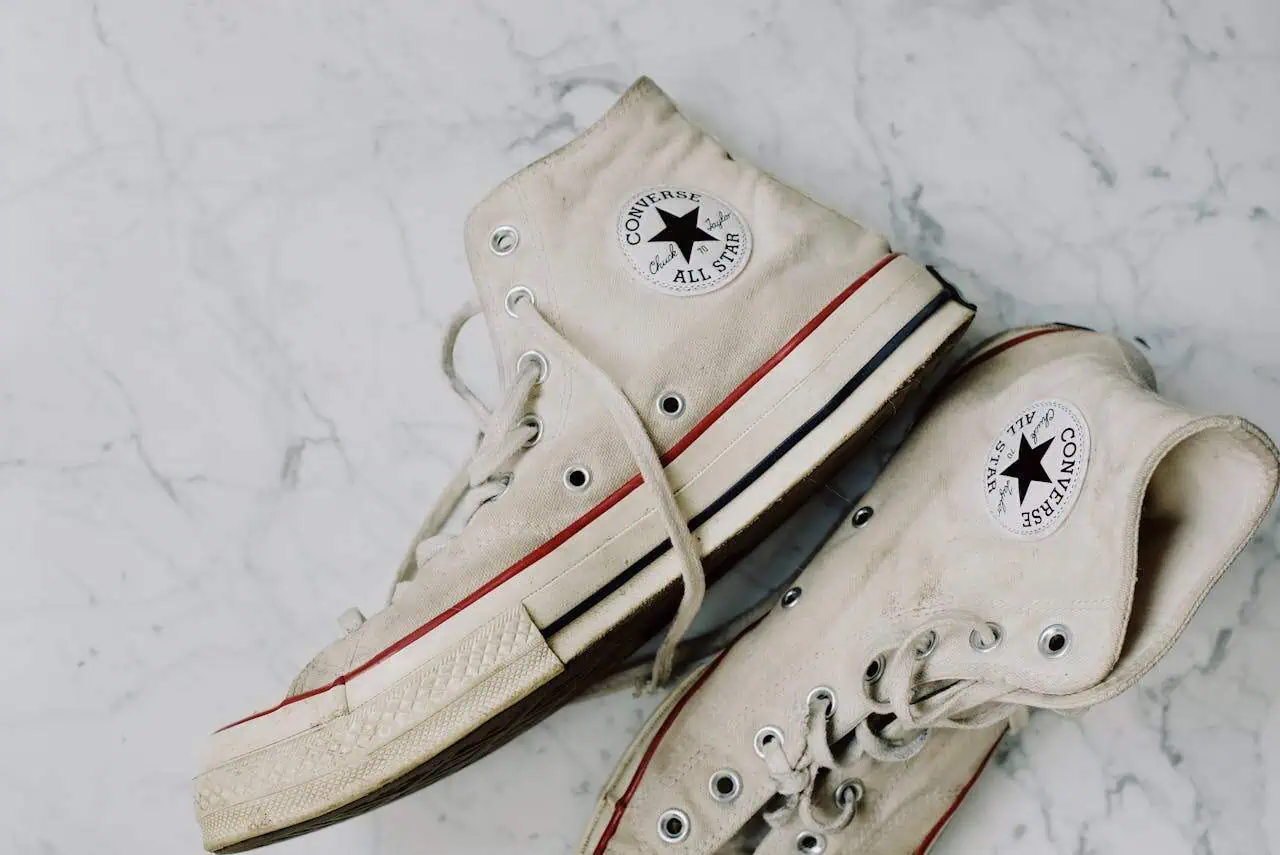
Shoes can make or break your outfit—and some styles can date your look instantly. Think chunky orthopedic-style sandals, overly sensible heels, or square-toe loafers without shape. While comfort is essential, many brands now blend style and support beautifully. Look for sleek sneakers, modern flats, block-heeled boots, or chic slip-ons in luxe materials. Updating your footwear instantly lifts your overall appearance and proves that style and comfort aren’t mutually exclusive.
6. Sticking to Old-School Silhouettes

A-line skirts, boxy blazers, or mid-calf dresses from decades ago may feel familiar—but they can make your outfit appear stuck in time. These pieces often lack the modern tailoring that gives shape and movement. Try midi skirts with slits, cropped blazers with fitted arms, or flowy wrap dresses that flatter your frame. Embracing updated cuts doesn’t mean dressing trendy—it means choosing pieces that align with today’s proportions and highlight your personality.
7. Layering Without Intention
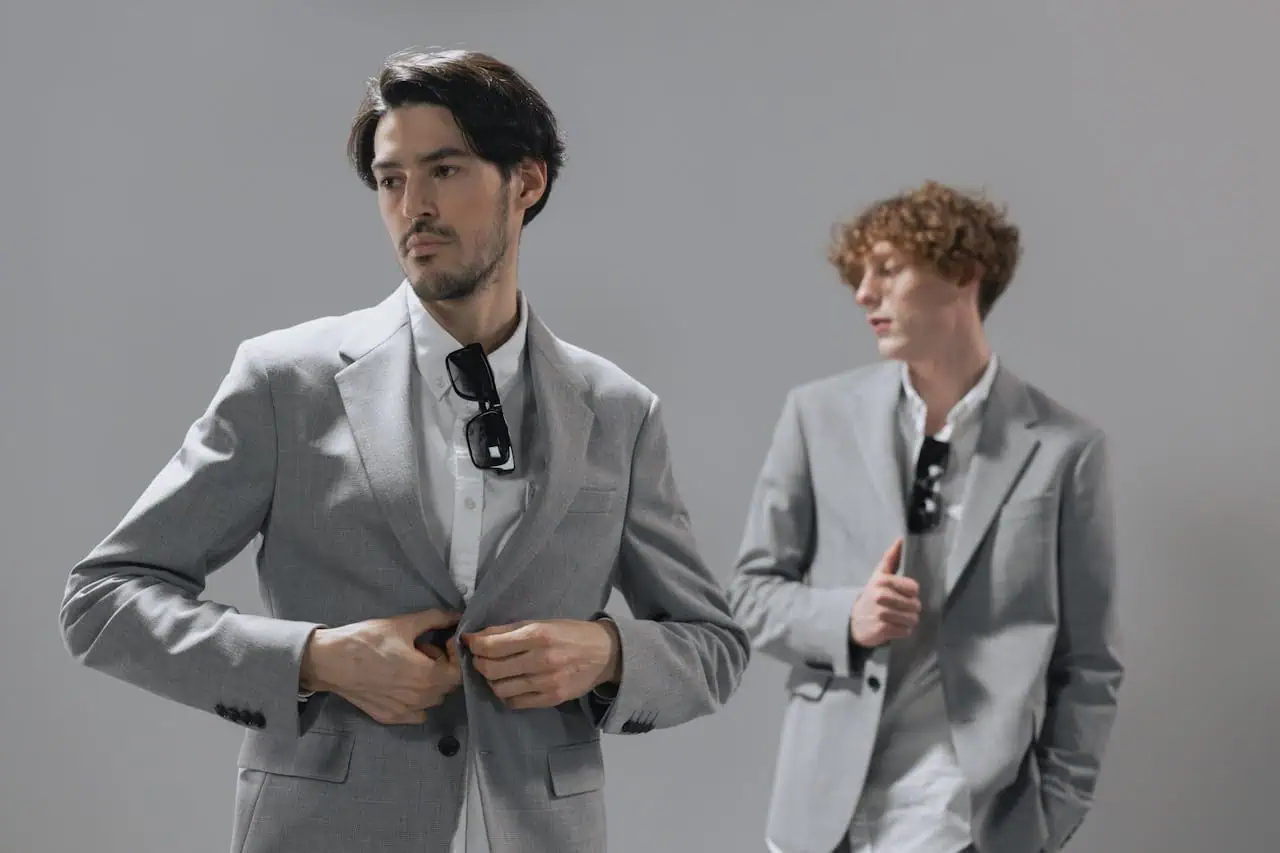
Layering is practical, especially for changing temperatures—but too many mismatched or bulky layers can feel cluttered and frumpy. Instead of piling on cardigans, scarves, or jackets randomly, think strategically. Choose layers in complementary tones, with defined shapes and lightweight materials. A structured blazer over a simple blouse, or a long vest over a fitted top, can elongate your figure and create visual interest. Clean lines and intentional layering elevate even casual looks.
8. Wearing Prints That Age You

Busy florals, retro paisleys, or tiny ditsy prints can sometimes read more matronly than modern. While prints can absolutely be stylish, it’s all about scale, color, and contrast. Opt for larger, more graphic patterns or monochrome prints in modern color palettes. Stripes, abstract art, or animal prints in tasteful tones feel current and add a bold edge to your wardrobe. Don’t fear prints—just choose those that align with your personality and updated taste.
9. Avoiding Accessories Altogether
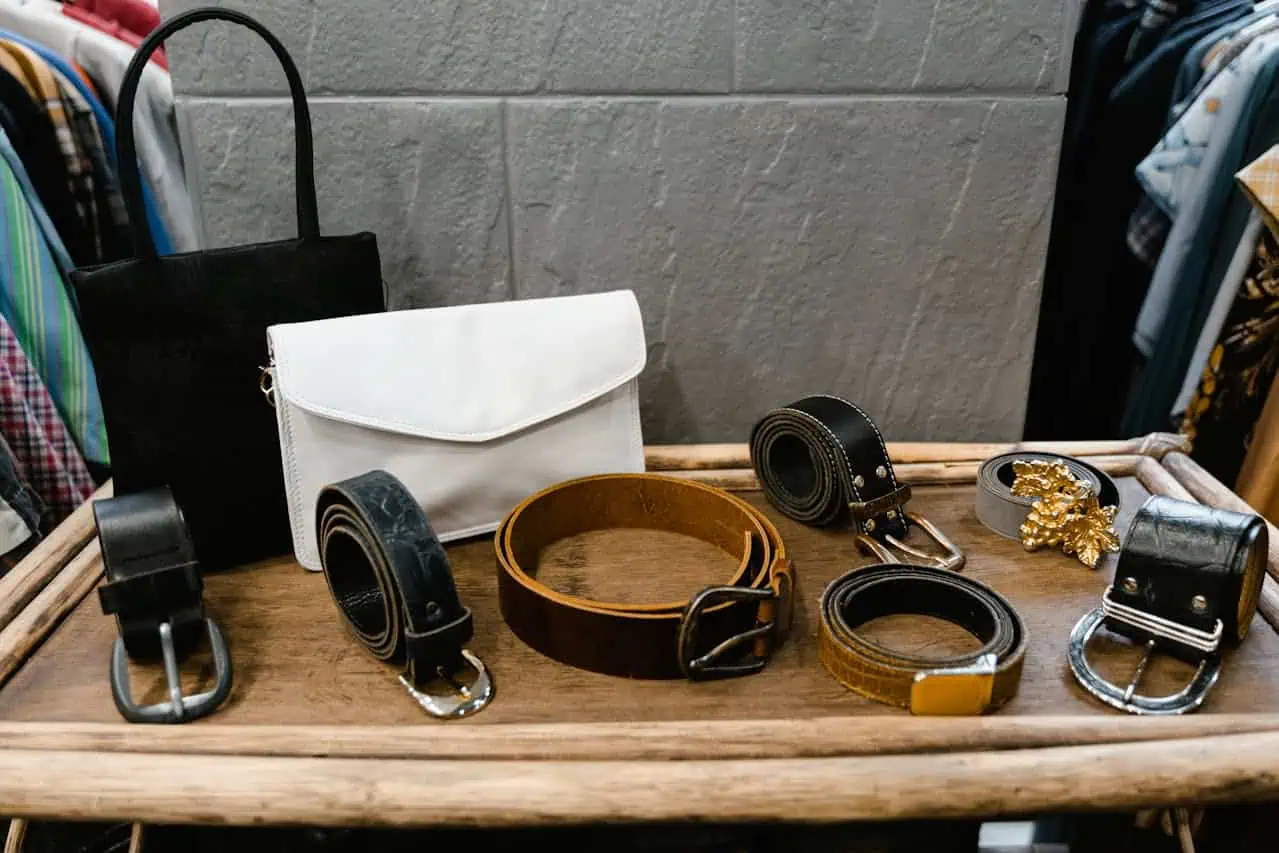
Accessories add personality, structure, and polish to your look. Going accessory-free may feel minimalist, but it can leave your outfit looking unfinished. Many women stop accessorizing because they’re unsure what suits them. Start small—a pair of sculptural earrings, a chunky bracelet, or a structured handbag. Scarves, belts, and hats can also bring flair and color. Accessories let you express individuality and elevate simple outfits with very little effort.
10. Wearing Faded or Worn-Out Basics
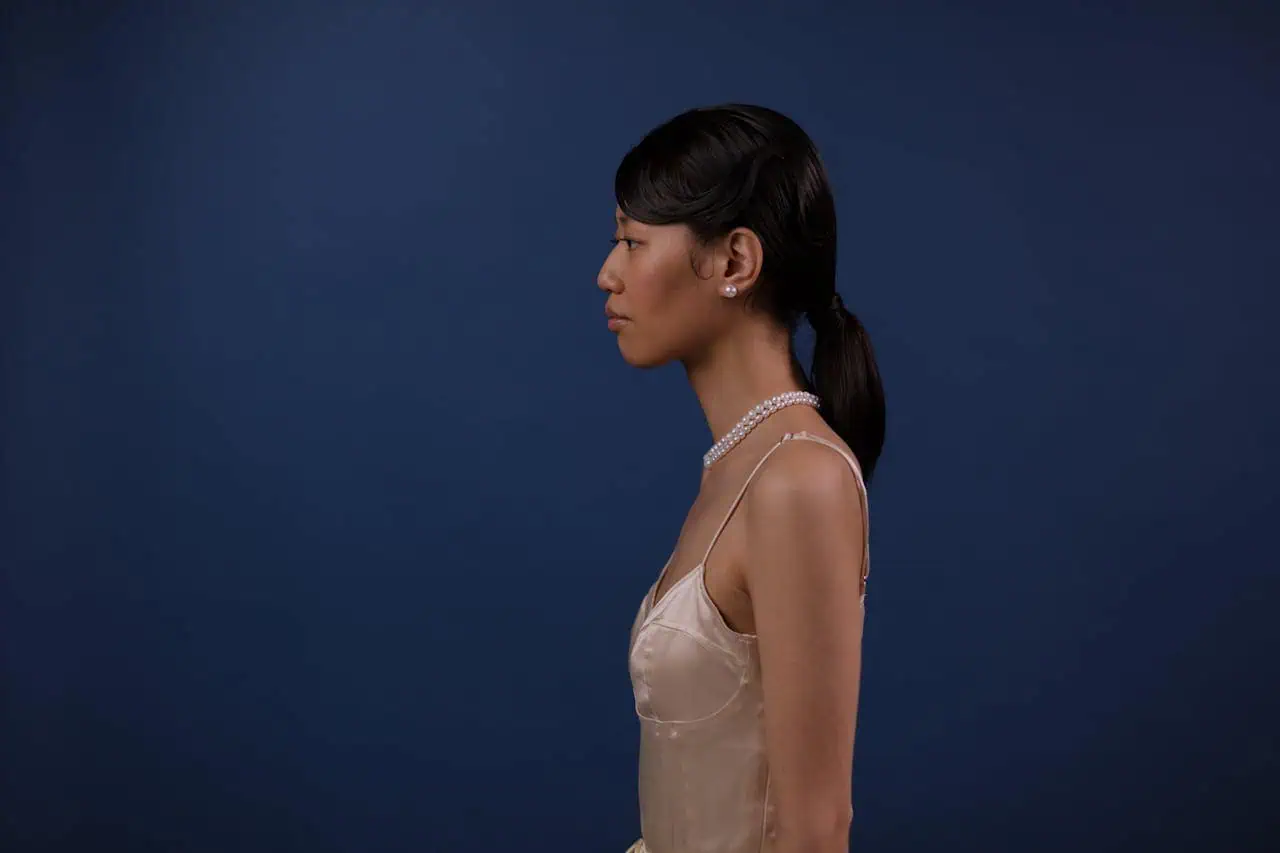
That old cardigan or stretched-out tee might feel comfortable, but it could be dragging down your entire look. Fabric that’s pilled, faded, or stretched out often makes an outfit feel sloppy. Invest in fresh versions of your staples—clean-cut tees, sharp blouses, or smooth sweaters in breathable fabrics. Classic doesn’t have to mean tired. Regularly refresh your basics so they support, not sabotage, your overall style. Quality, fit, and fabric always make a noticeable difference.